
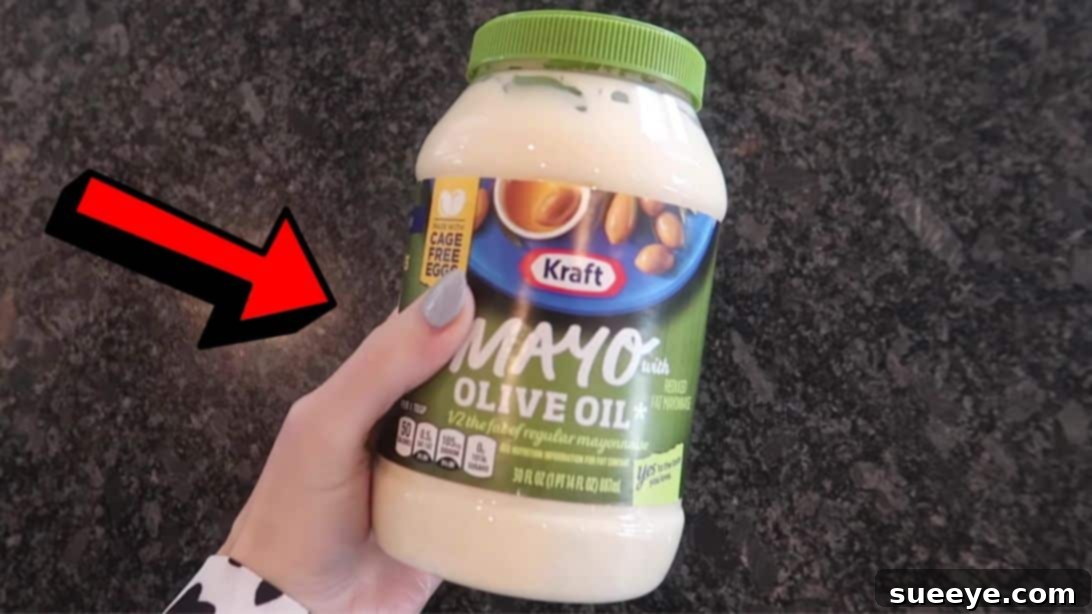
Are you staring down a stubborn white stain or cloudy water ring on your beloved wooden table, feeling like you’ve tried everything with no success? Don’t despair! That seemingly permanent blemish might be easier to banish than you think, thanks to a surprising, everyday kitchen staple. This article will reveal a highly effective, simple, and quick technique demonstrated by cleaning expert Andrea Jean Cleaning, utilizing a common ingredient that most households already have on hand: mayonnaise.
Water stains on wood furniture are a common, frustrating occurrence. They often appear as milky white rings or hazy spots, marring the beauty of your carefully selected pieces. While they look intimidating, these marks are usually caused by moisture getting trapped in the wood’s finish, not in the wood itself. This clever mayonnaise trick tackles the problem head-on, delivering impressive results, often in mere seconds for fresh stains, and proving its worth on older, more persistent marks with a little patience.
Beyond its stain-removing prowess, this method offers an added benefit: it helps restore a natural sheen to your wood surfaces. Many who have tried this technique, including myself, find it to be a reliable go-to for various furniture woes. If you’re ready to learn this ingenious cleaning hack and bring your wooden furniture back to its former glory, keep reading. You’ll be amazed at how a simple condiment can become your secret weapon against unsightly water rings and minor surface blemishes, transforming your home with minimal effort and expense.
Why Mayonnaise is Your Secret Weapon Against Water Stains
It might sound counterintuitive to rub a condiment onto your precious wooden furniture, but mayonnaise possesses properties that make it remarkably effective at combating white water stains. The primary reason for its success lies in its oil content. Mayonnaise is an emulsion, typically made from vegetable oil, egg yolk, and vinegar or lemon juice. When applied to a water-stained surface, the oils in the mayonnaise begin to penetrate the wood’s finish, displacing the trapped moisture that causes the white, hazy appearance.
The oily base of mayonnaise works by rehydrating the dried-out, moisture-damaged finish. The oil slowly seeps into the microscopic cracks and pores of the finish where the water has become trapped, helping to push the water out or make it less visible. This process effectively reverses the effect of the water damage, allowing the finish to regain its original transparency and smooth appearance. The mild acidity from the vinegar or lemon juice in mayonnaise may also play a minor role, helping to break down mineral deposits that sometimes contribute to the stain’s visibility.
Unlike harsh chemical cleaners that can strip or damage delicate wood finishes, mayonnaise offers a gentle yet powerful solution. Its natural ingredients allow for a non-abrasive treatment, making it safe for most finished wood surfaces. This dual action of oil penetration and gentle acidity makes mayonnaise an unexpectedly brilliant and readily available household item for furniture restoration, proving that sometimes the best solutions are the simplest.
Before You Begin: Important Pre-Treatment Tips
Before diving into the mayonnaise magic, a few preparatory steps can ensure the best results and protect your furniture. First and foremost, always perform a patch test in an inconspicuous area of your furniture, such as the underside of the table or a hidden corner. This step is crucial to ensure that the mayonnaise does not negatively react with your specific wood finish, preventing any unintended discoloration or damage. While mayonnaise is generally safe for most finished wood, finishes can vary widely, so a quick test provides peace of mind.
Next, gently clean the affected area with a soft, damp cloth to remove any surface dust, grime, or debris. This ensures that the mayonnaise comes into direct contact with the water stain and nothing else, maximizing its effectiveness. Allow the area to air dry completely before proceeding. It’s also helpful to understand the nature of your stain. This method is primarily designed for *white* water rings and haze, which indicate moisture trapped in the finish. If your stain is *black*, it usually signifies deeper water penetration into the wood itself, potentially indicating mold or mildew, which may require a different, more intensive treatment, possibly from a professional.
Finally, gather your materials. Having everything ready before you start will make the process smooth and efficient. Remember, patience is key, especially for older or more stubborn stains. Don’t expect instant miracles for every mark, but with consistent application and the right technique, you’ll be well on your way to restoring your furniture’s pristine appearance.
Materials Needed for Effective Water Stain Removal:
- Full-fat mayonnaise (preferably one with olive oil or high oil content)
- Clean, soft paper towels or a microfiber cloth
- A clean, dry cloth for buffing
Step-by-Step Guide: How to Remove Water Rings and Stains with Mayonnaise
Removing those unsightly white water rings and stains from your wooden table is a straightforward process when armed with mayonnaise and a little know-how. Follow these steps for the best chance of success:
Step 1: Prepare the Mayonnaise Application
Take a small dollop of full-fat mayonnaise onto a piece of clean paper towel or a soft cloth. You don’t need an excessive amount, but ensure there’s enough to fully cover the stained area without being overly thick. The key is even coverage.
Step 2: Apply and Rub the Stain
Gently rub the mayonnaise-soaked paper towel directly onto the water-stained area. Use a consistent, circular motion, applying light to moderate pressure. The circular motion helps to evenly distribute the mayonnaise and encourage the oils to penetrate the finish. For newer or lighter stains, you might witness the stain starting to fade or disappear within a few seconds, even as quickly as 10 seconds, as the oils work their magic.
Step 3: For Stubborn Stains – Let it Sit
If the stain doesn’t disappear instantly, don’t worry. This is common for older or more deeply set water rings. In this scenario, you’ll need to allow the mayonnaise to sit and work its way into the finish for a longer period. Apply a generous, even layer of mayonnaise directly over the entire stained area. You want enough to form a visible coating.
Step 4: The Waiting Game
Once applied, leave the mayonnaise on the stain for at least 30 minutes. For very stubborn or old stains, you might need to extend this waiting period significantly. Some experts recommend leaving it on for a couple of hours, or even overnight if the stain proves particularly resilient. The longer the mayonnaise sits, the more time the oils have to penetrate the wood finish and displace the trapped moisture. During this time, the oils are working to rehydrate the finish and push the water out. Check periodically, but avoid rubbing until the designated waiting time has passed.
Step 5: Remove and Inspect
After the recommended waiting time, use a clean, dry paper towel or soft cloth to wipe away the mayonnaise. As you wipe, pay close attention to the stained area. You should notice a significant reduction or complete disappearance of the white ring or haze. If the stain has vanished, proceed to the next step. If a faint mark still remains, you can repeat the entire process, allowing the mayonnaise to sit for an even longer duration.
Step 6: Buff to a Shine
Once the stain is removed, use a fresh, clean, and dry cloth (a microfiber cloth works exceptionally well) to gently buff the treated area. This not only removes any residual oil but also helps to restore the natural shine of your wooden table. Your furniture will look rejuvenated and feel smooth to the touch.
Beyond Water Stains: Other Uses for Mayonnaise on Wood
The versatility of mayonnaise extends beyond just removing water rings. This technique can also be surprisingly effective for tackling minor scratches on your wooden cabinets or other furniture. The oils in the mayonnaise can help to plump up the wood fibers around shallow scratches, making them less noticeable and blending them into the surrounding finish. Similarly, if your wooden furniture has lost some of its luster and appears dull, a light application and buffing with mayonnaise can help restore a healthy, natural glow. Always remember to test in an inconspicuous area first, especially when trying it on new types of blemishes or different finishes.
Preventative Measures to Avoid Future Water Stains
While the mayonnaise trick is incredibly effective for removing existing water stains, prevention is always better than cure. Protecting your wooden furniture from future damage will save you time and effort in the long run. Here are some essential tips to keep your tables, cabinets, and other wood pieces pristine:
-
Use Coasters and Trivets: This is the golden rule for protecting wood surfaces. Always place coasters under drinks, especially cold beverages that produce condensation, and hot mugs or dishes. Trivets are essential for hot serving dishes.
-
Wipe Spills Immediately: Accidents happen, but quick action can prevent a disaster. If any liquid spills on your wooden furniture, blot it dry immediately with a soft, clean cloth. Do not rub, as this can spread the liquid or damage the finish.
-
Maintain Proper Humidity: Extreme fluctuations in humidity can cause wood to expand and contract, potentially leading to cracks in the finish where moisture can then penetrate. Use a humidifier in dry environments and a dehumidifier in humid ones to maintain a consistent indoor humidity level (ideally between 40-50%).
-
Regular Dusting and Cleaning: Dust can be abrasive and dull your finish over time. Regular dusting with a soft, lint-free cloth helps maintain the surface. For cleaning, use wood-specific cleaners or a very mild soap solution sparingly, and always dry thoroughly afterward.
-
Apply a Protective Finish or Polish: Periodically applying a good quality furniture wax or polish can add an extra layer of protection to your wood. These products often contain oils and waxes that repel water and nourish the wood, helping to seal minor imperfections in the finish.
-
Avoid Direct Sunlight and Heat: Prolonged exposure to direct sunlight or heat sources (like radiators or heat vents) can dry out and damage wood finishes, making them more susceptible to water damage and discoloration. Position your furniture away from these elements.
By incorporating these simple preventative measures into your routine, you can significantly reduce the likelihood of those frustrating white water stains appearing on your beautiful wooden furniture, keeping them looking their best for years to come.
Other Common DIY Water Stain Removal Methods (and why mayonnaise often wins)
While mayonnaise is a remarkably effective solution, it’s worth noting that other DIY methods are often suggested for white water stains. These include using an iron, toothpaste, or a salt paste. The iron method involves placing a cloth over the stain and gently pressing a warm (not hot) iron on it, attempting to draw out the moisture. Toothpaste (non-gel, white variety) can be rubbed into the stain, similar to mayonnaise, as its mild abrasive and cleaning agents can help. A paste made from salt and water or oil is another option, offering gentle abrasion.
However, the mayonnaise method often stands out due to its gentle yet powerful action. Unlike the iron method, which carries a risk of overheating and further damaging the finish if not done carefully, mayonnaise works slowly and safely without heat. Compared to toothpaste or salt pastes, mayonnaise’s high oil content is uniquely suited to re-emulsifying and displacing trapped moisture, actively restoring the finish rather than just scrubbing at the surface. Its readily available nature and minimal risk make it an ideal first-line defense for anyone tackling a stubborn water stain on their cherished wooden furniture.
When to Call a Professional: Understanding Your Stain
While the mayonnaise method is highly effective for most white water stains (which indicate moisture in the finish), it’s important to recognize when a professional might be needed. If, after several attempts with mayonnaise or other DIY methods, the stain persists, or if the stain is black, it’s often a sign of more severe damage. Black stains typically indicate that water has penetrated beyond the finish and into the wood itself, potentially leading to mold, mildew, or rot. In such cases, the wood may require sanding, bleaching, or even a full refinishing by an experienced furniture restorer.
A professional can accurately assess the extent of the damage, identify the type of wood and finish, and apply appropriate techniques that might include stripping the old finish, deep cleaning the wood, and applying a new, protective layer. Investing in a professional restoration can save a valuable piece of furniture that might otherwise be considered beyond repair, ensuring its longevity and aesthetic appeal. Don’t hesitate to seek expert advice if your DIY efforts aren’t yielding the desired results or if the stain’s nature suggests deeper damage.
Conclusion: Embrace the Mayonnaise Magic for Spotless Furniture
Who would have thought that a simple condiment from your kitchen could be the ultimate solution to those annoying, stubborn white water rings and stains on your wooden furniture? The mayonnaise trick, championed by cleaning experts like Andrea Jean Cleaning, stands out as an incredibly effective, accessible, and surprisingly quick method for restoring the beauty of your tables and cabinets. By harnessing the power of its natural oils, mayonnaise gently penetrates and repairs the wood’s finish, making those unsightly marks vanish, often within minutes or a few hours for tougher blemishes.
Beyond its stain-removing capabilities, this method also leaves your furniture looking polished and shiny, breathing new life into older pieces. Its simplicity and cost-effectiveness make it a superior choice compared to many specialized cleaners or more invasive restoration techniques. Remember to always perform a patch test and follow the steps carefully, allowing the mayonnaise ample time to work its magic.
So, the next time you spot a water stain on your cherished wooden furniture, resist the urge to panic. Reach for that jar of mayonnaise in your fridge, and prepare to be amazed by this unexpected household hero. It’s a testament to the fact that sometimes the best solutions are found in the most ordinary places. Give it a try, and enjoy the satisfaction of seeing your wooden surfaces become spotless once more!
*Many thanks to Andrea Jean Cleaning via YouTube for sharing this incredible cleaning trick and for providing the images used here. If you found this technique helpful, be sure to visit her channel and explore her other valuable video tutorials for more expert cleaning tips and tricks!