
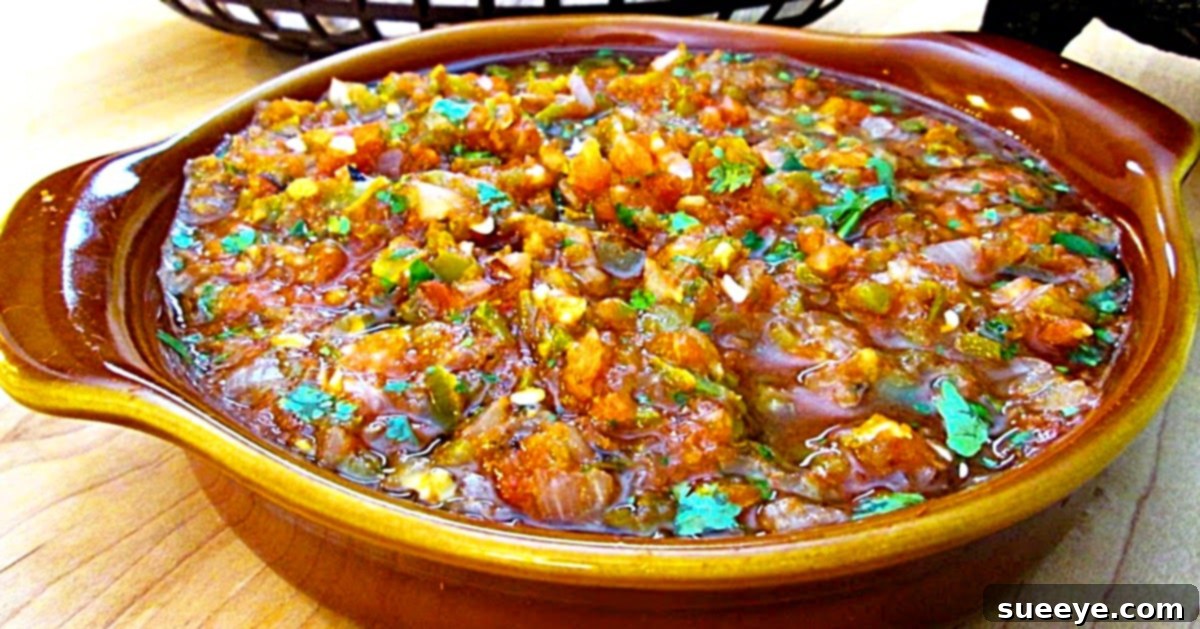
Mastering the Art of Fire-Roasted Salsa: A Recipe for Unforgettable Flavor
For anyone who cherishes the vibrant, complex flavors of authentic Mexican cuisine, a truly exceptional salsa is a must-have. If you’re a salsa aficionado, you’ve likely encountered the sublime experience of fire-roasted salsa. This isn’t just any salsa; it’s a culinary revelation that transforms simple ingredients into a rich, smoky, and deeply savory condiment. Forget the bland, overly acidic commercial options; homemade fire-roasted salsa offers a depth of flavor that’s simply unparalleled. I recently discovered an incredible fire-roasted salsa video recipe tutorial by Poor Man’s Gourmet Kitchen on YouTube, and it has unequivocally claimed the top spot among all my salsa recipes. This particular recipe yields a salsa so rich and profoundly savory, completely devoid of that sharp, vinegary bite often found in store-bought varieties. It might seem extraordinary that a single, straightforward step—grilling your ingredients—could lead to such a dramatic enhancement in the flavor profile of your hot sauce, but the difference it makes is truly remarkable. The subtle char and smoky essence infuse every bite, elevating the entire experience to a gourmet level.
The Secret Behind the Smoke: Why Fire-Roasting Matters
What makes fire-roasted salsa so utterly delicious and distinct from its raw counterparts? The magic lies in the roasting process itself. When tomatoes, onions, and peppers are exposed to high heat—whether on a grill, under a broiler, or in a hot oven—a series of wonderful transformations occur. First, the vegetables begin to caramelize, intensifying their natural sweetness and developing a richer, more complex flavor. The sugars within the vegetables brown, creating a depth that raw ingredients simply cannot achieve. Second, the direct heat creates a beautiful char on the skins, imparting a unique smoky essence that permeates the entire salsa. This smoky note is the signature characteristic of fire-roasted salsa, adding an irresistible layer of savory complexity. Finally, the roasting process mellows the acidity of the tomatoes and peppers, resulting in a smoother, more balanced flavor profile that eliminates the harsh vinegar taste often associated with mass-produced salsas. This meticulous attention to ingredient preparation is what elevates a good salsa to an extraordinary one, making it a staple in any kitchen.
Gather Your Essentials: Ingredients for Authentic Fire-Roasted Salsa
Creating this irresistible fire-roasted salsa begins with a selection of fresh, high-quality ingredients. Each component plays a crucial role in building the layered flavors that define this recipe. From ripe tomatoes to aromatic garlic and vibrant peppers, every item contributes to the salsa’s overall balance and deliciousness. This recipe is designed to bring out the best in each ingredient through the fire-roasting process, ensuring a truly authentic and deeply satisfying result. Feel free to adjust the spice level by adding more or fewer jalapeños or other chili peppers to suit your preference.
- 2 hothouse tomatoes (large, ripe, and firm for best roasting results)
- 2 onions (medium-sized, any variety will work, but yellow onions offer a nice sweetness when roasted)
- 1 bell pepper (choose red, yellow, or orange for sweetness and color; green bell peppers can be used for a slightly more bitter note if desired)
- 1 jalapeno (for a moderate heat level; adjust to taste or add an extra for more kick)
- 1 Anaheim pepper (or your favorite mild to medium chili pepper, such as poblano, for added complexity and mild heat)
- 5 garlic cloves (whole, unpeeled, for a roasted, mellow garlic flavor)
- 1 lime (freshly squeezed for brightness and acidity balance)
- 1 bunch of cilantro (fresh, finely chopped, for a burst of herbaceous flavor)
- 1 teaspoon of oregano (dried, Mexican oregano preferred for authentic taste)
- 1 teaspoon of cumin (ground, for earthy warmth)
- 1 teaspoon of paprika (smoked paprika if available, to enhance the smoky flavor, or regular paprika)
- 1 teaspoon chicken bouillon (or Caldo con Sabor de Pollo by Knorr, a secret ingredient for an umami boost; vegetable bouillon can be substituted)
- Salt and Pepper (to taste, always adjust at the end for perfect seasoning)
Crafting Perfection: Detailed Directions for Your Fire-Roasted Salsa
Embarking on the journey to create your own homemade fire-roasted salsa is surprisingly simple, yet incredibly rewarding. This step-by-step guide ensures that you achieve that desired smoky depth and vibrant flavor every time. As demonstrated in the excellent fire-roasted salsa video recipe tutorials by Poor Man’s Gourmet Kitchen on YouTube, the key lies in the initial roasting process and careful assembly. Let’s dive into the details:
Step 1: The Art of Roasting Your Vegetables
Begin by preparing your core ingredients for roasting. Wash your tomatoes, onions, bell pepper, jalapeño, and Anaheim pepper. For the onions, you can cut them into thick slices or quarters to ensure even roasting. The tomatoes can be roasted whole or halved, depending on your preferred method. The garlic cloves should be roasted unpeeled; this protects them from burning and allows them to steam and soften beautifully within their skins. You have a couple of excellent options for roasting:
- On the Grill: Preheat your grill to a medium-high heat. Place the tomatoes, onions, bell pepper, jalapeño, Anaheim pepper, and unpeeled garlic cloves directly on the grates. Grill for approximately 10-15 minutes, turning frequently with tongs, until the vegetables are softened, slightly charred, and the skins are blistered. The garlic will become soft and fragrant.
- In the Oven/Broiler: If you don’t have a grill, use your oven’s broiler or set the oven to a high temperature (around 400-425°F or 200-220°C). Arrange the vegetables on a baking sheet lined with parchment paper. Broil or roast for 15-20 minutes, flipping halfway, until the skins are blackened and the vegetables are tender. For garlic, you might want to roast it separately for a slightly shorter time, or wrap it in foil with a drizzle of oil to prevent burning.
The goal is to achieve a good char and softness, which is where the smoky flavor and sweetness truly develop.
Step 2: Preparing the Roasted Vegetables
Once your vegetables are beautifully roasted and slightly cooled, it’s time for preparation. Carefully peel the charred skins from the tomatoes, bell pepper, jalapeño, and Anaheim pepper. The skins should slip off easily. For the garlic, gently squeeze the soft roasted cloves from their skins. While peeling adds a slightly smoother texture, some people prefer to leave a little char on for extra smokiness – it’s a matter of preference. After peeling, roughly chop all the roasted vegetables with a knife. This initial chop helps the food processor achieve a more consistent texture and prevents over-processing.
Step 3: Blending for Perfection
Now, gather all your prepared ingredients. Add the roughly chopped roasted vegetables, the squeezed lime juice, fresh cilantro, oregano, cumin, paprika, and chicken bouillon (or its substitute) to a food processor. Season initially with a pinch of salt and pepper.
Pulse chop the mixture. The key here is “pulse” – use short bursts to control the consistency. Avoid continuous blending, which can turn your salsa into a watery puree. Pulse until your desired consistency is reached. If you prefer a chunky salsa with visible pieces of vegetables, use fewer pulses. For a smoother, more restaurant-style salsa, process a bit longer, but still in pulses. Taste the salsa and adjust the seasoning as needed, adding more salt, pepper, or even a squeeze of lime to balance the flavors. Remember, it’s easier to add more seasoning than to remove it!
Step 4: Resting for Flavor Integration
While delicious immediately, fire-roasted salsa truly shines after allowing its flavors to meld. Transfer your finished salsa to an airtight container and refrigerate it for at least 30 minutes, or preferably a few hours. This resting period allows all the complex smoky, savory, and fresh notes to integrate fully, resulting in a more harmonious and robust flavor profile. This step is crucial for achieving that authentic, restaurant-quality taste.
Tips for the Ultimate Fire-Roasted Salsa Experience
To ensure your homemade fire-roasted salsa is always a hit, consider these expert tips:
- Ingredient Quality: Always start with the freshest, ripest vegetables you can find. Local and seasonal produce will yield the best flavor.
- Char, Don’t Burn: Aim for a beautiful char on the skins of your vegetables, but be careful not to completely incinerate them. A little blackening is good; excessive burning will introduce a bitter taste.
- Control the Heat: Adjust the number of jalapeños or other chili peppers based on your preferred spice level. For a milder salsa, remove the seeds and membranes from the jalapeño before roasting. For extra heat, leave them in or add an additional pepper.
- Taste and Adjust: Seasoning is personal. Always taste your salsa after blending and adjust salt, pepper, and lime juice as needed. A pinch more cumin or paprika can also deepen the flavor.
- Consistency is Key: Use the pulse function on your food processor to achieve your desired texture. Whether you like it chunky or smooth, quick pulses give you control.
- Storage: Store your fire-roasted salsa in an airtight container in the refrigerator for up to 5-7 days. The flavors will often deepen and improve over the first day or two.
- Variations: Feel free to experiment! Add a handful of roasted corn, a can of rinsed black beans, or a different type of chili like serrano or habanero for a spicier kick.
Serving Suggestions: Beyond the Chip
While a bowl of crispy tortilla chips is the quintessential companion for fire-roasted salsa, its incredible versatility means it can elevate a wide array of dishes. Don’t limit yourself! Here are some ideas to inspire your culinary creativity:
- Tacos, Burritos, and Enchiladas: A generous dollop of this smoky salsa is the perfect topping, adding moisture and a burst of flavor to any Mexican-inspired dish.
- Grilled Meats and Fish: Serve it alongside grilled chicken, steak, pork chops, or flaky white fish. The bright, smoky notes complement the char of the grill beautifully.
- Breakfast Bliss: Spoon it over scrambled eggs, huevos rancheros, or breakfast burritos for a vibrant start to your day.
- Bowls and Salads: Incorporate it into grain bowls, nourish bowls, or as a dressing for a zesty salad.
- Sandwiches and Wraps: Use it as a spread in place of mayonnaise or mustard for an unexpected flavor boost.
- Dips and Appetizers: Mix it with cream cheese for a rich dip, or layer it in a seven-layer dip for an extra dimension of taste.
Embrace the Flavor: Your New Favorite Salsa Awaits
This fire-roasted salsa recipe is more than just a condiment; it’s a testament to how simple techniques can unlock extraordinary flavors. The transformation of humble vegetables into this rich, smoky, and deeply savory salsa is nothing short of culinary magic. It truly has become the only salsa recipe I find myself making repeatedly, consistently delivering a gourmet experience that rivals any restaurant. The absence of that harsh acidic bite and the pervasive smoky sweetness make it a standout. Elevate your next meal, impress your guests, or simply treat yourself to the exquisite taste of homemade fire-roasted salsa. Give this recipe a try, and prepare to discover your new go-to salsa. Your taste buds will thank you!