
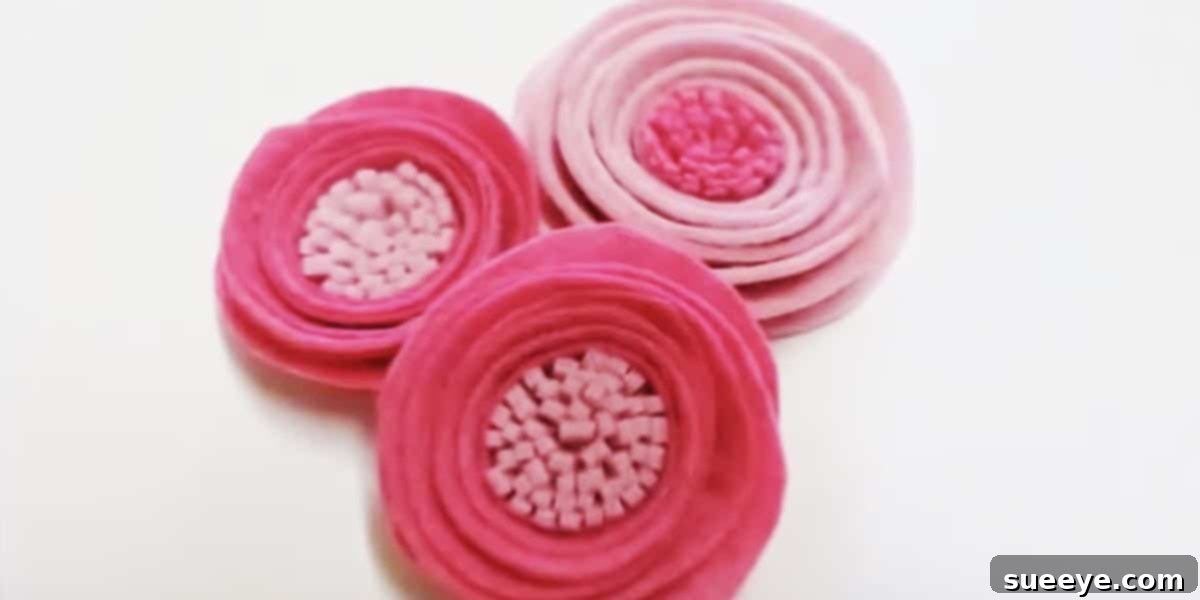
The Timeless Allure of Fabric Flowers: Crafting Beauty That Lasts
Who doesn’t adore the vibrant charm and delicate beauty of flowers? While fresh blossoms bring immediate delight, there’s a unique magic in creating blooms that stand the test of time. Fabric flowers offer this enduring appeal, allowing you to capture nature’s elegance in a form that never wilts. My own journey into this delightful craft began with a simple desire to adorn my bedroom. I meticulously created a collection of these textile wonders and stitched them onto a denim pillow. The result was simply luscious—a truly feminine and inviting accent that transformed my space.
What started as a single project quickly blossomed into a profound passion. Learning how to make those initial fabric flowers sparked an insatiable curiosity within me, driving me to explore countless techniques for crafting all kinds of different floral designs. It’s a wonderful testament to how just starting somewhere, no matter how small, can lead you down an exciting path you never anticipated. The online world is an incredible resource, filled with an abundance of amazing, colorful fabric flower tutorials that taught me so much. Since then, I’ve made numerous personalized gifts for friends and family, and their genuine joy upon receiving these handmade treasures is truly rewarding.
More Than Just Decoration: The Enduring Charm of Fabric Flowers
Fabric flowers aren’t just pretty embellishments; they offer a host of benefits that make them a beloved craft for enthusiasts worldwide. Their versatility and lasting nature set them apart from their natural counterparts, opening up a world of creative possibilities:
- Unmatched Durability: Unlike fresh flowers that wilt and fade, fabric blooms offer everlasting beauty. They require no water, sunlight, or special care, making them perfect for long-term decorations, keepsakes, and heirloom pieces that can be enjoyed for years, even decades. This makes them a wonderfully sustainable and economical choice.
- Limitless Versatility: With fabric flowers, your imagination is the only limit. You can choose any color, pattern, texture, or type of fabric imaginable to perfectly match your decor, outfit, or theme. From luxurious silk to rustic burlap, every material yields a unique aesthetic, allowing for unparalleled personalization.
- Cost-Effective Crafting: This craft is incredibly budget-friendly. You can utilize fabric scraps from old clothing, quilting projects, or repurpose discarded textiles. This not only minimizes waste but also allows you to create stunning pieces without a significant financial investment.
- Personalized Expression: Fabric flowers are a powerful medium for personal expression. Each petal, fold, and stitch can reflect your unique style and creativity, transforming a simple piece of fabric into a miniature work of art. They make deeply meaningful gifts that convey thoughtfulness and care.
- Therapeutic and Rewarding: The process of crafting fabric flowers can be incredibly calming and meditative. The repetitive motions of cutting, folding, and stitching offer a wonderful escape, promoting focus and mindfulness. The satisfaction of seeing a beautiful bloom emerge from simple materials is profoundly rewarding.
Your First Petal: Beginning Your Fabric Flower Adventure
Embarking on any new crafting journey can seem daunting, but fabric flowers are wonderfully accessible. The initial steps are often simple, building confidence as you progress. My own experience, and countless others, confirm that with just a few basic materials and a willingness to learn, anyone can create stunning floral pieces. The wealth of online resources available today means that detailed, step-by-step tutorials are just a click away, making it easier than ever to dive into this fulfilling hobby.
Don’t feel pressured to create a masterpiece on your first try. The beauty of crafting lies in the process, the learning, and the joy of creation. Start with a basic design, like a simple rolled rose, and let your skills develop naturally. You’ll be amazed at how quickly you pick up the techniques and how your confidence grows with each completed flower.
Beyond the Rose: A World of Fabric Flower Varieties
While the classic fabric rose holds a special place in my heart, and is often an excellent starting point for beginners, the world of fabric flowers is incredibly diverse. Once you master a foundational technique, you’ll discover an endless array of styles and forms to explore. Here are just a few of the enchanting types you can create:
- Rolled Roses: The timeless favorite, often made from strips of fabric twisted and gathered to form a spiral bloom. They can range from tightly bound buds to full, open roses.
- Gathered and Layered Petals: Techniques used to create delicate camellias, lush peonies, or vibrant poppies. Individual petals are cut, shaped, and then layered and stitched together to build volume and form.
- Folded and Pleated Designs: Inspired by origami, these flowers involve intricate folding patterns to create geometric or realistic shapes. Kanzashi flowers, a traditional Japanese art form, are a prime example of this elegant technique.
- Shabby Chic Flowers: Characterized by raw edges, slightly frayed fabrics, and often a distressed or vintage look. These create a charming, rustic aesthetic perfect for farmhouse decor or bohemian styles.
- Felt Flowers: Ideal for beginners or children, felt doesn’t fray, making it very easy to cut and assemble. Felt flowers are often vibrant, durable, and offer a soft, tactile quality.
- Wired Petals: For more structural and realistic blooms, fabric petals can be wired to allow for shaping and positioning, mimicking the delicate curves of natural flowers.
Experimenting with different fabrics like crisp cotton, luxurious silk, lustrous satin, sturdy denim, or soft felt will also dramatically change the appearance and texture of your finished flowers, opening up even more creative avenues.
Gearing Up: What You’ll Need for Fabric Flower Creation
One of the beauties of fabric flower crafting is that it doesn’t require a vast array of specialized tools. Many of the items you’ll need are likely already in your home or easily acquired from a craft store. Here’s a rundown of essential materials to get you started:
- Various Fabrics: This is your primary material. Old clothes, fabric scraps, fat quarters, or remnants from previous sewing projects are perfect. Consider different textures and patterns for variety.
- Sharp Fabric Scissors: A good pair of scissors specifically for fabric will ensure clean, precise cuts, which are crucial for neat petals and shapes.
- Needle and Thread: Hand sewing is often involved, so a basic sewing kit with an assortment of needles and sturdy thread (matching your fabric colors, if possible) is essential.
- Hot Glue Gun and Glue Sticks: While some flowers are purely stitched, a hot glue gun can significantly speed up assembly, especially for layering petals or attaching embellishments. It’s also great for securing the finished flower.
- Embellishments: Buttons, beads, pearls, rhinestones, small charms, or even tiny fabric leaves can be added to the center of your flowers to give them a polished or unique finish.
- Templates or Patterns: For consistent petal shapes, you might want to create or download paper templates. These help ensure uniformity, especially when making multiple flowers of the same design.
- Fray Check (Optional but Recommended): For fabrics prone to fraying, a liquid seam sealant like Fray Check can be applied to cut edges to prevent unraveling, preserving the neatness of your flowers.
- Pinking Shears (Optional): These scissors create a zigzag edge that can be decorative and also help minimize fraying on certain fabrics.
From Fabric Scrap to Floral Masterpiece: The Creative Process
The journey from a plain piece of fabric to a vibrant, handcrafted flower is a magical one, filled with creativity and meticulous detail. While specific steps vary depending on the flower type, the general process involves a sequence of engaging actions:
- Fabric Selection and Preparation: This initial step is crucial. You’ll choose your desired fabric, considering its color, pattern, and texture. Often, fabrics are ironed or stiffened with spray starch to make them easier to work with and give the petals more body.
- Cutting the Petals: Using scissors and potentially a template, individual petals are carefully cut from the fabric. Precision here contributes significantly to the final look of the flower.
- Shaping and Forming: To give the petals a natural, three-dimensional quality, various techniques are employed. This might involve gently singeing edges with a candle (for synthetic fabrics that melt without burning), scrunching, pleating, or using a needle and thread to gather the base of each petal.
- Assembly and Layering: This is where the flower truly begins to take shape. Petals are attached one by one, often layered in concentric circles, starting from the outside and working inwards towards the center. Hot glue, hand stitching, or a combination of both can be used for this.
- Adding the Center: The heart of the flower is added next. This could be a tightly rolled fabric piece, a cluster of beads, a decorative button, or even a different contrasting fabric detail to create visual interest.
- Finishing Touches: Finally, any backing needed for stability (like a felt circle) is attached, and the flower is secured. This is also the stage for any last-minute embellishments or adjustments to the petal arrangement.
Watching a flat piece of fabric transform into a dimensional, lifelike bloom through your own hands is an immensely satisfying experience, fueling the desire to create more.
Bloom Where You’re Planted: Inspiring Uses for Fabric Flowers
Once you’ve mastered the art of making fabric flowers, you’ll find that their applications are virtually endless. Beyond the original denim pillow that sparked my passion, these handmade blooms can infuse charm and personality into almost any aspect of your life:
- Elegant Home Decor: Elevate your living space by adding fabric flowers to throw pillows, curtains, lampshades, picture frames, or wall art. Create stunning wreaths for your door or use them as unique table centerpieces.
- Fashion and Accessories: Transform ordinary items into extraordinary fashion statements. Pin a fabric flower onto a coat lapel as a brooch, attach them to headbands, hair clips, or hats. Embellish handbags, shoes, or even belts for a touch of handmade chic.
- Thoughtful, Personalized Gifts: As I’ve experienced firsthand, fabric flowers make truly cherished gifts. Adorn gift wrapping, personalize greeting cards, or create bespoke items like custom jewelry rolls, embellished journals, or unique keychains.
- Special Event Decorations: Fabric flowers are perfect for weddings, baby showers, birthdays, and other celebrations. Use them in bridal bouquets (they’ll last forever!), as boutonnières, corsages, table decor, or unique party favors that guests can keep.
- Children’s Crafts and Play: Durable and safe, fabric flowers are excellent for engaging children in creative play. They can be used for doll clothes, playhouse decorations, or simply as a fun, tactile craft project.
- Quilting and Sewing Accents: Integrate fabric flowers directly into larger sewing projects like quilts, garments, or bags, adding a beautiful three-dimensional element.
Passing Down Petals: The Joy of Teaching and Learning
Beyond the personal satisfaction of creation, one of the greatest joys I’ve discovered through fabric flower crafting is the opportunity to share this wonderful skill with others. I had the immense pleasure of teaching my 11-year-old granddaughter how to make these delightful roses, and she’s absolutely taken to it! She’s been “going to town” making roses, her enthusiasm a heartwarming reminder of my own initial passion. This experience has been truly special, fostering a shared creative bond between us.
She already adores craft projects and has a natural talent for hand stitching, recently hand-sewing the cutest little owl. This progression from simple fabric flowers to more complex hand-sewing projects shows the natural development of skills that crafting can inspire. She has even expressed a keen desire to learn how to use a sewing machine, and I’m incredibly excited to guide her through that next step. It’s going to be so much fun teaching her the intricacies of machine sewing, watching her confidence and abilities grow. These shared moments of learning and creating are priceless, building lasting memories and passing down valuable life skills.
Growing Your Garden: Joining the Fabric Flower Community
The world of crafting is often a vibrant and supportive community. As you delve deeper into making fabric flowers, you’ll find countless online groups, forums, social media channels, and local workshops dedicated to textile arts. Engaging with this community can be incredibly enriching. You can share your own creations, seek inspiration from fellow crafters, troubleshoot challenges, and discover new techniques and ideas. This shared passion fosters connection and continuous learning, making the crafting journey even more enjoyable.
Your Floral Journey Awaits
The art of crafting fabric flowers is a journey filled with endless creativity, personal satisfaction, and tangible beauty. It’s a craft that allows you to transform simple materials into lasting treasures, to personalize your surroundings, and to share heartfelt gifts. Whether you’re looking for a new hobby, a way to express your artistic flair, or a meaningful activity to share with loved ones, fabric flowers offer a wonderfully rewarding path.
Don’t hesitate to take that first step. Just like my own journey started with a single denim pillow, your creative adventure could begin today. There’s a world of tutorials and inspiration waiting for you. Dive in, experiment with fabrics, and watch these exquisite roses, and countless other blooms, come to life under your own hands. Happy crafting!