
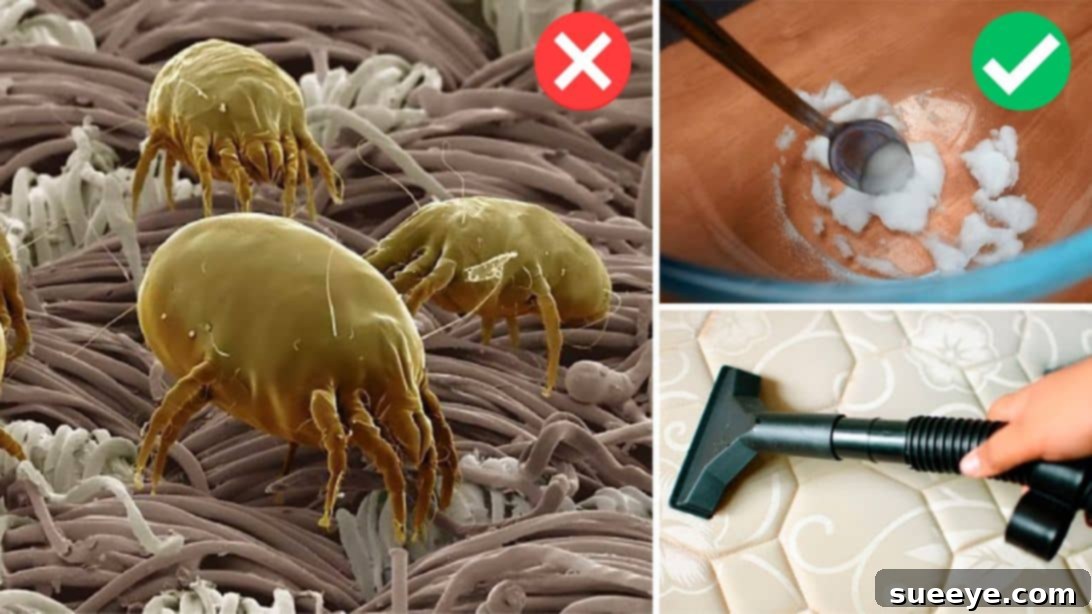
Few things disrupt the comfort and sanctity of a bedroom quite like the presence of dust mites. These microscopic arachnids, often unseen but undeniably felt, are a common household nuisance, particularly in mattresses, pillows, and bedding. They thrive in environments rich with dead skin cells, which is why our beds, where we spend roughly a third of our lives, become their ideal habitat. While invisible to the naked eye, their impact on our health can be significant, triggering allergic reactions, respiratory issues, and worsening conditions like asthma and eczema.
For many, the battle against dust mites seems daunting, often leading to reliance on expensive specialized products or professional cleaning services. However, achieving a mite-free sleeping environment doesn’t have to be complicated or costly. This comprehensive guide, inspired by effective home remedies and insights from experts like Natural Cures on YouTube, offers a simple yet potent DIY solution. Not only will this remedy help eliminate existing dust mites and deter their multiplication, but it will also leave your mattress smelling fresh and clean, transforming your bedroom into a true sanctuary of health and rest.
Understanding Dust Mites: The Unseen Threat
Dust mites are not insects, but rather tiny relatives of spiders and ticks, belonging to the arachnid family. They are incredibly small, typically measuring about 0.2-0.3 millimeters, making them impossible to see without a microscope. These creatures do not bite, sting, or burrow into human skin, but they are a primary indoor allergen. The allergens come from their fecal pellets and decaying body parts, which become airborne and are easily inhaled.
Our homes, especially bedrooms, offer the perfect breeding ground for dust mites. They prefer warm, humid environments (ideally 68–77°F or 20–25°C with 70-80% relative humidity) and feed on organic detritus like dead human skin cells, pet dander, and fungi. An average person sheds about 1.5 grams of skin flakes per day, enough to feed millions of dust mites. This makes mattresses, pillows, carpets, upholstered furniture, and curtains prime locations for their colonization. Over time, a single mattress can house hundreds of thousands, if not millions, of dust mites.
Health Implications of Dust Mite Exposure
The allergens produced by dust mites can provoke a range of uncomfortable and sometimes severe health issues. For individuals sensitive to these allergens, symptoms can manifest as:
- Respiratory Problems: Frequent sneezing, runny or stuffy nose, itchy nose, and throat are common. For asthmatics, dust mite allergens are a significant trigger, leading to wheezing, coughing, shortness of breath, and tightness in the chest. Long-term exposure can even contribute to the development of asthma in young children.
- Allergic Conjunctivitis: Itchy, watery, or red eyes, often accompanied by puffiness around the eyes.
- Skin Irritations: Dust mite allergens can exacerbate skin conditions such as eczema (atopic dermatitis), causing flare-ups of itchy, red patches on the skin.
- Sleep Disturbances: Constant congestion, itching, and respiratory distress can severely impair sleep quality, leading to fatigue, irritability, and decreased concentration during the day.
Effectively managing dust mite populations in your home is therefore crucial not just for cleanliness, but for protecting your health and ensuring a restful night’s sleep.
The Power of a DIY Solution: Natural and Effective
While various commercial products claim to eliminate dust mites, many contain harsh chemicals that can be irritating to sensitive individuals or pets. This DIY solution stands out for its simplicity, effectiveness, and reliance on readily available, gentle ingredients. It offers a cost-effective alternative to professional services and empowers you to take control of your indoor environment.
Ingredients for Your Mite-Fighting Solution:
- 1 cup of Hydrogen Peroxide (10% solution is recommended for enhanced efficacy)
- 3 tsp of Baking Soda
- A few drops of Liquid Soap or Dish Detergent
Understanding the Science Behind the Ingredients:
- Hydrogen Peroxide (10% Solution): This powerful oxidizing agent is known for its antiseptic and disinfectant properties. When it comes into contact with organic matter, it releases oxygen, which effectively breaks down and destroys bacteria, viruses, and other microorganisms. A 10% solution is considerably stronger than the common 3% household variety, making it more potent against dust mites and their allergens. It works by disrupting the cellular structure of mites and neutralizing allergens. Always ensure good ventilation when using it.
- Baking Soda (Sodium Bicarbonate): More than just an odor neutralizer, baking soda is a mild abrasive and a desiccant. Dust mites thrive in humid conditions, and baking soda helps absorb moisture, creating a less hospitable environment for them. It also aids in lifting dirt and debris from surfaces, working in conjunction with hydrogen peroxide to enhance the cleaning process and absorb unpleasant odors, leaving your mattress smelling fresh.
- Liquid Soap or Dish Detergent: A few drops of liquid soap act as a surfactant. Surfactants reduce the surface tension of water, allowing the solution to spread more evenly and penetrate deeper into the fabric fibers of your mattress. This ensures that the active ingredients (hydrogen peroxide and baking soda) can reach and act upon dust mites and their allergens more effectively, breaking down organic residue.
Step-by-Step Directions for a Mite-Free Mattress
Before you begin the DIY remedy, establish a foundational routine for keeping your bedroom fresh and less inviting for mites. Regular airing and cleaning are paramount:
- Ventilate Your Home Daily: Make it a habit to open windows and doors for at least 15-30 minutes each day, especially when cleaning. This allows dust, bacteria, and stale odors to escape, bringing in fresh air and reducing indoor humidity levels, which mites abhor.
- Sunlight is Your Ally: Whenever possible, expose your pillows and mattresses to direct sunlight. Ultraviolet light from the sun is a natural disinfectant and desiccant, helping to kill mites and dry out moisture within the bedding.
- Regular Bedding Changes: Wash your bed sheets, pillowcases, and duvet covers weekly in hot water (at least 130°F or 54°C) to kill dust mites and remove allergens. Dry them on a high heat setting.
- Utilize Protective Covers: Always use allergen-proof or dust-mite-proof covers for your mattresses and pillows. These zippered covers create a physical barrier, preventing mites from entering or escaping your bedding.
DIY Home Remedy: The Mite-Killing Spray
Now, let’s prepare and apply your powerful homemade solution:
- Prepare Your Mixing Bowl: Choose a clean container or mixing bowl that is large enough to comfortably hold your ingredients.
- Combine Hydrogen Peroxide and Baking Soda: Carefully add 1 cup of 10% hydrogen peroxide to the bowl, followed by 3 teaspoons of baking soda. Stir the mixture gently until the baking soda is completely dissolved. Ensure there are no clumps remaining, as this will prevent even application.
- Add Liquid Soap: Incorporate 2 to 3 drops of liquid soap or dish detergent into the mixture. Stir gently until well combined. Avoid creating excessive foam at this stage.
- Transfer to a Spray Bottle: Carefully pour the entire solution into a clean spray bottle. Secure the lid tightly.
- Shake Well Before Use: Give the spray bottle a good shake before each application to ensure the ingredients are evenly distributed.
- Apply to Mattress: Remove all bedding from your mattress. Lightly mist the entire surface of your mattress with the solution. Pay extra attention to seams, crevices, and any areas where stains are present, as these are common hiding spots for mites. Do not oversaturate the mattress; a light, even spray is sufficient.
- Address Hard Stains: For persistent or stubborn stains, you can saturate the affected areas slightly more. Allow the solution to penetrate and work on breaking down the stain and neutralizing mites.
- Allow to Dry: Let the mattress air dry completely. This is a crucial step for the effectiveness of the solution and to prevent any moisture-related issues like mold or mildew. Opening windows or using a fan can speed up the drying process.
- Remove Excess Product: Once the mattress is completely dry and any foam from the baking soda has dried, use a stiff brush or a vacuum cleaner with a brush attachment to remove any excess dried residue. This step also helps to remove dead mites and their allergens.
Beyond the Spray: Comprehensive Mite Prevention Strategies
While the DIY spray is highly effective, maintaining a mite-free environment requires a holistic approach. Implement these additional strategies to keep dust mites at bay and ensure lasting freshness in your home:
- Control Humidity: Dust mites thrive in high humidity. Aim to keep your indoor humidity levels below 50% using a dehumidifier, especially in damp climates or during humid seasons.
- Regular Vacuuming with HEPA Filter: Vacuum carpets, rugs, and upholstered furniture regularly, preferably with a vacuum cleaner equipped with a HEPA (High-Efficiency Particulate Air) filter. This traps tiny dust mite allergens that ordinary vacuums might recirculate.
- Minimize Clutter: Dust mites can accumulate in clutter. Reduce unnecessary items in your bedroom, such as piles of clothes, books, and decorative objects that collect dust.
- Wash or Freeze Stuffed Animals: If children sleep with stuffed animals, wash them frequently in hot water or place them in a plastic bag and freeze them for at least 24 hours to kill dust mites.
- Clean Curtains and Blinds: Wash curtains seasonally or dust blinds regularly. Opt for washable blinds or curtains if possible.
- Consider Flooring: If allergies are severe, consider replacing wall-to-wall carpeting with hard surface flooring like wood, tile, or linoleum, which are easier to keep dust-free.
- Pet Care: If you have pets, groom them regularly and wash their bedding frequently in hot water, as pet dander also contributes to the mite’s food source.
The Benefits of a Mite-Free Sleeping Environment
Adopting these practices, particularly the powerful DIY mattress spray, yields numerous benefits beyond just a clean bed:
- Improved Respiratory Health: Reduced exposure to allergens leads to fewer sneezing fits, less congestion, and a significant decrease in asthma symptoms.
- Enhanced Sleep Quality: With fewer irritants disrupting your breathing and comfort, you’ll experience deeper, more restorative sleep.
- Reduced Allergic Reactions: Say goodbye to itchy eyes, runny noses, and skin rashes that often plague mite-sensitive individuals.
- Fresher Home Environment: The natural cleaning action of the spray, combined with proper ventilation, will leave your entire bedroom smelling clean and inviting.
- Peace of Mind: Knowing your sleeping space is clean and free from hidden allergens provides a sense of well-being and security.
Conclusion
Dust mites are a ubiquitous household challenge, but they don’t have to dominate your home or compromise your health. With this simple, effective, and natural DIY solution, combined with consistent preventive measures, you can transform your bedroom into a fresh, allergen-reduced haven. By regularly applying this hydrogen peroxide, baking soda, and soap mixture to your mattress and adhering to good hygiene practices, you’ll not only eliminate these tiny pests but also significantly improve your indoor air quality and overall well-being. Reclaim your bed as a space for pure rest and rejuvenation, free from the unseen threats of dust mites. For a visual guide on these steps, consider watching the original tutorial from Natural Cures on YouTube.