
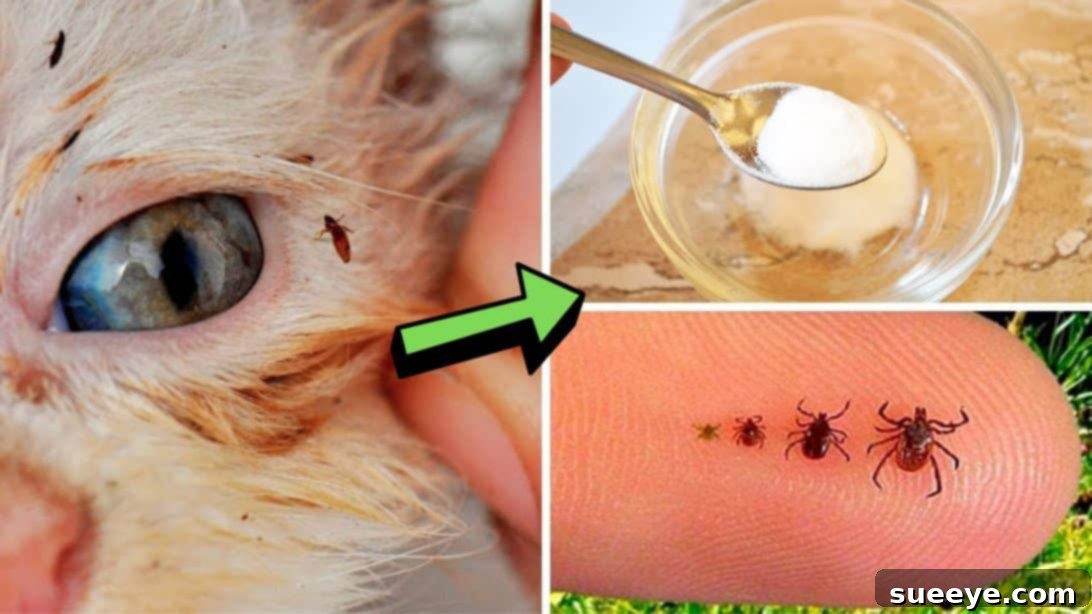
As the weather warms and we step outside to enjoy the beautiful seasons, our beloved furry companions also get to revel in the great outdoors. While this offers endless joy for them, it also marks the peak season for a common nuisance: fleas. These tiny pests can turn your pet’s happy demeanor into a state of constant scratching, discomfort, and even stress. Dealing with a flea infestation can be frustrating for any pet owner, but thankfully, effective and affordable natural remedies exist to help manage and prevent these bothersome bugs.
Before diving into chemical treatments, many pet parents are exploring safe, natural alternatives that can be just as effective for mild to moderate flea problems. These DIY solutions often use ingredients you already have at home, making them a budget-friendly option. One such simple yet powerful natural flea remedy, perfect for both dogs and cats, comes to us from Natural Cures on YouTube. This guide will walk you through creating an easy apple cider vinegar spray that can help keep your pet flea-free. Remember, always perform an allergy test on your pet before fully applying any new solution to ensure their safety and comfort.
Understanding Fleas and Their Impact on Your Pets
Fleas are more than just an irritating itch; they are parasitic insects that feed on the blood of your pets. A single flea can lay up to 50 eggs a day, quickly leading to a full-blown infestation in your home and on your pet. Beyond the relentless scratching, fleas can cause a range of health issues for your dog or cat:
- Flea Allergy Dermatitis (FAD): Many pets are allergic to flea saliva, leading to severe itching, skin inflammation, hair loss, and secondary bacterial infections from excessive scratching.
- Anemia: In young puppies, kittens, or severely infested adult pets, significant blood loss from fleas can lead to anemia, a serious condition characterized by lethargy, weakness, and pale gums.
- Tapeworms: Fleas can act as intermediate hosts for tapeworms. If your pet ingests an infected flea (often while grooming), they can develop a tapeworm infection.
- Discomfort and Stress: Constant itching and irritation can significantly impact your pet’s quality of life, leading to behavioral changes, anxiety, and general unhappiness.
Addressing flea issues promptly is crucial for your pet’s health and well-being, as well as for preventing a household infestation that can be much harder to eliminate.
Why Choose Natural Flea Remedies for Your Furry Friend?
The appeal of natural flea remedies lies in their simplicity, affordability, and the desire to avoid harsh chemicals on our pets and in our homes. Here are some compelling reasons why many pet owners opt for DIY natural solutions:
- Chemical-Free Approach: Many commercial flea treatments contain potent insecticides. Natural remedies offer a gentler alternative, reducing your pet’s exposure to synthetic chemicals that can sometimes cause adverse reactions.
- Safety for Family and Home: When you use natural ingredients, you minimize concerns about chemical residues on your pet’s fur, which can be transferred to children or other household members during playtime or cuddling.
- Cost-Effective: Ingredients like apple cider vinegar, baking soda, and salt are typically inexpensive and readily available in most households, making DIY solutions a budget-friendly option compared to veterinary-prescribed treatments or specialized products.
- Complementary Care: Natural remedies can often be used as a preventive measure, for mild infestations, or as a complementary treatment alongside vet-approved methods for a more comprehensive approach to flea control.
- Skin Health Benefits: Some natural ingredients, such as apple cider vinegar, can also offer additional benefits like promoting healthy skin and coat while deterring fleas.
While natural remedies are excellent for prevention and managing minor issues, it’s important to recognize their limitations. For severe infestations or ongoing problems, consulting with a veterinarian is always recommended to ensure your pet receives the most effective and appropriate care.
DIY Apple Cider Vinegar Flea Spray: A Step-by-Step Guide for Pet Owners
This simple, homemade flea spray leverages the natural properties of common household ingredients to help repel fleas and soothe your pet’s skin. It’s a gentle option for regular use during flea season.
Key Ingredients and Their Flea-Fighting Properties
Each ingredient in this DIY spray plays a specific role in deterring fleas and maintaining your pet’s comfort:
- Apple Cider Vinegar (ACV): The star ingredient, ACV, is highly acidic. Fleas prefer a neutral pH, so the acidic environment created by ACV makes your pet’s fur an undesirable host. It also acts as a natural repellent and can help soothe irritated skin, providing some relief from itching. ACV can also make your pet’s fur less hospitable for flea eggs.
- Sea Salt: Salt is a natural dehydrating agent. While it’s diluted in this spray, the fine particles, when applied and dried, can contribute to drying out fleas and their eggs on contact. It also acts as a gentle exfoliant, potentially dislodging fleas and debris from your pet’s coat.
- Baking Soda: Known for its deodorizing properties, baking soda can also disrupt the flea life cycle by dehydrating eggs and larvae. When combined with vinegar, it creates a fizzing reaction that helps mix the solution thoroughly and can enhance its overall efficacy by affecting the fleas’ exoskeletons.
- Warm Water: Primarily used to dilute the concentrated ingredients, making the solution safe and comfortable for your pet. It also helps the salt and baking soda dissolve and distribute evenly in the spray.
Ingredients List:
Gather these simple items to prepare your natural flea spray:
- 200 ml or 6.7 ounces of apple cider vinegar
- ½ teaspoon of sea salt
- ½ teaspoon of baking soda
- 2-3 tablespoons of warm water
Detailed Preparation and Application Instructions:
Follow these steps carefully to ensure you create and apply the flea spray effectively and safely:
Step 1: Prepare Your Solution
Begin by preparing a clean, empty spray bottle. In a separate mixing cup or bowl, combine the apple cider vinegar, sea salt, and baking soda. Stir these ingredients thoroughly until the salt and baking soda begin to dissolve. You will notice a gentle fizzing action as the vinegar reacts with the baking soda—this is normal. Once mixed, carefully pour this solution into your prepared spray bottle. Add the warm water to the mixture in the spray bottle. Secure the lid tightly and shake the bottle vigorously for at least 30-60 seconds. This ensures all ingredients are well combined and uniform, creating an effective and consistent spray.
Once your solution is ready, it’s time to apply it to your pet. Gently spray the mixture directly onto your pet’s fur. Pay special attention to areas where fleas tend to congregate and hide: around their ears, along their neck, at the base of their tail, on their legs, and along their belly. These are prime spots for fleas to feed and lay eggs. Be careful to avoid spraying directly into your pet’s eyes, nose, or mouth. For facial areas, you can spray the solution onto a clean cloth and then gently wipe it onto their fur, ensuring safe application. Massage the spray into their coat with your fingers to ensure it reaches the skin.
Step 2: The Flea Comb Follow-Up
After applying the spray, allow it to sit on your pet’s fur for a few minutes. Next, use a fine-toothed flea comb to comb through their fur thoroughly. Start from the head and work your way down to the tail, going against the direction of hair growth to lift the fur and expose any fleas or eggs. The flea comb is essential for physically removing any fleas that the spray has deterred or disoriented, as well as any eggs or flea dirt (flea feces). After each pass of the comb, dip it into a bowl of warm, soapy water to drown any fleas caught in the teeth. This step is crucial for effective flea removal and prevention.
Essential Precautions and Allergy Testing: Prioritizing Your Pet’s Safety
Your pet’s safety and comfort are paramount when trying any new remedy, natural or otherwise. Every animal is unique, and reactions can vary widely. Therefore, conducting an allergy test is not just recommended, but absolutely essential before full application.
The Allergy Test is Non-Negotiable
Before applying the flea spray to your pet’s entire body, you must perform a patch test. This crucial step helps ensure your pet doesn’t have an adverse reaction to any of the ingredients.
- How to Perform an Allergy Test: Choose a small, inconspicuous area on your pet’s skin, such as a patch of skin on their inner thigh or behind an ear. Spray a very small amount of the solution onto this area.
- Observe for 24 Hours: Monitor the test area carefully for at least 24 hours. Look for any signs of irritation, redness, swelling, excessive scratching, or discomfort.
- Signs of an Allergic Reaction: If you notice any redness, hives, swelling, excessive licking, or any other unusual behavior, immediately wash off the solution with mild soap and water and consult your veterinarian. Do not proceed with full application.
- When Not to Use: Avoid applying this solution to pets with open wounds, cuts, or pre-existing skin conditions, as the ingredients could cause further irritation.
It’s important to remember that while this remedy uses natural ingredients, “natural” doesn’t always mean “hypoallergenic.” Always prioritize your pet’s well-being and consult with your veterinarian if you have any concerns or if your pet exhibits any adverse reactions.
Beyond the Spray: Holistic Flea Management for a Flea-Free Home
Successfully getting rid of fleas and preventing their return requires more than just treating your pet. A comprehensive, holistic approach addresses fleas at every stage of their life cycle and in every corner of your home environment. Combining this natural spray with other good pet care practices will yield the best results.
- Regular Grooming: Beyond the post-spray combing, regular brushing with a good brush helps remove loose hair, dirt, and potentially even fleas or eggs before they become a problem. Frequent bathing (with a pet-specific shampoo) can also wash away fleas and soothe irritated skin.
- Environmental Control: Fleas spend most of their life cycle (eggs, larvae, pupae) off the host and in your home environment.
- Vacuuming: Vacuum carpets, rugs, upholstered furniture, and cracks in floors frequently. The vibrations can stimulate fleas to emerge from their pupal cocoons, making them easier to vacuum up. Immediately empty vacuum bags outside into a sealed trash can after each use to prevent fleas from escaping.
- Washing Bedding: Wash all pet bedding, blankets, and even your own bedding (if your pet sleeps with you) in hot water at least once a week. High temperatures kill fleas and their eggs.
- Yard Treatment: Consider natural yard treatments, such as diatomaceous earth (food-grade), in areas where your pet spends a lot of time. This natural powder dehydrates and kills fleas and other insects.
- Diet and Nutrition: A healthy pet with a strong immune system is often more resilient to parasitic infestations. Ensure your pet receives a balanced, high-quality diet and stays well-hydrated. Some anecdotal evidence suggests certain dietary supplements (like brewer’s yeast) may help repel fleas, but always consult your vet before adding supplements.
- Consistent Application: For best results, consistency is key. During peak flea season or if you notice fleas, apply this natural spray a few times a week, or as needed, after baths. Regular use can help maintain an environment that fleas find undesirable.
When to See a Veterinarian
While natural remedies can be very effective for mild flea issues and prevention, there are times when professional veterinary intervention is necessary. Don’t hesitate to contact your vet if:
- Severe Infestation: If your pet is heavily infested with fleas and showing signs of significant discomfort, lethargy, or anemia.
- Allergic Dermatitis: If your pet develops severe skin irritation, open sores, or secondary infections due to excessive scratching or flea bites.
- Persistent Problem: If natural remedies and environmental control measures don’t seem to be working, and fleas continue to be a persistent problem.
- Young or Vulnerable Pets: Puppies, kittens, or elderly pets are more vulnerable to the effects of fleas and often require stronger, vet-prescribed treatments.
- Uncertainty: If you’re unsure about the best course of action or if your pet’s health seems to be declining.
Empowering yourself with natural, homemade solutions like this apple cider vinegar flea spray can be a wonderful way to care for your pet’s health while being mindful of chemicals and your budget. Remember that combining this spray with vigilant environmental cleaning and regular grooming creates the most effective defense against fleas. Always prioritize your pet’s comfort and health by performing an allergy test and consulting with your veterinarian for any serious concerns or persistent infestations. With a little effort and consistency, you can help your beloved companion enjoy a flea-free life, full of happy outdoor adventures.
*All images featured in this article are credited to Natural Cures via YouTube. We encourage you to visit their channel and subscribe for more insightful content and DIY remedies!