
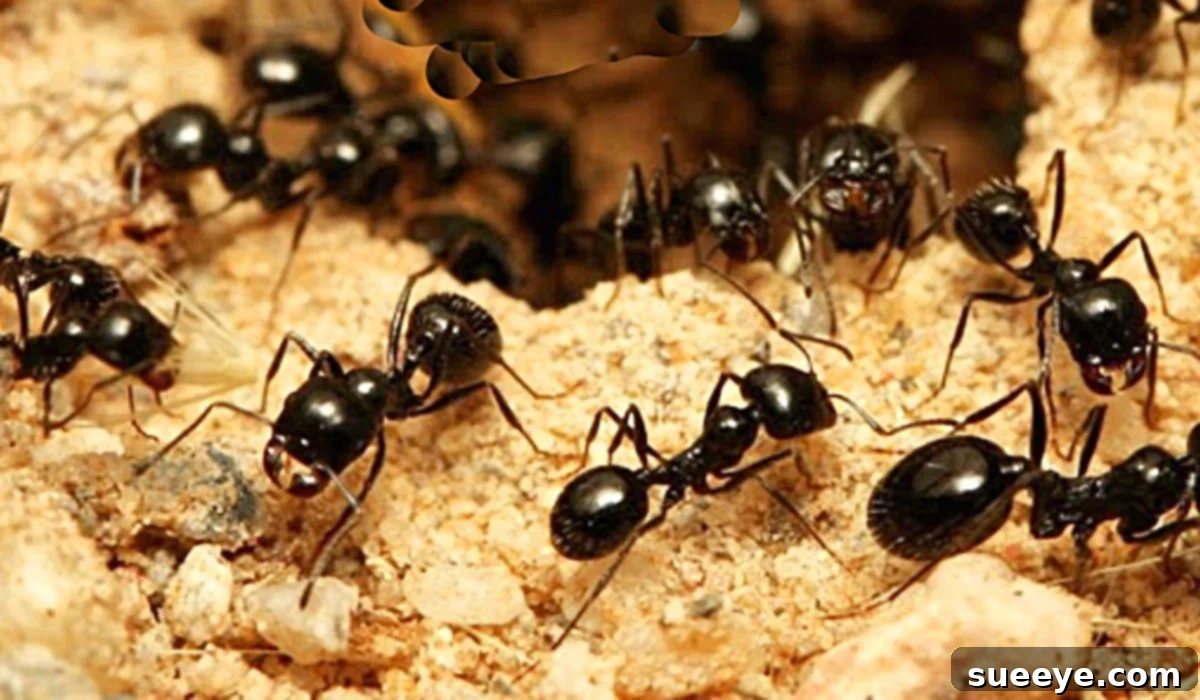
Ants, though small, can quickly become a significant nuisance, transforming peaceful gardens and patios into bustling highways of unwanted guests. Their relentless foraging and ability to establish extensive colonies make them formidable opponents for any homeowner. While chemical solutions offer a quick fix, they often come with concerns for the environment, pets, and human health. This comprehensive guide explores effective, natural, and safe strategies to reclaim your outdoor spaces from these persistent pests, focusing on methods that are both powerful and pet-friendly. Drawing inspiration from practical insights, such as those shared by Smart Fox on YouTube, we delve into common-sense approaches that leverage everyday ingredients to deter, control, and even humanely relocate ant colonies.
Effective Natural Solutions for Outdoor Ant Control: Reclaiming Your Space
The quest to rid your home and garden of ants doesn’t have to involve harsh chemicals. Many natural ingredients, often found right in your pantry, possess remarkable ant-repelling and ant-killing properties. These methods are not only safer for your family and pets but also more environmentally conscious. Understanding how ants operate and what they are attracted to (or repelled by) is the first step in implementing a successful natural control strategy. From disrupting their scent trails to creating irresistible, yet lethal, baits, this guide will equip you with the knowledge to tackle ant infestations using simple, non-toxic approaches.
Why Choose Natural Ant Control? Benefits for Your Home and Environment
Opting for natural ant control methods offers a multitude of advantages over conventional chemical pesticides. Firstly, the primary benefit lies in safety. Chemical sprays and granular baits often contain ingredients that can be harmful if ingested by children or pets, or if they contaminate food preparation surfaces. Natural solutions, derived from common household items or plant extracts, drastically reduce these risks, allowing you to treat your home with peace of mind. Secondly, these methods are environmentally friendly. They break down naturally, leaving no toxic residues in your soil or water systems, protecting local wildlife and beneficial insects. Thirdly, natural ant control often proves to be a more sustainable and cost-effective approach in the long run. By understanding and utilizing the natural deterrents and vulnerabilities of ants, you empower yourself with a continuous and readily available arsenal against future infestations, without relying on expensive, recurring pesticide purchases.
Key Natural Ingredients for Effective Outdoor Ant Control:
Embarking on a natural ant control journey requires a few simple, accessible ingredients. These items are typically found in most homes, making these solutions not only effective but also incredibly convenient.
- Baking Soda and Powdered Sugar: A lethal combination. Powdered sugar acts as an irresistible bait, while baking soda disrupts the ants’ digestive system.
- Coffee Grounds: Used because they are more fragrant, their strong scent disrupts ant pheromone trails, acting as an effective repellent.
- Water: Essential for mixing solutions, cleaning, or directly drowning small colonies.
- Terracotta Pot and Straw: Tools for humane ant relocation, creating a temporary shelter for ants to move into before being transported elsewhere.
- Citrus (Lemon Juice, Orange Peels): Contains d-limonene, a natural insecticide and strong repellent.
- Cinnamon (Powdered or Essential Oil): Its intense aroma acts as a barrier and disrupts ant communication.
- White Vinegar: An excellent all-purpose cleaner and repellent due to its acidity and strong smell.
- Food-Grade Diatomaceous Earth: A natural desiccant that dehydrates and kills ants upon contact.
- Peppermint Oil: A highly effective essential oil whose potent scent repels ants.
Detailed Application Guide: Natural Methods to Combat Outdoor Ants
The Sweet Trap: Harnessing Baking Soda and Powdered Sugar
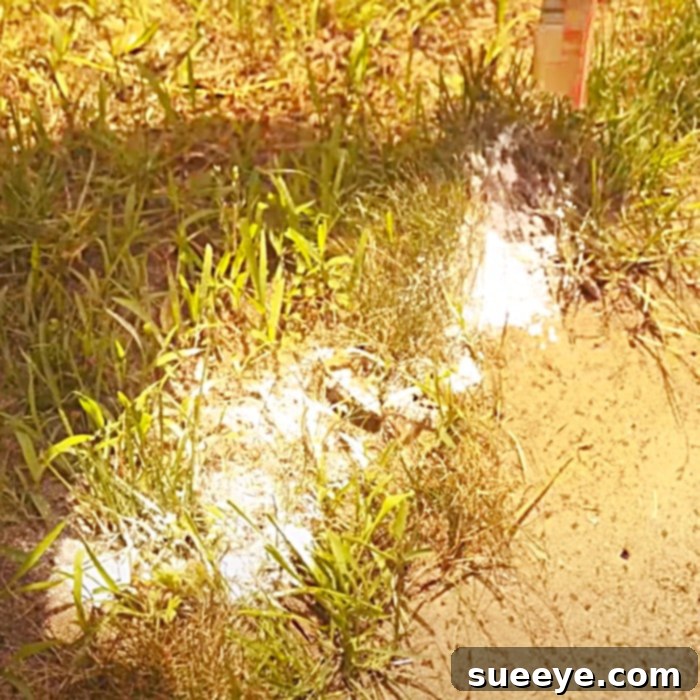
One of the most ingenious and effective natural ant killers involves a simple mixture of baking soda and powdered sugar. Ants are highly attracted to sugar, which they readily carry back to their colony to feed the queen and larvae. The trick here is that they cannot distinguish between the harmless sugar and the baking soda. Once ingested, the baking soda reacts with the ants’ acidic digestive systems, producing carbon dioxide gas that is lethal to them. This method works by targeting the entire colony, as foraging ants will transport the deadly bait back to the nest.
How to prepare and apply: To create this powerful bait, mix equal parts of baking soda and powdered sugar thoroughly. The powdered sugar ensures a fine consistency that ants can easily carry. Sprinkle this mixture generously in areas where you observe ant activity, such as along ant trails, near entry points to your home, and around outdoor nests. Reapply regularly, especially after rain, to maintain effectiveness. This method is particularly effective for disrupting established outdoor colonies and preventing them from relocating indoors.
Disrupting Trails: Leveraging Coffee Grounds for Ant Deterrence
Coffee grounds are another fantastic natural repellent, primarily due to their strong, distinctive aroma. Ants rely heavily on pheromone trails to navigate and communicate within their colony, guiding fellow ants to food sources. The robust scent of coffee grounds effectively masks and disrupts these trails, confusing the ants and making it difficult for them to find their way. Furthermore, coffee grounds contain caffeine, which can be toxic to ants.
How to apply: For best results, use used coffee grounds, as their fragrance is often more potent after brewing. Sprinkle these grounds liberally around ant hills, along known ant paths, and at potential entry points into your home, such as around window sills, doorframes, and patio cracks. The grounds not only act as a deterrent but can also be beneficial for your garden soil as they decompose, adding nitrogen and improving drainage. Reapply periodically, especially after watering or rain, to ensure the scent remains strong enough to keep ants away. This method helps to drive away existing ants and prevents new ones from establishing themselves.
Citrus Power: Orange Peels and Lemon Juice as Natural Repellents
Citrus fruits, particularly oranges and lemons, are a formidable natural weapon against ants. They contain d-limonene, a compound found in the peels that is highly toxic to ants and other insects, causing their nervous systems to malfunction. More importantly for immediate deterrence, the strong, refreshing scent of citrus is incredibly off-putting to ants, compelling them to avoid treated areas.
How to apply: You can utilize citrus in several ways. For a potent repellent spray, mix equal parts lemon juice and water in a spray bottle. Spray this solution directly onto ant trails, around entry points, and wipe down countertops, sinks, and other surfaces where ants are observed. The acidic nature of lemon juice also acts as a natural cleaner. For orange peels, chop them into small pieces and scatter them around plants, near ant nests, or along the perimeter of your home. As the peels decompose, they release d-limonene, creating a long-lasting deterrent. Regular application, especially after cleaning or rain, is key to maintaining a citrus-infused barrier that ants will steer clear of.
The Invisible Wall: Cinnamon for Disrupting Ant Trails
Cinnamon, a spice cherished by humans for its aromatic qualities, is an absolute nightmare for ants. Its strong, pungent scent completely disorients ants, interfering with their ability to follow pheromone trails. This disruption causes them to lose their way and seek alternative routes, ideally away from your property. Additionally, cinnamon can be an irritant to ants, and in powdered form, it can even cause suffocation by clogging their breathing pores.
How to apply: Sprinkle a generous line of powdered cinnamon across any entry points, cracks, or along ant trails you observe. This creates a natural barrier that ants are highly reluctant to cross. For a more intense deterrent, you can also use cinnamon essential oil. Place a few drops on cotton balls and position them in strategic locations where ants might enter, such as window sills or behind appliances. The essential oil provides a concentrated, long-lasting scent. This method is particularly effective for creating immediate, localized barriers, making it impossible for ants to continue their foraging missions into your home.
Vinegar: An All-Purpose Natural Ant Solution
White vinegar is a remarkably versatile and inexpensive household item that doubles as an excellent ant repellent. Its strong acidic scent is highly disruptive to ants’ delicate sense of smell, erasing their pheromone trails and preventing them from communicating effectively. While not a direct killer in the same way as baking soda, it acts as a powerful deterrent that drives ants away from treated areas.
How to prepare and apply: Create an effective ant repellent spray by mixing equal parts white vinegar and water in a spray bottle. You can use this solution to spray directly onto ants to disorient and deter them, or wipe down surfaces such as countertops, floors, and windowsills. For outdoor use, spray along the perimeter of your house, around plant pots, and near any visible ant mounds. The scent of vinegar dissipates relatively quickly for humans but remains strong enough to deter ants for a longer period. Regular reapplication will maintain its effectiveness, keeping your home and garden ant-free and smelling naturally clean.
Diatomaceous Earth: A Physical Barrier and Desiccant
Food-grade diatomaceous earth (DE) is a powerful, natural insect killer derived from fossilized remains of diatoms, a type of algae. Under a microscope, DE particles have sharp, abrasive edges that are harmless to humans and pets, but lethal to ants and other crawling insects. When ants walk over DE, the microscopic particles scratch their exoskeletons, leading to dehydration and eventual death. It also absorbs the waxy outer layer of their bodies, speeding up the desiccation process.
How to apply: Sprinkle a thin, even layer of food-grade diatomaceous earth in areas where you suspect ant activity, such as along foundations, in garden beds, around entry points, and directly onto ant mounds. For indoor use, apply it in cracks, crevices, and under appliances where ants may hide. Ensure the DE remains dry, as its effectiveness significantly diminishes when wet. Reapply after rain or if the area becomes damp. Always use food-grade DE to ensure safety around pets and children, although direct inhalation should still be avoided. DE provides a long-lasting physical barrier that kills ants on contact, making it an excellent preventative and active treatment.
Peppermint Oil: A Potent Aromatic Deterrent
Essential oils are highly concentrated plant extracts known for their potent aromas, and peppermint oil is particularly effective against ants. Like cinnamon and citrus, the intense scent of peppermint oil overwhelms ants’ sensory systems, disrupting their pheromone trails and making it impossible for them to navigate or locate food sources. Ants generally find the smell highly unpleasant and will avoid areas treated with it.
How to apply: To create a peppermint ant repellent, add 10-20 drops of peppermint essential oil to a spray bottle filled with water (about 8-10 ounces). Shake well before each use. Spray this solution directly onto ant trails, around windows, doorways, and any other entry points. You can also soak cotton balls with undiluted peppermint oil and place them in strategic locations like inside cabinets, under sinks, or near outdoor ant activity. Replace the cotton balls every few days as the scent fades. Peppermint oil offers a pleasant aroma for humans while creating an impenetrable aromatic barrier for ants, making it a safe and fragrant solution for keeping them at bay.
Humane Relocation: The Terracotta Pot Method
For those who prefer a non-lethal and humane approach to ant control, particularly for larger outdoor colonies, the terracotta pot method is an excellent solution. This technique encourages ants to relocate into a temporary shelter, from which they can then be safely moved away from your property without harm.
How to prepare and apply: Begin by filling a terracotta pot with some straw or a handful of dried leaves and grass. This creates an attractive, cozy environment for the ants to nest in. Identify an active ant mound or a large gathering of ants in your garden. Place the terracotta pot upside down directly over the ant hill. The ants, seeking shelter and finding the dark, protected space inviting, will gradually move their colony, including the queen and eggs, into the pot over the course of a few days. Periodically check under the pot to observe their progress. Once you notice significant activity within the pot, carefully slide a shovel or a piece of cardboard under the pot to capture the entire colony. Then, transport the pot a considerable distance away from your home – ideally to a wooded area or an undeveloped field – and gently tip the pot to release the ants. This method allows you to effectively remove an ant colony without resorting to harmful chemicals or killing the insects.
Preventative Measures: Keeping Ants Away for Good
While the natural remedies outlined above are highly effective for treating existing ant problems, the best strategy is always prevention. By implementing a few simple habits, you can significantly reduce the likelihood of future ant infestations and maintain an ant-free environment.
- Seal Entry Points: Thoroughly inspect your home’s exterior for any cracks, crevices, or gaps in foundations, walls, window frames, and doorframes. Seal these openings with caulk, weatherstripping, or sealant to block potential entry points for ants.
- Maintain Cleanliness: Ants are constantly searching for food and water. Wipe down kitchen counters, tables, and floors regularly to remove food crumbs, spills, and sticky residues. Ensure dishes are washed promptly and pet food bowls are cleaned daily.
- Store Food Properly: Keep all food, especially sugary items, cereals, and pet food, in airtight containers. This eliminates accessible food sources and prevents ants from detecting them.
- Manage Moisture: Ants are attracted to moisture. Fix any leaky faucets, pipes, or drainage issues around your home and garden. Ensure good ventilation in bathrooms and basements to reduce humidity.
- Trim Vegetation: Keep trees, shrubs, and other vegetation trimmed away from the exterior walls of your house. Branches and leaves can act as bridges for ants to access your home.
- Outdoor Sanitation: Regularly clean outdoor eating areas, clear fallen fruit from trees, and ensure trash cans are tightly sealed and emptied frequently.
Conclusion: Embrace Natural Ant Control for a Healthier Home and Garden
Dealing with ants doesn’t have to be a frustrating and chemically intensive battle. By understanding the natural deterrents and vulnerabilities of these common pests, you can effectively manage and prevent infestations using safe, environmentally friendly, and cost-effective methods. From the sweet, deceptive lure of baking soda and sugar to the potent aromatic barriers of coffee, citrus, cinnamon, and peppermint, nature provides a diverse arsenal for ant control. Combining these treatment strategies with diligent preventative measures will create an inhospitable environment for ants, ensuring your home and outdoor spaces remain peaceful and pest-free. Embrace these natural solutions and enjoy a healthier, safer living environment for everyone.