
Transforming a kitchen with a reclaimed wood backsplash is a design choice that speaks volumes. This distinctive approach to home decor is increasingly captivating homeowners and designers alike, offering an unparalleled blend of rustic charm, unique texture, and profound character. Far beyond a simple functional element, a reclaimed wood backsplash becomes a focal point, imbuing any kitchen space with an inviting warmth and an authentic story that no other material can quite replicate. It’s an aesthetic that effortlessly marries the timeless appeal of weathered wood with contemporary design sensibilities, making it a perfect fit for a variety of styles, from modern farmhouse to industrial chic or a serene beach house theme.
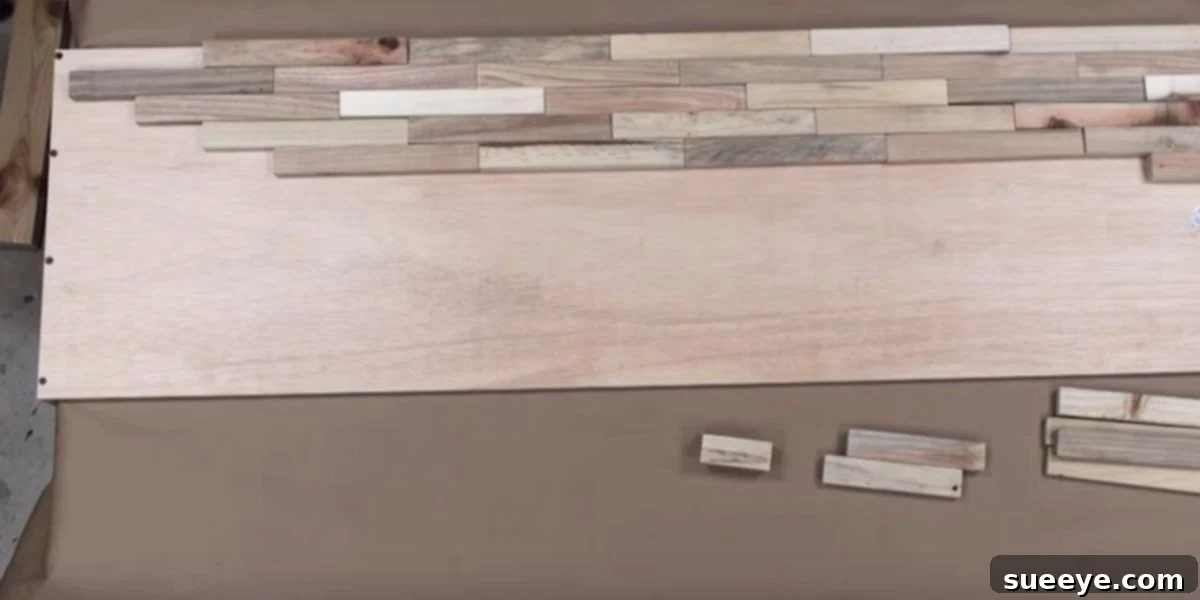
The visual impact of such a backsplash often stems from the ingenious interplay of contrasting elements. Imagine a meticulously arranged mosaic of different wood pieces, where lighter tones meet darker grains, and varying sizes are artfully stacked. This dynamic arrangement creates a captivating depth and visual interest that standard flat surfaces cannot achieve. The inherent imperfections and unique patinas of salvaged wood, whether from old pallets, barn siding, or forgotten fence posts, contribute to an organic beauty that is impossible to mass-produce. Each piece carries its own history, subtly telling tales of its previous life, and together they form a stunning, cohesive artwork that celebrates sustainability and craftsmanship.
Embracing the Rustic Charm: Why Choose Reclaimed Wood?
Opting for a reclaimed wood backsplash is more than a design trend; it’s a commitment to sustainability and individuality. In an era where eco-conscious choices are paramount, repurposing wood reduces landfill waste and lessens the demand for new timber, thereby protecting our forests. Beyond its environmental benefits, reclaimed wood offers an aesthetic depth that virgin materials simply lack. The natural weathering process, the subtle cracks, nail holes, and color variations acquired over years, give each plank a unique texture and character that tells a story. This authentic distressed look brings an unparalleled warmth and a sense of history into the heart of your home, creating a space that feels both grounded and deeply personal.
DIY Installation: Crafting Your Own Masterpiece
One of the most appealing aspects of a reclaimed wood backsplash project is the potential for DIY. The installation process, while requiring careful attention, is accessible to most enthusiastic homeowners. The tutorial we’re referring to highlights a clever approach: using hot glue for adhesion, with the creator attesting to its surprising strength and durability. While hot glue can be effective for smaller, lighter pieces, other methods like construction adhesive or a nail gun are also popular, especially for larger or heavier wood sections. For those aiming to amplify the vintage appeal, reusing old, rusty nails with a nail gun can add an authentic industrial or farmhouse touch, further enhancing the wood’s aged character.
Before you begin installation, proper preparation is key. This includes thoroughly cleaning the wood, sanding any rough edges, and carefully planning your layout. Consider creating a pattern by mixing different wood species, varying the plank widths, or stacking pieces unevenly for a truly dynamic visual. Measure your space meticulously and cut your wood pieces to fit, ensuring a snug and professional finish. When applying adhesive or nails, work in small sections, ensuring each piece is level and securely attached. The beauty of this project lies in its forgiving nature; slight imperfections often add to its unique charm, embodying the very essence of reclaimed materials.
Maintenance and Durability: Addressing Common Concerns
A frequent concern with wood backsplashes, particularly in a high-traffic area like the kitchen, revolves around cleaning and durability. The prospect of grease splatters from a deep fry might seem daunting. However, these concerns are easily mitigated with proper treatment and care. While some prefer the raw, weathered look of untreated wood, applying a protective sealant like Varathane or a marine-grade varnish is highly recommended for kitchen environments. These sealants create a barrier against moisture, grease, and stains, making the surface much easier to clean. For everyday spills, a simple wipe with a damp, soapy rag is usually sufficient. For tougher grime, a gentle wood cleaner designed for sealed surfaces can be used without damaging the finish. The key is to address spills promptly and to reapply sealant periodically, perhaps every few years, to maintain optimal protection and preserve the wood’s beauty.
Navigating Pallet Wood Safety: Informed Choices for Your Home
The use of pallet wood, while incredibly cost-effective and environmentally friendly, often sparks considerable debate regarding its safety. The primary concern lies in whether pallets have been heat-treated (HT) or chemically treated (MB – Methyl Bromide) to prevent pest infestations during shipping. Chemically treated pallets, identifiable by the “MB” stamp, are generally considered unsafe for indoor use, particularly in areas where food is prepared. Heat-treated pallets, marked “HT,” are a safer choice as they are not infused with harmful chemicals. However, even HT pallets should be thoroughly cleaned and sanitized before use, as they may have been exposed to various contaminants during their service life. Soaking the wood in an ammonia-based cleanser and scrubbing it vigorously, as the original piece suggests, is a practical step towards peace of mind.
It’s important to approach information on pallet wood safety critically. Some warnings online may originate from plastic pallet manufacturers, potentially introducing bias. Personal comfort levels play a significant role in deciding to use reclaimed pallet wood. For many, the benefits of recycling and the unique aesthetic outweigh the perceived risks, especially when proper precautions are taken, and the wood is not used for direct food contact. Our choice to use pallet wood was a conscious one, acknowledging the minimal risks involved when handled correctly and enjoyed in a home without small children who might interact with it directly. We embrace the philosophy of “trash to treasure,” finding immense satisfaction in giving discarded materials a new life.
Alternatives to Pallet Wood: Achieving the Rustic Look
For those who love the rustic, weathered aesthetic of a reclaimed wood backsplash but remain uncomfortable with using pallet wood, several excellent alternatives can achieve a similar stunning effect. One straightforward option is to purchase new wood and distress it yourself. Techniques like sanding, wire brushing, applying various stains, or even gently denting the surface can mimic the aged look of reclaimed timber. This allows for complete control over the wood type, finish, and safety. Another superb alternative is slate or other natural stone tiles. Many readers initially mistook the original wood backsplash for slate, a testament to the similar rustic and earthy appeal these materials share. Slate, with its natural variations in color and texture, offers a durable, waterproof, and inherently safe option that perfectly captures that coveted organic, time-worn feel. While these alternatives will involve a greater financial investment than free pallet wood, they offer peace of mind and enduring beauty.
Beyond the Backsplash: The Enduring Appeal of Reclaimed Materials
The allure of reclaimed wood extends far beyond kitchen backsplashes. Its versatility makes it suitable for accent walls, furniture, shelving, and even flooring, bringing character and warmth to every corner of a home. Each piece tells a unique story, whether it’s wood salvaged from an old barn, a forgotten factory, or a deconstructed building. This rich history, combined with its sustainable nature, makes reclaimed wood a powerful element in contemporary design. It allows homeowners to create spaces that are not only beautiful but also environmentally responsible and deeply personal. The dramatic feature a reclaimed wood backsplash adds to a room is just one example of how these salvaged materials can elevate a simple space into an extraordinary one. We encourage you to explore the vast possibilities and discover how this fabulous project, or any similar endeavor with reclaimed materials, can transform your living environment.