
Conquer Every Stain: Your Ultimate Guide to Natural, Eco-Friendly Cleaning
Summer brings joy: the sizzle of barbecues, the fresh scent of cut grass, the refreshing chill of iced coffee, and the joyous sounds of children’s baseball games. These cherished moments create unforgettable memories, but often leave behind an equally unforgettable trail of laundry challenges. A simple picnic in the park can transform your favorite sundress into a canvas proudly displaying grass stains, dirt smudges, and an array of condiment casualties. And let’s not forget the persistent problem of sweat stains.
Before you resign yourself to harsh chemicals or expensive commercial cleaners, imagine a powerful, all-natural solution that can tackle these everyday disasters with ease. This comprehensive guide will introduce you to an incredibly effective, budget-friendly, and eco-conscious natural stain remover that will revolutionize your laundry routine and household cleaning.
The Persistent Problem of Everyday Stains
Stains are an inevitable part of life, but understanding their nature can help in their defeat. From the innocent joy of a child playing outdoors to the unfortunate accident of a beloved pet, various culprits conspire to mar our clothes and homes. Identifying the source is the first step towards an effective remedy.
Unmasking Common Summer Stains
- Grass Stains: The chlorophyll in grass can be notoriously difficult to remove, leaving vibrant green streaks on clothing. These stains often require specific treatment to break down the plant pigments.
- BBQ & Picnic Spills: Ketchup, mustard, BBQ sauce, and salad dressings are common offenders. Their vibrant colors and oily bases can set quickly, making immediate action crucial.
- Sweat Stains: The yellowish discoloration and accompanying odor on underarms and collars are caused by a combination of sweat, body oils, and antiperspirant ingredients. These can become permanent if not treated properly.
- Dirt and Mud: Whether from gardening or an impromptu mud wrestling match, dirt and mud stains often embed themselves deep within fabric fibers, demanding thorough cleaning.
Beyond the Laundry Basket: Household Stains
While summer adventures are a prime source of garment woes, stains are not limited to clothing. Carpets, upholstery, and even mattresses frequently fall victim to spills and accidents, requiring targeted solutions that go beyond a standard wash cycle.
Why Choose a Natural Stain Remover?
In an age where health and environmental consciousness are paramount, opting for natural cleaning solutions offers numerous advantages:
- Eco-Friendly: Reduce your carbon footprint by avoiding harsh chemicals that can pollute waterways and harm ecosystems.
- Safe for Family & Pets: Protect your loved ones from exposure to toxic fumes and irritating residues often found in commercial cleaning products.
- Cost-Effective: Many natural stain removers can be concocted from common household ingredients, saving you significant money compared to specialized cleaners.
- Gentle on Fabrics & Surfaces: Natural ingredients are often less abrasive, helping to preserve the integrity and longevity of your clothes, carpets, and upholstery.
- Peace of Mind: Enjoy a clean home without worrying about the unseen impact of synthetic chemicals.
Introducing Your Go-To Natural Stain Remover Recipe
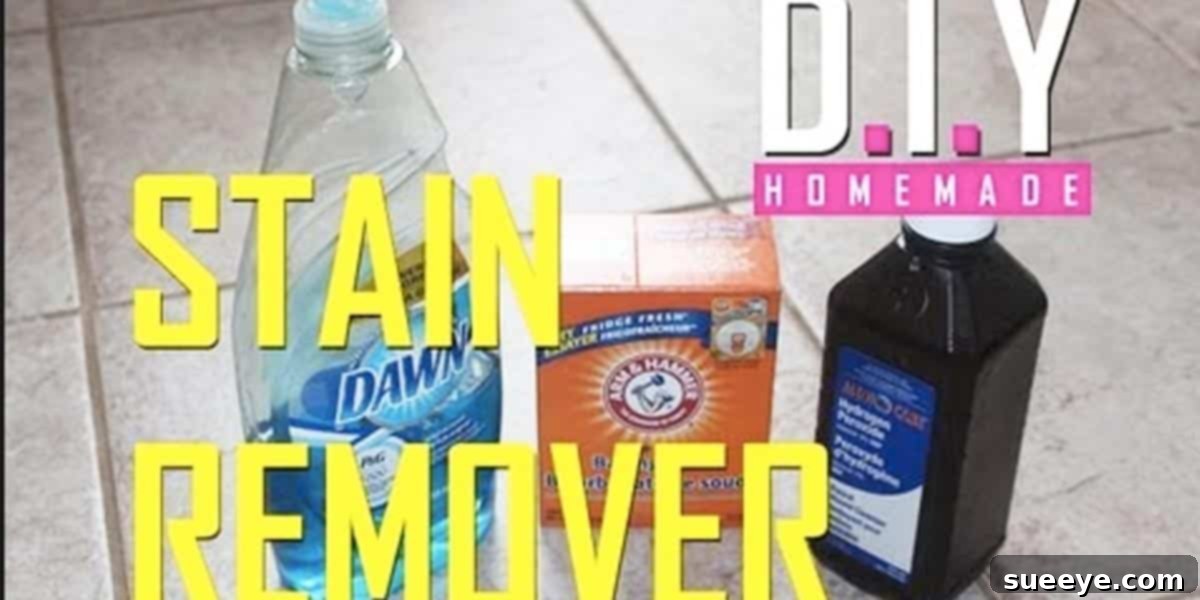
This powerful, multi-purpose stain remover is incredibly effective and uses ingredients you likely already have on hand. It’s the “no-fail” solution mentioned earlier, ready to tackle a vast array of stains on various surfaces.
The All-Star Ingredients:
- Hydrogen Peroxide (3% solution): A natural bleaching agent and disinfectant that breaks down organic matter.
- Baking Soda: An abrasive yet gentle cleaner, excellent for absorbing odors and lifting stains.
- Liquid Dish Soap (or Castile Soap): Helps to cut through grease and oils, allowing the other ingredients to penetrate effectively.
- A small bowl or spray bottle
- An old toothbrush or soft brush
- Clean cloths or paper towels
Step-by-Step Recipe & Application:
- Prepare the Mixture: In a small bowl, combine equal parts hydrogen peroxide and baking soda to form a thick paste. For example, 2 tablespoons of hydrogen peroxide with 2 tablespoons of baking soda. Add a squirt (about 1 teaspoon) of liquid dish soap. Mix well until a smooth paste forms. If using a spray bottle for liquid application (e.g., for carpets), you might use 1 cup hydrogen peroxide, 1/2 cup baking soda, and a tablespoon of soap, shake well.
- Test First: Always apply a tiny amount of the mixture to an inconspicuous area of the item or surface to ensure no discoloration or damage occurs.
- Apply to Stain: For clothing, apply the paste directly onto the stain, ensuring it’s fully covered. For carpets or upholstery, you can dab the paste or spray the liquid mixture onto the stained area.
- Gently Scrub: Using an old toothbrush or a soft brush, gently work the paste into the stained fibers. For delicate fabrics, simply blot.
- Let it Sit: Allow the mixture to sit on the stain for at least 30 minutes, or longer for tougher, older stains (up to a few hours). The baking soda will absorb the stain and odor, while the hydrogen peroxide works to break it down.
- Rinse or Blot: For clothing, rinse the item thoroughly under cold water. For carpets and upholstery, blot the area with a clean, damp cloth, pressing firmly to lift the residue. Repeat blotting with fresh damp cloths until no more residue comes up.
- Launder (for clothes): Wash the clothing item as usual according to its care instructions.
- Dry Thoroughly: Ensure the item or surface is completely dry. For carpets and mattresses, good air circulation is key to prevent mildew.
Versatility: Beyond Just Clothes – Conquering Stains Everywhere
This natural stain remover isn’t just for your summer sundress; its power extends to various surfaces around your home, offering a cost-effective alternative to specialized commercial products.
Carpet Catastrophes: Tackling Spills and Grime
Carpets are magnets for spills, especially in high-traffic areas or homes with pets and children. From spilled juice to tracked-in mud, this natural solution can restore your carpet’s pristine condition.
Application on Carpets:
- Blot, Don’t Rub: As soon as a spill occurs, immediately blot up as much of the liquid as possible with a clean, dry cloth. Rubbing can spread the stain and push it deeper into the fibers.
- Apply the Solution: If using the paste, apply it directly to the stain. If you prefer a liquid spray (diluted slightly more with water for easier spraying), mist the area.
- Brush and Dwell: Gently work the solution into the carpet fibers with a soft brush. Let it sit for 30 minutes to an hour.
- Blot Clean: Use a clean, damp cloth to blot the treated area, working from the outside of the stain inwards. Rinse your cloth frequently or use fresh ones.
- Dry: Allow the carpet to air dry completely. You can speed up the process with a fan or by opening windows.
The Ultimate Solution for Pet Urine Stains and Odors
Pet accidents are a common challenge for pet owners. The lingering odor of pet urine can be particularly difficult to eliminate, often requiring expensive, specialized cleaners. Our natural remedy stands as an incredibly effective and affordable alternative.
The combination of hydrogen peroxide, baking soda, and dish soap works synergistically to break down the uric acid crystals in pet urine, which are responsible for the stubborn odor, while simultaneously lifting the stain. The baking soda is particularly adept at absorbing and neutralizing odors.
Effectiveness Compared to Commercial Cleaners: Many commercial pet stain and odor removers rely on enzymes. While effective, they can be costly and quickly depleted. Our DIY solution offers a comparable level of effectiveness at a fraction of the price, making it a sustainable choice for frequent pet accidents. You’ll be amazed at how quickly you can go through commercial products, but this homemade recipe is a game-changer for your wallet and your home’s freshness.
Mattress Miracles: Eradicating Urine Stains and Odors
Whether you have a mischievous pet or a toddler in the midst of potty training, chances are you’ve encountered the challenge of a urine stain on a mattress. Getting these stains off, and particularly getting the accompanying smell out, can seem like a monumental task. However, there is a truly effective and incredibly inexpensive method for removing urine from mattresses, restoring hygiene and freshness to your sleeping sanctuary.
Addressing Mattress Accidents Step-by-Step:
- Act Immediately: The quicker you address a fresh urine stain, the better your chances of complete removal.
- Blot Excess Liquid: Use clean towels or paper towels to press firmly on the wet area, absorbing as much urine as possible. Do not rub, as this can push the liquid deeper into the mattress.
- Apply Baking Soda: Generously sprinkle a thick layer of plain baking soda over the entire stained area. Baking soda is a fantastic natural deodorizer and moisture absorber. Let it sit for at least 8-10 hours, or even overnight.
- Vacuum: After the baking soda has had ample time to work, thoroughly vacuum it up. You’ll notice a significant improvement in odor already.
- Apply the Natural Stain Remover Mixture: Prepare our hydrogen peroxide, baking soda, and dish soap paste. Apply a moderate layer of this paste directly onto the remaining stain. Gently work it into the fabric with a soft brush or cloth.
- Let it Work: Allow the paste to sit on the mattress for 1-2 hours.
- Dab and Blot: Using a clean, damp (not soaking wet) cloth, gently dab and blot the treated area to remove the paste and stain residue. Keep rinsing your cloth and repeating the process until the stain is gone and no paste remains.
- Ensure Thorough Drying: This is critical for mattress cleaning to prevent mildew and mold. Open windows, use a fan, or even a hairdryer on a cool setting to ensure the treated area is completely dry before putting sheets back on.
This meticulous process not only removes the visual stain but also effectively neutralizes the strong odors associated with urine, leaving your mattress fresh and clean.
The Powerhouse Ingredient: Hydrogen Peroxide
Hydrogen peroxide, specifically the common 3% solution found in most drugstores, is a true workhorse in the realm of natural cleaning. It’s a mild antiseptic, disinfectant, and a surprisingly effective stain remover, especially for organic stains.
Targeting Tough Blood Stains: Old and New
Incidentally, hydrogen peroxide is an excellent blood stain remover. Its effervescent action helps to lift and break down blood proteins, making it incredibly effective even on old, set-in blood stains that seem impossible to remove.
How it Works: When hydrogen peroxide comes into contact with blood, it reacts with the catalase enzyme present in blood. This reaction produces oxygen bubbles, which effectively lift the blood away from the fabric fibers, making it easier to rinse away.
Application for Blood Stains:
- For Fresh Blood: Immediately rinse the stain with cold water. Avoid hot water, as it can set blood stains.
- Apply Hydrogen Peroxide: Pour or dab 3% hydrogen peroxide directly onto the blood stain. You’ll likely see it fizz.
- Let it Fizz: Allow it to sit for a few minutes while it fizzes and works its magic.
- Blot and Rinse: Blot the area with a clean cloth to absorb the treated blood, then rinse thoroughly with cold water.
- For Old Blood Stains: Apply hydrogen peroxide and let it soak for 15-30 minutes. You may need to repeat the application and blotting process several times for very old or stubborn stains.
- Launder: Once the stain is gone or significantly faded, wash the item as usual.
Always remember to test hydrogen peroxide on an inconspicuous area first, especially on colored fabrics, as it can have a mild bleaching effect. However, for most white or light-colored fabrics, it’s a safe and highly effective solution.
General Stain Removal Tips & Best Practices
While our natural stain remover is incredibly potent, following these universal stain removal tips can further enhance your success rate and protect your belongings:
- Act Fast: The sooner you treat a stain, the easier it will be to remove. Fresh stains haven’t had time to bond deeply with fibers.
- Test in an Inconspicuous Area: Always test any new cleaning solution on a hidden part of the item or surface (e.g., inside a seam, under a cushion) to ensure it doesn’t cause discoloration or damage.
- Blot, Don’t Rub: Rubbing a stain can push it deeper into the fabric and spread it further. Instead, gently blot the stain, working from the outside in to prevent spreading.
- Rinse Thoroughly: After treatment, ensure you rinse out all residues of the cleaning solution. Leftover product can attract dirt or leave marks.
- Check Care Labels: Always refer to the item’s care label for specific washing or cleaning instructions, especially for delicate fabrics.
- Avoid Heat Until Gone: Do not put a stained item in the dryer or apply heat until you are absolutely certain the stain is gone. Heat can permanently set stains.
A Clean Home, Naturally: Embrace the Power of DIY Cleaning
Embracing natural, DIY stain removal and cleaning solutions not only provides an effective way to maintain a spotless home but also contributes to a healthier environment for you, your family, and your pets. By utilizing simple, common household ingredients like hydrogen peroxide, baking soda, and dish soap, you empower yourself with the ability to tackle virtually any mess without resorting to harsh chemicals or breaking the bank.
From the grass stains on your children’s play clothes to the inevitable pet accidents on your carpet and mattresses, you now possess the knowledge and the recipe to confront these challenges head-on. Enjoy your summer activities and daily life to the fullest, knowing that you have a powerful, eco-friendly secret weapon against every stain.