
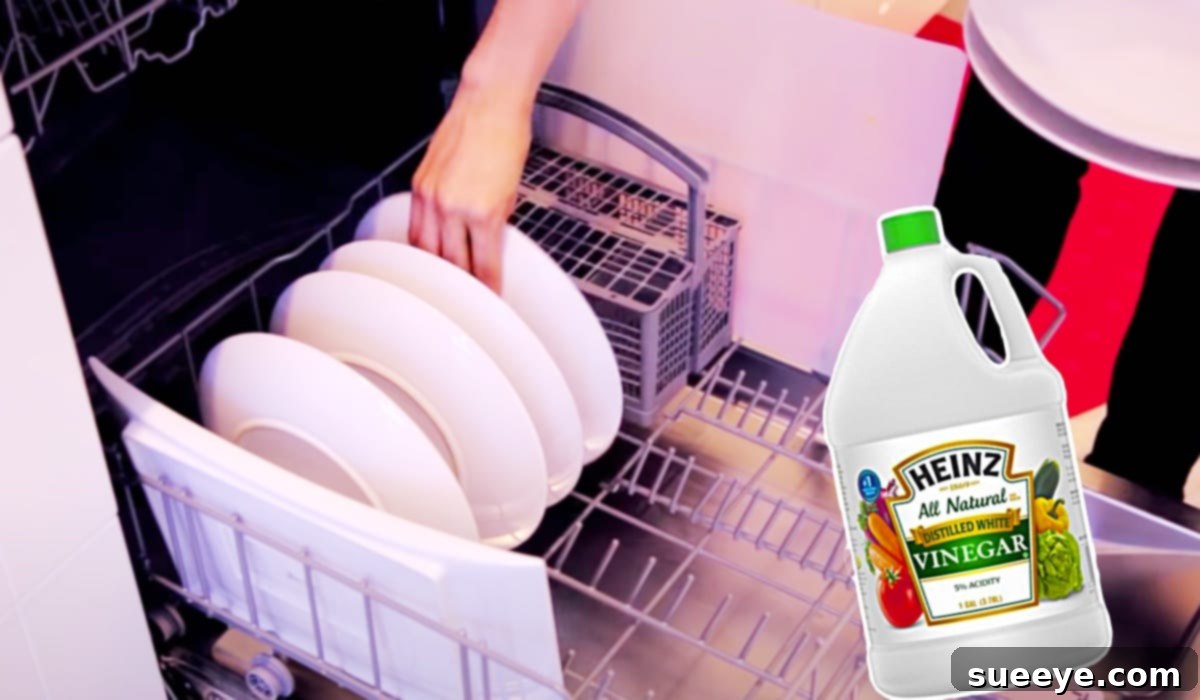
Dishwashers are undeniably one of the most transformative inventions for modern households, saving countless hours and ensuring a superior clean for your kitchenware. However, to truly harness their full potential and achieve consistently sparkling results, proper loading and maintenance are absolutely critical. Many common dishwashing frustrations—from stubbornly dirty dishes to glassware marred by spots and streaks—can be attributed to less-than-optimal loading techniques. This comprehensive guide aims to demystify the art of efficient dishwashing, transforming your routine from a chore into a seamless, satisfying process. We’ll delve into the science of detergent and rinse aid, the magic of white vinegar, and step-by-step instructions for arranging every item in your dishwasher for maximum capacity and unparalleled cleanliness. Inspired by valuable insights, including those from experts like Clean My Space on YouTube, we’re here to clear up all your questions and dilemmas, ensuring you get the best possible outcome every single time you run your machine.
The Fundamentals: Why Proper Dishwasher Loading Is Crucial
Understanding the ‘why’ behind proper loading is the first step to mastering your dishwasher. It’s not just about fitting as many items as possible; it’s about facilitating effective water circulation, detergent distribution, and drainage. When dishes are overloaded or incorrectly positioned, water jets can be obstructed, preventing detergent from reaching soiled surfaces and leading to an uneven, unsatisfactory wash. Moreover, improper loading can cause dishes to chip, glasses to scratch, and plastics to warp, ultimately shortening the lifespan of your dinnerware and your appliance. By following a few key principles, you can significantly enhance your dishwasher’s performance, save water and energy, and enjoy consistently clean dishes.
Essential Materials For A Successful Dishwashing Experience:
Beyond simply loading your dishes, the products you use play a pivotal role in achieving truly clean and spot-free results. A combination of a high-quality detergent, an effective rinse aid, and a surprising natural ingredient can elevate your dishwashing game. Here’s what you’ll need:
- High-Quality Dish Detergent (e.g., Cascade or similar): The foundation of any successful wash is a powerful detergent. Modern dishwasher detergents are formulated with enzymes that break down food particles, grease, and stains. While many brands offer excellent performance, investing in a reputable, effective detergent ensures thorough cleaning, even on dried-on messes. Powder, gel, and pod forms each have their advantages; choose what works best for your machine and water type.
- Finish Rinse Aid (or similar quality rinse aid): Rinse aid is often overlooked, but it’s crucial for achieving gleaming, spot-free dishes, especially in areas with hard water. It works by reducing the surface tension of water, allowing it to sheet off dishes more effectively, which prevents water spots, streaks, and aids in faster drying. Without it, water droplets can cling to surfaces, leaving behind mineral deposits when they evaporate.
- White Vinegar: Your Secret Weapon: If white vinegar isn’t a staple in your cleaning arsenal, you’re missing out on a versatile and incredibly effective natural cleaner. For dishwashers, it acts as a powerful enhancer, combating hard water stains, neutralizing odors, and boosting the overall shine of your dishes and glassware. It can even enhance the performance of other cleaners, making it perfectly safe and beneficial to use alongside your regular detergent and rinse aid. From laundry to general household cleaning, there’s virtually nothing in your home that vinegar can’t help clean or improve.
The Pre-Rinse Dilemma: To Rinse or Not to Rinse?
One of the most debated topics in dishwashing is whether or not to pre-rinse dishes before loading them. For many years, it was standard practice to thoroughly rinse dishes, sometimes even washing them by hand, before placing them in the dishwasher. However, modern dishwashers and detergents are designed to handle food particles. In fact, many detergents contain enzymes that are activated by food debris, meaning too much pre-rinsing can actually make your detergent less effective. The general consensus now is to simply scrape off large food scraps (bones, excess sauce, large crumbs) into the trash, but leave smaller bits for the dishwasher to handle. This approach conserves water, saves time, and allows your detergent to work as intended. Only heavily encrusted or burnt-on food might require a quick soak or scrub.
Mastering the Art of Loading Your Dishwasher for Optimal Results:
The true magic of an efficient dishwasher lies in its loading. Every item has its place, ensuring it gets thoroughly cleaned without obstructing other dishes or the spray arms. Here’s a detailed guide to loading your dishwasher like a pro:
1. Loading Plates, Dinnerware, and Bowls on the Bottom Rack:
The bottom rack is designed for your heavier, dirtier items like dinner plates, serving platters, and large bowls.
- Plates: Load plates facing the center of the dishwasher or towards the primary spray arm. This ensures that the water jets hit the dirtiest surfaces directly. Alternate larger plates with smaller plates to allow for better water circulation and prevent nesting, where one plate blocks water from reaching another. Avoid overcrowding; leave enough space between items for water and detergent to penetrate.
- Bowls: Place bowls on the bottom rack facing downwards or tilted at an angle. This prevents them from collecting water and ensures their inner surfaces are thoroughly cleaned and drained. Like plates, ensure they don’t block the spray arms or overlap excessively.
2. Arranging Glasses, Cups, and Mugs on the Top Rack:
The top rack is generally reserved for lighter, more delicate items that don’t require the intense force of the bottom spray arm.
- Glasses and Mugs: Always place glasses, cups, and mugs upside down to ensure they get cleaned inside and drain properly. Position them between the tines, not on top of them, to ensure stability during the wash cycle. Avoid letting them touch each other, as this can lead to chipping or scratching.
- Small Bowls and Plastics: Small bowls, plastic containers (ensure they are dishwasher safe), and other lighter items should also be placed on the top rack, inverted or angled to prevent water collection. Plastics, in particular, should always go on the top rack to avoid the high heat of the heating element at the bottom, which can cause warping or melting.
3. Organizing Cutlery and Utensils:
The cutlery basket requires a strategic approach to prevent nesting and ensure every piece gets clean.
- Forks and Spoons: Place forks and spoons with their handles pointing down. This allows the eating end to be exposed to the water jets for a thorough clean.
- Knives: For safety, load knives with the handles pointing up. This minimizes the risk of cuts when unloading.
- Mixing It Up: Don’t place all similar utensils together. Mix forks, spoons, and knives in different sections of the basket to prevent them from nesting together, which would block water from reaching their surfaces.
- Larger Utensils: Serving spoons, spatulas, and other large cooking utensils can often be laid flat on the top rack, ensuring they don’t block the spray arms or fall through to the bottom.
4. Loading Pots, Pans, and Bakeware:
If your pots and pans are dishwasher safe, place them on the bottom rack, ensuring they don’t block the spray arms from reaching other dishes. Arrange them so their soiled surfaces face the water jets. Heavily soiled items might require more space or a dedicated spot to ensure thorough cleaning. Avoid overloading this section, as large items can easily obstruct water flow.
The White Vinegar Boost for an Impeccable Rinse and Shine:
Here’s where white vinegar truly shines as your dishwasher’s best friend. This simple trick, often highlighted by cleaning experts, guarantees a spotless, streak-free finish, especially beneficial for glassware and in areas with hard water.
The Method:
- Take a small, dishwasher-safe bowl or ramekin.
- Fill it with about 1/4 cup of white vinegar.
- Place this bowl face up in your top rack, ensuring it’s stable and won’t tip over during the wash cycle.
- Run your dishwasher as usual with your regular detergent and rinse aid.
As the dishwasher goes through its cycles, the vinegar will be gradually released, acting as a natural rinse aid and softening agent. This not only helps to eliminate water spots and streaks from your dishes and glassware but also combats soap scum buildup inside the dishwasher itself, leaving your appliance fresher and cleaner. It’s a simple, inexpensive way to achieve professional-level results and keep your dishwasher performing at its peak.
Optimizing Your Detergent and Rinse Aid Dispensers:
Correctly using your dishwasher’s dispensers is key to a flawless wash.
- Detergent Dispenser: Always fill your detergent dispenser just before starting a cycle. Do not overfill it, as this can lead to excessive suds and a less effective wash. If you’re using detergent pods, simply place one in the main detergent compartment.
- Rinse Aid Dispenser: Keep your rinse aid dispenser filled. Most dishwashers have an indicator light that signals when it needs refilling. Check it regularly, especially if you notice water spots returning. The rinse aid is released during the final rinse cycle to ensure optimal drying and a streak-free finish.
Selecting the Right Wash Cycle:
Your dishwasher offers a variety of cycles, each designed for different levels of soil and types of dishes.
- Normal Wash: Ideal for daily loads with average soil.
- Heavy Wash/Pots & Pans: Use for heavily soiled dishes, pots, and bakeware with baked-on food.
- Light Wash/Quick Wash: Suitable for lightly soiled dishes or when you need items cleaned quickly.
- Sanitize Cycle: Uses higher water temperatures to kill bacteria, perfect for baby bottles or when extra hygiene is required.
- Economy/Eco Wash: Designed to save energy and water, often with longer wash times and lower temperatures.
Choosing the appropriate cycle ensures effective cleaning without wasting resources or potentially damaging delicate items.
Dishwasher Maintenance for Longevity and Performance:
Beyond loading, a well-maintained dishwasher performs better and lasts longer.
- Clean the Filter: Most modern dishwashers have a removable filter at the bottom. Check and clean it regularly (once a month or more, depending on use) to prevent food particles from recirculating and causing odors or poor cleaning.
- Wipe Down Seals: Food residue and mildew can accumulate around the door gasket. Wipe it down periodically with a damp cloth to prevent odors and ensure a tight seal.
- Deep Clean Your Dishwasher: Every few months, run an empty cycle with a dishwasher cleaner or a cup of white vinegar placed in the top rack to remove mineral buildup, grease, and odors from the interior of the appliance.
How To Load a Dishwasher So It Holds As Much As Possible
Mastering the art of dishwasher loading is a game-changer for any household. By adopting these strategies—from choosing the right products to meticulously arranging your dishes and incorporating the powerful white vinegar trick—you’ll not only achieve impeccably clean, sparkling dishes every time but also optimize your appliance’s efficiency and extend its lifespan. Say goodbye to frustrating spots, streaks, and lingering food particles, and hello to a seamless, satisfying dishwashing experience. Embrace these tips, and watch your dishwasher become the truly indispensable kitchen ally it was always meant to be!