
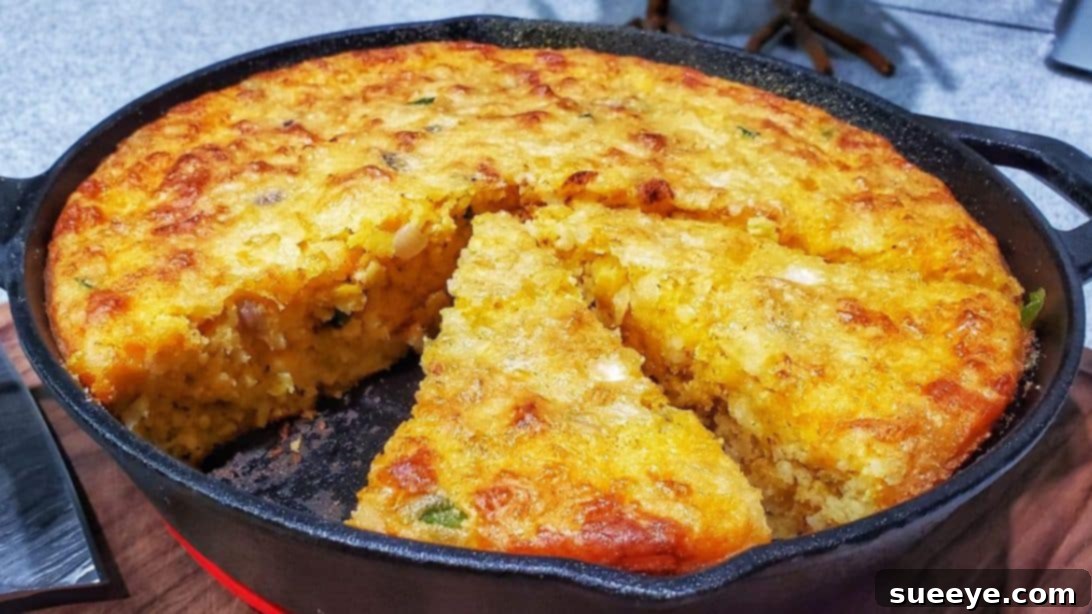
Craving a unique and incredibly flavorful cornbread experience? Look no further than this exceptional Southern-style Creole cornbread recipe. It’s a delightful deviation from your everyday cornbread, promising a moist texture and a symphony of flavors that will undoubtedly make it a staple in your kitchen. Inspired by the culinary expertise of Smokin’ & Grillin With AB, this particular version has become an absolute family favorite, consistently earning rave reviews at every meal. Forget dry, crumbly cornbread; this recipe delivers a rich, tender crumb that perfectly complements its bold, savory profile. Once you take your first bite of this amazing Creole cornbread, you’ll understand why it’s destined to become your go-to recipe for potlucks, family dinners, or simply a comforting side dish any day of the week.
Essential Ingredients for Your Creole Cornbread
The magic of this Creole cornbread lies in its unique blend of ingredients, combining traditional cornbread staples with savory additions that elevate its flavor profile. Each component plays a crucial role in achieving that coveted moist texture and distinctive taste. Here’s what you’ll need:
- 2 cups of cooked rice: A surprising but essential ingredient that contributes significantly to the cornbread’s moist and tender texture, setting it apart from denser recipes.
- 2 large eggs (room temperature): Using room temperature eggs helps them incorporate more easily and evenly into the batter, leading to a smoother mixture and a better rise.
- 1 cup of whole milk: Provides richness and moisture, contributing to the soft crumb of the cornbread. Full-fat milk is recommended for the best flavor and texture.
- 1 cup of yellow cornmeal: The foundational ingredient for any cornbread. Yellow cornmeal lends a classic, slightly sweet corn flavor and a pleasant texture.
- 1/2 cup of chopped onion: Adds a savory depth and a subtle sweetness that balances the other bold flavors. Finely chopping ensures even distribution.
- 1 to 2 tablespoons of diced jalapeño peppers: Introduces a gentle kick of heat and a fresh, vibrant flavor. Adjust the quantity based on your preference for spice. For less heat, remove the seeds and membranes.
- 1/2 teaspoon of baking soda: Acts as a leavening agent, working with the buttermilk (or lactic acid in whole milk/cream corn) to create a light and fluffy texture.
- 1 teaspoon of salt: Essential for enhancing all the other flavors and bringing them into harmony. Don’t skip this!
- 1/4 cup of canola oil: Provides moisture and helps create a tender crumb. Vegetable oil or another neutral oil can be substituted.
- 14.5 oz of cream-style corn: This is a game-changer! Cream-style corn is key to achieving an incredibly moist, almost custardy interior, while also adding natural sweetness and corn flavor.
- 3 cups of shredded cheddar cheese: Melts beautifully into the cornbread, adding a rich, savory, and slightly tangy flavor that pairs perfectly with the other ingredients.
Elevate Your Cornbread: Optional Flavor Enhancements
While the base recipe is fantastic on its own, you can further customize your Creole cornbread with these delicious additions to match your palate or specific occasion:
- 1 tablespoon of Creole seasoning: For an authentic taste of the South, a good quality Creole seasoning blend will infuse your cornbread with a complex mix of herbs and spices, truly defining its “Creole” character.
- 1 teaspoon of cumin: Adds an earthy, smoky undertone that complements the savory elements beautifully, particularly if you’re serving it with chili or other hearty stews.
- Small cooked shrimp: For a truly decadent and unique experience, especially if you’re leaning into the Creole theme. Cooked and chopped small shrimp can be folded into the batter for a seafood twist.
- 2 to 3 tablespoons of additional chopped jalapeños: If you love a bolder spice, don’t hesitate to increase the jalapeño content. Consider keeping some seeds for an extra fiery kick!
- Diced bell peppers (red or green): Adds more color and a subtle sweet crunch, enhancing the vegetable medley within the cornbread.
- Cooked and crumbled bacon: Everything’s better with bacon! A smoky, salty crunch can elevate this cornbread to new heights.
Crafting Your Perfect Creole Cornbread: A Step-by-Step Guide
Creating this delicious Southern-style Creole cornbread is a straightforward process, but paying attention to each step will ensure a perfectly moist and flavorful result every time. Follow these detailed instructions for a culinary triumph:
Step 1: Prepare Your Dry Ingredients
In a generously sized mixing bowl, combine all your dry ingredients. Start with the two cups of cooked rice, followed by one cup of yellow cornmeal, one teaspoon of salt, and one-half teaspoon of baking soda. Then, add the savory elements: one tablespoon of finely chopped jalapeño pepper (adjust to taste) and one-half cup of finely chopped onions. Using a sturdy wooden spoon or a spatula, thoroughly mix everything together. Ensure all the ingredients are evenly distributed, as this preliminary mix helps prevent pockets of unmixed ingredients in the final batter. This step is crucial for achieving a uniform flavor and texture throughout your cornbread.
Step 2: Whisk Together Your Wet Ingredients
In a separate, medium-sized bowl, begin by cracking and lightly beating the two room temperature eggs until they are well scrambled. This ensures they are fully incorporated and contribute to the cornbread’s structure. Next, pour in one cup of whole milk and one-fourth cup of canola oil. Whisk these ingredients together until they are completely combined and form a homogenous liquid mixture. The oil and milk will emulsify slightly, preparing them to blend seamlessly with the other components. Finally, add the entire 14.5 oz can of cream-style corn. Gently stir until the creamed corn is just blended into the wet ingredients. Avoid overmixing at this stage; simply aim for a consistent liquid base.
Step 3: Combine Wet and Dry Mixtures
Now it’s time to bring everything together. Carefully pour the wet ingredient mixture from the second bowl into the large bowl containing your dry ingredients. Using your wooden spoon or spatula, gently fold and mix the ingredients until they are just combined. The key here is to avoid overmixing. Overmixing can develop the gluten in the cornmeal, leading to a tough, dry cornbread. Mix just enough until no streaks of dry ingredients remain and the batter is uniformly moistened. A few lumps are perfectly acceptable and often indicate a tender crumb later on.
Step 4: Prepare and Fill Your Skillet
Preheat your oven to 350°F (175°C) while you prepare your baking vessel. For the best results and a perfectly crispy crust, a 10-inch cast iron skillet is highly recommended. Generously grease the entire interior of the skillet with butter, ensuring the bottom and sides are thoroughly coated. This creates a non-stick surface and contributes to a rich, golden-brown crust. After greasing, sprinkle a couple of pinches of yellow cornmeal evenly across the bottom and up the sides of the buttered skillet. This additional cornmeal layer not only helps prevent sticking but also adds an extra crispy texture to the cornbread’s exterior. Carefully transfer the prepared cornbread mixture into the greased and dusted skillet, spreading it evenly with your spatula to ensure uniform thickness for even baking.
Step 5: Bake to Golden Perfection
Place the skillet with your cornbread batter into the preheated oven at 350°F (175°C). Bake for approximately 45 to 50 minutes. The exact baking time may vary slightly depending on your oven, so keep an eye on it. The cornbread is done when the top is beautifully golden brown and firm to the touch. To confirm doneness, insert a wooden toothpick into the center of the cornbread. If it comes out clean with no wet batter attached, your cornbread is perfectly cooked. Once baked, carefully remove the skillet from the oven and set it aside on a wire rack to cool for at least 10-15 minutes. This cooling period allows the cornbread to set properly and makes slicing much easier, preventing it from crumbling.
Step 6: Slice, Serve, and Savor
After the cornbread has had a chance to cool slightly, it’s ready to be enjoyed! Using a sharp knife, slice it into wedges or squares directly in the skillet. This Southern-style Creole cornbread is fantastic on its own, but truly shines when paired with hearty dishes. Serve it warm alongside your favorite chili, a robust bowl of gumbo, a classic Southern fried chicken meal, or simply with a dollop of butter and a drizzle of honey. Prepare for a chorus of compliments as you and your loved ones enjoy this incredibly moist, flavorful, and unforgettable cornbread!
Southern-Style Creole Cornbread: A Culinary Journey
This Southern-style Creole cornbread is more than just a side dish; it’s a celebration of rich culinary traditions and robust flavors. What makes it “Creole”? The inclusion of ingredients like onion and jalapeños, often found in Creole cuisine, elevates it beyond a basic cornbread. The combination of cream-style corn and cooked rice ensures an unparalleled moistness, while the cheddar cheese adds a savory depth that is simply irresistible. This recipe bridges the gap between traditional Southern comfort food and the vibrant, spicy influences of Creole cooking, resulting in a unique and incredibly satisfying bread.
Tips for Achieving the Perfect Creole Cornbread
To ensure your Creole cornbread turns out perfectly every time, keep these expert tips in mind:
- Room Temperature Ingredients: Eggs and milk at room temperature combine more smoothly with other ingredients, leading to a more uniform batter and a better rise.
- Don’t Overmix: This is perhaps the most crucial rule for tender cornbread. Mix until just combined. Lumps are okay; overmixing develops gluten, which results in a tough, dense texture.
- Use a Cast Iron Skillet: A well-seasoned cast iron skillet is highly recommended. It conducts heat beautifully, creating an incredibly crispy, golden-brown crust that’s characteristic of authentic Southern cornbread. If you don’t have one, a sturdy baking dish will work, but the crust won’t be quite as remarkable.
- Preheat Your Oven Properly: Ensure your oven is fully preheated to the specified temperature before placing the skillet inside. This initial blast of heat helps the leavening agents activate quickly, giving your cornbread a good lift.
- Grease and Dust Generously: Don’t skimp on the butter and cornmeal in the skillet. This prevents sticking and contributes significantly to the delicious crispy exterior.
- Adjust Spice Levels: Feel free to customize the amount of jalapeños to your liking. For a milder flavor, remove all seeds and membranes. For more heat, leave some in or add an extra diced pepper.
- Quality Ingredients: Using fresh, high-quality ingredients, especially your cornmeal and cheese, will always yield the best flavor.
Serving Suggestions: What Pairs Best with Creole Cornbread?
This versatile Creole cornbread is the ultimate accompaniment to a wide array of dishes. Its rich, savory flavor and moist texture make it a fantastic addition to almost any meal. Here are some popular serving suggestions:
- Chili and Stews: A classic pairing! The cornbread is perfect for soaking up rich, spicy broths from a hearty chili, gumbo, or a slow-cooked beef stew.
- Southern Comfort Food: Serve alongside fried chicken, collard greens, black-eyed peas, or pulled pork for a truly authentic Southern meal.
- Soups: A warm slice of cornbread is delightful with creamy tomato soup, vegetable soup, or chicken noodle soup.
- Breakfast or Brunch: Yes, cornbread for breakfast! Enjoy it with eggs, bacon, or sausage, perhaps even with a drizzle of maple syrup for a sweet and savory contrast.
- Butter and Honey: Sometimes, simplicity is best. A warm slice slathered with softened butter and a touch of honey or cane syrup is pure bliss.
- As a Base for Dressing/Stuffing: Leftover cornbread can be crumbled and used as a flavorful base for a unique holiday dressing or stuffing recipe.
Storing and Reheating Your Creole Cornbread
While this cornbread is best enjoyed fresh from the oven, any leftovers can be stored and reheated to maintain its deliciousness. Properly stored, it will last for a few days, allowing you to enjoy its flavors over multiple meals.
- Storage: Once completely cooled, wrap the cornbread tightly in plastic wrap or aluminum foil, or place it in an airtight container. It can be stored at room temperature for up to 2 days, or in the refrigerator for up to 4-5 days.
- Freezing: For longer storage, slice the cooled cornbread into individual portions, wrap each slice tightly, and then place them in a freezer-safe bag or container. It can be frozen for up to 2-3 months. Thaw at room temperature before reheating.
- Reheating:
- Oven: For best results, reheat slices in a preheated oven at 300°F (150°C) for about 10-15 minutes, or until warmed through. This helps restore some of its original crispness.
- Microwave: For a quick reheat, individual slices can be microwaved for 30-60 seconds, or until warm. Be cautious not to overcook, as this can dry out the cornbread.
- Skillet: You can also gently warm slices in a dry cast iron skillet over medium-low heat for a few minutes on each side until heated through and slightly crispy.
Troubleshooting Common Cornbread Conundrums
Even with a great recipe, sometimes things don’t go exactly as planned. Here are some solutions to common cornbread problems:
- Dry and Crumbly Cornbread: This is often caused by overmixing the batter or overbaking. Ensure you mix just until combined and keep a close eye on the baking time, relying on the toothpick test. Using room temperature ingredients also helps with moisture.
- Tough or Dense Texture: Again, overmixing is the usual culprit. Developing the gluten in the cornmeal leads to a less tender result. Mix gently and minimally.
- Soggy Bottom: If the bottom of your cornbread is soggy, it might be due to insufficient preheating of the oven or not using a hot enough skillet. Ensure your oven is fully preheated and consider preheating your cast iron skillet (carefully!) for a few minutes in the oven before adding the batter, then add the batter and return to the oven.
- Not Rising Properly: Check the freshness of your baking soda. If it’s old, it may have lost its leavening power. Also, ensure your oven temperature is accurate; an oven that’s too cool won’t activate the leavening agents effectively.
- Unevenly Baked: This can be due to an unevenly heated oven or not spreading the batter uniformly in the skillet. Rotate the skillet halfway through baking if you suspect hot spots in your oven.
With these comprehensive instructions and helpful tips, you’re now fully equipped to bake the most incredible Southern-style Creole cornbread. Its rich, moist texture and savory depth make it an unforgettable dish that’s perfect for any occasion. Don’t just make cornbread; create a culinary experience that will have everyone asking for the recipe. Enjoy the process, and most importantly, savor every delicious bite!