
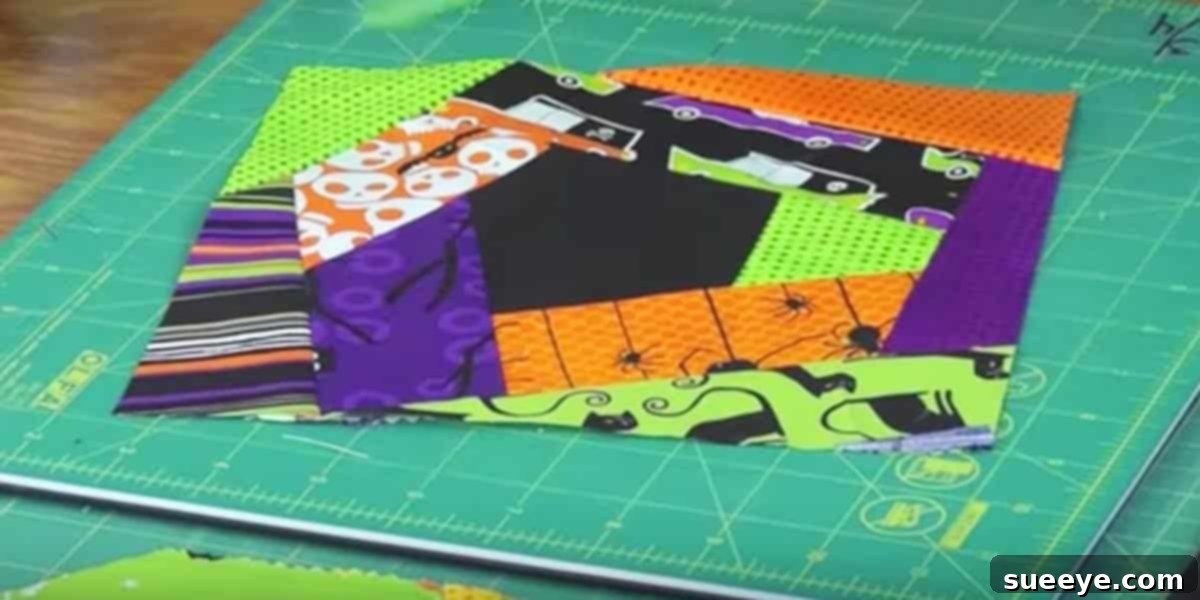
The Enduring Charm of Crazy Quilts: A Guide to Artistic Freedom
In the vibrant tapestry of textile arts, few techniques capture the imagination quite like crazy quilting. Born from a desire for artistic expression and a keen eye for resourcefulness, this unique style soared in popularity during the late 19th century, particularly among women eager to embrace a new aesthetic. Fueled by popular women’s magazines, which championed its unconventional beauty, the making of crazy quilts became a veritable rage. Quilters reveled in the freedom of sewing asymmetrical pieces of fabric together, creating abstract, non-repeating arrangements that broke all traditional rules. While the initial fervor softened around 1910, this captivating art form is experiencing a magnificent resurgence, proving that true creativity never truly goes out of style.
A Glimpse into History: The Victorian Roots of Crazy Quilting
The origins of crazy quilting are deeply intertwined with the Victorian era and the Aesthetic Movement of the late 1800s. This period emphasized beauty for beauty’s sake, celebrating asymmetry, rich textures, and exotic influences, a stark contrast to the rigid symmetries of earlier styles. Crazy quilts perfectly embodied these principles. Rather than being solely functional bed coverings, they were often created as decorative parlor throws, wall hangings, or smaller keepsakes, designed to showcase a family’s wealth through an abundance of luxurious fabrics. These weren’t your grandmother’s utilitarian cotton quilts; they were opulent displays of silk, velvet, satin, brocade, and even ribbon, often remnants from clothing or draperies.
The availability of new, brightly colored aniline dyes and the advent of the sewing machine also played a crucial role in their proliferation. Women embraced the opportunity to transform precious scraps into unique works of art. The lack of strict patterns or rules offered an unparalleled sense of liberation, allowing for individual creativity to flourish. Embellishments, such as intricate embroidery stitches, beads, buttons, lace, and even painted details, were not just additions but integral components, elevating each quilt to a personal masterpiece and a testament to the maker’s skill and artistic vision.
The Irresistible Allure of “Crazy” Creativity
What exactly makes a crazy quilt “crazy”? It’s the deliberate departure from conventional quilting norms. There are no straight lines, no repeating blocks, and no pre-designed patterns to follow. Instead, quilters embrace improvisation, piecing together irregularly shaped fabric scraps onto a foundation fabric, often in a seemingly haphazard manner. This chaotic beauty is precisely what gives crazy quilts their distinctive charm and name. It’s an art form that encourages spontaneity and intuition, allowing the fabric itself to guide the design process. This freedom from precise measurement and rigid structure makes it an incredibly appealing project for anyone looking to tap into their innate creativity without the pressure of perfection.
Why Crazy Quilts Are Back: A Modern Revival
Today, crazy quilts are experiencing a powerful renaissance, resonating with a new generation of crafters and artists for several compelling reasons. In an era of increasing environmental consciousness, crazy quilting stands out as a highly sustainable practice. It’s the ultimate “scrap buster,” transforming small, otherwise unusable fabric remnants into something beautiful and functional. This aligns perfectly with the growing movement towards reducing waste and embracing upcycling in our creative pursuits. Furthermore, in a world dominated by mass-produced goods, the desire for unique, handcrafted items has never been stronger. Crazy quilts offer unparalleled personalization; each piece is a one-of-a-kind creation, reflecting the maker’s unique style, story, and the fabrics collected over time.
Beyond sustainability and uniqueness, the therapeutic aspect of crazy quilting is a significant draw. The process of selecting fabrics, piecing them together, and meticulously adding embellishments can be incredibly meditative and stress-reducing. It provides a mindful escape from daily pressures, allowing for focused creative expression. Whether you’re creating a grand bed quilt or a smaller decorative item, the journey of bringing disparate elements together to form a cohesive, beautiful whole is deeply satisfying.
Getting Started: Your Crazy Quilt Journey Begins
One of the greatest beauties of crazy quilting is its accessibility. You don’t need a vast stash of expensive, matching fabrics to begin. In fact, quite the opposite is true!
Fabric Selection: Embrace Diversity and Scraps
When starting your crazy quilt adventure, the world of fabric is your oyster. For beginners, sticking to cotton is often recommended due to its ease of handling and stitching. It’s forgiving and readily available in a myriad of colors and patterns. However, the true spirit of crazy quilting lies in mixing and matching. Don’t shy away from incorporating a variety of textures: luscious silks, plush velvets, elegant satins, sturdy denim, soft linen, delicate lace, or even repurposed garments can all find a home in your design. The more diversity in your fabric choices, the richer and more interesting your finished block will be. Remember, you only need tiny pieces, making it an excellent way to use up those cherished scraps from other projects, giving new life to forgotten remnants and creating a truly unique textile collage.
Essential Tools and Supplies
While crazy quilting encourages freedom, a few basic tools will make your process smoother:
- Sewing Machine: A standard machine is perfect for piecing the fabric scraps.
- Foundation Fabric: This is crucial. A lightweight but sturdy cotton muslin or similar fabric provides a stable base for your irregular pieces, preventing distortion and making it easier to manage.
- Sharp Scissors or Rotary Cutter and Mat: For cutting fabric scraps. Precision isn’t paramount, but clean edges help.
- Threads: All-purpose thread for piecing, and a variety of embroidery threads (cotton, silk, metallic) for embellishments.
- Needles: Both machine needles for piecing and hand embroidery needles for decorative stitches.
- Iron and Ironing Board: For pressing seams flat as you go, ensuring a smooth finish.
- Basic Quilting Ruler (optional but helpful): For squaring up your blocks at the end.
The Crazy Quilt Process: From Scraps to Masterpiece
The core technique of crazy quilting involves foundation piecing. This method stabilizes the irregular fabric pieces and helps maintain the block’s overall shape. Here’s a simplified overview:
- Prepare Your Foundation: Cut your foundation fabric (e.g., muslin) to your desired block size (e.g., 10×10 inches). This will be the back of your block.
- Start with a Center Piece: Place a small, irregular fabric scrap right side up near the center of your foundation fabric. Pin it in place.
- Add the Next Piece: Take another fabric scrap. Place it right side down on top of one edge of your center piece, aligning the edges you wish to sew. Ensure the second piece extends beyond the edge of the first piece onto the foundation.
- Stitch and Flip: Stitch a seam along the aligned edge, through both fabric pieces and the foundation. Then, flip the second piece open so it lies right side up, covering a new section of the foundation. Press the seam flat.
- Continue Building: Repeat this “stitch and flip” method, adding new irregular fabric pieces to the exposed edges of the previously sewn pieces, always stitching through the foundation. Continue until your entire foundation block is covered.
- Trim and Square Up: Once the foundation is completely covered, trim any excess fabric from the edges, squaring up your block to its desired final size.
This process creates a stable, unique block ready for the most exciting part: embellishment!
The Art of Embellishment: Bringing Your Quilt to Life
Embellishment is the soul of a crazy quilt. It’s what transforms a collection of fabric scraps into a rich, textured, and deeply personal work of art. This is where you can truly let your creativity soar, adding layers of detail and narrative to your textile canvas. The possibilities are virtually endless, but here are some popular and impactful embellishment techniques:
Embroidery Stitches: The Signature Element
Embroidery is arguably the most defining characteristic of traditional crazy quilts. The seams between fabric pieces are typically covered and decorated with a vast array of stitches, effectively turning functional lines into decorative elements. Common stitches include:
- Feather Stitch: A beautiful, open stitch resembling a branching feather, perfect for covering seams.
- Chain Stitch: A strong, rope-like stitch often used for outlines and filling.
- Fly Stitch: Similar to a ‘Y’ shape, it creates lovely decorative accents.
- Herringbone Stitch: A criss-cross stitch that creates a textured band.
- French Knots: Small, decorative knots that add texture and dimension.
- Couching: A technique where a heavier thread or ribbon is laid on the surface and secured with smaller stitches.
- Spider Web Rose: A beautiful floral motif created by weaving thread over a foundational star pattern.
- Detached Chain Stitch (Lazy Daisy): Perfect for creating small floral designs or leaf shapes.
Don’t be afraid to combine stitches, experiment with different thread colors and types (cotton, silk, metallic floss), and even invent your own variations. The goal is to enhance the fabric patches and create visual interest.
Beyond Embroidery: Beads, Buttons, and Baubles
Crazy quilts invite a tactile richness that goes beyond thread. Incorporating three-dimensional elements adds another layer of charm and visual appeal:
- Beads: Seed beads, glass beads, pearl beads, or even larger decorative beads can be stitched directly onto fabric patches or along seams, catching the light and adding sparkle.
- Buttons: Antique, novelty, or decorative buttons can be strategically placed as focal points or to enhance specific fabric motifs.
- Lace and Trim: Delicate lace fragments, ribbon bows, or decorative trim can be appliquéd onto patches or along seams, adding a vintage or romantic touch.
- Appliqué: Small fabric shapes, perhaps flowers, leaves, or whimsical figures, can be cut from contrasting fabrics and stitched onto your patches.
- Charms and Pendants: Small metal charms or repurposed jewelry components can be securely sewn onto the quilt for a truly personalized touch.
Each embellishment tells a part of the quilt’s story, contributing to its overall character and uniqueness. There are no strict rules, only opportunities for creative expression.
Beyond the Quilt: Versatile Crazy Quilt Projects
While the full-sized crazy quilt is a magnificent endeavor, the beauty of this technique is its adaptability to smaller, more manageable projects. These are perfect for beginners, quick gifts, or for experimenting with new fabric combinations and embellishment techniques.
- Throw Pillows: A single crazy quilt block can be transformed into a stunning decorative throw pillow, adding a touch of personalized elegance to any room.
- Wall Hangings: A collection of blocks or even a single, intricately embellished block can become a captivating piece of textile art for your wall.
- Tote Bags and Purses: Incorporate crazy quilt panels into the design of a unique, handcrafted bag that truly stands out.
- Journal Covers or Book Sleeves: Protect and beautify your favorite journals or books with a custom crazy quilt cover.
- Pincushions: A small crazy quilt block makes for a charming and functional pincushion.
- Table Runners or Placemats: Add a touch of handcrafted sophistication to your dining experience.
- Garment Accents: Embellish jackets, pockets, or cuffs with small crazy quilt patches for a bohemian or artistic flair.
- Framed Art: A beautifully embellished crazy quilt block, simply framed, becomes a unique piece of home decor.
- Christmas Ornaments or Holiday Decorations: Small crazy quilt elements can be crafted into festive ornaments.
These smaller projects offer instant gratification and allow you to explore the vast potential of crazy quilting without committing to a large-scale project immediately.
Why You Should Start Your Own Crazy Quilt Adventure
Embarking on a crazy quilt project is more than just a craft; it’s an exploration of textile art, personal history, and sustainable practices. It offers:
- Unleashed Creativity: Break free from traditional patterns and let your imagination guide you.
- Mindful Relaxation: The repetitive motions of sewing and embroidering provide a calming, meditative experience.
- Sustainable Crafting: Give new life to fabric scraps, reducing waste and honoring materials.
- Unique Heirlooms: Create a one-of-a-kind piece that tells a story and can be cherished for generations.
- Skill Development: Practice new embroidery stitches and fabric manipulation techniques.
Tips for a Successful Crazy Quilt Journey
To help you get started on the right foot, here are a few practical tips:
- Start Small: Begin with a single block or a small project like a pincushion to get comfortable with the technique before tackling a large quilt.
- Embrace Imperfection: The charm of crazy quilting lies in its irregularities. Don’t strive for perfection; celebrate the handmade quality.
- Experiment with Texture: Mix different fabric types and see how they play together. Just be mindful of how they behave under the needle.
- Don’t Skimp on Embellishments: They are the heart and soul of crazy quilting. Take your time to explore different stitches and adornments.
- Foundation Fabric is Key: Always use a stable foundation to prevent your blocks from stretching and distorting.
- Pressing is Your Friend: Press seams after each “flip” to ensure your block lays flat and smooth.
- Seek Inspiration: Look at historical crazy quilts, online galleries, and books for ideas, but always remember to infuse your own unique style.
Conclusion: Stitching Stories, One Scrap at a Time
Crazy quilting is a timeless art form that beautifully merges history, creativity, and sustainability. It’s an invitation to break free from convention, to play with textures and colors, and to transform forgotten fabric scraps into cherished works of art. Whether you’re a seasoned quilter or a curious beginner, the world of crazy quilts offers a wonderfully liberating and deeply satisfying creative outlet. So, gather your fabric remnants, thread your needle, and allow the “crazy” magic to unfold. Dive into this rich tradition and create something truly unique and meaningful – a textile story stitched by your own hands.