
How to Craft a Charming and Effective Mason Jar Bird Feeder: A DIY Guide
There’s a unique joy that comes with observing nature right from your doorstep. For my family, this dream became a reality when we moved into a new apartment featuring a delightful back porch balcony. It wasn’t long before our outdoor space transformed into a bustling hub of local wildlife activity. We’d spend hours mesmerized by the array of creatures that came to visit, but it was the birds that truly captivated us. My daughter, in particular, was fascinated by the diverse species of birds gracing our new home, igniting a shared family desire to attract even more feathered friends to our balcony haven.
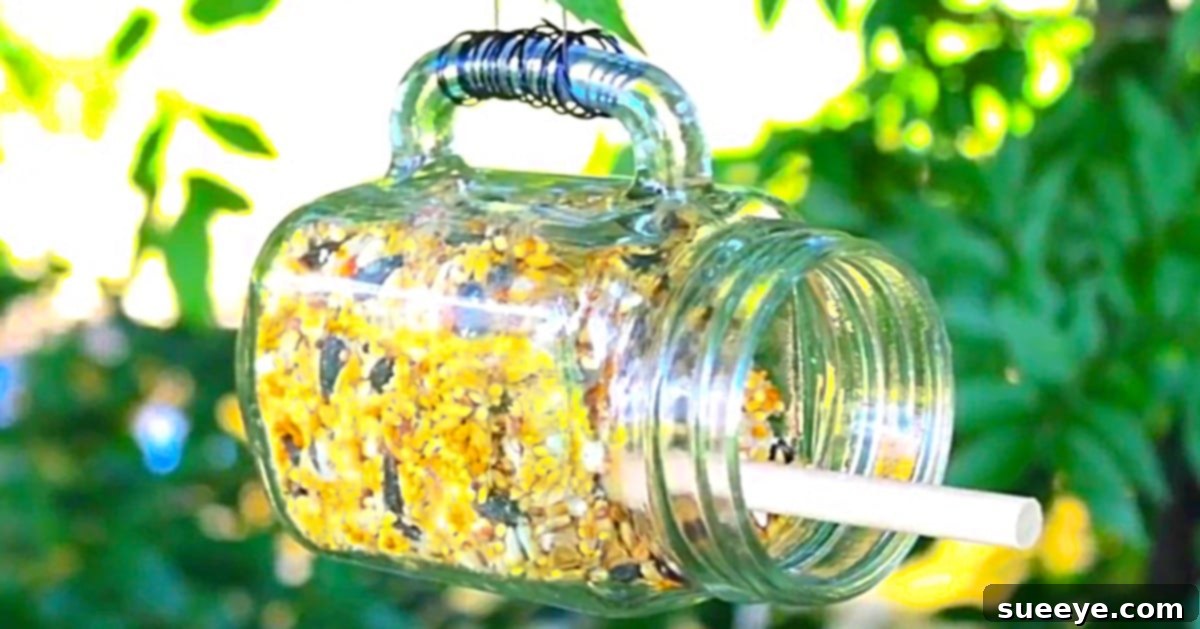
Our quest for a simple, yet effective, solution led me down the rabbit hole of online DIY projects. It was on YouTube that I stumbled upon an absolute gem: an amazing mason jar bird feeder video tutorial by Amanda Formaro. The concept was brilliant in its simplicity – transforming a common mason jar and a bit of floral wire into a functional and charming bird feeder. The moment I shared this discovery with my family, their enthusiasm was palpable! We knew immediately this was our next project, and we wasted no time in gathering our supplies. Luckily, I had an old mason jar with a handle readily available, and a quick trip to our local hardware store provided us with the perfect birdseed blend.
Why Choose a DIY Bird Feeder? The Benefits of Homemade Happiness
Embarking on a DIY project like a bird feeder offers numerous advantages beyond simply providing a meal for birds. Firstly, it’s an incredibly rewarding experience, fostering a sense of accomplishment and creativity. You get to customize the feeder to your aesthetic preferences and ensure it’s made from safe, quality materials, unlike some store-bought options that might contain harmful components. Crafting a bird feeder from recycled or upcycled items, such as a mason jar, also promotes sustainability, reducing waste and giving new purpose to everyday objects.
Moreover, building a bird feeder together as a family can be a fantastic educational opportunity. It teaches children about local ecosystems, the importance of caring for wildlife, and basic crafting skills. It’s a hands-on lesson in conservation that can spark a lifelong appreciation for nature. The satisfaction of seeing birds flock to a feeder you’ve personally crafted is immense, creating a direct connection between your efforts and the vibrant life in your backyard or balcony.
The Undeniable Charm of a Mason Jar Bird Feeder
Among the myriad of DIY bird feeder ideas, the mason jar design stands out for several compelling reasons. Its rustic charm and classic aesthetic seamlessly blend into any outdoor decor, offering a touch of vintage appeal. Mason jars are also incredibly durable and weather-resistant, making them ideal for outdoor use. Their clear glass allows for easy monitoring of seed levels, so you know exactly when it’s time for a refill. The design itself is ingenious, often incorporating a simple handle for effortless hanging and a wide mouth that’s perfect for dispensing seed.
Beyond aesthetics, the mason jar offers practical advantages. It provides a secure, contained space for birdseed, protecting it from moisture and pests. The transparent nature of the jar also allows for fascinating observation as birds approach and feed, providing clear views of their interactions. It’s an eco-friendly choice, repurposing an item that might otherwise sit unused, and it’s remarkably simple to clean and maintain, ensuring a healthy feeding environment for your avian visitors. This combination of beauty, functionality, and sustainability makes the mason jar an ideal vessel for creating an inviting bird haven.
Essential Materials for Your Mason Jar Bird Feeder Project
Gathering your materials is the first exciting step in bringing your mason jar bird feeder to life. The beauty of this project lies in its simplicity and the accessibility of its components. Most items can be found around your home or at a local craft or hardware store. Here’s what you’ll need:
- Mason Jar with a Handle: The star of our project! A mason jar with a handle (like a canning jar or a drinking jar) is ideal, as the handle provides a convenient anchor point for hanging. Ensure it’s clean and dry before use.
- A Small Piece of Dowel Rod: This will serve as the perch for your feathered friends. A piece approximately 4-6 inches long and about 1/2 inch in diameter is usually sufficient. Make sure it’s sturdy enough to support a bird’s weight.
- 1 1/2 Cups of Quality Birdseed: Opt for a high-quality mix that attracts a variety of local birds. Avoid cheaper mixes filled with fillers like red milo, which many birds discard. Consider mixes with sunflower seeds, millet, and cracked corn.
- 1/2 Packet of Unflavored Gelatin: This acts as a binder, helping to hold the birdseed mixture together in a solid form within the jar.
- 1 1/2 Tablespoons Organic Maple Syrup: While some recipes might suggest corn syrup, it’s crucial to use organic maple syrup. GMO corn syrup can be harmful to birds, whereas pure maple syrup provides a natural, safe adhesive and a little extra energy boost.
- 1/2 Cup of Organic Flour: Another natural binding agent that contributes to the structural integrity of your seed block.
- 1/4 Cup of Boiling Water: Essential for dissolving the gelatin and helping to create a cohesive mixture.
- Some Floral Wire (or any Bendable Wire): This flexible wire will be used to secure the dowel rod and create the hanging mechanism for your feeder. Ensure it’s strong enough to hold the weight of the jar filled with seed.
Step-by-Step Guide: Crafting Your Mason Jar Bird Feeder
Creating this delightful mason jar bird feeder is a straightforward and enjoyable process that takes approximately 30 minutes. Following these detailed steps will ensure you build a durable and attractive feeder that birds will love.
Preparing the Nutrient-Rich Birdseed Mixture
The foundation of your bird feeder is the hardened seed mixture. This clever technique ensures the seeds remain accessible yet contained within the jar.
- Dissolve the Gelatin: In a small bowl, combine the 1/2 packet of unflavored gelatin with 1/4 cup of boiling water. Stir vigorously until the gelatin is completely dissolved and no clumps remain. This creates the sticky base for your binding agent.
- Add Wet Ingredients: To the dissolved gelatin, add the 1 1/2 tablespoons of organic maple syrup. Stir well to combine all the liquid ingredients. The maple syrup not only aids in binding but also provides a safe, natural sweetener that birds enjoy.
- Introduce Dry Ingredients: In a separate, larger mixing bowl, combine the 1 1/2 cups of birdseed with 1/2 cup of organic flour. Use a spoon or your hands to thoroughly mix these dry ingredients, ensuring the flour evenly coats the seeds. This prevents clumping when wet ingredients are added.
- Combine Wet and Dry: Pour the liquid gelatin and maple syrup mixture into the bowl with the birdseed and flour. Mix everything together meticulously. You want every seed to be coated with the binding mixture, resulting in a thick, sticky consistency. It should be firm enough to hold its shape.
- Fill the Mason Jar: Carefully spoon the birdseed mixture into your mason jar. Pack it down firmly using the back of your spoon or your fingers. The goal is to create a compact, solid block of seed that won’t easily crumble. Fill the jar almost to the brim, leaving a small space for the dowel rod.
Assembling Your Feeder: The Dowel Rod and Hanging Mechanism
Once your seed mixture is packed, it’s time to add the crucial elements that make it a functional bird feeder.
- Insert the Dowel Rod: Gently but firmly push your small piece of dowel rod into the packed birdseed mixture. Position it horizontally, ensuring it’s securely embedded and extends out far enough on both sides to provide a comfortable perch for birds. Wiggle it slightly to ensure it’s firmly set.
- Allow to Set: Place the filled mason jar in the refrigerator for at least 2-3 hours, or ideally overnight. This allows the gelatin to fully set and the birdseed mixture to harden into a solid block, preventing it from crumbling or washing away easily.
- Prepare the Hanging Wire: Cut a generous length of floral wire (or your chosen bendable wire) – approximately 18-24 inches. You’ll want enough length to securely wrap around the jar’s handle and create a loop for hanging.
- Attach the Wire: Wrap one end of the floral wire several times around the handle of your mason jar, just below where the birdseed mixture ends. Ensure it’s taut and secure. You can twist the wire ends together to lock it in place.
- Create the Hanging Loop: Take the remaining length of wire and bring it upwards from the handle, forming a loop above the jar. Twist the end of the wire around itself or the handle once more to create a strong, stable loop from which to hang your feeder. Ensure the loop is robust enough to bear the weight of the feeder, especially when full.
Expert Tips for Attracting More Birds to Your Feeder
Having a beautiful new bird feeder is just the beginning. To truly turn your outdoor space into a bird paradise, consider these additional tips:
- Strategic Placement: Hang your feeder in a location that offers both visibility and safety for birds. A spot near trees or shrubs provides cover from predators and easy perching spots. Ensure it’s also visible from your window for optimal viewing pleasure. Avoid areas with high wind or direct, intense sunlight all day.
- Variety of Feeders: Different birds prefer different types of feeders and seeds. While your mason jar feeder is excellent, consider adding a suet feeder for woodpeckers or a tray feeder for ground-feeding birds to attract a wider array of species.
- Fresh Water Source: Birds need water for drinking and bathing. A shallow bird bath filled with fresh water, changed daily, can be just as attractive as a feeder.
- Native Plants: Plant native shrubs, flowers, and trees in your garden. These provide natural food sources (berries, nectar, seeds, insects), shelter, and nesting sites, creating a holistic habitat for birds.
- Patience is Key: It might take some time for birds to discover your new feeder. Be patient, keep the feeder clean and filled, and they will eventually come.
Maintaining Your DIY Bird Feeder for Avian Health
A clean feeder is a healthy feeder. Regular maintenance is crucial to prevent the spread of diseases among birds and ensure they continue to visit your station. Aim to clean your mason jar bird feeder at least once every two weeks, or more frequently during wet weather or peak feeding times. Simply remove any leftover seed, scrub the jar and dowel rod with a stiff brush and a mild soap solution, then rinse thoroughly with hot water. Allow all parts to air dry completely before refilling with fresh seed. This simple routine will keep your avian visitors happy and healthy.
The Joy of Bird Watching: A Rewarding Hobby for All Ages
Since installing our homemade mason jar bird feeder, our balcony has truly blossomed into a vibrant wildlife sanctuary. We’ve been delighted by the constant stream of different bird species – from energetic finches and graceful cardinals to busy chickadees and even the occasional vibrant blue jay. Sitting on our balcony, sipping coffee, and watching their antics has become a cherished family ritual. It’s a peaceful, educational, and deeply rewarding hobby that connects us to the natural world just outside our door. The simple act of providing food and shelter has brought so much life and wonder into our everyday lives.
Creating your own mason jar bird feeder is more than just a craft project; it’s an invitation to nature, a lesson in sustainability, and a gateway to countless hours of joyful observation. It’s incredibly satisfying to know that with just a few simple materials and a little bit of effort, you can make a significant difference in supporting local bird populations while enriching your own life with the beauty of their presence. We absolutely love our DIY feeder, and we encourage you to embark on this rewarding project yourself. Happy bird watching!