
How to Build a Stunning Cinder Block Succulent Tower: A DIY Guide
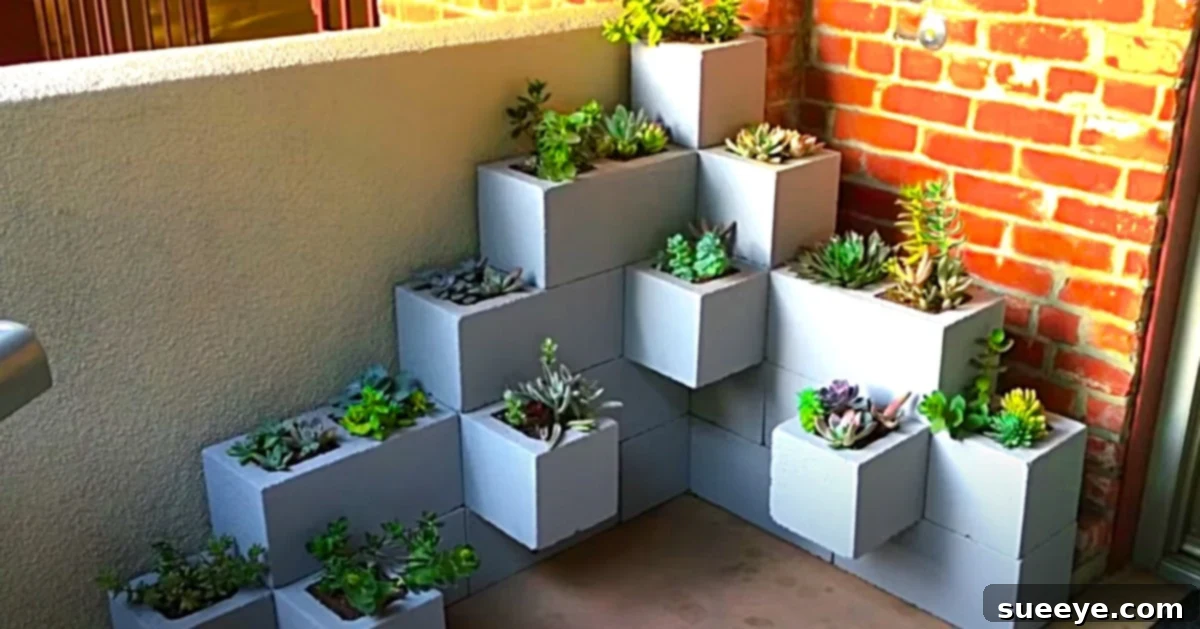
Transforming your outdoor living space into a vibrant and inviting sanctuary is a desire shared by many garden enthusiasts. As someone who appreciates the unique charm of succulents and seeks architecturally compelling ways to display them, I’m constantly exploring innovative planter ideas. The challenge often lies in finding solutions that are both aesthetically pleasing and budget-friendly. This quest led me to an incredibly ingenious and gorgeous cinder block planter idea, inspired by the creative minds at A Creative Traveler’s YouTube channel. This channel is a treasure trove of gardening wisdom, and their cinder block project stands out for its simplicity, cost-effectiveness, and stunning visual impact. This DIY succulent tower offers a fantastic way to introduce elevation and dimension to any patio, balcony, or garden corner, creating a captivating focal point that truly enhances your outdoor decor.
Cinder blocks, often overlooked as basic construction materials, possess an inherent versatility that makes them perfect for modern and minimalist garden designs. Their raw, industrial appeal, coupled with their sturdy nature, provides an ideal canvas for a personalized plant display. This project demonstrates how readily available and inexpensive materials can be transformed into a high-impact, artistic planter that beautifully accommodates a variety of plants, especially succulents. Whether you’re a seasoned gardener or a complete beginner in DIY projects, this guide will walk you through creating your very own multi-tiered succulent haven, adding a touch of contemporary elegance to your home.
Why Choose a Cinder Block Planter for Your Succulents?
Before diving into the construction, let’s explore why cinder blocks are an exceptional choice for your next gardening project, particularly for a succulent tower:
- Cost-Effectiveness: Cinder blocks are among the most affordable building materials available at any hardware store. This makes them a fantastic option for creating large or intricate planters without breaking the bank.
- Unmatched Durability: Made from concrete, cinder blocks are incredibly robust and weather-resistant. They can withstand various outdoor conditions, from harsh sunlight to heavy rain, ensuring your planter lasts for many years with minimal wear.
- Design Versatility & Customization: The hollow nature and uniform size of cinder blocks allow for endless stacking configurations. You can create linear designs, geometric patterns, or dynamic vertical towers. Furthermore, they can be primed and painted in any color to match your existing outdoor aesthetic or left in their natural state for a raw, industrial look.
- Modern Aesthetic Appeal: Cinder block planters lend a contemporary, minimalist, and even brutalist charm to your garden. This industrial chic style complements modern architecture and contrasts beautifully with the soft textures of succulents.
- Excellent Drainage: The inherent porosity of concrete, combined with proper preparation, ensures superb drainage for your plants. This is crucial for succulents, which are highly susceptible to root rot if left in waterlogged soil.
- Space-Saving Solution: By building vertically, a cinder block tower allows you to maximize planting space, making it perfect for smaller patios, balconies, or urban gardens where horizontal space is limited.
- DIY-Friendly: This project requires minimal specialized tools or skills, making it an accessible and rewarding endeavor for anyone looking to add a personal touch to their outdoor decor.
Essential Materials for Your Cinder Block Succulent Tower
One of the beauties of this DIY project is that the materials are readily available and affordable. Here’s a comprehensive list of what you’ll need to gather:
- Cinder Blocks: The quantity will depend entirely on the size and complexity of your desired tower. Standard 8x8x16-inch blocks are common, but you might find different sizes for varied aesthetic effects. Plan your design beforehand to estimate how many you’ll need for each layer and pocket.
- Landscaping Fabric: This porous, tear-resistant fabric is essential for lining the bottom of the cinder block cavities. It allows water to drain freely while preventing soil from washing out. You’ll need enough to cut pieces slightly larger than the opening of each block pocket.
- Caulk Glue or Construction Adhesive: A strong, weather-resistant adhesive is crucial for securing the landscaping fabric to the blocks and, optionally, for bonding the cinder blocks together for added stability in taller structures. Look for products designed for outdoor use and masonry.
- Primer (Concrete Specific): While optional, applying a primer designed for masonry or concrete will create a smooth, sealed surface. This improves paint adhesion, provides better coverage, and helps protect the blocks from moisture, ensuring a longer-lasting finish.
- Exterior Paint: Choose a high-quality exterior latex or acrylic paint in your preferred color. Consider paints specifically formulated for masonry for the best durability and finish. Light colors can reflect heat, while darker shades might absorb it, influencing plant temperature.
- Succulent Plants: The stars of your tower! Select a variety of succulents that thrive in your local climate and sun exposure. Mix different sizes, textures, and colors for visual interest. Consider trailing succulents for blocks near the top and upright varieties for lower pockets.
- Well-Draining Potting Soil: Succulents require a specific soil mix that drains quickly to prevent root rot. Look for a “cactus and succulent mix” or create your own by blending regular potting soil with perlite, pumice, or coarse sand in a 1:1 ratio.
- Protective Gear: Gloves, safety glasses, and potentially a dust mask, especially when handling blocks or painting.
- Basic Tools: A measuring tape, utility knife or scissors for cutting fabric, paint brushes or rollers, a small trowel or scoop for soil, and a level to ensure your tower is stable.
Step-by-Step Guide: Building Your DIY Cinder Block Succulent Garden
Now that you have all your materials, let’s get started on bringing your cinder block succulent tower to life!
Step 1: Prepare Your Cinder Blocks
This initial step sets the stage for both the aesthetics and longevity of your planter. Begin by thoroughly cleaning your cinder blocks. Use a stiff brush or a power washer to remove any dirt, loose debris, or efflorescence (white powdery deposits) from their surfaces. Allow them to dry completely.
If you opt for a painted finish, which is highly recommended for a more polished and durable look, apply a coat of concrete primer. This step is vital as it seals the porous concrete, enhances paint adhesion, and provides a uniform base. Follow the manufacturer’s instructions for drying times, typically a few hours.
Once the primer is dry, apply your chosen exterior paint. For optimal coverage and weather resistance, two coats are usually best. Allow each coat to dry fully according to the paint manufacturer’s recommendations. Alternatively, if you prefer a raw, industrial aesthetic, you can skip the painting step entirely and embrace the natural gray tone of the blocks.
Next, prepare the planting pockets. Cut pieces of landscaping fabric that are large enough to line the bottom of each cinder block cavity, extending slightly up the sides. Apply a generous bead of weather-resistant caulk glue or construction adhesive around the inside bottom edge of each block’s cavity. Carefully press the landscaping fabric into place, ensuring it adheres well to the glue. The fabric acts as a barrier, preventing soil from washing out while still allowing excess water to drain through, which is essential for succulent health. Ensure the fabric doesn’t completely block the drainage holes if your blocks have them, but rather allows for controlled soil retention.
Step 2: Design and Assemble Your Tower
With your blocks prepared, it’s time for the exciting part: assembly. Start by selecting a level and stable surface for your tower. This is crucial for structural integrity and preventing accidents.
Begin by laying out your first layer of cinder blocks. Use a level to ensure they are perfectly horizontal. The beauty of cinder blocks lies in their interlocking nature, allowing for creative “Tetris-like” arrangements. You can stack them directly on top of each other, stagger them, or create unique patterns that provide more planting pockets or visual interest.
As you add subsequent layers, ensure each block is stable. For taller or more permanent structures, it’s highly recommended to apply a thin bead of construction adhesive between the mating surfaces of the cinder blocks as you stack them. This will bond them together, providing enhanced stability and preventing shifting, especially important in areas prone to wind or if children/pets will be near the structure.
Visualize how the plants will fill the various openings. Some blocks might serve as horizontal planters, while others might offer vertical pockets depending on your stacking method. Consider the sun exposure for different parts of your tower and plan plant placement accordingly.
Step 3: Planting Your Succulent Oasis
Once your cinder block structure is complete and any adhesive has cured, it’s time to bring your planter to life with greenery. Begin by filling each designated planting cavity with your well-draining succulent potting mix. Fill them almost to the top, leaving about an inch or two of space for the plants.
Carefully remove your succulents from their nursery pots. Gently loosen any compacted roots. Arrange the plants in the cinder block pockets, considering their size, growth habit, and color. Place taller plants in the back or center, and use trailing varieties to cascade over the edges for a dramatic effect. Once positioned, backfill with more soil, gently firming it around the plant bases to secure them. Avoid burying the leaves or stems too deeply.
After planting, give your succulents an initial light watering. Allow the water to drain thoroughly. For succulents, it’s better to underwater than overwater.
Maintenance and Care Tips for Your Cinder Block Planter
To ensure your cinder block succulent tower thrives and remains a beautiful feature in your garden, a few simple maintenance tips will go a long way:
- Watering Wisely: Succulents are drought-tolerant. Water thoroughly but infrequently. Allow the soil to dry out completely between waterings, typically every 2-4 weeks depending on climate and block exposure. Overwatering is the most common cause of succulent demise.
- Sunlight Requirements: Most succulents require at least 6 hours of direct sunlight per day to maintain their vibrant colors and compact growth. Ensure your tower is placed in a spot that receives ample sun.
- Pest and Disease Control: Regularly inspect your plants for signs of pests like mealybugs or aphids. Address infestations promptly with insecticidal soap or neem oil. Good air circulation around the plants can help prevent fungal diseases.
- Fertilization: Succulents generally don’t require heavy fertilization. A diluted, balanced liquid fertilizer applied once or twice during the growing season (spring/summer) is usually sufficient.
- Winter Protection: If you live in a region with freezing winters, consider protecting your succulent tower. You can move smaller blocks or individual plants indoors, cover the entire structure with frost cloth, or choose cold-hardy succulent varieties.
- Cleaning: Over time, dust and debris may accumulate on the cinder blocks. A quick rinse with a hose or a gentle scrub can keep your planter looking fresh.
Creative Variations and Enhancements
While the basic cinder block succulent tower is stunning on its own, there are numerous ways to personalize and enhance your creation:
- Add Lighting: Integrate solar-powered string lights or small LED puck lights within the block openings or around the structure to create a magical nighttime display.
- Incorporate Decorative Elements: Place decorative pebbles, polished stones, or small garden figurines in empty block cavities or around the plant bases to add texture and visual interest.
- Mix Plant Types: While succulents are ideal, consider adding small herbs, drought-tolerant annuals, or even mosses to some pockets for variety, ensuring they share similar light and water requirements.
- Build a Water Feature: For the more adventurous DIYer, a small, self-contained water feature could be integrated into one of the block sections, creating a soothing sound and an extra layer of tranquility.
- Create a Mobile Planter: For smaller towers, consider attaching heavy-duty casters to a sturdy wooden base to make your planter mobile, allowing you to easily move it for optimal sun exposure or during extreme weather.
- Experiment with Colors and Finishes: Beyond solid colors, consider stenciling patterns, creating a distressed look, or using different shades of paint on alternating blocks for a truly unique artistic statement.
Conclusion
Building a cinder block succulent tower is a wonderfully rewarding DIY project that offers immense creative freedom and a significant impact on your outdoor space. It’s a testament to how simple, inexpensive materials can be transformed into something truly spectacular and functional. This architectural planter not only provides a stylish home for your beloved succulents but also adds depth, dimension, and a modern aesthetic to any patio or garden. The process is straightforward, the materials are accessible, and the resulting succulent oasis is a unique reflection of your personal style.
Embrace the satisfaction of creating something beautiful with your own hands. Whether you’re aiming for a minimalist display or a vibrant vertical garden, this cinder block project is a fantastic starting point. Gather your materials, unleash your creativity, and get ready to enjoy a stunning, low-maintenance succulent tower that will be the envy of your neighborhood. I can’t wait to see the incredible designs you come up with!