
Grease stains on clothes are an inevitable nuisance in daily life, stemming from various sources like cooking splatters, accidental spills while eating, personal care products, or even automotive and mechanical maintenance. Once these oily marks set into fabric fibers, they become notoriously difficult to eradicate using just your regular laundry detergent. Many of us have experienced the frustration of washing a garment only to find the stubborn stain still stubbornly present, seemingly immune to conventional cleaning methods. However, there’s no need to despair. This comprehensive guide will introduce you to a simple, highly effective DIY solution for removing even the most stubborn, set-in grease stains from your favorite clothes, ensuring they look fresh and clean once more. This brilliant hack, widely celebrated for its efficacy, promises to restore your garments without resorting to harsh chemicals or expensive professional cleaning services, saving both your clothes and your wallet.
RELATED: How to Remove (Almost) Every Kind of Stain from Clothes
Understanding the Challenge: Why Grease Stains Are So Stubborn
Before diving into the solution, it’s helpful to understand why grease stains pose such a significant challenge in laundry. Oil and grease are hydrophobic, meaning they repel water. This characteristic is precisely why simply washing clothes with water and standard detergent often fails. The greasy molecules bond tightly with fabric fibers, and without a specialized agent to break down this bond and emulsify the oil, it remains trapped within the material. The longer a grease stain sits, the deeper it penetrates and the more difficult it becomes to dislodge, making a targeted approach essential for effective removal. Traditional detergents are designed for general cleaning, but specific enzymes or powerful surfactants are needed to truly lift and dissolve oily residues, especially those that have had time to set.
The Power Duo: Baking Soda and Dawn Dish Soap
The secret to tackling these formidable grease stains lies in the synergistic power of two common household products: baking soda and Dawn dish soap. Yes, the very same Dawn dish soap you use to clean your dishes, renowned for its incredible grease-cutting capabilities. This dynamic duo works wonders, breaking down and lifting even the most deeply embedded oil and grease from various fabrics. Its effectiveness is so remarkable that it’s often hailed as a magic solution, making it a staple in many households for challenging cleaning tasks beyond just the kitchen sink. You’ll be amazed at how these two inexpensive, readily available items can outperform specialized and costly stain removers.
Why These Ingredients Work So Well Together
- Dawn Dish Soap: The Ultimate Degreaser: Dawn dish soap is formulated with powerful surfactants that are designed specifically to emulsify fats and oils. These surfactants work by surrounding the grease molecules, breaking them down into smaller particles, and allowing them to mix with water and be rinsed away. Its effectiveness is so potent that it’s famously used in wildlife rescue operations to clean oil-covered animals without harming them, a testament to its gentle yet incredibly powerful degreasing properties. When applied to fabric, it penetrates the greasy residue, effectively dissolving it from the fibers.
- Baking Soda: The Natural Absorber and Scrubber: Baking soda (sodium bicarbonate) is a mild alkali, widely known for its deodorizing, absorbing, and gentle abrasive qualities. When used in conjunction with dish soap, it acts as a mild exfoliant for the fabric, helping to scrub the dissolved grease from the fabric fibers without causing damage. It also plays a crucial role in absorbing residual oil and odors, drawing them out of the material as it dries. Together, these two ingredients create a powerful paste that can tackle grease stains effectively and safely, offering a two-pronged attack on the stubborn residue.
Here’s another tip you might want to try for other areas of your home: Hacks For Getting Grease Off Kitchen Cabinets
What You Need to Remove Set Grease Stains
Gathering your supplies is the straightforward first step towards banishing those stubborn grease stains. You’ll be delighted to find that everything you need is likely already in your pantry or under your kitchen sink, meaning no special trips to the store or expensive cleaning agents are required. This method relies on common household items, making it accessible and cost-effective for everyone.
- 1/4 cup of baking soda
- 3 tablespoons of Dawn dish soap (the original blue formula is often recommended for its superior grease-cutting power, but other varieties can also be effective. Ensure it’s a liquid dish soap, not dishwasher detergent.)
- A small mixing bowl
- A spoon or spatula for mixing and application
- An old toothbrush or a soft brush (optional, but highly recommended for gently working the paste into fabric fibers and ensuring thorough penetration)
- Clean paper towels or a cloth (for blotting)
- Gloves (optional, for those with sensitive skin, though both ingredients are generally mild)
How to Effectively Remove Set Grease Stains on Clothes: A Step-by-Step Guide
Follow these simple, yet powerful, steps to transform your stained garments back to their pristine condition. This method is designed to be straightforward and accessible, even for those new to DIY stain removal. Precision and patience are key to achieving the best results.
Pre-Treatment Considerations for Optimal Results
For the best chances of success and to prevent any unforeseen issues, consider these important points before you begin the stain removal process:
- Act Fast: While this method is excellent for set-in stains, fresh stains are always easier to remove. The sooner you treat a grease stain after it occurs, the better your chances of complete eradication.
- Blot, Don’t Rub: If the stain is fresh and wet, gently blot away any excess grease with a clean cloth or paper towel. Avoid rubbing, as this can spread the stain, push the oil deeper into the fabric fibers, and make it harder to remove.
- Check Fabric Care Labels: Always consult your garment’s care label. While this method is generally safe for most washable fabrics like cotton, denim, polyester blends, and synthetics, exercise caution with delicate materials like silk, rayon, wool, or dry-clean-only items. For such fabrics, a professional cleaner might be the safest option, or test extensively in a very inconspicuous area first.
Step 1: Preparing Your Powerful Stain-Removing Paste
The first crucial step is to create the potent stain-removing paste that will do all the heavy lifting. The right consistency is key for effective application and penetration into the fabric. Too watery, and it won’t cling; too thick, and it will be hard to apply evenly.
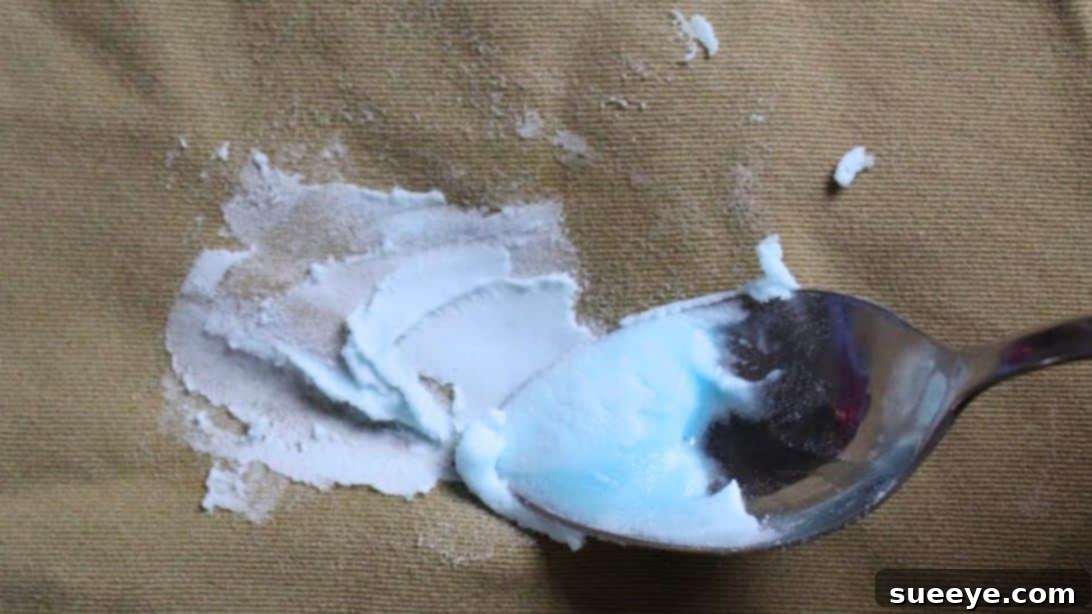
In a small bowl, combine 1/4 cup of baking soda with 3 tablespoons of Dawn dish soap. Using a spoon or spatula, mix the ingredients thoroughly until they form a smooth, thick paste. The ideal consistency should be similar to toothpaste – not too watery, and not too stiff. If the mixture appears too dry or crumbly, add a few more drops of Dawn dish soap, one at a time, until you achieve the desired paste-like texture. Ensure all ingredients are well incorporated and mixed to a uniform consistency, as this ensures maximum effectiveness of both components working together. This paste is your secret weapon against stubborn grease.
Step 2: Applying and Working the Paste into the Stain
With your powerful paste ready, it’s time for the direct attack on the grease stain. Precision and thoroughness in this step are vital for successful removal, as you need to ensure the mixture fully engages with the oily residue.
Before applying the mixture directly to the visible stain, it’s highly recommended to perform a spot test on an inconspicuous area of the garment (e.g., an inside seam, a hidden hem, or under a collar). This ensures that the paste does not cause any discoloration, fabric damage, or leave an unwanted residue, especially on delicate or brightly colored fabrics. Once you’re confident in its safety, generously apply the homemade stain remover directly onto the set grease stain. Make sure the entire stained area, and a small margin around it, is completely covered with a thick, even layer of paste.
Now, gently but firmly work the mixture into the fabric fibers. You can use the back of your spoon, an old toothbrush, or even your finger (wearing gloves is advisable for sensitive skin). The goal is to thoroughly rub the paste into the stain, allowing the baking soda to act as a mild abrasive and the Dawn soap to penetrate and emulsify the grease deep within the fibers. This mechanical action helps to break down the bond between the oil and the fabric more effectively. Let the paste sit and work its magic for at least 15 minutes. For older, tougher, or particularly stubborn stains, you may extend the sitting time to several hours or even overnight to allow for deeper penetration and more effective breakdown of the grease, although always check the fabric first for extended treatment.
If you prepare a larger batch of the mixture, you can store any leftover paste in an airtight jar. Should it dry out over time, simply add a few drops of water and stir to restore it to the desired consistency for future use, making it a handy and ready-to-use solution to keep on hand for inevitable spills.
Step 3: Washing and Post-Treatment Inspection
After the paste has had sufficient time to break down the grease and work its magic, it’s time to wash your garment to rinse away the broken-down oil and cleaning agents.
Before placing the item in the washing machine, you may gently scrape off any excess dried paste from the fabric using a spoon or blunt knife. This prevents unnecessary residue from entering your washing machine. Then, wash the garment as you normally would, following the instructions on its care label. For most fabrics, washing in warm or hot water (if suitable for the fabric – always check the label!) can further aid in dissolving and removing any remaining grease residue, as heat helps to keep oils emulsified. Use your regular laundry detergent in the wash, as the preliminary treatment has already done most of the heavy lifting against the grease.
Once the wash cycle is complete, carefully inspect the garment before drying. This step is absolutely crucial: **DO NOT place the item in a dryer if any trace of the grease stain remains.** The heat from a dryer will permanently set the stain into the fabric fibers, making it incredibly difficult, if not impossible, to remove later. If you still see a faint outline, a noticeable stain, or any greasy residue, do not despair. Simply repeat the entire process from Step 1: re-apply the paste, let it sit for the required time, and wash again. Stubborn or deeply set stains, especially older ones, may require two or three applications and subsequent washes to be completely eradicated. Continue repeating the treatment and wash cycle until the stain is entirely gone, then you can safely machine or air dry your garment as usual, confident that the grease is banished for good.
Preventing Future Grease Stains: Tips for a Stain-Free Wardrobe
While this DIY method is a powerful lifesaver for existing grease stains, prevention is always better than cure. Adopting a few simple habits can significantly minimize the occurrence of grease stains and keep your wardrobe looking pristine:
- Wear an Apron When Cooking: This is perhaps the simplest and most effective defense against kitchen splatters. An apron provides a crucial barrier, protecting your clothes from oil, sauces, and other food-related spills.
- Exercise Caution While Eating: Be particularly mindful when enjoying greasy foods like pizza, burgers, or oily dressings, especially when wearing light-colored or delicate clothing. Use napkins generously and consider tucking one into your collar if you’re prone to spills.
- Apply Products Carefully: When using personal care products such as lotions, makeup foundations, sunscreens, or hair oils, apply them before getting dressed, or wear an old t-shirt to protect your clothes from accidental transfer. Allow products to fully absorb or dry before putting on your outfit.
- Immediate Spot Treatment for Minor Spills: Even if you don’t have time for the full baking soda and Dawn treatment, immediately blotting fresh spills with a paper towel or applying a small amount of liquid hand soap can prevent the stain from setting deeply.
- Mindful Handling of Mechanical Items: If you’re working on cars, bikes, or machinery, always wear appropriate work clothes and gloves to avoid transferring grease and oil to your everyday garments.
Frequently Asked Questions About Removing Grease Stains
Here are answers to some common questions regarding grease stain removal, offering further clarity and confidence in tackling these tough laundry challenges:
- Q: Does Dawn dish soap really remove old grease stains?
- A: Yes, absolutely. Dawn dish soap, especially when combined with the abrasive and absorbent properties of baking soda, is highly effective at breaking down and lifting even old, set-in grease stains. Its powerful degreasing agents work to emulsify the oil molecules over time, allowing them to be rinsed away. Patience and possibly repeated applications are key for older stains.
- Q: Can I use this method on all types of fabric?
- A: This method is generally safe and effective for most washable fabrics commonly found in everyday wear, such as cotton, denim, polyester blends, and synthetic materials. However, it is always crucial to perform a patch test on an inconspicuous area first (like an inside seam) for delicate fabrics like silk, rayon, wool, or brightly colored garments, to ensure no discoloration or damage occurs. For dry-clean-only items, professional cleaning is usually the safest and recommended option.
- Q: What if the stain is still visible after washing?
- A: If the stain persists after the first wash, it’s vital that you do not put the garment in the dryer, as heat will permanently set the stain. Instead, simply repeat the entire process from Step 1: re-apply the paste generously, let it sit for an extended period, and wash again. Stubborn or deeply set stains may require two or three applications and washes to be completely eradicated. Continue repeating until the stain is entirely gone before drying.
- Q: Is Dawn dish soap safe for clothes? Will it bleach or damage fabrics?
- A: In moderation and for spot treatment, Dawn dish soap is generally safe for most washable fabrics. It’s designed to be gentle enough for sensitive skin and wildlife, yet powerful on grease. It does not contain bleach. However, using excessive amounts on very delicate fabrics or leaving it on for extremely long periods without rinsing could potentially cause minor issues (like residue buildup), which is why a patch test and thorough rinsing are always recommended.
- Q: Can I substitute other dish soaps for Dawn in this DIY grease stain remover?
- A: While other dish soaps might offer some grease-cutting power, Dawn is widely recognized for its superior effectiveness, particularly the original blue formula. Its specific formulation makes it exceptionally good at emulsifying oils, making it the preferred choice for this hack. If Dawn is absolutely unavailable, you can try another reputable brand of liquid dish soap, but results may vary, and you might not achieve the same impressive stain-removing power.
Conclusion: Embrace a Stain-Free Wardrobe with This Simple Hack
Grease stains no longer have to be a permanent fixture on your clothes or a cause for discarding favorite garments. With the simple, powerful, and remarkably effective combination of baking soda and Dawn dish soap, you now possess an incredibly accessible and economical solution for tackling even the most stubborn set-in grease marks. This DIY method is not only easy to implement but also provides a deeply satisfying sense of accomplishment as you watch those frustrating stains disappear, transforming your once-damaged clothes back to their fresh, clean state. By understanding the ‘why’ behind the problem and diligently applying these ‘how-to’ steps, you can confidently maintain a pristine wardrobe, keeping your clothes looking their best for longer. Give this proven trick a try – you’ll be amazed at the results and wonder why you ever struggled with grease stains before!