
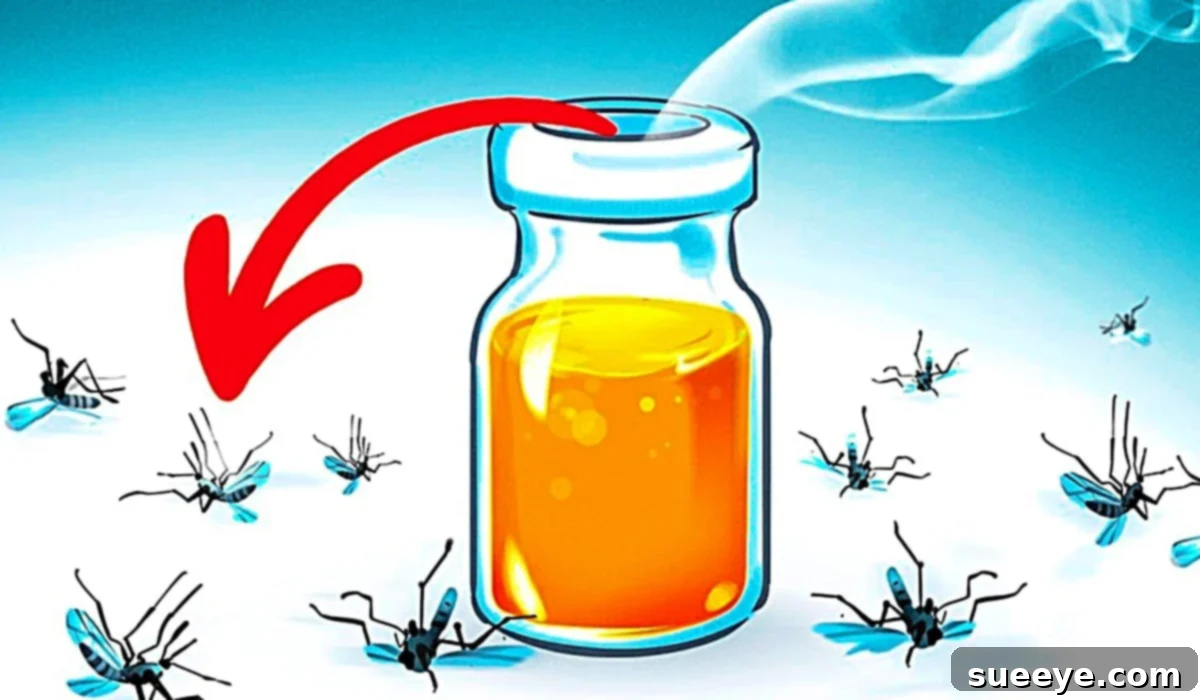
The arrival of warmer weather is a universally cherished moment, signaling long days, outdoor gatherings, and cherished family time. Yet, for many, this idyllic picture is often marred by the unwelcome presence of mosquitoes. These tiny, buzzing pests are more than just a nuisance; their itchy bites can ruin outdoor fun, cause allergic reactions, and even transmit diseases. The quest for an effective, natural solution to keep these critters at bay is a common pursuit for homeowners and outdoor enthusiasts alike. Inspired by insightful resources like the video tutorial from Bright Side on YouTube, we’ve compiled a comprehensive guide to help you transform your yard into a serene, mosquito-free haven, ensuring your summer memories are filled with joy, not irritation.
How To Get Rid Of Mosquitos In The Yard Naturally and Effectively
Achieving a mosquito-free outdoor space doesn’t necessarily require harsh chemicals or expensive professional services. A strategic approach combining natural repellents, diligent yard maintenance, and a little bit of knowledge can yield remarkable results. Let’s delve into the world of natural mosquito control, exploring plants, essential oils, and practical tips that empower you to take back your backyard.
Understanding the Mosquito Menace: Why Natural Solutions Matter
Mosquitoes aren’t just annoying; they pose significant health risks, acting as vectors for diseases like West Nile Virus, Zika, and Dengue Fever. While conventional repellents often rely on chemicals like DEET, many homeowners are seeking safer, eco-friendly alternatives, especially for areas where children and pets play. Natural methods often involve plants or compounds that mosquitoes instinctively avoid, creating a protective barrier without harmful side effects for humans or the environment. Embracing these natural strategies allows you to enjoy the great outdoors with peace of mind.
Powerhouse Plants & Natural Substances: Your First Line of Defense Against Mosquitoes
Nature offers a remarkable array of plants and substances that act as potent mosquito deterrents. Integrating these into your garden design and outdoor routines can significantly reduce mosquito populations. Here’s a detailed look at some of the most effective:
-
Citronella Grass and Candles
Perhaps the most well-known natural mosquito repellent, citronella is derived from various species of Cymbopogon (lemongrass) grass. Its strong, lemony scent effectively masks the odors that attract mosquitoes, disorienting them and making it harder for them to locate a host. Citronella candles are popular for outdoor dining and lounging areas, releasing the repellent scent as they burn. For a more permanent solution, planting citronella grass directly in your garden can create a living barrier, especially around patios and entryways. Regular pruning helps release more of its aromatic oils.
-
Lemongrass (Cymbopogon citratus)
Closely related to citronella, lemongrass shares many of its mosquito-repelling properties. It contains citronellal, a natural compound that mosquitoes find highly unappealing. This beautiful, ornamental grass is easy to grow in most climates (though it may need to be brought indoors in colder regions) and adds a refreshing, citrusy aroma to your garden. Plant it in pots near seating areas or strategically throughout your yard to maximize its deterrent effect. You can also crush the leaves and rub them on your skin for a temporary, natural insect repellent.
-
Cedar
Cedarwood oil is a natural insecticide and repellent, often used in pet products and wood treatments. The distinct scent of cedar is a deterrent to many insects, including mosquitoes. While planting cedar trees might not be practical for every yard, using cedar mulch around garden beds or laying cedar planks near gathering spots can contribute to a less inviting environment for mosquitoes. Additionally, burning cedar incense or using cedar essential oil in diffusers outdoors can provide localized protection.
-
Peppermint
The strong, refreshing scent of peppermint is delightful to humans but repulsive to mosquitoes. Peppermint essential oil is particularly effective; a few drops diluted in water can be sprayed around outdoor areas, or applied to pulse points as a topical repellent. Planting peppermint in your garden, especially near entryways or windows, can also help deter these pests. Be mindful that peppermint can be an aggressive spreader, so consider planting it in containers to manage its growth.
-
Eucalyptus (Lemon Eucalyptus Oil)
Often recommended by the CDC as an effective natural alternative to DEET, lemon eucalyptus oil (OLE) contains p-Menthane-3,8-diol (PMD), a compound known for its insect-repelling properties. While planting eucalyptus trees might not be feasible for all, using lemon eucalyptus essential oil in diluted sprays or diffusers is highly effective. It has a fresh, camphoraceous scent with lemony undertones. Ensure you use formulations specifically designed for skin application if you plan to use it topically, and always follow dilution guidelines.
-
Garlic Slices or Spray
Garlic is not just for cooking; its potent compounds, particularly allicin, are a strong deterrent to mosquitoes. While you might not want to spread garlic slices around your entire yard, a DIY garlic spray can be surprisingly effective. Crush several cloves of garlic, steep them in water for a few hours, then strain and spray the infused water around your garden perimeter or on non-edible plants. The scent dissipates quickly for humans but remains potent enough to deter mosquitoes for a surprisingly long time.
-
Lavender
Known for its calming aroma and beautiful purple blooms, lavender is another plant that mosquitoes actively avoid. The essential oil extracted from lavender contains compounds like linalool and linalyl acetate, which are natural insect repellents. Planting lavender bushes around your patio, near windows, or along pathways can add beauty and fragrance while providing a natural barrier. You can also rub crushed lavender flowers on your skin or use diluted lavender essential oil for a gentle, pleasing repellent.
-
Basil
This popular culinary herb is a hidden gem when it comes to mosquito control. Basil, especially varieties like lemon basil or cinnamon basil, emits a strong aroma that mosquitoes find unappealing. You can plant basil in pots near your outdoor seating areas or throughout your vegetable garden. Crushing basil leaves and rubbing them on your skin can also offer temporary protection. The key is the strong scent profile, which acts as a natural deterrent when the leaves are disturbed or crushed.
-
Catnip (Nepeta cataria)
While beloved by felines, catnip is a potent mosquito repellent. Studies have shown that nepetalactone, the essential oil in catnip that attracts cats, is significantly more effective at repelling mosquitoes than DEET. Growing catnip in your garden can be a powerful natural solution. Be aware, however, that it can attract neighborhood cats, so strategically place it if this is a concern. You can also crush catnip leaves and apply them to your skin for temporary relief.
-
Rosemary
Rosemary is a fragrant, woody herb that is not only excellent for cooking but also a fantastic mosquito deterrent. Its pungent aroma repels mosquitoes, making it a valuable addition to your outdoor space. Plant rosemary bushes near your patio or outdoor kitchen. For an immediate effect, you can toss sprigs of rosemary onto a barbecue pit or fire pit; the smoke infused with rosemary’s scent will create a protective cloud, keeping mosquitoes away from your cookout. This method is particularly effective and adds a lovely aroma to your gathering.
Beyond Repellent Plants: Comprehensive Mosquito Management Strategies
While repellent plants are an excellent starting point, a truly mosquito-free yard requires a more holistic approach. Addressing the core issues that attract mosquitoes and support their breeding cycles is paramount. Here’s how you can implement broader strategies:
Eliminating Breeding Grounds: The Most Crucial Step
Mosquitoes require standing water to lay their eggs, and even a small amount can suffice. Eliminating all potential breeding sites is the single most effective way to reduce mosquito populations in your yard. This involves:
- Regularly Emptying Water Containers: Bird baths, pet water bowls, planters, and even children’s toys can collect water. Empty and clean them at least once a week.
- Checking Gutters and Drains: Clogged gutters and downspouts can hold standing water, providing ideal breeding sites. Ensure they are clean and free-flowing.
- Tidying Your Yard: Old tires, buckets, tarps, wheelbarrows, and any discarded items can collect rainwater. Dispose of them or store them properly.
- Maintaining Ponds and Water Features: If you have ornamental ponds, consider adding mosquito fish (Gambusia affinis) which prey on mosquito larvae, or use biological larvicides (Bt-israelensis) donuts that are safe for other wildlife. Ensure fountains and aerators keep water moving.
- Addressing Uneven Ground: Fill in any depressions in your lawn that collect water after rain.
- Swimming Pool Maintenance: Keep swimming pools chlorinated and circulating, even when not in use. Empty kiddy pools after each use.
Strategic Placement and Other Physical Deterrents
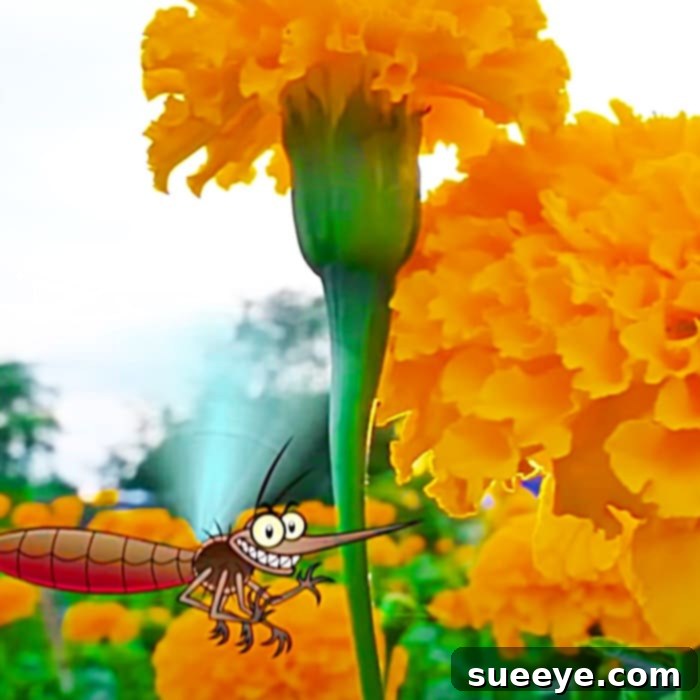
- Marigolds: These vibrant flowers, mentioned in the Bright Side video, contain pyrethrum, a compound used in many insect repellents. Plant marigolds around your patio, near doors, and among your vegetable garden to ward off mosquitoes and other pests.
- Outdoor Fans: Mosquitoes are weak fliers. Placing oscillating fans on your patio or deck can create air currents strong enough to make it difficult for them to land, effectively keeping them away from your gathering.
- Screened-in Areas: For ultimate protection, consider investing in screened porches or gazebos. These physical barriers offer a sanctuary from mosquitoes, allowing you to enjoy the outdoors completely undisturbed.
- Appropriate Lighting: While light itself doesn’t attract mosquitoes, traditional incandescent bulbs emit wavelengths that are more attractive to them and other insects than yellow “bug lights” or LED lights. Switching to less attractive lighting can help reduce the number of insects hovering around your outdoor areas.

DIY Essential Oil Sprays for Personal Protection
For on-the-go protection, creating your own essential oil mosquito repellent spray is simple and effective. A base mixture of witch hazel or distilled water with a few drops of essential oils from the repellent list (e.g., lemon eucalyptus, peppermint, lavender, citronella) can be spritzed onto skin or clothing before heading outdoors. Always perform a patch test first to ensure no skin irritation and reapply as needed.
Maintaining Your Yard for a Mosquito-Free Environment
Beyond specific repellents, general yard maintenance plays a significant role in mosquito control:
- Mow Your Lawn Regularly: Tall grass provides shaded, humid resting spots for adult mosquitoes. Keeping your lawn trimmed minimizes these hiding places.
- Trim Shrubbery: Dense bushes and overgrown foliage also offer cool, damp shelter. Pruning shrubs and clearing away heavy vegetation can reduce mosquito resting areas.
- Clear Leaf Litter: Decaying leaves can trap moisture and create small pockets of standing water, perfect for breeding. Regularly rake and remove leaf litter.
Embrace a Mosquito-Free Summer
With these natural strategies and diligent practices, enjoying your backyard during the warmer months without the constant annoyance of mosquitoes is entirely achievable. From strategically planting aromatic herbs and flowers to meticulously eliminating standing water, each step contributes to creating an environment that mosquitoes simply can’t thrive in. Reclaim your outdoor living spaces, host joyful gatherings, and let the sounds of summer be cicadas and laughter, not the incessant buzz of unwelcome guests. Your commitment to these natural methods ensures a healthier, happier, and truly mosquito-free outdoor experience for you and your loved ones.