
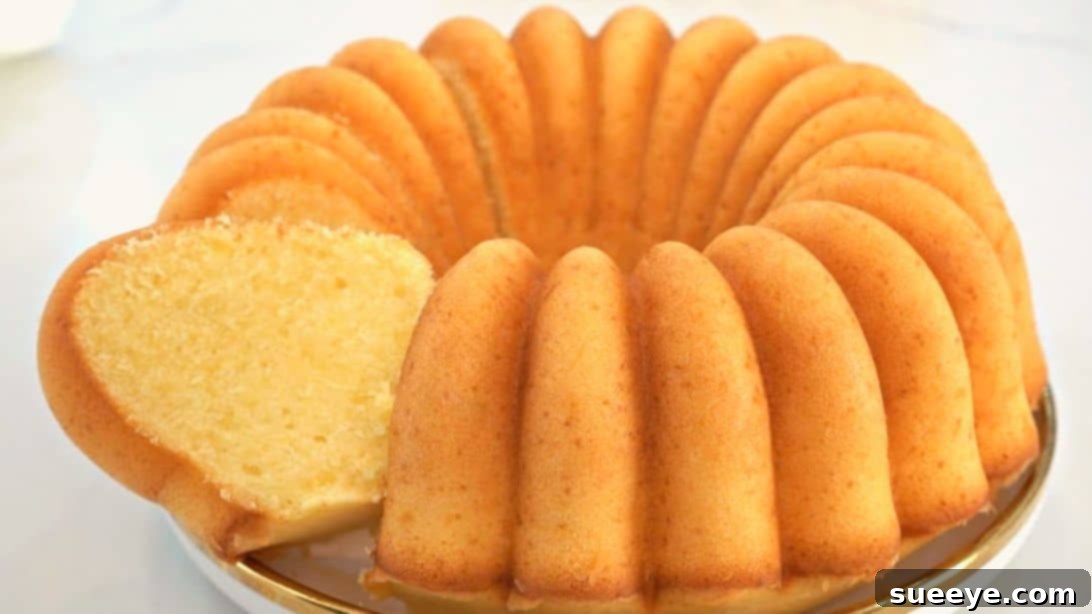
The Ultimate Moist & Velvety Cream Cheese Bundt Cake: An Easy Recipe for Everyday Indulgence
Discover the secret to a truly unforgettable dessert with this incredible Cream Cheese Bundt Cake recipe. Far from ordinary, this special cake boasts an irresistible richness and a texture so moist and velvety, it practically melts in your mouth. It’s the kind of cake that elevates any occasion, yet it’s surprisingly simple to prepare, requiring only minimal effort and a handful of common ingredients you likely already have in your pantry or can easily find at your local grocery store. Get ready to bake a masterpiece that will have everyone asking for a second slice!
This recipe is a testament to how simple ingredients, when combined with care, can create something truly extraordinary. Whether you’re a seasoned baker or just starting your culinary journey, you’ll find joy in bringing this delightful cake to life. It’s perfect for family gatherings, potlucks, special celebrations, or simply as a comforting treat to enjoy with your morning coffee or afternoon tea. A big thank you to Savor Easy on YouTube for inspiring this wonderful recipe that promises to become a cherished favorite in your home.
Essential Ingredients for Your Cream Cheese Bundt Cake
Crafting this luscious bundt cake begins with selecting quality ingredients and ensuring they are prepared correctly. The success of its moist and velvety texture largely depends on starting with butter and cream cheese at the ideal room temperature. This allows them to cream together beautifully, incorporating air for a light and fluffy batter.
- 1 cup of softened unsalted butter (approximately 1 hour outside the fridge before use, or until easily indentable)
- 1 cup of softened cream cheese (full-fat is recommended for the best flavor and texture)
- 1 cup of granulated sugar
- 4 large eggs (also at room temperature for better emulsification)
- 1 tsp of vanilla paste or high-quality vanilla extract (paste offers a more intense flavor and visible flecks)
- 2½ cups of cake flour or all-purpose flour (sifted for a lighter texture)
- 2 tsp of baking powder (ensure it’s fresh for optimal lift)
- 1 tsp of fine salt (balances sweetness and enhances flavor)
- 1/3 cup of whole milk (room temperature, provides moisture and tenderness)
- 1 tbsp of neutral oil (such as vegetable or canola oil, adds extra moisture and helps prevent sticking)
Ingredient Notes for Baking Success:
Using room temperature ingredients is paramount for this recipe. Softened butter and cream cheese cream together more smoothly with sugar, creating a light, aerated base for your cake. Cold ingredients can cause the batter to curdle and result in a dense, inconsistent texture. If you don’t have cake flour, you can create a substitute by measuring 2½ cups of all-purpose flour, removing 5 tablespoons, and replacing them with 5 tablespoons of cornstarch, then sifting well. The cornstarch helps tenderize the flour, mimicking the lower protein content of cake flour.
Step-by-Step Baking Guide: Crafting Your Moist & Velvety Bundt Cake
Step 1: Creaming the Butter and Cream Cheese for a Fluffy Base
Begin by taking a large mixing bowl and adding your perfectly softened unsalted butter and softened cream cheese. These two ingredients are the heart of our cake’s luxurious texture. Using an electric mixer (either a stand mixer with a paddle attachment or a hand mixer), beat them together on medium-high speed until the mixture becomes wonderfully light and fluffy. This process incorporates air, which is crucial for a tender cake. Once light, gradually add the granulated sugar, continuing to beat the mixture. Scrape down the sides and bottom of the bowl frequently with a spatula to ensure all ingredients are thoroughly combined and evenly aerated. Continue beating until the mixture transforms into a pale yellow color and is visibly lighter in texture, indicating that the sugar has dissolved and the mixture is well-creamed.
Next, it’s time to incorporate the eggs. Add them one at a time, beating well after each addition until fully combined. This method ensures that each egg is properly emulsified into the batter, preventing it from separating. After all eggs are incorporated, stir in the vanilla paste or extract. The vanilla adds a warm, aromatic depth that complements the tang of the cream cheese beautifully. In a separate bowl, sift together the cake flour (or your all-purpose flour substitute), baking powder, and salt. Sifting helps to remove any lumps and evenly distribute the leavening agents, resulting in a finer crumb. Gently fold these dry ingredients into the wet mixture, mixing just until incorporated. Be careful not to overmix, as this can develop the gluten in the flour too much, leading to a tough cake.
Step 2: Finishing the Batter, Pan Preparation, and Baking
With the main ingredients gently folded, switch to a hand mixer on low speed or continue to mix by hand. Gradually add the milk and the tablespoon of neutral oil. Continue mixing until these liquids are just incorporated into the batter, ensuring it remains smooth and lump-free. The oil contributes significantly to the cake’s moistness and helps keep it tender, even days after baking.
Prepare your 9×4-inch bundt pan by generously greasing its intricate nooks and crannies. A simple yet effective method is to brush the entire interior surface with softened butter or a non-stick baking spray that contains flour. For extra insurance against sticking, you can then lightly dust the greased pan with a tablespoon or two of flour, tapping out any excess. This creates a release layer that will help your beautifully baked cake slide out effortlessly. Carefully pour the prepared cake batter into the greased bundt pan, spreading it evenly to fill all the molds. Once the batter is in, gently tap the pan a few times on your countertop. This helps to release any trapped air bubbles, ensuring a dense, even crumb and preventing large air pockets from forming in the finished cake.
Preheat your oven to 160°C (320°F). Place the filled bundt pan into the preheated oven and let it bake for approximately 40 to 50 minutes. Baking times can vary based on your oven, so it’s essential to monitor the cake. The most reliable way to check for doneness is the toothpick test: insert a wooden toothpick or a thin skewer into the center of the cake. If it comes out clean or with a few moist crumbs attached, your cake is ready. If it comes out wet with raw batter, continue baking for a few more minutes and test again. Once baked to perfection, remove the cake from the oven and allow it to cool in the pan on a wire rack for at least 15-20 minutes. This crucial resting period allows the cake to firm up slightly, making it less prone to breaking when unmolded.
Step 3: Cooling, Unmolding, and Enjoying Your Masterpiece
After the initial cooling in the pan, carefully invert the bundt cake onto the wire rack to cool completely. Allowing it to cool fully before slicing is vital, as this ensures the cake’s structure is set and its moist texture is preserved. Rushing this step can lead to a crumbly cake. Once completely cooled, your magnificent Cream Cheese Bundt Cake is ready to be admired, sliced, and enjoyed! This cake is delightful on its own, but you can also elevate it with a simple dusting of powdered sugar, a light glaze, or fresh berries.
Unlocking the Secrets to a Perfect Bundt Cake
While this recipe is straightforward, a few key tips can ensure your Cream Cheese Bundt Cake turns out perfectly every single time, showcasing its signature moist and velvety texture.
The Importance of Room Temperature Ingredients
We’ve mentioned it, but it bears repeating: room temperature butter, cream cheese, and eggs are non-negotiable for a truly sublime bundt cake. When these ingredients are at room temperature, they emulsify beautifully, creating a smooth, homogenous batter that holds more air. This aeration translates directly into a lighter, fluffier, and more tender cake crumb. If you forget to take them out, a quick trick for eggs is to place them in a bowl of warm water for 5-10 minutes. For butter and cream cheese, cut them into smaller pieces to speed up the softening process.
Mastering the Mixing Process
The sequence and duration of mixing are crucial. Start by thoroughly creaming the butter and cream cheese until light and fluffy – this builds the cake’s structure. Add sugar gradually to allow it to dissolve fully. Eggs should be added one at a time, ensuring each is fully incorporated before adding the next. When it comes to dry ingredients, mix just until combined. Overmixing flour develops gluten, which can lead to a tough, dry cake. A gentle hand and an observant eye are your best tools here.
Achieving the Ideal Bundt Cake Texture
The combination of cream cheese, butter, and a touch of oil is what gives this cake its signature moist and velvety feel. Cake flour (or its substitute) also plays a role in tenderness. The key is to avoid overbaking. An overbaked cake will always be dry, regardless of the recipe. Trust the toothpick test and remove the cake from the oven as soon as it passes.
Greasing Your Bundt Pan Like a Pro
Bundt pans, with their beautiful fluted designs, can sometimes be a challenge to unmold. To ensure a perfect release, grease your pan meticulously. Use softened butter or a good quality baking spray with flour (like Baker’s Joy or a homemade version). Make sure to get into every crevice and nook. After greasing, a light dusting of flour (or cocoa powder for chocolate cakes) can provide an extra non-stick layer. Tap out any excess flour before pouring in your batter.
The Art of the Toothpick Test
The toothpick test is your most reliable indicator of doneness. Insert a wooden toothpick or a thin skewer into the thickest part of the cake (usually the center, but avoid touching the bottom of the pan). If it comes out completely clean, the cake is done. If it comes out with wet batter, continue baking. A few moist crumbs are acceptable and often indicate a perfectly moist cake, but a wet toothpick means more time is needed. Overbaking is the enemy of moistness!
Cooling and Unmolding Your Masterpiece
Patience is a virtue, especially when it comes to cooling a bundt cake. Allowing the cake to cool in the pan for 15-20 minutes allows its structure to firm up, making it less fragile. Unmolding it too soon risks the cake breaking apart. Once inverted onto a wire rack, let it cool completely. This final cooling stage allows residual heat to redistribute, setting the cake’s crumb and locking in moisture. Resist the urge to slice into it while warm, no matter how tempting!
Elevate Your Bundt Cake: Serving Suggestions & Variations
This Cream Cheese Bundt Cake is exceptional on its own, but it also serves as a fantastic canvas for various enhancements and flavor twists.
Simple Glazes and Toppings
- Vanilla Glaze: Whisk together 1 cup powdered sugar with 2-3 tablespoons of milk or cream and ½ teaspoon vanilla extract until smooth. Drizzle over the cooled cake.
- Lemon Glaze: For a zesty twist, substitute the milk in the vanilla glaze with fresh lemon juice.
- Cream Cheese Glaze: Combine 4 oz softened cream cheese, 2 cups powdered sugar, 2 tablespoons softened butter, and 1-2 tablespoons milk or cream. Beat until smooth and pipe or spread over the cake.
- Simple Dusting: A light dusting of powdered sugar offers an elegant and understated finish.
Fruit Pairings for Freshness
Serve slices of this rich cake with fresh berries like strawberries, blueberries, or raspberries. A dollop of whipped cream or a scoop of vanilla bean ice cream would also complement its flavors beautifully, adding a refreshing contrast to its richness.
Flavorful Add-ins and Variations
Feel free to experiment with the batter:
- Citrus Zest: Add 1-2 tablespoons of lemon or orange zest to the batter with the vanilla for a bright, aromatic lift.
- Nuts: Fold in ½ cup of chopped pecans or walnuts for added crunch and nutty flavor.
- Spices: A pinch of nutmeg or cardamom can introduce a warm, subtle spice note.
- Chocolate Chips: For the ultimate indulgence, fold in ½ cup of mini chocolate chips into the batter before baking.
- Marble Effect: Divide the batter, mix cocoa powder into one half, and swirl gently for a marbled bundt cake.
Storing Your Cream Cheese Bundt Cake for Lasting Freshness
To keep your Cream Cheese Bundt Cake fresh and moist, store it properly. Due to the cream cheese content, it’s best kept in an airtight container at room temperature for up to 2-3 days, or in the refrigerator for up to a week. If refrigerated, allow slices to come to room temperature for about 30 minutes before serving to fully appreciate its texture and flavor. For longer storage, slices can be individually wrapped in plastic wrap and then foil, and frozen for up to 3 months. Thaw overnight in the refrigerator before serving.
Why This Cream Cheese Bundt Cake Will Be Your New Favorite
This Cream Cheese Bundt Cake isn’t just a recipe; it’s an invitation to create joy in your kitchen. Its simple preparation belies a complexity of flavor and an unparalleled moist, velvety texture that will impress even the most discerning palates. It’s robust enough for everyday enjoyment yet elegant enough for special occasions. Each bite promises a harmonious blend of sweetness and a delicate tang, a testament to the magic of cream cheese in baking. So go ahead, gather your ingredients, follow these easy steps, and prepare to fall in love with your new favorite cake. Happy baking!
*These amazing images are all credited to Savor Easy via YouTube. Check her other content and follow for more delicious recipes!