
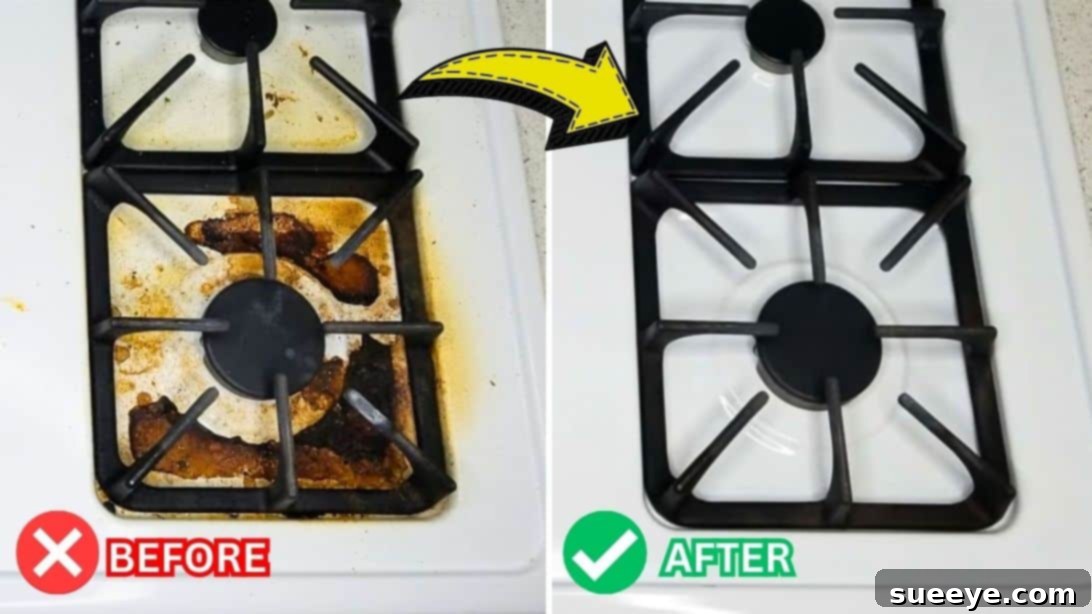
Unlock the Secret to a Sparkling Stovetop: An Easy & Effective Cleaning Method
A pristine kitchen isn’t just about aesthetics; it’s fundamental for hygiene, especially where food preparation takes center stage. The stovetop, often the busiest appliance, unfortunately, bears the brunt of spills, splatters, and burnt-on residues, quickly turning into a breeding ground for grime. Tackling these stubborn stovetop stains can feel like a daunting task, often leading to frustration and wasted effort with ineffective cleaning products. Many commercial cleaners promise a miracle but deliver only mediocre results, leaving you scrubbing endlessly.
If you’ve been searching for a simple yet incredibly powerful solution to restore your stovetop’s shine, your quest ends here. We’ve discovered a cleaning method that cuts through grease and grime like magic, transforming even the most neglected stovetops into sparkling clean surfaces. Inspired by the brilliant techniques shared by Spanish Witty on YouTube, this comprehensive guide will walk you through an easy-to-follow process that guarantees impressive results, saving you precious time and effort.
This method isn’t just effective; it’s designed to be budget-friendly, utilizing common household ingredients you likely already have. Get ready to say goodbye to those stubborn stains and hello to a stovetop that looks brand new!
Essential Materials for a Spotless Stovetop:
Gathering your materials before you begin will ensure a smooth and efficient cleaning process. You’ll be surprised how simple yet potent this combination of ingredients is:
- Ajax Powder Cleanser with Bleach: This powerful abrasive cleaner with the added benefit of bleach is excellent for cutting through tough stains and whitening surfaces.
- Baking Soda: A natural abrasive and deodorizer, baking soda helps lift grime and neutralize odors without scratching surfaces.
- Dawn Dish Soap: (or any effective grease-cutting dish soap you have available) Known for its degreasing properties, dish soap is crucial for breaking down oily residues.
- Non-Scratch Sponge: Essential for scrubbing without damaging your stovetop’s finish.
- Q-tips (Cotton Swabs): Perfect for reaching into tight corners and cleaning intricate parts like spark ignitions.
- Cotton Balls or Pads: Used for protecting sensitive components from cleaning products.
- Rubber Gloves: Recommended for protecting your hands from cleaning agents and hot water.
- Boiled Water: Hot water significantly enhances the cleaning power of the paste, helping to dissolve tough stains faster.
- Large Sink or Tub: For soaking grates and burners.
Step-by-Step Guide to a Flawless Stovetop:
Follow these detailed steps carefully to achieve the best results. Remember, patience is key, especially for heavily soiled stovetops.
Step 1: Preparation and Initial Application
Begin by ensuring your stovetop is cool to the touch. Safety first! Start by meticulously removing all removable parts. Carefully lift the grates and burners from your stove and place them directly into a large sink or a sturdy tub. Set aside the burner caps in a separate, safe area where they won’t get misplaced. Fill the sink with very hot water – the hotter, the better, as heat helps to loosen grime. To this hot water, add approximately 2 to 3 generous tablespoons of baking soda, or more if your grates are exceptionally dirty. Follow this with a liberal squeeze of dish soap. Allow these parts to soak in this powerful solution throughout the entire stovetop cleaning process. This will give the solution ample time to break down accumulated grease and food residue, making scrubbing much easier later on.
Next, focus on the stovetop surface itself. Use a dry cloth or paper towel to carefully wipe away any loose crumbs, food debris, or large burnt pieces. This preliminary step ensures the cleaning agents can directly target the embedded stains. Once the surface is clear, locate the spark ignitions for each burner. These small, often metallic components are sensitive to moisture and cleaning products. Protect them by covering each one securely with a small piece of cotton or a Q-tip. Now, you’re ready to apply the magic paste. Begin pouring Ajax Powder Cleanser with Bleach liberally over the entire stovetop surface, aiming for an even coating. Immediately after, sprinkle a generous amount of baking soda on top of the Ajax, making sure every stained area is covered. Finally, carefully pour freshly boiled water over the powder mixture. As you do this, you’ll notice the ingredients starting to react and form a thick paste. Use your sponge or a spatula to gently mix and spread this paste evenly across all stained areas, ensuring maximum contact.
Step 2: Scrub, Rinse, and Restore
Once the paste is evenly applied, allow it to work its wonders. Let the solution sit on the stovetop for a minimum of 30 minutes. For extremely stubborn or deeply set stains, extending this dwell time to an hour or even longer can significantly improve results. During this waiting period, the chemical reactions between the ingredients, combined with the heat, will begin to break down and lift the cooked-on food and grease. After the waiting period, put on your rubber gloves and pick up your non-scratch sponge. Begin scrubbing the stovetop vigorously, but with care. You’ll be amazed at how easily the stains start to lift away. If you encounter particularly stubborn spots that don’t come clean on the first pass, don’t despair. Simply add a small amount of additional Ajax powder and a splash more boiled water directly to that area, mix it into a fresh paste, and allow it to sit for another few minutes before resuming scrubbing. This reapplication often tackles even the most persistent grime.
Once the stovetop surface is gleaming, it’s time for the final touches. Carefully remove the cotton balls or Q-tips from the spark ignitions. Using a clean Q-tip, gently clean around these ignitions, ensuring no residue is left behind. Then, using a clean, damp cloth, thoroughly wipe down the entire stovetop, removing all traces of the cleaning paste. Rinse the cloth frequently to avoid spreading grime. Continue wiping until the surface is sparkling clean and residue-free.
Now, turn your attention back to the soaking grates and burners. Remove them from the sink and, using your sponge, scrub away any remaining softened food particles and grease. You’ll find that the soaking solution has done most of the heavy lifting. Once clean, rinse all the grates, burners, and burner caps thoroughly under running water to remove all soap and residue. Allow them to air dry completely, or dry them manually with a clean towel. Finally, carefully reassemble all the parts onto your sparkling clean stovetop. Step back and admire your handiwork – a truly spotless stovetop ready for its next culinary adventure!
The Science Behind the Shine: How This Method Conquers Stains
This cleaning method is incredibly effective because it leverages the synergistic properties of its simple ingredients. Baking soda (sodium bicarbonate) is a mild abrasive that gently scrubs away grime without scratching the surface. It’s also alkaline, which helps to break down acidic food stains and grease. Ajax Powder Cleanser with Bleach adds a stronger abrasive action, coupled with the oxidizing power of bleach. Bleach is excellent at breaking down and removing colored stains, sanitizing, and whitening surfaces, making it perfect for those tough, set-in blemishes. The hot or boiled water is a crucial catalyst; heat helps to dissolve fats and oils, allowing the cleaning agents to penetrate deeper into the grime. Finally, dish soap, particularly a strong degreaser like Dawn, acts as a surfactant, reducing the surface tension of water and enabling it to mix with and lift oily residues more effectively. This combination creates a powerful, multi-action cleaning paste that dissolves, scrubs, whitens, and degreases, making even the most stubborn stovetop stains surrender.
Expert Tips for Maintaining a Spotless Stovetop:
Once your stovetop is gleaming, follow these tips to keep it that way and minimize future deep cleaning efforts:
- Act Quickly on Spills: The best defense against stubborn stains is immediate action. Wipe up spills as soon as they occur and the stovetop is cool enough to touch. Fresh spills are far easier to clean than baked-on messes.
- Regular Maintenance: Incorporate a quick stovetop wipe-down into your daily or weekly cleaning routine. A simple wipe with dish soap and water can prevent buildup.
- Use Splatter Guards: When frying or cooking sauces, consider using a splatter guard. These simple tools can significantly reduce the amount of food that ends up on your stovetop.
- Protect Sensitive Areas: Always remember to cover spark ignitions or any other electrical components with cotton balls or tape before applying wet cleaners to prevent damage.
- Gloves are Your Friends: Always wear rubber gloves to protect your hands from hot water and cleaning chemicals, especially bleach.
- Ventilation is Key: Ensure good ventilation in your kitchen by opening a window or using your exhaust fan when cleaning with bleach-containing products.
- Gentle Scrubbing: While this method is powerful, always use a non-scratch sponge or cloth to avoid damaging the stovetop’s finish, especially on delicate surfaces.
- Patience Pays Off: For very tough stains, don’t rush the soaking or dwell time. Allowing the paste to sit longer can make a significant difference.
Common Stovetop Cleaning Mistakes to Avoid:
To ensure both effectiveness and safety, steer clear of these common pitfalls:
- Using Abrasive Scrubbers: Steel wool, harsh brushes, or overly abrasive sponges can permanently scratch and damage your stovetop’s finish, making it harder to clean in the long run.
- Cleaning a Hot Stovetop: Never apply cleaning products to a hot stovetop. It can cause chemical fumes, burn hazards, and make cleaning products evaporate too quickly, reducing their effectiveness.
- Ignoring Manufacturer’s Instructions: Always consult your stove’s user manual for specific cleaning recommendations and warnings, especially for specialty stovetops like induction or ceramic glass.
- Skipping Soaking Time: Rushing the process and not allowing grates and burners enough time to soak is a common mistake that leads to more strenuous scrubbing.
- Not Rinsing Thoroughly: Leaving cleaning product residue on the stovetop can attract more dirt, leave streaks, or even lead to discoloration over time. Ensure a complete rinse.
Frequently Asked Questions (FAQ):
Q1: Can I use this method on all types of stovetops, including glass or ceramic?
A1: While this method is highly effective for gas stovetops with grates and enamel or stainless steel surfaces, caution should be exercised with glass or ceramic stovetops. The abrasive nature of Ajax and baking soda, while generally safe with proper technique, could potentially cause micro-scratches on very sensitive glass or ceramic surfaces if scrubbed too vigorously. For glass or ceramic stovetops, it’s often recommended to use specific non-abrasive glass cooktop cleaners or milder paste alternatives (e.g., baking soda and dish soap only) and always test in an inconspicuous area first. The bleach in Ajax should also be used with caution on stainless steel to avoid discoloration if left too long or improperly rinsed.
Q2: How often should I perform this deep cleaning method?
A2: The frequency of deep cleaning depends on your cooking habits. For everyday cooks, a deep clean every 2-4 weeks is often sufficient to prevent heavy buildup. If you cook frequently or tend to have many spills, a bi-weekly deep clean might be necessary. For light users, monthly or even bimonthly might be enough. Regular daily wiping of fresh spills will significantly extend the time between deep cleans.
Q3: What if I don’t have Ajax Powder Cleanser? Are there alternatives?
A3: Ajax Powder Cleanser with Bleach is a key component for its abrasive and whitening properties. If you don’t have it, you can try using a similar abrasive powder cleanser (e.g., Comet) or a strong oxygen-based powder cleaner mixed with a small amount of liquid bleach. However, be extremely cautious when mixing cleaning products, as some combinations can release dangerous fumes. Always ensure good ventilation. For a non-bleach alternative, you can increase the amount of baking soda and combine it with a strong degreasing dish soap and hydrogen peroxide (though results may vary compared to the Ajax/bleach combination).
Q4: How can I prevent burnt-on stains from forming in the first place?
A4: Prevention is always easier than cleaning. The best way to prevent burnt-on stains is to address spills immediately as they happen, provided the stovetop is cool enough to safely clean. Using lids on pots and pans helps contain splatters. Regularly wiping down your stovetop with a damp cloth after each use can also prevent small spills from baking onto the surface and becoming stubborn stains. Additionally, consider using stovetop protectors or liners if your model allows.
Transform Your Kitchen with a Sparkling Stovetop!
Achieving a spotless stovetop doesn’t have to be a challenging or time-consuming ordeal. With this simple, yet incredibly effective cleaning method, you can effortlessly banish stubborn stains and restore the heart of your kitchen to its former glory. By harnessing the power of common household ingredients and following a clear step-by-step process, you’ll save money, time, and the frustration of ineffective cleaning. So, roll up your sleeves, gather your materials, and prepare to be amazed by the sparkling results. Your kitchen will not only look cleaner but also feel more hygienic and inviting. Give this method a try and enjoy the satisfaction of a truly spotless stovetop!
*All image credit for the demonstration belongs to Spanish Witty via YouTube. We highly recommend following and subscribing to her channel for more ingenious cleaning hacks and tutorials!