
Revolutionize Your Backyard: The Genius of Mason Jar Beekeeping for Effortless Honey
When you think of mason jars, your mind likely conjures images of canning preserves, rustic decor, creative craft projects, or perhaps neat organization solutions. While these are all fantastic uses for this versatile household staple, there’s a truly innovative application that often flies under the radar: **mason jar beekeeping**. This ingenious method is transforming the way both aspiring and experienced beekeepers interact with their hives, making the process of harvesting fresh, delicious honey remarkably simple and clean.
Why Consider Beekeeping in Your Backyard?
Beekeeping is more than just a hobby; it’s a rewarding pursuit with numerous benefits. For many, it’s a step towards greater self-sufficiency and a deeper connection with nature. Imagine having an endless supply of golden, liquid sunshine, pure and untainted, straight from your own backyard. Beyond the delectable honey, keeping bees contributes significantly to the local ecosystem by enhancing pollination for gardens, fruit trees, and native plants. This makes beekeeping an invaluable activity for homesteaders, gardeners, and anyone passionate about sustainable living and supporting vital pollinators.
However, the idea of traditional beekeeping can sometimes feel daunting. Concerns about space, complex hive management, and messy honey extraction often deter potential enthusiasts. This is precisely where the **DIY mason jar beehive** offers a game-changing solution, simplifying many of these traditional challenges and making the world of beekeeping accessible to a much broader audience.
Unveiling the Mason Jar Beekeeping Concept
At its core, mason jar beekeeping integrates standard mason jars directly into the beehive structure. Instead of bees building comb within traditional frames that require intricate uncapping and extracting, they build their comb directly inside the jars. The beauty of this system lies in its simplicity: once the bees have filled a jar with honey and capped it, you can remove the jar, seal it, and it’s ready for consumption. No sticky, laborious extraction process. No specialized equipment like centrifugal extractors. Just pure, ready-to-eat honey, straight from the hive to your table.
This method brilliantly combines the practicality of modern homesteading with the ancient art of apiculture. It’s an approach that appeals to both seasoned apiarists looking for a cleaner, more efficient harvest, and absolute beginners who want to dip their toes into the beekeeping world without a significant initial investment in complex gear.
Key Advantages of the Mason Jar Beekeeping Method
The innovative design of a mason jar beehive offers several compelling benefits that set it apart from conventional beekeeping practices:
- Effortless Honey Harvesting: This is arguably the biggest draw. When a jar is full and capped, you simply remove it, replace it with an empty one, and you’re done. The honey is already portioned and sealed, eliminating the need for bulky extraction equipment, messy uncapping knives, and the subsequent cleanup.
- Unmatched Cleanliness: Traditional honey extraction can be a sticky affair. With mason jars, the process is incredibly clean. The honey remains contained within the jars from the moment it’s capped by the bees until it’s opened for enjoyment.
- Fascinating Observation: The transparent nature of mason jars allows for unique observation opportunities. You can watch the bees as they meticulously build comb, store nectar, and cap their honey. This educational aspect is particularly engaging for families, children, and anyone with a curious mind.
- Beginner-Friendly: The simplified harvesting process significantly lowers the barrier to entry for new beekeepers. Less equipment and a clearer pathway to honey collection mean beginners can focus more on understanding bee behavior and hive health, rather than grappling with complex machinery.
- Space-Saving Potential: While hives still require a dedicated space, the ability to potentially tailor the hive box to fit specific areas, along with the less cumbersome harvesting, can make it more appealing for those with limited backyard space or in urban environments.
- Reduced Initial Cost: By foregoing expensive extractors and other specialized honey processing tools, the initial setup cost for a mason jar apiary can be considerably lower, making beekeeping more accessible financially.
- Freshness and Purity: Each jar holds a small batch of pristine honey, ensuring that every spoonful you enjoy is as fresh and pure as possible, often retaining delicate floral notes that might be lost in larger batch processing.
Getting Started with Your Mason Jar Beehive: A Conceptual Guide
Embarking on your mason jar beekeeping journey requires a few essential steps and materials. While detailed construction plans vary, the core principles remain consistent. You’ll need to create a hive box designed to accommodate mason jars, typically with openings at the top where the jar mouths can be inserted, allowing bees access from below.
Materials You’ll Need:
- Wood for the Hive Box: Durable, untreated lumber is essential for constructing the outer shell of your beehive. This could be cedar, pine, or fir.
- Mason Jars: Standard wide-mouth quart or pint mason jars are commonly used. Ensure they are clean and free from any residues.
- Bees: You’ll need to acquire a colony of bees, typically a “nuc” (nucleus colony) or a package of bees from a reputable supplier.
- Basic Beekeeping Tools: A hive tool, smoker, and protective gear (veil, gloves) are still necessary for safe and effective hive inspections.
- Hardware: Screws, nails, hinges (for lids), and perhaps some mesh for ventilation.
Building Your Mason Jar Hive:
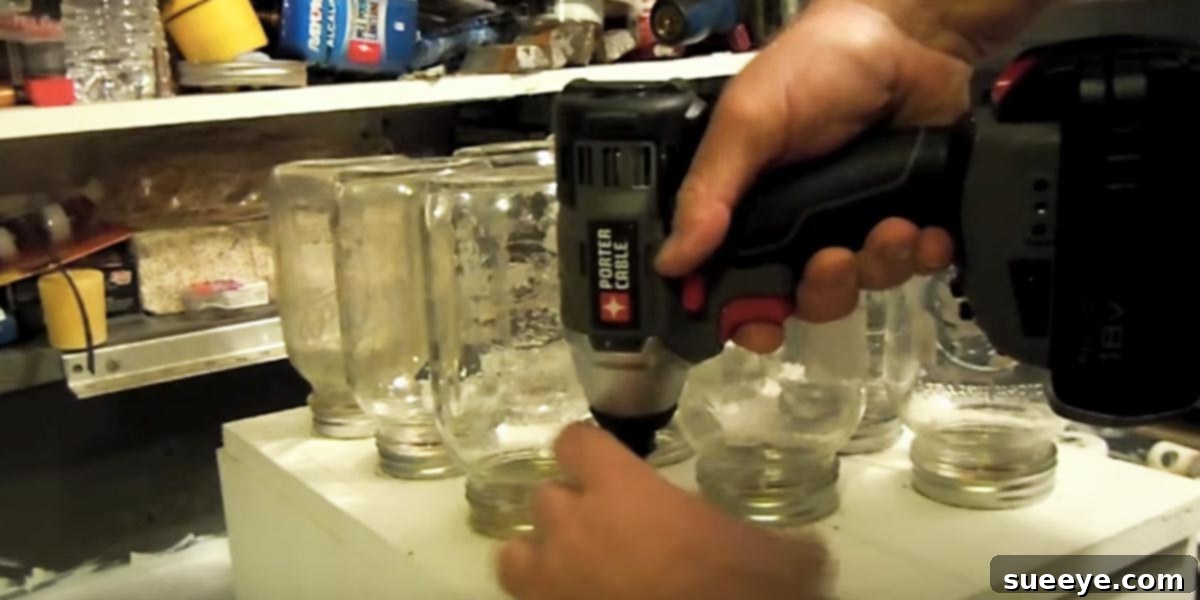
The construction involves creating a sturdy wooden box similar to a traditional Langstroth hive, but with a crucial modification: the top inner cover is designed with precise cutouts into which the mason jar mouths fit snugly. Bees will then enter the jars from the main hive body below, drawing comb and filling them with honey. Many DIY enthusiasts find inspiration and detailed plans from resources like Shepherd School, which often provide step-by-step tutorials to guide you through the construction process.
Introducing Your Bees and Ongoing Care:
Once your hive box is ready, you’ll introduce your bee colony. Proper hive placement in a sunny, sheltered spot, away from heavy foot traffic, is crucial. Regular inspections (though potentially less invasive for harvesting) will still be necessary to monitor bee health, check for pests, and ensure the queen is laying effectively. Observing your bees through the clear jars adds an extra layer of engagement and helps you understand their progress.
Challenges and Considerations for the Mason Jar Beekeeper
While mason jar beekeeping simplifies harvesting, it’s important to remember that you are still managing a living colony. Some aspects of traditional beekeeping remain relevant:
- Hive Management: Swarm prevention, disease monitoring, and pest control (like Varroa mites) are continuous responsibilities for any beekeeper, regardless of hive design.
- Weather Protection: Your hive will need adequate protection from harsh weather conditions – extreme heat, cold, rain, and wind.
- Legal Aspects: Always check local ordinances and regulations regarding beekeeping in your area. Some municipalities have specific rules about hive placement or registration.
- Winterizing: Ensuring your bees have enough stores to survive winter and proper insulation is vital.
Beyond the Basics: Expanding Your Apicultural Horizons
Once you’ve mastered the basics of mason jar beekeeping, you might find yourself drawn deeper into the fascinating world of bees. You could explore different types of honey bees, learn about queen rearing, or even expand your apiary. The easy harvesting method makes it simpler to manage multiple small colonies without being overwhelmed by extraction logistics.
Furthermore, beekeeping isn’t just about honey. Bees also produce other valuable products like beeswax (which you’ll easily collect from the comb in the jars), propolis, and even royal jelly. The comb from your jars, once the honey is consumed, can be melted down and purified to create candles, balms, and polishes, adding another layer of self-sufficiency to your homesteading endeavors.
Embrace the Sweet Life: Your Journey to Fresh Backyard Honey
The thought of fresh, local honey, rich in flavor and brimming with natural goodness, is incredibly appealing. With the innovative approach of mason jar beekeeping, this dream is more attainable than ever before. It’s a method that promises ease, cleanliness, and an unparalleled connection to the industrious world of honey bees. Whether you’re a seasoned homesteader looking for an efficient new technique or a curious beginner eager to try your hand at supporting pollinators and enjoying nature’s sweetest reward, this brilliant DIY project offers a clear path forward.
Don’t let perceived complexities hold you back from the incredibly rewarding experience of keeping bees. Dive into the world of mason jar beekeeping and discover for yourself just how easy and enjoyable harvesting your own backyard honey can be. It’s an adventure that promises not just honey, but a deeper appreciation for nature’s delicate balance and the incredible work of our tiny, buzzing friends.