
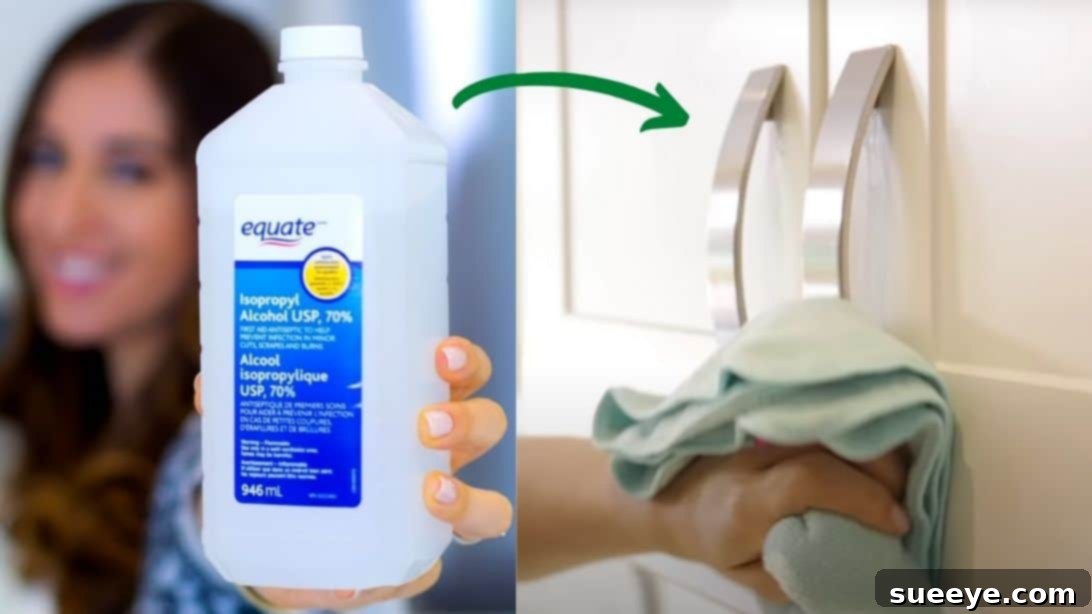
Mastering Household Cleanliness: 7 Essential Rubbing Alcohol Hacks for a Healthier Living Space
In today’s world, maintaining a clean and hygienic environment is more crucial than ever. Our homes are our sanctuaries, and ensuring they are free from dirt, grime, and harmful bacteria is vital for the well-being of ourselves and our loved ones. While many commercial cleaners promise sparkling results, a simple, versatile, and incredibly effective solution often sits unnoticed in our medicine cabinets: rubbing alcohol. Far more than just a first-aid staple, isopropyl alcohol is a powerhouse cleaning agent that can revolutionize your household chores. From disinfecting surfaces to banishing stubborn smudges, rubbing alcohol offers a quick-drying, residue-free clean that’s hard to beat.
This comprehensive guide will unlock the full potential of rubbing alcohol, presenting seven ingenious hacks inspired by cleaning experts like Clean My Space. Get ready to transform your cleaning routine, achieve unparalleled cleanliness, and enjoy a healthier home with these easy-to-follow, practical tips.
Why Rubbing Alcohol is Your Ultimate Cleaning Ally
Rubbing alcohol, typically isopropyl alcohol, boasts several properties that make it an exceptional cleaning and disinfecting agent. Firstly, its high alcohol content (usually 70% or 91%) makes it a potent antiseptic, effectively killing bacteria, viruses, and fungi on contact. Secondly, it’s an excellent solvent, meaning it can dissolve grease, oils, and various types of grime with ease. Thirdly, it evaporates rapidly without leaving behind streaks or residues, which is a significant advantage for cleaning delicate surfaces like electronics and glass. Lastly, its affordability and accessibility make it a practical choice for everyday household tasks.
Gather Your Cleaning Arsenal: Essential Materials
Before we dive into these transformative cleaning hacks, ensure you have the following basic materials on hand. Most of these are common household items, making these cleaning solutions not only effective but also highly convenient and budget-friendly.
- Rubbing alcohol (70% or 91% isopropyl alcohol)
- Clean spray bottle(s)
- High-quality essential oil (e.g., lavender, tea tree, lemon – optional, for scent and added properties)
- Soft, lint-free microfiber cloth(s)
- Clean cotton sock or old microfiber towel
- Pure aloe vera gel
- Nourishing oil (e.g., sweet almond oil, jojoba oil, or Vitamin E oil)
- Small squeeze bottle or pump bottle
- Small bowl or measuring cup
- Distilled water (preferred for some applications to avoid mineral deposits)
Unlocking the Power of Isopropyl Alcohol: Your Guide to a Spotless Home
Prepare to be amazed by the versatility of rubbing alcohol as we explore seven incredible ways to integrate it into your regular cleaning regimen. Each hack is designed to address common household cleaning challenges, providing simple yet powerful solutions.
Hack #1: Craft Your Own All-Purpose Disinfectant Spray
During flu season, or indeed at any time, surfaces in our homes can become breeding grounds for germs and bacteria. While regular cleaning removes visible dirt, disinfection targets the microscopic pathogens that can cause illness. Creating your own DIY disinfectant spray with rubbing alcohol is an effective and economical way to keep your living spaces truly sanitized.
What you’ll need: A clean spray bottle, 1 cup of plain water, 1 cup of rubbing alcohol (preferably 70% or higher for optimal disinfecting power), and 20-30 drops of a powerful essential oil like lavender (known for its antibacterial properties and calming scent) or tea tree (a natural antiseptic and antiviral agent). For enhanced effectiveness, particularly if using 70% isopropyl alcohol, you can slightly increase the alcohol ratio to ensure the final solution maintains a potent germ-killing concentration.
Directions: Carefully combine all ingredients in the spray bottle. Shake well to mix thoroughly before each use. Spray the solution generously onto frequently touched surfaces such as doorknobs, light switches, countertops, toilet seats, sink faucets, and even remote controls. Allow the disinfectant to sit for a couple of minutes – this contact time is crucial for the alcohol to effectively kill germs. Afterward, wipe the surface clean with a dry microfiber cloth. This method not only disinfects but also leaves a fresh, clean scent thanks to the essential oils. Always ensure good ventilation when using cleaning sprays.
Hack #2: Effortless Blind and Vent Cleaning
Blinds and air vents are notorious dust and grime magnets, often overlooked in routine cleaning. Their intricate designs make them challenging to clean effectively, yet they significantly impact indoor air quality and the overall appearance of a room. Rubbing alcohol provides an excellent solution, cutting through grease and dust while disinfecting.
What you’ll need: A spray bottle filled with rubbing alcohol and a clean sock (or a microfiber cloth that fits snugly over your hand).
Directions: First, ensure your blinds are closed and angled in one direction, creating a relatively flat surface. Lightly mist a section of the blinds or vent slats with rubbing alcohol. Immediately slip the sock over your hand and wipe firmly along each slat or vent blade. The alcohol will dissolve the grime and dust, while the sock acts as a convenient cleaning mitt, trapping the debris. Flip the blinds to the opposite angle and repeat the process. For especially grimy areas, you might need to re-spray and wipe. This method is incredibly efficient for Venetian blinds, vertical blinds, and even air conditioning vents, leaving them sparkling clean and sanitized without tedious scrubbing.
Hack #3: Safely Sanitize and Shine Your Electronics
Our electronic devices – smartphones, tablets, keyboards, and remote controls – are among the most touched items in our daily lives, making them hotbeds for germs and unsightly fingerprint streaks. Using the wrong cleaning agent can damage screens and finishes. Rubbing alcohol, when properly diluted, offers a safe and effective way to clean and disinfect these essential gadgets.
What you’ll need: A small spritz bottle, equal parts rubbing alcohol (70% isopropyl is ideal) and distilled water, and a flat-weave microfiber cloth.
Directions: In the spritz bottle, mix equal parts rubbing alcohol and distilled water. This dilution prevents damage to sensitive coatings on screens while still being effective. Important: Always power off your device and remove its case before cleaning. Never spray the solution directly onto the device. Instead, lightly mist the diluted alcohol solution onto a clean, flat-weave microfiber cloth until it is damp, not soaking wet. Gently wipe down the screen, back, and sides of your phone, tablet, or other electronics. The alcohol solution will lift dirt, dissolve oily fingerprints, and remove smudges, leaving a streak-free, disinfected surface. This method also helps to prevent discoloration and keeps your devices looking new and operating hygienically. For keyboards, use a cotton swab dampened with the solution to clean between keys.
Hack #4: Restore the Luster to Chrome Surfaces
Chrome fixtures add a touch of elegance to any bathroom or kitchen, but they are prone to water spots, soap scum, and smudges, which can quickly diminish their shine. Rubbing alcohol is a fantastic, quick-fix solution for polishing chrome and removing those pesky marks, leaving a brilliant, streak-free finish.
What you’ll need: A soft, lint-free cloth and rubbing alcohol.
Directions: Simply moisten a corner of your soft cloth with rubbing alcohol. Use the dampened cloth to wipe down chrome fixtures such as faucets, showerheads, towel racks, and appliance handles. The alcohol works rapidly to dissolve mineral deposits from hard water, cut through soap scum, and remove fingerprints. As it evaporates quickly, it leaves behind a sparkling, polished surface without the need for rinsing or further buffing. This hack not only restores the shine but also provides a mild disinfecting action, making your chrome fixtures both clean and hygienic.
Hack #5: Achieve Crystal-Clear Eyeglasses
Smudged eyeglasses are a daily nuisance, obstructing vision and making the world appear blurry. Commercial lens cleaners can be expensive, and using improper materials or harsh chemicals can scratch or damage lens coatings. A simple DIY solution using rubbing alcohol can provide crystal-clear vision without the fuss.
What you’ll need: A small spray bottle (about 2-3 oz is perfect), rubbing alcohol (fill ¾ of the bottle), clean water (fill the remaining ¼), and a tiny drop of mild dish soap (e.g., Dawn).
Directions: Fill your small spray bottle with rubbing alcohol, leaving about a quarter of the space. Top it off with clean water. Add just one drop of dish soap – no more than about half the size of your pinky nail; too much soap will cause streaks. Cap the bottle and gently roll it between your hands to mix the contents thoroughly without creating excessive air bubbles. Spray both sides of your eyeglass lenses with this solution. Immediately wipe them dry with a clean, dedicated flat-weave microfiber cloth designed for optics. This solution effectively cuts through oils, fingerprints, and smudges, providing a streak-free clean that will make your glasses feel brand new. Store this small bottle in your bag or car for on-the-go touch-ups.
Hack #6: DIY Refreshing Hand Sanitizer Gel
In situations where soap and water aren’t readily available, hand sanitizers offer a convenient way to reduce germs. While store-bought options are plentiful, making your own ensures you know exactly what ingredients are going into it, often at a fraction of the cost. This recipe combines the germ-killing power of alcohol with moisturizing ingredients to prevent dryness.
What you’ll need: A clean squeeze bottle (or pump bottle), 1 part rubbing alcohol (preferably 91% for a final product with at least 60% alcohol concentration), 2 parts pure aloe vera gel, 1 tablespoon of nourishing oil (such as sweet almond oil, jojoba oil, or Vitamin E oil to counteract the drying effects of alcohol), and 15-20 drops of essential oil (e.g., tea tree, eucalyptus, or citrus oils for added antimicrobial benefits and a pleasant scent).
Directions: In the clean squeeze bottle, combine the rubbing alcohol, aloe vera gel, nourishing oil, and essential oils. Close the bottle tightly and shake vigorously for at least a minute until all ingredients are thoroughly blended into a smooth gel consistency. Perform a small patch test on your skin to ensure no irritation. Dispense a small amount into your palm and rub your hands together until dry. This homemade sanitizer effectively cleanses your hands while keeping them moisturized, a perfect companion for when you’re on the go.
Hack #7: The Secret to Streak-Free Mirrors and Glass
Achieving truly streak-free mirrors and glass surfaces can be a frustrating endeavor. Many commercial glass cleaners leave behind a cloudy film or streaks, especially when exposed to sunlight. Rubbing alcohol, with its quick-drying and solvent properties, is the perfect secret ingredient for sparkling, crystal-clear results.
What you’ll need: A clean spray bottle, 1 cup of rubbing alcohol, 1 cup of distilled water (to prevent mineral spots), and 1 tablespoon of white vinegar (optional, for extra cleaning power and shine).
Directions: Combine the rubbing alcohol, distilled water, and optional white vinegar in a spray bottle. Shake gently to mix. Spray a fine mist of the solution onto your mirror, window, or glass surface. Immediately wipe the surface clean with a dry, lint-free microfiber cloth, using broad, overlapping strokes. The alcohol will quickly evaporate, taking with it any dissolved grime and leaving behind a brilliant, streak-free shine. This solution is ideal for bathroom mirrors, windows, glass tabletops, and even car windows, elevating the clarity and cleanliness of your home.
Essential Safety Tips for Using Rubbing Alcohol
While rubbing alcohol is a valuable cleaning tool, it’s crucial to use it safely. Always keep the following precautions in mind:
- Flammability: Rubbing alcohol is highly flammable. Keep it away from open flames, heat sources, and sparks. Do not smoke while using it.
- Ventilation: Use rubbing alcohol in well-ventilated areas to avoid inhaling excessive fumes, which can cause dizziness or nausea.
- Skin and Eye Contact: Avoid prolonged skin contact, as it can be drying. Wear gloves if you have sensitive skin. In case of eye contact, flush immediately with plenty of water and seek medical attention if irritation persists.
- Ingestion: Rubbing alcohol is toxic if ingested. Keep out of reach of children and pets.
- Surface Compatibility: While safe for many surfaces, always perform a patch test on an inconspicuous area first, especially on delicate finishes, painted surfaces, or certain plastics, to ensure it doesn’t cause discoloration or damage. Avoid using high concentrations on varnished or shellacked surfaces.
- Storage: Store rubbing alcohol in its original container, tightly sealed, in a cool, dry place away from direct sunlight and heat.
Conclusion: Embrace a Cleaner, Healthier Lifestyle
Rubbing alcohol is truly a hidden gem in the world of household cleaning. Its powerful disinfectant and solvent properties, combined with its quick-drying, streak-free finish, make it an indispensable tool for maintaining a spotless and hygienic home. By incorporating these seven simple yet effective hacks into your routine, you can tackle everything from grimy electronics to dusty blinds and foggy eyeglasses, all while promoting a healthier living environment.
Embrace the versatility of rubbing alcohol and discover how effortlessly you can achieve professional-level cleanliness throughout your home. A little bit of knowledge and a few simple supplies can go a long way in creating a space that is not only visually appealing but also genuinely clean and safe for everyone.
*All image credit belongs to Clean My Space via YouTube. Follow and subscribe to her channel for more ingenious cleaning tips and tricks.