
Key Stuck In A Lock? Try This Quick & Easy Solution!
Few things are as frustrating as a key that refuses to budge from a lock. Whether you’re rushing out the door or simply trying to secure your home, a stuck key can quickly turn a simple task into a major headache. You pull, you twist, you jiggle, but it just won’t come out. If you’ve ever found yourself in this predicament, or perhaps you know someone who has, then you’ve landed on the right page. This common household annoyance, often attributed to a misaligned lock cylinder, has a surprisingly simple and swift solution that doesn’t require any specialized tools or a costly call to a locksmith. In fact, with just a couple of basic items and a clever technique, you can free your key in a matter of seconds. Get ready to learn the secret demonstrated by the experts at Guardian Safe & Lock in their insightful video tutorial, and empower yourself with a skill that will save you time and stress.
Understanding Why Your Key Gets Stuck: The Anatomy of a Lock Problem
Before diving into the fix, it’s helpful to understand what’s typically happening inside your lock when a key gets jammed. The most frequent culprit is a misaligned lock cylinder. Inside every standard pin tumbler lock, there’s a set of pins that must align perfectly for the key to be inserted, turned, and then removed. When you insert your key, it pushes these pins into specific positions, allowing the cylinder to rotate. However, if the cylinder itself isn’t perfectly stable or if internal components are slightly out of sync, these pins can bind, preventing the key from being withdrawn.
This misalignment can occur for various reasons. Over time, constant use can cause wear and tear on the lock’s internal mechanisms. Sometimes, even the slight movement of the door frame or the lock housing can shift the cylinder just enough to create friction. Another common, yet often overlooked, cause is loose hardware securing the lock to the door. When the screws holding the lock in place are loose, the entire cylinder assembly can shift, making it difficult for the internal pins to line up correctly when the key is inserted or removed.
While cylinder misalignment is paramount, other factors can also contribute to a key getting stuck:
- Bent or Damaged Key: A key that is even slightly bent or has damaged teeth may not slide smoothly in and out of the lock, causing it to bind.
- Debris Inside the Lock: Dirt, dust, lint, or even tiny fragments of metal can accumulate inside the keyway, obstructing the free movement of the key and the internal pins.
- Worn-Out Lock Mechanism: Old locks naturally wear down. The internal springs might weaken, or the pins might lose their precise shape, leading to sticking.
- Lack of Lubrication: Locks, like any mechanical device, benefit from lubrication. A dry, unlubricated lock can cause increased friction and make the key harder to remove.
- Improper Key Insertion: Forcing a key or inserting it at an odd angle can also cause temporary binding.
- Extreme Temperatures: In very cold weather, any moisture inside the lock can freeze, or lubricants can thicken, causing the mechanism to seize.
Recognizing the signs of cylinder misalignment – such as the keyway visibly moving or “popping out” as you try to pull the key – is crucial, as it directly leads to the simple solution we’re about to explore.
Materials You’ll Need for This Quick Fix
One of the best aspects of this solution is its simplicity. You won’t need an elaborate toolkit or specialized equipment. Chances are, you already have these items readily available in your home.
- Your Stuck Key: Naturally, you’ll need the key that is currently stuck in the lock.
- Screwdriver: A Phillips head or flathead screwdriver will typically suffice, depending on the type of screws securing your door lock’s escutcheon plate or the strike plate on the door frame. This is essential for addressing the common issue of loose door hardware.
- Optional but Recommended: A small can of graphite lubricant or a dry lock lubricant. This isn’t for the immediate fix but is excellent for preventative maintenance once the key is free. Avoid using oil-based lubricants like WD-40 inside your lock, as they can attract dust and create a gummy residue over time.
- Optional: A flashlight, which can be helpful for closely inspecting the lock and keyway if visibility is poor.
Step-by-Step Directions: How to Easily Fix Your Stuck Key
This method focuses on correcting the misalignment of the lock cylinder, which is the most common reason a key gets stuck. Follow these steps carefully to free your key quickly and efficiently.
Step 1: Stay Calm and Resist Force
The first and most important rule when a key is stuck is to avoid applying excessive force. Forcing the key can bend or break it inside the lock, turning a simple problem into a much more complex and expensive one. Take a deep breath and prepare to work methodically.
Step 2: Inspect and Tighten Door Hardware
Often, the root cause of a binding lock is not the lock mechanism itself, but the stability of its mounting. Locate the screws on the side of your door, typically on the latch plate or the strike plate where the bolt enters the door frame. These screws secure the lock assembly to the door. Over time, with constant opening and closing, these screws can become loose. A loose lock assembly allows the cylinder to shift slightly, causing the internal components to misalign and bind the key.
Using your screwdriver, gently but firmly tighten any screws you find. Ensure they are snug but do not overtighten, as this can strip the screws or damage the wood. Pay particular attention to the screws on the edge of the door that hold the latch and bolt mechanism in place. A stable lock housing provides a firm foundation for the cylinder, often resolving minor alignment issues. After tightening, try gently wiggling the key and attempting to pull it out again before proceeding to the next step.
Step 3: Observe the Keyway’s Movement
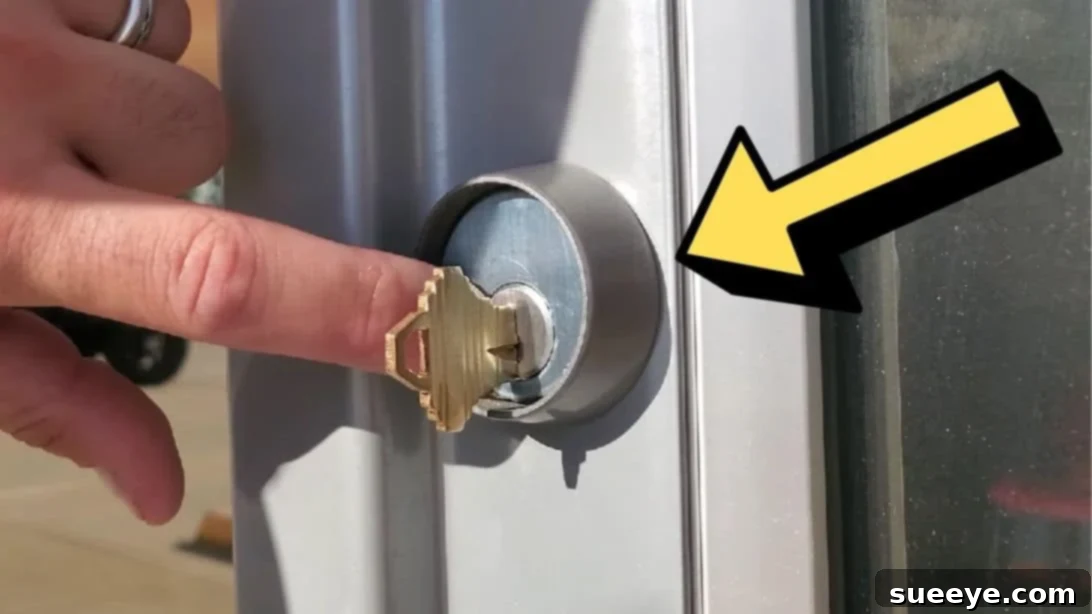
With the screws tightened, now focus your attention on the keyway itself – the slot where you insert the key. When you attempt to pull the key out, observe what happens. Does the keyway itself seem to move or “pop out” slightly from the door panel? This subtle outward movement is a key indicator that the internal cylinders are not lining up properly. The moment you pull, the cylinder tries to follow the key because it’s not held firmly in its correct position relative to the lock’s housing.
This “popping out” action directly demonstrates the misalignment. The inner workings of the lock, specifically the cylinder where the pins are located, are effectively shifting out of their optimal position. When this occurs, the pins cannot retract fully or align correctly, creating resistance and trapping your key.
Step 4: Execute the “Press and Pull” Technique
This is the core solution, remarkably simple yet highly effective for misaligned cylinders. When you notice the keyway attempting to pop out as you pull the key, you need to counteract that movement to keep the cylinders properly aligned.
Here’s how to do it:
- Position Your Hand: Place your thumb and/or index finger firmly on the visible part of the keyway, specifically the metal plate or ring surrounding the key slot. Your goal is to apply direct, steady pressure inward, towards the door.
- Apply Inward Pressure: As you apply this inward pressure to the keyway, you are essentially holding the lock cylinder in its correct, stable position within the door. This prevents it from shifting or popping out.
- Simultaneously Pull the Key: While maintaining consistent inward pressure on the keyway, gently but firmly pull the key straight out. The key should slide out smoothly as the internal components are now correctly aligned and are not binding.
The magic behind this technique lies in its ability to force the lock cylinder to stay put. By pressing the keyway inward, you’re ensuring that all the intricate parts inside – the pins, springs, and cylinder walls – maintain their proper spatial relationship. This allows the key to disengage from the pins without resistance, freeing it from the lock’s grasp.
Step 5: Test and Prevent Future Occurrences
Once the key is free, insert and remove it several times to ensure the lock is functioning properly. If the key still feels sticky or difficult to remove, consider applying a small amount of graphite or dry lubricant into the keyway. Insert the key a few times to work the lubricant throughout the mechanism. This can significantly improve the lock’s smoothness and prevent future sticking issues.
Remember, this “press and pull” technique is particularly effective when the issue is a shifting cylinder. If the key is broken inside the lock, or if it’s severely bent, or if the lock is simply too old and worn, you might need to explore other solutions or call a professional locksmith.
When to Call a Professional Locksmith
While the “press and pull” technique is incredibly effective for common stuck key scenarios, there are situations where professional help is warranted. Knowing when to call a locksmith can save you time, further damage, and frustration.
- Broken Key: If your key has snapped off inside the lock, especially if a significant portion remains, attempting to extract it yourself without the proper tools can push the broken piece deeper or damage the lock mechanism. Locksmiths have specialized key extractors.
- Severely Damaged Lock: If the lock mechanism feels completely seized, grinds excessively, or you suspect internal damage beyond a simple misalignment, a professional assessment is best.
- Repeated Issues: If your key continues to get stuck frequently, even after tightening screws and applying lubricant, it might indicate a deeper, underlying problem with the lock’s internal components that needs repair or replacement.
- Security Concerns: If the lock is part of your main security system and you’re unsure about its integrity after an incident, a locksmith can provide peace of mind by inspecting or upgrading it.
- Lost Key or Lockout: While not directly related to a stuck key, if you’re locked out and your key is stuck *inside* the house, or if the key is lost, a locksmith is your go-to expert.
Preventative Measures: Keep Your Locks Running Smoothly
Prevention is always better than cure. By adopting a few simple maintenance habits, you can significantly reduce the chances of your key getting stuck in the future:
- Regular Lubrication: Apply a small amount of graphite powder or a dry Teflon-based lock lubricant into your keyways every 6-12 months, especially for exterior locks exposed to the elements. Never use oil-based lubricants as they can attract dirt and gum up the mechanism.
- Check Door Hardware Periodically: Make it a habit to check and tighten the screws on your door’s latch plate and strike plate every few months. This ensures the lock assembly remains stable.
- Use Keys Gently: Avoid forcing keys into locks or turning them aggressively. If a key doesn’t turn easily, try wiggling it gently or removing and reinserting it.
- Inspect Keys for Damage: Periodically check your keys for bends, cracks, or excessive wear. A damaged key can harm your lock over time. Replace worn keys promptly.
- Clean Your Locks: If you suspect dust or debris, a quick spray of compressed air into the keyway can help clear obstructions (after removing the key).
- Consider Lock Replacement: Very old or frequently troublesome locks might be past their prime. Sometimes, replacing an aging lock with a new, quality one is the most cost-effective long-term solution.
Conclusion: Empower Yourself with This Simple Lock Fix
Dealing with a key stuck in a lock can be an incredibly annoying and sometimes stressful experience. However, as this comprehensive guide demonstrates, the solution is often much simpler than you might imagine. By understanding the common culprit – a misaligned lock cylinder due to loose door hardware – and mastering the straightforward “press and pull” technique, you can resolve this issue in mere moments, without the need for a professional locksmith or specialized tools.
Remember to always approach a stuck key calmly, tighten any loose screws, observe the keyway’s movement, and then confidently apply gentle inward pressure on the keyway while pulling the key out. This method not only frees your key but also provides valuable insight into the mechanics of your door lock. Moreover, by adopting simple preventative measures like regular lubrication and hardware checks, you can significantly reduce the likelihood of encountering this problem again.
We hope this tutorial empowers you to tackle minor lock dilemmas with confidence. For those who prefer visual instructions, the original video by Guardian Safe & Lock offers excellent demonstrations. Keep your locks well-maintained, and your keys moving smoothly!
All images used in this tutorial are courtesy of Guardian Safe & Lock via YouTube. We extend our gratitude for their helpful demonstration. If you found this tutorial valuable, consider visiting their channel for more insightful tips and subscribe!