
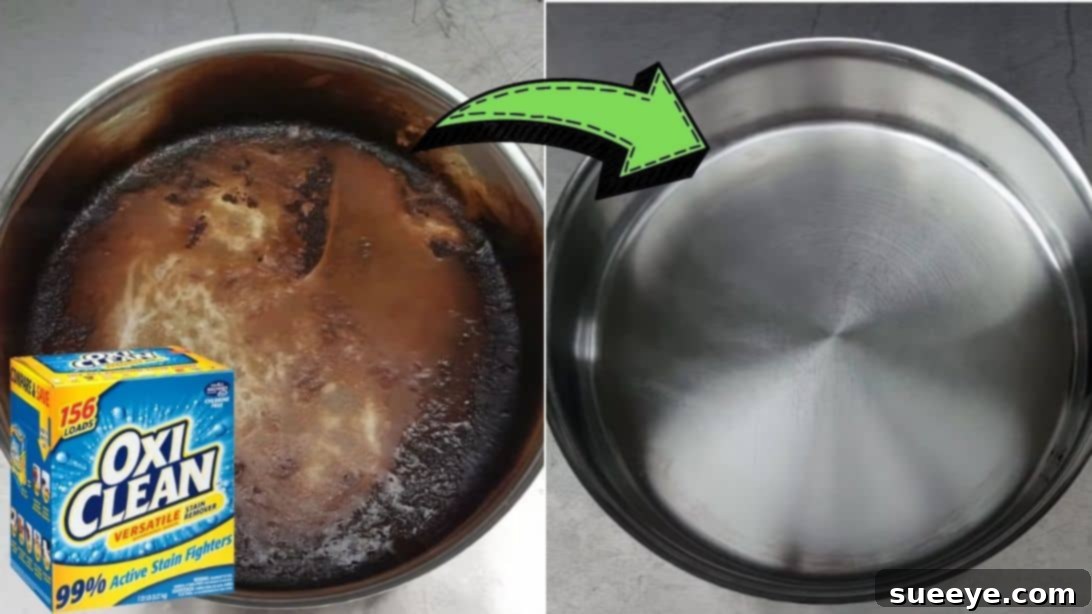
Effortlessly Clean Burnt Pots and Pans: The Ultimate No-Scrub Hack
There’s nothing quite as frustrating as discovering a pot or pan with a stubborn layer of burnt-on food. The mere sight of it can send shivers down your spine, knowing the extensive scrubbing battle that usually lies ahead. We’ve all been there: spending countless minutes, sometimes even hours, tirelessly scrubbing away at charred remnants, only to be left with aching arms, a still-stained pan, and a sense of defeat. But what if we told you there’s a revolutionary method that promises to eliminate this ordeal, requiring little to no physical scrubbing at all?
Prepare to bid farewell to your burnt-pot blues! We’ve uncovered an incredibly effective cleaning hack, championed by experts like Kitchen Tips Online from YouTube, that will transform your approach to kitchen cleanup. This ingenious technique is not only remarkably simple but also incredibly inexpensive, utilizing common household items you likely already possess. If the idea of effortlessly restoring your tarnished cookware sounds too good to be true, we encourage you to try it for yourself and witness the magic. Dive into our comprehensive guide below, where we detail every step and offer valuable insights to ensure your success.
This isn’t just another cleaning tip; it’s a game-changer for anyone who cooks regularly. Imagine reclaiming your time and energy, no longer dreading the aftermath of a culinary mishap. By harnessing the power of a readily available cleaning agent and a straightforward process, you’ll learn how to tackle even the most entrenched burnt messes, making them a problem of the past. Let’s get started on your journey to a sparkling, stress-free kitchen.
The Science Behind the Shine: How This Method Works
Before we delve into the practical steps, understanding why this method is so effective can enhance your confidence and results. The secret lies in the primary ingredient: Oxiclean. Oxiclean, an oxygen-based cleaner, works by releasing oxygen when mixed with water, especially hot water. This oxygen acts as a powerful oxidant, breaking down the chemical bonds of burnt food and grease. Instead of relying on abrasive scrubbing that can scratch and damage your cookware, this method uses a chemical reaction to lift and loosen the charred particles. The boiling process accelerates this reaction, allowing the solution to penetrate deep into the burnt layers, effectively dissolving them from the surface of your pot or pan.
Traditional scrubbing often requires immense physical effort and can be counterproductive, particularly on non-stick surfaces or delicate finishes. This hack, however, allows the solution to do the heavy lifting, gently but powerfully attacking the burnt residue without the need for harsh abrasives. The result is a cleaner pan with minimal effort, preserving the integrity and longevity of your beloved cookware. It’s a smart, efficient, and damage-free way to restore your pots and pans to their former glory.
Gathering Your Essential Cleaning Arsenal
One of the many appealing aspects of this cleaning hack is its simplicity and the minimal tools required. You won’t need an elaborate collection of specialty cleaners or expensive gadgets. Just a few basic items, most of which are likely already in your pantry or under your sink, are all you need to achieve remarkable results. Prepare your materials before you begin to ensure a smooth and uninterrupted cleaning process.
- ¼ cup of Oxiclean (powdered original formula is typically recommended for best results)
- 8 cups of water (standard tap water works perfectly)
- Steel wool, sponge, or soft brush, if needed (for very stubborn, residual spots, chosen carefully based on your pan’s material)
- A burnt pot or pan (suitable for this method, typically stainless steel or enamel)
- Rubber gloves (recommended for hand protection)
- Good ventilation (important when boiling cleaning solutions)
A note on Oxiclean: Ensure you’re using the powdered laundry booster formula, as this is designed for tackling tough stains. While other Oxiclean products exist, the original powdered version is the most potent for this specific application. For the steel wool or scrubbing tool, consider your pan’s material. For stainless steel, steel wool can be effective for truly stubborn spots. For more delicate surfaces, opt for a non-scratch scrub sponge or a soft bristle brush to avoid any potential damage.
The Step-by-Step Guide to a Spotless Pan
Follow these instructions carefully to ensure the best possible outcome. Patience and attention to detail are key to achieving a truly “no-scrub” experience.
Step 1: Initial Preparation and Solution Creation
Begin by giving your pan a preliminary scrape. While this method aims to minimize scrubbing, removing any loose, large chunks of burnt food will allow the Oxiclean solution to penetrate more effectively. Use a wooden or plastic spatula, or even the back of a spoon, to gently dislodge anything that comes off easily. Avoid using metal utensils on non-stick surfaces during this preliminary step to prevent scratching. This step isn’t about deep cleaning, but rather about preparing the surface for the solution to work its magic.
Next, place the burnt pan back onto your stovetop burner. Fill the pan with approximately three-quarters of the way with water, or about eight cups, ensuring that the water level covers all the burnt areas. The exact measurement is less critical than ensuring full coverage of the affected surfaces. Then, carefully add a quarter cup of Oxiclean powder into the water. As you add the powder, avoid inhaling the dust, and ensure good ventilation in your kitchen by opening a window or turning on your extractor fan. The Oxiclean will begin to dissolve and activate in the water.
Step 2: The Boiling Transformation and Cooling Phase
Once the Oxiclean has been added, use a whisk or a wooden spoon to gently mix the solution until the powder is mostly dissolved and well combined with the water. This ensures an even distribution of the active cleaning agents. Now, turn the heat to medium-high and bring the solution to a boil. This is a critical stage where the chemical reaction is highly active. Keep a very close eye on the pan; do not leave it unattended, as the solution can foam up and potentially boil over quite quickly. The boiling action significantly enhances Oxiclean’s ability to break down and lift the burnt residue.
Allow the solution to boil for several minutes, typically between 5 to 10 minutes, or until you start to see the burnt areas visibly loosening and lifting from the pan’s surface. Once you observe this transformation, turn off the heat immediately. Carefully place a lid on the pan to trap the steam and allow the solution to continue working as it cools down. This slow cooling process gives the Oxiclean more time to penetrate and dissolve any remaining burnt particles. Let the pan sit undisturbed until it has completely cooled to room temperature. This could take anywhere from a few hours to overnight, depending on the pan’s size and thickness. Patience during this cooling phase is rewarded with minimal post-cleaning effort.
Step 3: Rinsing and Final Touches
Once the pan and its contents are entirely cool, you can safely proceed to the final steps. Carefully pour the cooled solution and any loosened burnt residue into the sink. You’ll likely be amazed at how much of the burnt-on mess has detached itself from the pan, often coming away in large pieces. Rinse the pan thoroughly under clean, running water. For most burnt spots, a simple rinse and perhaps a quick wipe with a soft sponge will be all that’s needed to reveal a sparkling clean surface.
For any exceptionally stubborn spots that might remain, this is where your optional steel wool, sponge, or soft brush comes into play. With the burnt particles significantly softened and loosened by the Oxiclean treatment, even the toughest areas will require very little scrubbing effort. Gently scrub these remaining spots until they are completely clean. Finish by rinsing the pan one last time with fresh water and drying it thoroughly. You will be left with a gleaming, restored pan, proving that an effective, “no-scrub” cleaning method is not just a dream but a practical reality.
Beyond Cleaning: Tips for Preventing Future Burnt Messes
While this hack is incredibly effective for tackling burnt pans, prevention is always better than cure. Adopting a few simple habits in your kitchen can significantly reduce the likelihood of future burnt-on messes, saving you time and effort in the long run.
- Mind Your Heat: Many cooking mishaps occur from using excessively high heat. Adjust your burner to an appropriate temperature for the food you’re cooking. High heat is rarely necessary for most dishes and can quickly lead to burning.
- Use Enough Fat: A small amount of oil, butter, or cooking spray can create a protective barrier between your food and the pan, reducing the chances of sticking and burning.
- Stir Frequently: Especially when cooking sauces, grains, or anything prone to sticking, frequent stirring helps distribute heat evenly and prevents food from settling and burning at the bottom of the pan.
- Choose the Right Cookware: Match your pan to the dish. A heavy-bottomed pan distributes heat more evenly and is less likely to scorch food than a thin, flimsy one.
- Don’t Overcrowd the Pan: Overcrowding lowers the pan’s temperature and can lead to steaming instead of searing, potentially leaving food sitting in liquid for too long and increasing the chance of sticking.
- Clean Spills Immediately: If food spills onto the exterior of your pan during cooking, wipe it off quickly before it has a chance to bake on and become a stubborn burnt mess.
- Stay Attentive: The most crucial tip is to simply pay attention while cooking. Don’t leave food unattended on the stove, especially if you’re using higher heat or cooking something prone to burning.
Compatibility: Which Pans Can Benefit?
This Oxiclean cleaning method is generally safe and highly effective for several types of cookware. It works wonderfully on stainless steel pots and pans, restoring their shine without scratching. It’s also suitable for enameled cast iron (like Le Creuset or Staub), helping to remove burnt residues from the enamel surface. Many people have also found success using it on glass bakeware and some ceramic dishes.
However, it’s essential to exercise caution with certain materials. Avoid using this method on uncoated aluminum, as Oxiclean can cause discoloration or pitting. For cast iron cookware (unenameled), it’s generally not recommended, as the solution can strip away the pan’s seasoned layer, which is crucial for its non-stick properties and protection against rust. Always check manufacturer guidelines for your specific cookware if you’re unsure, especially for non-stick pans. While some non-stick pans can withstand a gentle Oxiclean treatment, prolonged boiling with harsh chemicals might degrade the non-stick coating over time. When in doubt, always test on an inconspicuous area first.
Embrace the Ease: Reclaim Your Kitchen Joy
Say goodbye to the dread of burnt pots and hello to a simpler, more efficient way of maintaining your kitchenware. This “no-scrub” hack, courtesy of the insightful tips from Kitchen Tips Online, is a true game-changer. It not only saves you immense time and effort but also helps preserve the life of your beloved pots and pans, preventing the need for costly replacements. By incorporating this easy and inexpensive method into your cleaning routine, you can approach cooking with renewed confidence, knowing that any minor mishaps can be effortlessly remedied.
We extend our sincere thanks to Kitchen Tips Online via YouTube for sharing such a brilliant and practical solution. Their dedication to simplifying kitchen challenges truly empowers home cooks everywhere. If you found this kitchen cleaning hack invaluable, we highly recommend visiting their channel and subscribing for more fantastic video tutorials and clever household tips. Don’t let burnt food spoil your cooking experience ever again – give this hack a try and enjoy the satisfaction of effortlessly clean cookware!
How To Clean Burnt Pots Without Scrubbing: A Summary of Efficiency
In essence, cleaning burnt pots without scrubbing involves a simple chemical reaction initiated by Oxiclean and hot water. The process is straightforward: pre-scrape loose debris, fill the pot with water and Oxiclean, bring to a boil, let it cool completely, then rinse. This method leverages the power of oxygen bleach to dissolve and lift burnt-on food, minimizing the need for manual effort and protecting your cookware from abrasive damage. It’s an efficient, cost-effective, and surprisingly easy solution to a common kitchen nightmare, transforming arduous cleaning tasks into a simple, hands-off process.