
Kickstart Your Garden: The Best Seeds to Plant Indoors in January for a Bountiful Harvest
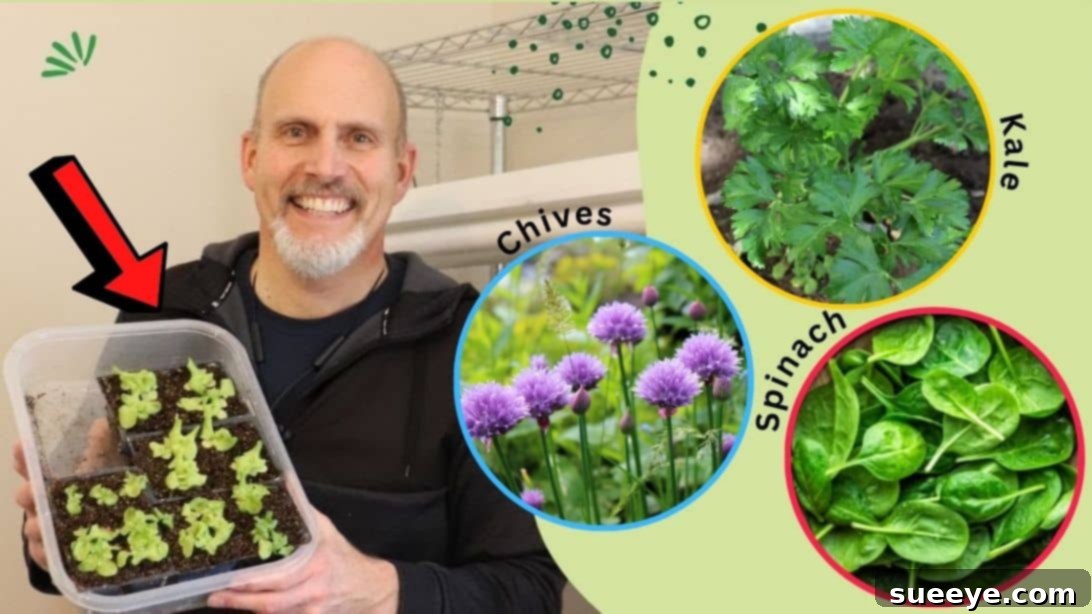
Embarking on a gardening journey, particularly with the aim of growing your own food, is a deeply rewarding experience that offers numerous benefits, from saving money on groceries to fostering a stronger connection with nature. It’s a delicate yet immensely satisfying activity, far more nuanced than simply scattering seeds. Successful gardening requires understanding the specific needs of your plants, knowing optimal planting times, and mastering the art of nurturing them from seed to harvest. The season, in particular, plays a critical role in plant growth and survival, making strategic planning essential for any gardener. January, often perceived as a dormant month for gardening, is, in fact, an ideal time to get a head start on certain crops by planting seeds indoors. This proactive approach allows you to bypass the unpredictability of early spring weather and cultivate robust seedlings ready for transplanting when conditions are just right. For an excellent visual guide and further insights, check out this informative video tutorial by ourstoneyacres on YouTube, which offers valuable tips for successful winter seed starting.
Why Start Seeds Indoors in January?
Starting seeds indoors during the cold winter months offers several significant advantages for gardeners. It provides a head start on the growing season, especially for plants with long maturity periods, ensuring you can enjoy an earlier harvest. Indoor conditions allow for greater control over critical environmental factors like temperature, light, and moisture, protecting delicate seedlings from harsh outdoor elements. This method also enables you to grow a wider variety of plants that might not thrive if direct-sown later in the season. Furthermore, it can be a cost-effective way to produce numerous plants from a single seed packet, often cheaper than buying established seedlings from a nursery. Beyond the practical benefits, nurturing seeds indoors offers a wonderful way to combat the winter blues, keeping your green thumb active and providing a hopeful glimpse of the abundant garden to come.
Essential Indoor Seed Starting Tips
Before diving into specific plant recommendations, mastering a few fundamental indoor seed starting techniques will significantly increase your success rate:
- Quality Seed Starting Mix: Use a sterile, fine-textured seed starting mix, not garden soil, to prevent diseases and ensure proper drainage.
- Adequate Light: Seedlings require ample light, ideally 14-16 hours per day. A south-facing window might suffice, but grow lights are highly recommended to prevent leggy, weak growth. Position lights just a few inches above the seedlings.
- Consistent Temperature: Most seeds germinate best at temperatures between 65-75°F (18-24°C). Heat mats can be very beneficial for maintaining optimal soil temperature.
- Proper Watering: Keep the seed starting mix consistently moist but never soggy. Use a spray bottle for gentle watering or bottom-water by placing trays in a shallow pan of water until the soil surface is damp.
- Good Air Circulation: Gentle air movement, perhaps from a small fan, helps strengthen seedling stems and reduces the risk of fungal diseases like damping-off.
- Humidity Control: Covering seed trays with a clear dome or plastic wrap helps maintain humidity for germination, but remove it once seedlings emerge to prevent fungal issues.
- Hardening Off: Before transplanting outdoors, gradually acclimate your seedlings to outdoor conditions over 7-10 days. This involves exposing them to increasing periods of sunlight, wind, and cooler temperatures.
Top Seeds to Plant Indoors in January
January is an excellent time to sow a variety of seeds that benefit from an early start. Here are nine resilient and delicious options perfect for indoor cultivation:
1.) Chives
Chives are a delightful perennial herb, meaning they return year after year, offering a continuous supply of their delicate oniony flavor. Once established, these resilient plants require minimal maintenance beyond regular harvesting. Starting chives indoors in mid-January is ideal, as they have a longer development period before they are ready for outdoor transplanting. Expect to keep them indoors for approximately 8 to 10 weeks, making them ready for transfer to your garden by early April. Their slender, grassy leaves add a fresh kick to salads, soups, and egg dishes, making them a kitchen staple. Chives also make attractive border plants and can deter certain garden pests.
2.) Kale
Often hailed as one of the most robust and versatile leafy greens, kale truly excels in varying conditions. While it can withstand both cold and heat, its flavor tends to sweeten and improve significantly when grown in cooler temperatures. Starting kale indoors around mid-January provides its seedlings with a protected environment to develop strong roots and leaves. By mid-March, these vigorous plants will typically be ready for transplanting outdoors. To ensure optimal growth and protect against unexpected late frosts, consider using a row cover or other protective measures once they are in the garden. There are many varieties to explore, from the classic curly kale to the more tender Lacinato (Dinosaur) kale, all packed with nutrients. Kale is an excellent choice for a consistently productive garden.
3.) Spinach
Spinach is another incredibly hearty green that thrives in cooler weather and offers a quick turnaround from seed to harvest. However, it presents a unique challenge when it comes to transplanting due to its long, delicate taproot that dives deep into the soil. To minimize transplant shock, it is highly recommended to start spinach seeds indoors in containers that offer sufficient depth. Using pots or cell trays that are at least 3 inches high, or even deeper as demonstrated in the tutorial, will provide ample space for the taproot to develop without becoming constricted. This thoughtful approach ensures that when it’s time to move your spinach seedlings outdoors, their root system remains intact, leading to healthier, more vigorous plants. Enjoy fresh spinach in salads, smoothies, or lightly sautéed.
4.) Parsley
Parsley, a popular biennial herb often grown as an annual, is known for its slow germination. Giving it an early start indoors in January is a clever way to ensure you have fresh parsley ready by spring. Both curly and flat-leaf varieties are excellent choices for culinary use. Plant seeds in moist soil, keep them warm, and be patient – germination can take up to three weeks. Once established, parsley adds a vibrant freshness to countless dishes, from garnishes to flavoring agents. It prefers rich, well-draining soil and a sunny spot once transplanted outdoors. Remember to keep the soil consistently moist, especially during dry spells.
5.) Swiss Chard
Swiss Chard is a fantastic choice for January indoor planting. This vibrantly colored leafy green is incredibly hardy and tolerates a wide range of temperatures, often outperforming spinach in hot weather and handling light frosts with grace. Starting it indoors gives it a head start, leading to larger, more productive plants earlier in the season. Swiss chard is not only nutritious but also strikingly beautiful, with varieties featuring stems in shades of red, yellow, and white. Similar to spinach and kale, its leaves can be used in salads when young, or cooked when mature. It has a robust root system and typically transplants well. Provide consistent moisture and fertile soil for the best results.
6.) Tatsoi
For gardeners looking for a quick-growing and highly productive Asian green, Tatsoi is an excellent choice for indoor planting in January. This spoon-shaped leafy vegetable is renowned for its cold hardiness and rapid growth, often reaching maturity in as little as 20-30 days for baby leaves. Its mild, slightly mustardy flavor makes it versatile for fresh salads, stir-fries, or light sautéing. Starting Tatsoi indoors allows you to get multiple harvests before the summer heat causes other greens to bolt. Keep the soil consistently moist, and ensure adequate light for compact growth. Once established, Tatsoi is fairly low-maintenance and can be harvested repeatedly by taking outer leaves.
7.) Lettuce
Lettuce, a staple in any home garden, benefits greatly from an early indoor start. There are countless varieties to explore, including crisp romaine, tender butterhead, and diverse loose-leaf types. By planting different varieties in succession every couple of weeks, you can achieve a continuous harvest throughout the spring and early summer. Lettuce seeds germinate quickly indoors, requiring good light and consistent moisture. Avoid overwatering, which can lead to damping-off disease. When transplanting, ensure they have enough space, typically 6-12 inches apart depending on the variety, to develop full heads or robust leaves. Providing partial shade during the hottest parts of the day can help extend the harvest season and prevent bolting.
8.) Leeks
Leeks, the mild-mannered cousins of onions, require a long growing season, making January the perfect time to start their seeds indoors. Unlike onions, leeks are typically grown for their tender, blanched white stems rather than bulbs. To achieve these desirable white stalks, leek seedlings are often planted deeply and then “hilled” or mounded with soil as they grow. Starting them indoors gives them a substantial head start, allowing them to reach a good size by late spring for transplanting. Leek seeds can take up to two weeks to germinate, so patience is key. Once transplanted, they thrive in well-drained, rich soil and appreciate consistent moisture. Expect to harvest them in late summer or fall, providing a sweet, savory addition to soups, stews, and roasted dishes.
9.) Onion
While many gardeners opt for onion sets (small dormant bulbs), starting onions from seed in January offers a wider variety of choices and can result in larger, healthier bulbs. Onions require a very long growing season, often 100-175 days, which is why an early indoor start is crucial. It’s important to select the right onion type for your region: long-day onions for northern climates, short-day onions for southern climates, and intermediate-day for transitional zones. Plant seeds densely in trays, then thin them out or carefully separate them for transplanting. Provide plenty of light and consistent moisture. Once transplanted outdoors after the last frost, onions need full sun and fertile, well-drained soil. With proper care, these early-started onions will reward you with impressive bulbs for storage and culinary use.
Embrace the Winter Garden Prep
Starting your garden journey in January might seem counterintuitive, but it’s a strategic move that sets the stage for a thriving season. By planting these nine varieties indoors, you’re not just growing seedlings; you’re cultivating anticipation, learning valuable gardening skills, and preparing for a season of fresh, homegrown produce. The satisfaction of harvesting vegetables that you’ve nurtured from tiny seeds is immense and unparalleled. So, gather your seeds, prepare your growing space, and embrace the quiet joy of winter seed starting. Happy gardening!
*All image credit belongs to ourstoneyacres via YouTube. Follow and subscribe to his channel for more insightful gardening content!