
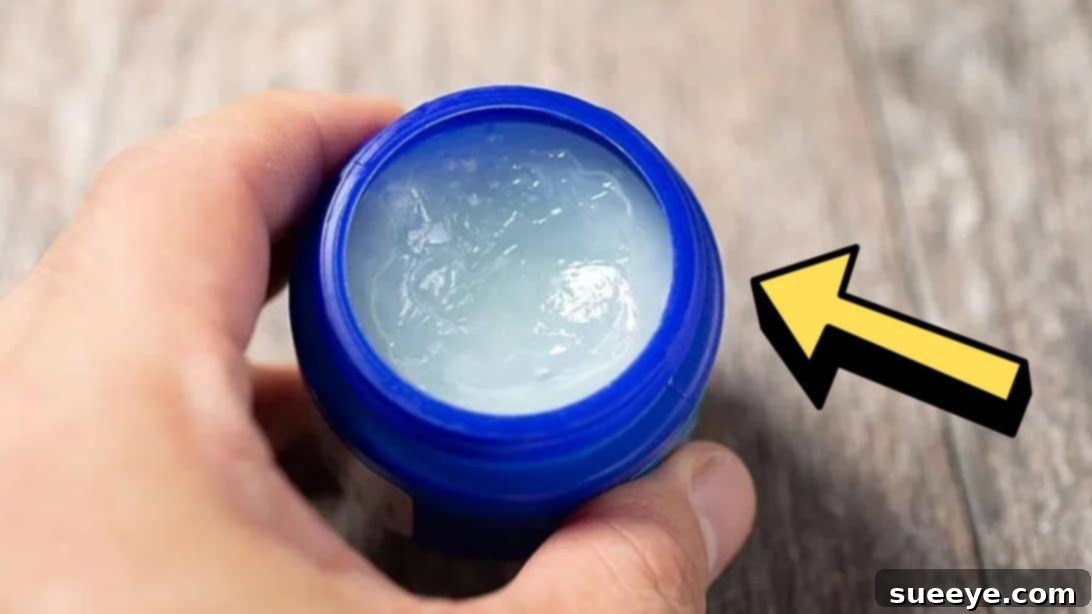
When the sniffles, coughs, and congestion of a cold strike, many of us reach for conventional vapor rubs to find relief. These commercially available balms often promise easier breathing and comfort, but a closer look at their ingredient lists can reveal a range of synthetic chemicals. Ingredients such as artificial camphor, turpentine, and petroleum jelly raise concerns for those seeking a more natural approach to wellness. Fortunately, creating your own natural vapor rub at home is simple, effective, and empowers you to control exactly what goes onto your skin and into your body.
This comprehensive guide will walk you through crafting a soothing, natural decongestant balm that rivals its commercial counterparts without any of the questionable additives. Using the wisdom shared in a helpful tutorial by Natural Cures on YouTube, we’ll explore a recipe that harnesses the power of nature’s finest ingredients. This homemade alternative offers the same comforting sensation and congestion relief, utilizing a blend of essential oils and natural emollients. It’s important to note, however, that due to the potency of essential oils, this specific recipe is not recommended for children under the age of three. Always exercise caution and consult a healthcare professional for concerns, especially with young children. Let’s dive into the world of natural relief!
Why Choose a Natural Vapor Rub? Understanding the Benefits
The decision to switch from conventional products to natural alternatives is often driven by a desire for greater safety and transparency in ingredients. Commercial vapor rubs frequently contain a cocktail of synthetic compounds, some of which can be irritants or potentially harmful, particularly for sensitive individuals or young children. By opting for a DIY approach, you gain several advantages:
- Chemical-Free Relief: You eliminate exposure to synthetic camphor, which can be toxic if ingested, and petroleum, a byproduct of oil refining that can create a barrier on the skin rather than truly nourishing it.
- Pure Essential Oil Power: This recipe leverages the genuine therapeutic properties of high-quality essential oils, known for their ability to clear airways and soothe discomfort.
- Customization: You can adjust the concentration of essential oils to suit your personal preference or specific needs, though always adhere to safe dilution guidelines.
- Cost-Effective: Once you have the base ingredients, making your own balm can be more economical in the long run compared to repeatedly purchasing commercial products.
- Environmental Friendliness: Reducing reliance on petroleum-based products and often single-use plastic containers contributes to a more sustainable lifestyle.
The Power of Nature: Key Ingredients and Their Benefits
Each ingredient in this natural vapor rub recipe is chosen for its unique properties that contribute to a soothing and effective balm.
Essential Oils for Respiratory Support:
- Peppermint Essential Oil: Renowned for its invigorating and stimulating aroma, peppermint oil contains menthol, which provides a cooling sensation and helps open up airways. It can alleviate feelings of stuffiness and promote easier breathing, making it a staple in cold and flu remedies.
- Eucalyptus Essential Oil: A powerhouse in respiratory health, eucalyptus oil is widely recognized for its strong, camphoraceous scent. It acts as a natural decongestant and expectorant, helping to loosen mucus and clear nasal passages and bronchial tubes. Its soothing properties can also ease coughing.
- Important Note on Essential Oils: Always use high-quality, therapeutic-grade essential oils. Due to their potency, proper dilution in a carrier oil (like coconut oil in this recipe) is crucial to prevent skin irritation. Never apply undiluted essential oils directly to the skin.
Nourishing and Protective Bases:
- Beeswax (Grated or Pellets): This natural wax serves as the primary thickening agent, giving the balm its solid consistency. Beeswax creates a protective barrier on the skin, sealing in moisture and helping to deliver the essential oils effectively without feeling greasy. It’s also a natural humectant, attracting moisture to the skin.
- Coconut Oil: A fantastic carrier oil, coconut oil is deeply moisturizing and readily absorbed by the skin. It helps to dilute the essential oils, making them safe for topical application, while also offering its own skin-conditioning benefits. It’s a stable oil, contributing to the balm’s shelf life.
- Vitamin E Oil (Optional): Adding vitamin E oil is a wonderful enhancement. It acts as a natural antioxidant, which can help extend the shelf life of your homemade balm by preventing the oils from oxidizing. Beyond preservation, Vitamin E is also a powerful skin conditioner, promoting healthy skin and aiding in repair.
Ingredients:
- 30 drops of Peppermint Essential Oil
- 30 drops of Eucalyptus Essential Oil
- 2 tablespoons of Beeswax, either grated or in pellet form
- 1/3 cup + 1 tablespoon of Coconut Oil
- 12 drops of Vitamin E Oil, optional, for enhanced skin benefits and shelf life
Materials:
- Small saucepan
- A 4-ounce metal tin or glass jar with a secure lid for storage
Directions: Crafting Your Homemade Decongestant Balm
Making your own natural vapor rub is a straightforward process that requires minimal equipment and time. Follow these steps carefully to ensure a high-quality, effective product.
Step 1: Gentle Melting of the Base
Begin by combining the beeswax and coconut oil in a small saucepan. Place the saucepan on your stove over very low heat. The key here is patience; allow the ingredients to heat up gradually until they are completely melted and thoroughly combined into a clear, liquid state. Avoid high heat, as this can degrade the quality of the oils. Once fully melted, turn off the heat and carefully remove the saucepan from the stove. Let the mixture cool down for approximately one minute. This brief cooling period is crucial before adding the essential oils to preserve their therapeutic properties, which can be diminished by excessive heat. After cooling slightly, carefully add the peppermint essential oil, eucalyptus essential oil, and the optional vitamin E oil.
Step 2: Mixing, Transferring, and Setting Your Balm
Once all the oils are in the saucepan, stir the mixture gently but thoroughly until all the ingredients are well combined and evenly incorporated. This ensures that the essential oils are uniformly distributed throughout the balm. Immediately after mixing, carefully transfer the liquid mixture into your chosen metal tin or glass jar. Allow the balm to cool completely and solidify at room temperature; this may take a few hours. Once solid, secure the container with its lid. Your homemade natural vapor rub is now ready for use whenever you need soothing relief from cold symptoms. Remember to store it in a cool, dark place to maintain its potency and extend its shelf life.
Safe Application and Crucial Safety Precautions
While this natural vapor rub offers wonderful benefits, safe application is paramount, especially when using essential oils. Always perform a patch test on a small area of skin (like the inner arm) to check for any allergic reactions or sensitivities before widespread use. If irritation occurs, discontinue use immediately.
Important Warnings, Especially for Children:
- Do Not Use on Children Under 3: This is a critical safety instruction. The essential oils of peppermint and eucalyptus are potent and can be too strong for infants and toddlers under three years of age. They may cause respiratory distress or skin irritation in very young children. Always consult a pediatrician before using any essential oil products on young children.
- Keep Out of Reach of Children and Pets: Store your homemade vapor rub securely away from curious hands and paws. Accidental ingestion can be harmful.
- External Use Only: This balm is intended for topical application on the chest, throat, back, or soles of the feet. Never ingest it or apply it near the eyes, inside the nose, or on broken skin.
- Consult a Healthcare Professional: If cold symptoms persist, worsen, or are accompanied by a high fever, difficulty breathing, or other severe symptoms, always seek medical advice from a doctor. This natural remedy is for symptomatic relief and is not a substitute for professional medical treatment.
Storage and Shelf Life
Proper storage is essential to maintain the efficacy and extend the life of your homemade vapor rub. Keep the balm in an airtight container, preferably in a cool, dark place away from direct sunlight and extreme temperatures. Stored correctly, your natural vapor rub should last for several months, typically as long as the shelf life of the coconut oil and beeswax used. If you notice any changes in scent, color, or texture, or if mold appears, it’s best to discard the balm and make a fresh batch.
Embrace Natural Relief with Your DIY Homemade Natural Vapor Rub
Creating your own natural vapor rub is a rewarding endeavor that puts you in control of your health and well-being. By choosing pure, beneficial ingredients and avoiding synthetic chemicals, you provide your body with gentle yet effective support during cold season. This DIY recipe is more than just a balm; it’s a step towards a more natural, mindful approach to managing common ailments. Empower yourself with this simple skill and enjoy the comforting, decongesting benefits of nature’s remedies.
We extend our gratitude to Natural Cures via YouTube for sharing this invaluable tutorial. We encourage you to visit their channel, subscribe, and explore their other fantastic natural remedy guides!