
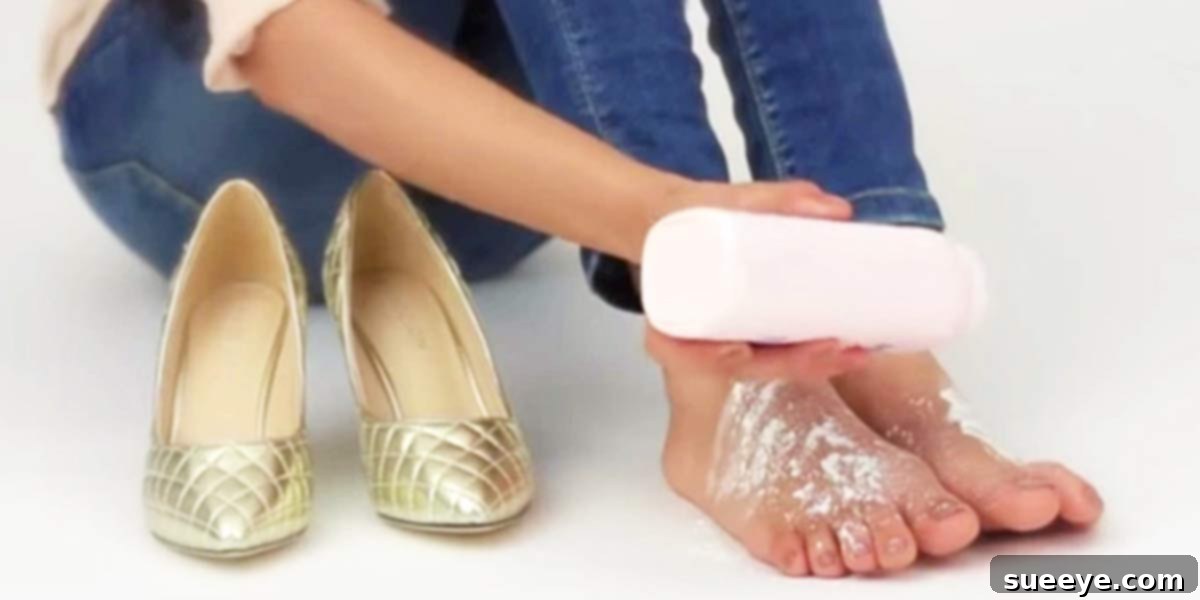
Mastering High Heels: Your Ultimate Guide to Comfort and Style
There’s a universally acknowledged truth among fashion enthusiasts: the allure of a stunning pair of high heels is undeniable. They elevate an outfit, boost confidence, and add a touch of sophistication that few other footwear choices can match. Yet, this elegance often comes at a price – the dreaded foot pain. How many times have you fallen in love with a gorgeous pair of shoes, only to wear them out once and regret it instantly as your feet succumb to blisters, aches, and an overwhelming desire to kick them off?
My own journey with high heels began at sixteen with a formidable pair of four-inch stilettos. While I adored their aesthetic, wearing them was an ordeal. The intense pressure on the ball of my foot left me sore, my feet slid forward, scrunching my toes uncomfortably, and the slingback straps constantly slipped off my heel. It was a baptism by fire into the world of fashionable, yet often painful, footwear.
Over a decade later, I’ve amassed a respectable collection of heels and, I’m happy to report, I can now wear them comfortably for extended periods. But this comfort wasn’t instantaneous; it was a journey of trial, error, and discovery. From learning the critical importance of selecting the right size to uncovering a host of ingenious tools and techniques, I’ve transformed my high-heel experience. If you’ve ever found yourself hobbling home after a long day or night in heels, desperately wishing for relief, this comprehensive guide is tailored just for you. Despite the prevailing trends favoring sneakers and flats, high heels will always hold a special place in fashion. And for those occasions that truly call for them, you deserve to maximize your comfort in every possible way.
Understanding Why Heels Hurt: The Biomechanics of Discomfort
Before diving into solutions, it’s crucial to understand why high heels cause pain. When you wear heels, your body weight shifts significantly forward and onto the balls of your feet and toes, altering your natural gait and posture. This unnatural distribution of pressure is the root cause of most high-heel related discomfort.
The Biomechanics of Discomfort
- Pressure Points: The elevated heel puts immense pressure on the metatarsal bones (ball of the foot) and toes, leading to soreness, bruising, and even stress fractures over time.
- Altered Gait: Heels force shorter, more deliberate strides, reducing the natural shock absorption of your foot and leg muscles. This can strain your knees, hips, and lower back.
- Calf Muscle Shortening: Prolonged heel-wearing can cause calf muscles to shorten and Achilles tendons to tighten, leading to discomfort even when wearing flats.
- Toe Compression: Many high heels, especially pointed-toe styles, compress the toes, leading to bunions, hammertoes, corns, and ingrown toenails.
- Ankle Instability: Higher, thinner heels increase the risk of ankle twists and sprains due to a less stable base.
Common Foot Ailments from Heels
Beyond general soreness, heels can exacerbate or cause specific foot conditions:
- Blisters: Friction from ill-fitting shoes causes painful fluid-filled sacs.
- Corns and Calluses: Thickened skin due to repeated pressure and friction.
- Bunions: A bony bump at the base of the big toe, often worsened by narrow toe boxes.
- Hammertoes: Toes that curl or bend at the middle joint due to constant scrunching.
- Metatarsalgia: Pain and inflammation in the ball of your foot.
- Nerve Compression: Squeezed nerves between toes, leading to tingling or numbness (Morton’s Neuroma).
The Foundation of Comfort: Choosing the Right Pair
The journey to comfortable high-heel wearing begins long before you even consider accessories: it starts with selecting the right pair. A well-chosen shoe can drastically reduce potential discomfort.
Prioritizing the Perfect Fit
Never compromise on fit. An ill-fitting shoe is a guaranteed recipe for pain. Here’s what to look for:
- Shop Smart: Try on shoes at the end of the day when your feet are slightly swollen. This ensures they won’t feel too tight later.
- Size Isn’t Just a Number: Foot size can fluctuate, and sizes vary between brands. Don’t be beholden to a number; prioritize how the shoe feels. Ensure there’s a small gap (about half an inch) between your longest toe and the tip of the shoe to prevent toe scrunching.
- Toe Box Test: Your toes should have room to wiggle slightly, especially if the shoe has a pointed toe. Avoid styles that immediately feel restrictive.
- Heel Grip: The heel of the shoe should fit snugly without slipping off when you walk. A little slippage is okay, but constant movement indicates a poor fit.
- Stability: Stand in the shoes and check your balance. If you feel wobbly, they’re likely not a good choice for extended wear.
Heel Height and Style Matters
Not all heels are created equal in terms of comfort:
- The Sweet Spot: Heels between 1.5 to 3 inches (4 to 7.5 cm) are generally more comfortable for prolonged wear as they put less strain on the arch and ball of the foot.
- Block Heels: Offer a wider, more stable base, distributing weight more evenly than stilettos. They are an excellent choice for comfort and modern style.
- Wedge Heels: Provide maximum stability and often have built-in cushioning, making them incredibly comfortable.
- Platform Heels: The platform under the ball of the foot reduces the incline, effectively making a 4-inch heel feel more like a 2-inch one. This is a game-changer for high-heel lovers.
- Stilettos: While undeniably elegant, their thin heel offers minimal support, concentrating pressure on a small area. Choose them for shorter periods or special occasions.
The Importance of Material and Construction
The materials and how the shoe is made play a huge role in comfort and durability:
- Natural Materials: Leather, suede, and other natural materials are breathable and conform to your foot shape over time, reducing rubbing and blisters. Synthetic materials often lack this flexibility and breathability.
- Padded Insoles: Look for shoes with built-in cushioning or a soft footbed. This immediate comfort can make a significant difference.
- Flexible Sole: A sole that offers some flexibility, particularly at the ball of the foot, will allow for more natural movement.
- Quality Craftsmanship: Well-constructed shoes will have smooth seams, durable soles, and secure heel attachments, all contributing to a more comfortable and long-lasting experience.
Preparing Your Shoes and Feet for Success
Even with the perfect pair, a little preparation can go a long way in ensuring a comfortable experience. This involves both conditioning your new shoes and preparing your feet.
Breaking In New Heels: A Step-by-Step Guide
Never wear new heels for the first time to a major event. Always break them in gradually:
- Around the House: Wear your new heels for short periods (30 minutes to an hour) around your home. This helps the material soften and conform to your foot without the pressure of an outside event.
- Thick Socks and a Hairdryer: For leather shoes that feel a bit tight, wear thick socks, put on the shoes, and use a hairdryer on a low setting to warm the tight spots. Walk around until they cool. The heat helps the leather stretch.
- Shoe Stretchers: Invest in a good shoe stretcher for specific areas like the toe box or width. Apply a shoe stretching spray for better results.
- Gradual Progression: Once they feel comfortable at home, wear them for short errands before tackling a long day or night out.
Pre-Wear Foot Care Essentials
Your feet need attention before they go into heels:
- Moisturize: Hydrated skin is more supple and less prone to friction-related issues. Apply a good foot cream daily.
- Anti-Blister Balm/Stick: Apply an anti-chafing or anti-blister balm to potential hot spots like the back of your heel, sides of your toes, and ball of your foot. This creates a protective barrier.
- Taping Toes: A common trick is to tape your third and fourth toes (counting from the big toe) together with medical tape. This can alleviate pressure on a nerve that runs between them, significantly reducing pain in the ball of the foot.
- Pedicure Prep: Ensure your toenails are trimmed to prevent them from pressing against the shoe.
Essential Tools and Accessories for High Heel Comfort
These ingenious aids are your secret weapons against high-heel pain. They provide cushioning, prevent slipping, and protect vulnerable areas of your feet.
Gel and Foam Insoles for Cushioning
- Ball-of-Foot Cushions: These are vital. They absorb shock and provide extra padding precisely where the most pressure is exerted. Look for gel or memory foam options.
- Arch Supports: If you have high arches, dedicated arch supports can prevent strain and provide stability.
- Full Insoles: For overall cushioning, thin gel or foam insoles can make a significant difference, especially in heels that lack built-in padding.
Heel Grips and Blister Prevention
- Heel Grips: Made of silicone or soft fabric, these stick to the inside back of your shoe to prevent your heel from slipping out and reduce rubbing that causes blisters.
- Moleskin or Blister Patches: Keep these handy for immediate relief on developing hot spots. Apply them directly to your skin or inside the shoe to create a smooth, friction-free surface.
- Anti-Chafe Sticks: These are invaluable for creating an invisible barrier against friction on any part of your foot.
Toe Pads and Protectors
- Toe Separators: For shoes that squeeze your toes, silicone toe separators can provide relief and prevent overlapping.
- Toe Caps/Pads: Thin silicone caps or pads can protect individual toes from pressure and rubbing, especially in very pointed shoes.
- Bunion Pads: If bunions are an issue, specialized pads can cushion the area and reduce friction.
Shoe Stretchers and Sprays
- Adjustable Shoe Stretchers: For shoes that are just a bit too tight in specific areas, a stretcher can widen or lengthen them. Some even come with attachments for bunions or corns.
- Shoe Stretching Spray: Applied to the inside of the shoe, this liquid helps soften the material, making it more receptive to stretching.
Mastering the Walk and Post-Wear Recovery
How you walk in heels and how you care for your feet afterwards are just as important as the shoes and accessories themselves.
Walking with Confidence and Grace
- Shorter Strides: Resist the urge to take long strides. Shorter, deliberate steps are more stable and put less strain on your feet and body.
- Heel-to-Toe: Land with your heel first, then the ball of your foot and toes. This creates a natural, elegant flow.
- Engage Your Core: A strong core helps maintain balance and improves posture, reducing strain on your back and legs.
- Imagine a Straight Line: Walk as if you’re on a tightrope, placing one foot directly in front of the other. This helps with balance and gives a more confident gait.
- Practice Makes Perfect: Just like breaking in shoes, practice walking in your heels. Start on soft surfaces and gradually move to harder ones.
Post-Wear Foot Relief and Care
After a long day in heels, your feet deserve some pampering:
- Elevate Your Feet: Lie down and raise your feet above your heart for 15-20 minutes to reduce swelling.
- Foot Soak: A warm foot bath with Epsom salts can relax tired muscles and reduce inflammation. Add a few drops of essential oils like lavender or peppermint for an extra soothing effect.
- Massage: Gently massage your feet, focusing on the arches, balls of your feet, and individual toes. Use a moisturizing cream.
- Stretching: Perform simple foot and calf stretches to counteract the shortening caused by heels. Flex your feet, point your toes, and gently stretch your calves.
- Switch to Comfy Shoes: Immediately change into comfortable, supportive flats or sneakers to give your feet a break.
Visual Insights: A Resource from Glamrs.com
Sometimes, seeing is believing. For those who prefer visual demonstrations, Glamrs.com offers some excellent video tips on how to address the pain caused by new shoes. Their practical advice can complement these written strategies, providing clear demonstrations of how to apply various techniques and tools effectively. Watching these videos can reinforce your understanding and help you visualize the solutions for those stubborn pain points.
Conclusion: Embrace Style Without Sacrificing Comfort
Wearing high heels doesn’t have to be a painful ordeal. With the right knowledge, careful selection, proactive preparation, and a few essential tools, you can significantly enhance your comfort and confidence. From understanding the biomechanics of discomfort to choosing the perfect fit, breaking in new pairs, utilizing clever accessories, and practicing proper post-wear care, every step contributes to a more enjoyable experience.
Embrace the elegance and empowerment that high heels offer without sacrificing your well-being. By implementing these tips, you’ll be able to stride confidently and comfortably, proving that style and comfort can indeed go hand-in-hand.