
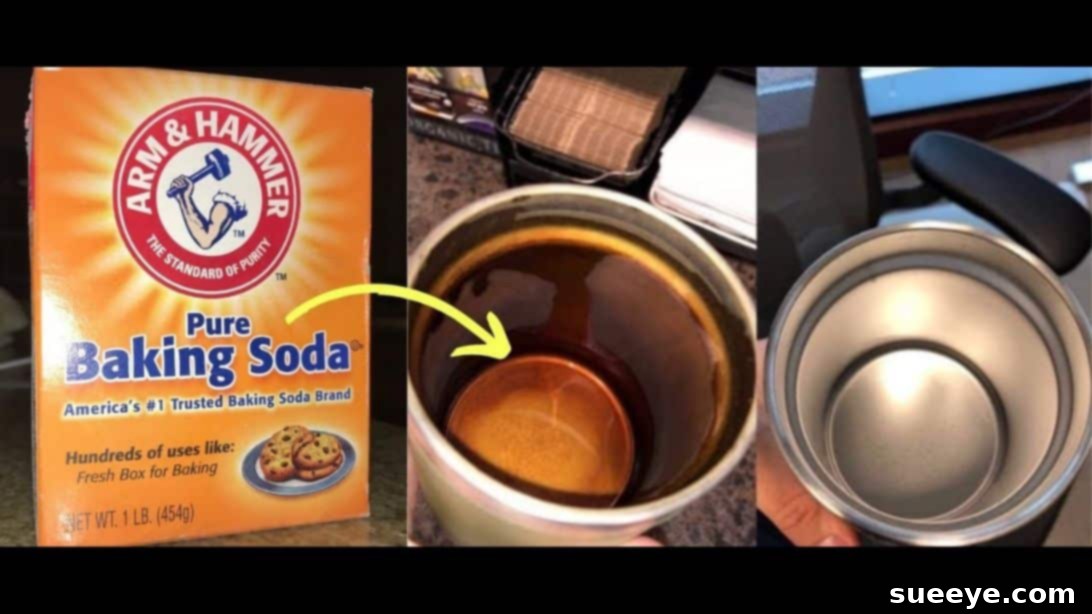
Restore the Sparkle: An Expert Guide to Removing Stains from Stainless Steel Tumblers
Stainless steel tumblers and cups have become an indispensable part of our daily lives. From bustling urban commutes to serene hiking trails, and from busy offices to relaxing home environments, these versatile vessels are omnipresent. Their popularity isn’t merely a trend; it’s a testament to their exceptional functionality. Available in an astonishing array of designs, colors, and sizes, there’s a stainless steel tumbler to match every personality and need. People rely on them to keep their morning coffee piping hot during a long commute, their refreshing iced tea perfectly chilled on a scorching day, or their water cool throughout a workout session at the gym.
Beyond water, these insulated containers are perfect for a diverse range of beverages: robust coffees, soothing teas, comforting hot chocolates, vibrant juices, energizing smoothies, and even a celebratory glass of wine. Their ability to maintain drink temperatures for extended periods, coupled with their durable and eco-friendly nature, has solidified their status as a household staple. They offer a sustainable alternative to single-use plastics, contributing positively to environmental conservation.
RELATED: A Professional Guide to Cleaning Stainless Steel
Understanding and Preventing Stains on Your Stainless Steel Tumbler
Despite their robust construction and general resistance, stainless steel tumblers are not entirely immune to issues. One common challenge many users face is the development of stubborn stains and, in some cases, even minor rust spots. This often occurs when certain types of beverages are left in the tumbler for prolonged periods. Acidic drinks like coffee, tea, fruit juices, or even wine, can react with the stainless steel over time, leading to discoloration, etching, or mineral buildup. Hard water can also leave unsightly calcium and lime stains, especially if the tumbler isn’t dried immediately after washing.
These stains are not just an aesthetic concern; prolonged exposure to acidic residues can potentially compromise the integrity of the stainless steel lining and, in rare cases, even affect the taste of subsequent drinks. While stainless steel is generally safe, ensuring your tumbler is clean and free of lingering residues is always best practice for hygiene and longevity.
If you’re currently grappling with these persistent stains, don’t despair. There’s an effective and straightforward cleaning method that can help restore your tumbler to its original pristine condition. This guide draws inspiration from the expert advice shared by Cleaning Solutions, demonstrating a simple yet powerful technique to banish those unsightly marks.
Essential Preparations Before You Begin
Before you embark on any cleaning regimen, it is absolutely crucial to consult the manufacturer’s cleaning instructions for your specific cup or tumbler. Different brands and models may have unique coatings or construction materials that require particular care. Some tumblers might have specialized finishes that could be damaged by certain cleaning agents, or they might not be suitable for abrasive methods. These instructions are typically found on the brand’s website, packaging, or often imprinted on the base of the tumbler itself. Adhering to these guidelines ensures you maintain your product’s warranty and avoid unintentional damage.
For additional valuable insights and tips on maintaining all your stainless steel items, we recommend exploring these resources: How to Make Your Stainless Steel Appliance Shine and 7 Tips on How to Prevent Food From Sticking to Stainless Steel Pans.
What You Need to Effectively Remove Stains From Stainless Steel Tumblers
This powerful yet simple cleaning solution harnesses the synergistic properties of common household items. Here’s what you’ll need to gather:
- Detergent: A standard dish soap or liquid detergent will work perfectly. Its primary role is to cut through grease and provide a general cleaning base, helping to lift surface grime.
- Baking Soda: A mild abrasive, baking soda (sodium bicarbonate) is excellent for gentle scrubbing without scratching the stainless steel. It also acts as a deodorizer and can help break down acidic stains.
- Hydrogen Peroxide: This is a key ingredient for stain removal. As an oxidizing agent, hydrogen peroxide helps to lift and break down stubborn organic stains (like coffee or tea) and can also act as a disinfectant, leaving your tumbler hygienically clean.
- Brush: A bottle brush or a dedicated cleaning brush with bristles soft enough not to scratch but firm enough to scrub away stains. For tight corners and crevices, an old toothbrush can be incredibly effective.
Step-by-Step Guide to Removing Stains from Your Stainless Steel Tumbler
Follow these steps carefully to revitalize your stained stainless steel tumbler. This method is designed to be straightforward and highly effective for most common stains.
Step 1: Create the Powerful Base Mixture
Begin by adding a few pinches of detergent and a few generous pinches of baking soda directly into your stainless steel tumbler or cup. Think of “a few pinches” as approximately 1 to 2 teaspoons of each, adjusting slightly based on the size of your tumbler and the severity of the stains. The detergent provides initial cleaning power, while the baking soda acts as a gentle abrasive and deodorizer, preparing the surface for deeper cleaning.
Step 2: Activate the Cleaning Solution
Next, carefully pour a small amount of hydrogen peroxide into the tumbler, directly over the detergent and baking soda. The amount needed is not precise; you want just enough to create a thick, spreadable paste when mixed. Aim for a splash or two. As the hydrogen peroxide interacts with the baking soda, you might observe a slight effervescence, indicating the active ingredients are engaging. Mix these components thoroughly with your brush until you achieve a consistent, slightly foamy paste. This ensures an even distribution of the active cleaning agents.
Step 3: Apply and Allow for Deep Penetration
Once your cleaning paste is ready, use your brush to thoroughly spread the mixture across all the stained areas on the interior sides and bottom of the stainless steel cup. Ensure every discolored patch is generously covered. After applying, let the mixture sit undisturbed for a minimum of a couple of hours. For very stubborn stains, extending this soaking time to several hours, or even overnight, can significantly improve results. This crucial waiting period allows the hydrogen peroxide to effectively oxidize and break down the stain particles, while the baking soda works to lift them from the surface.
Step 4: Final Scrub and Rinse for a Pristine Finish
After the soaking period, take your brush and give the inside of the tumbler a thorough scrub once more. Focus on any remaining stained areas. The stains should now be significantly loosened and easier to remove. After scrubbing, rinse the tumbler meticulously under warm, running water. Ensure all traces of the cleaning mixture, foam, and loosened stain particles are completely flushed away. It’s vital to rinse until the water runs clear and no residue is felt or seen. Finally, dry your tumbler immediately with a clean cloth to prevent any new water spots from forming, leaving it sparkling clean and ready for use.
Beyond Stain Removal: Maintaining Your Stainless Steel Tumbler
While effective stain removal is crucial, regular maintenance is key to keeping your stainless steel tumblers in top condition and preventing future stains. Here are some extended tips:
- Rinse Immediately: As soon as you finish your drink, give your tumbler a quick rinse with warm water. This prevents residues from drying and becoming stubborn stains.
- Daily Cleaning: For daily cleaning, warm soapy water and a soft cloth or sponge are usually sufficient. For tumblers with narrow openings, a bottle brush is invaluable for reaching the bottom and sides.
- Avoid Harsh Abrasives: While baking soda is a gentle abrasive, steer clear of steel wool, abrasive scouring pads, or harsh chemical cleaners that can scratch the stainless steel surface and compromise its finish.
- Thorough Drying: Always dry your tumbler thoroughly after washing, especially if you have hard water. Air drying can lead to water spots and mineral buildup. A clean, lint-free cloth is ideal.
- Mindful Beverage Choices: If you frequently consume acidic drinks, consider using a tumbler that has a specialized lining, or commit to rinsing it out immediately after use to prevent etching and discoloration.
- Storage: Store your tumbler with the lid off or slightly ajar to allow for air circulation. This prevents any residual moisture from creating odors or fostering bacterial growth.
Frequently Asked Questions About Stainless Steel Tumbler Care
Q: Can this cleaning method be used for rust spots?
A: While this method is highly effective for stains caused by beverages and mineral deposits, it may also help with very minor surface rust. For more significant rust, specialized stainless steel rust removers might be necessary. Always ensure any product used is food-safe and suitable for drinking containers.
Q: Is it safe to drink from a tumbler with rust spots?
A: It’s generally not recommended to drink from a tumbler with visible rust. While minor surface rust from stainless steel isn’t acutely toxic, it can affect the taste of your drink and, over time, could indicate a breakdown in the protective chromium oxide layer, which is vital for preventing corrosion. It’s always best to thoroughly clean or replace a rusty tumbler.
Q: What if the stain doesn’t completely come out after one application?
A: For extremely stubborn or deeply set stains, you might need to repeat the cleaning process. You can also try extending the soaking time (e.g., overnight) or using a slightly more concentrated paste. Ensure you’re scrubbing vigorously during the brushing steps.
Q: Can I use vinegar instead of hydrogen peroxide?
A: Vinegar is an excellent natural cleaner and can be effective against hard water stains and some mild discoloration due to its acidic properties. However, for stubborn organic stains like coffee or tea, hydrogen peroxide’s oxidizing action is often more potent. This specific method relies on the unique chemical reaction of detergent, baking soda, and hydrogen peroxide for optimal results.
Q: How often should I clean my stainless steel tumbler using this deep-cleaning method?
A: This deep-cleaning method is best reserved for when you notice visible stains or persistent odors. For daily use, a simple wash with warm water and dish soap is usually sufficient. Implementing good preventative measures will reduce the frequency needed for deep cleaning.
Q: Can I put my stainless steel tumbler in the dishwasher?
A: Most vacuum-insulated stainless steel tumblers are not recommended for dishwasher use. The high heat and harsh detergents can damage the vacuum seal, reducing its insulating properties, and potentially affecting exterior finishes or coatings. Always check the manufacturer’s instructions; some might be top-rack safe, but hand-washing is generally preferred for longevity.
Conclusion: Enjoy Your Spotless Stainless Steel Tumbler
Stainless steel tumblers are designed for durability and daily enjoyment, but maintaining their pristine condition requires a little attention and the right cleaning techniques. By understanding what causes stains and employing this effective method using detergent, baking soda, and hydrogen peroxide, you can easily tackle even the most stubborn discoloration.
A clean tumbler not only looks better but also ensures a more hygienic and enjoyable drinking experience. Incorporating these simple cleaning and maintenance practices into your routine will extend the life of your favorite stainless steel companion, keeping it sparkling and ready for all your adventures. Say goodbye to unsightly stains and hello to a tumbler that looks as good as new!