
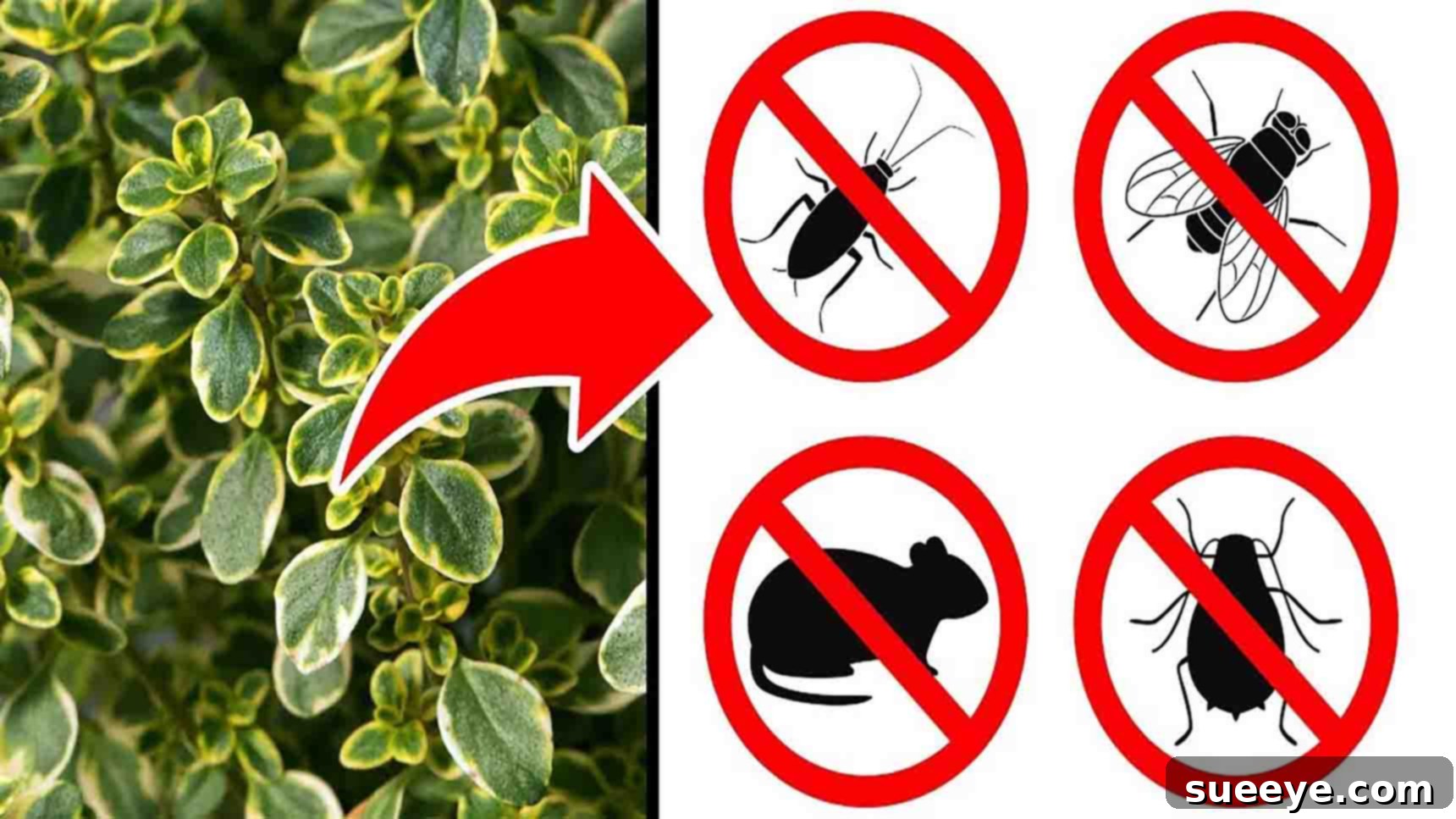
11 Essential Pest-Repellent Plants for a Natural, Bug-Free Home and Garden
Are you tired of sharing your living space with unwelcome insect guests like mosquitoes, flies, ants, and other common pests? While chemical sprays offer a quick fix, they often come with concerns about safety for pets, children, and the environment. Fortunately, nature provides an elegant and effective solution: a variety of plants that naturally deter pests, making your home and garden more enjoyable without harsh chemicals.
Beyond their pest-repelling capabilities, these plants add beauty, fragrance, and sometimes even culinary value to your surroundings. Imagine a vibrant garden brimming with life, yet noticeably free of buzzing mosquitoes and crawling insects! Discover how incorporating these 11 powerful pest-repellent plants can transform your outdoor and indoor spaces into serene, bug-free sanctuaries.
We’ve gathered insights on these remarkable plants, initially highlighted by Bestie on Youtube, to help you choose the best natural guardians for your home.
Transform Your Garden and Home with Nature’s Pest Control
#1 Lavender (Lavandula angustifolia)
More than just a beautiful, fragrant bloom, lavender is a powerhouse against a variety of pests. Its distinctive aroma, beloved by humans for its calming properties, is highly offensive to many insects, including mosquitoes, moths, fleas, flies, and even mice. The essential oil derived from lavender contains compounds like linalool and camphor, which act as natural insect deterrents. Planting lavender near entryways, windows, or on your patio can create a natural barrier, preventing pests from entering your home.
Beyond pest control, lavender offers numerous benefits. It’s a staple in aromatherapy, known for reducing stress and promoting relaxation. When combined with sage and rose, it can even help alleviate the severity of menstrual cramps. Lavender thrives in full sun and well-drained soil, making it a relatively low-maintenance addition to your garden. Consider growing it in pots that can be moved to strategic locations, or as hedges along garden borders.
#2 Marigolds (Tagetes spp.)
Marigolds are a classic garden favorite, not just for their cheerful, vibrant blooms, but also for their impressive pest-repelling abilities. These annual flowers release pyrethrum, a natural compound that deters a wide range of common garden pests. They are particularly effective against mosquitoes, nematodes, whiteflies, aphids, and even larger garden nuisances like rabbits and deer. French marigolds (Tagetes patula) are especially known for their root secretions that can ward off nematodes in the soil, protecting nearby vegetable plants.
Planting marigolds in containers and placing them near windows or doors can prevent flies and mosquitoes from entering your home. In the garden, they serve as excellent companion plants, protecting tomatoes, potatoes, and roses from various insect attacks. They are easy to grow, preferring full sun and well-drained soil, and their continuous blooming ensures a season-long defense against pests while adding a splash of color to your landscape.
#3 Catnip (Nepeta cataria)
While beloved by felines, catnip is a formidable foe against insects, particularly mosquitoes. Studies have shown that nepetalactone, the essential oil in catnip, can be more effective than DEET in repelling mosquitoes. It also works well against cockroaches and flies. This hardy perennial is incredibly easy to grow and can quickly spread, so it’s often best planted in containers to control its growth, especially if you don’t want your entire garden to become a cat playground!
To use catnip as a personal repellent, simply crush a few leaves and rub them directly onto your skin. The released oils will create a natural protective barrier. You can also create a homemade insect spray by steeping catnip leaves in water, straining the liquid, and applying it to exposed skin or around outdoor seating areas. Be mindful that while it repels many insects, it might attract neighborhood cats, so strategic placement is key.
#4 Chrysanthemums (Chrysanthemum spp.)
Chrysanthemums, often simply called “mums,” are much more than beautiful autumn flowers. They are a natural insecticide powerhouse, producing a compound called pyrethrin. This neurotoxin is extremely effective against a broad spectrum of pests but is considered safe for mammals when used correctly. Chrysanthemums are particularly potent against lice, ticks, fleas, ants, spider mites, silverfish, Japanese beetles, and even bed bugs and cockroaches.
Planting mums around the perimeter of your home or in your garden beds can create a natural defense system. Their vibrant blooms add significant aesthetic appeal to your landscape, especially in late summer and fall when many other flowers have faded. While the live plants themselves provide a deterrent, extracts from chrysanthemums are widely used in commercial organic pest control products, underscoring their effectiveness as a natural repellent.
#5 Lemongrass (Cymbopogon citratus)
If you’re familiar with citronella candles, then you already know the power of lemongrass. This aromatic grass is the primary source of citronella oil, renowned for its ability to repel mosquitoes and other flying insects. Lemongrass has a strong, lemony fragrance that disorients mosquitoes, making it difficult for them to locate their targets. It’s a tropical perennial that thrives in warm climates but can be grown as an annual in cooler regions or kept in pots indoors.
Planting lemongrass directly in your garden, especially near seating areas or pathways, will provide a natural, fragrant barrier. Alternatively, growing it in pots allows you to move it to wherever insect control is most needed, such as on a patio or deck. Crushing the leaves slightly releases more of the potent oils, enhancing its repellent effect. Beyond pest control, lemongrass is a popular culinary herb, adding a distinct flavor to Asian cuisine.
#6 Mint (Mentha spp.)
The refreshing aroma of mint is delightful to humans but quite bothersome to many insects, making it an excellent natural repellent. Various types of mint, including peppermint and spearmint, are effective against mosquitoes, ants, flies, and even spiders. The strong scent produced by the leaves and flowers acts as a deterrent, confusing pests and keeping them away.
Mint is notoriously vigorous and can quickly take over a garden bed. For this reason, it’s best to plant mint in pots or containers. Place these potted mint plants strategically around your home—on windowsills, near doors, or on your patio—to drive away mosquitoes and other insects. You can also crush mint leaves and rub them on your skin for a temporary, natural insect repellent. In addition to its pest-repelling qualities, mint is a versatile culinary herb, perfect for teas, desserts, and savory dishes.
#7 Petunias (Petunia spp.)
Petunias are popular for their profusion of colorful, trumpet-shaped flowers, but they also possess a unique method of pest control. Unlike many other plants that deter insects with their scent, petunias act as a natural trap. Their leaves and stems are covered with tiny, sticky hairs (glandular trichomes) that ensnare small insects upon contact. They are particularly effective against aphids, leafhoppers, asparagus beetles, and even tomato hornworms.
These sticky traps work by physically holding pests, preventing them from feeding on or moving to other plants. Petunias are easy to grow and can be planted in garden beds, hanging baskets, or containers, providing continuous blooms and pest protection throughout the growing season. They prefer full sun and well-drained soil. Their vibrant colors attract beneficial pollinators like bees and hummingbirds while helping to manage common garden nuisances.
#8 Rosemary (Salvia rosmarinus)
Rosemary, a fragrant and flavorful herb, is another excellent choice for natural pest control. Its woody scent is highly disliked by a range of insects, including mosquitoes, flies, cabbage moths, and carrot rust flies. Whether the leaves are untouched on the plant or crushed to release more potent oils, rosemary consistently proves its effectiveness.
You can grow rosemary in your garden as a bush or keep it in pots, especially if you live in a colder climate where it might need to be brought indoors during winter. Placing potted rosemary plants around your patio or near outdoor seating areas can significantly reduce mosquito activity. For an extra layer of protection, you can even toss a few sprigs onto a barbecue grill or fire pit; the smoke infused with rosemary’s scent will help keep bugs at bay. As a bonus, fresh rosemary is an indispensable culinary herb for various dishes.
#9 Lemon Thyme (Thymus citriodorus)
Lemon thyme combines the traditional pest-repelling power of thyme with a refreshing citrusy aroma, making it particularly effective against mosquitoes. However, its repellent properties are most potent when the leaves are crushed to release their essential oils. The act of crushing releases compounds like thymol and geraniol, which are strong insect deterrents.
This low-growing, creeping herb is easy to grow and makes an attractive ground cover or container plant. To maximize its benefits, plant several potted lemon thyme plants around your patio, deck, or outdoor dining area. Whenever you notice a mosquito problem, simply walk by and lightly brush or crush a few leaves to release its protective scent. Lemon thyme also has culinary uses, adding a bright, lemony flavor to poultry, fish, and vegetable dishes.
#10 Nasturtiums (Tropaeolum majus)
Nasturtiums are incredibly easy to grow from seed and serve as a fantastic “trap crop” or deterrent in the garden. These vibrant plants release a chemical into the air that acts as a natural deterrent for a large number of insects, including aphids, whiteflies, squash bugs, cucumber beetles, and even some caterpillars. Often, pests are more attracted to nasturtiums than to other plants, drawing them away from your valuable vegetables and flowers.
Plant nasturtiums around the borders of your vegetable beds or alongside susceptible plants like tomatoes, cucumbers, and cabbage. Their beautiful, edible flowers and peppery leaves also make a wonderful addition to salads, offering both pest control and culinary delight. Nasturtiums thrive in full sun and well-drained soil, and their trailing habit makes them suitable for hanging baskets or ground cover, adding beauty while protecting your garden.
#11 Basil (Ocimum basilicum)
Basil is a beloved culinary herb that also moonlights as an excellent insect repellent. Its strong, aromatic scent is a natural deterrent for mosquitoes and houseflies. The compounds responsible for basil’s distinctive aroma, such as estragole, citronellol, and eugenol, are highly effective at confusing and repelling these common household pests.
Growing basil is straightforward; it thrives in sunny locations with well-drained soil and consistent watering. Placing several pots of basil around your patio, near entryways, or on windowsills inside your home can significantly reduce the presence of flying insects. For an added boost, occasionally brush your hands through the plant to release more of its fragrant oils. Beyond its pest-repelling qualities, fresh basil is an essential ingredient in numerous dishes, from pesto to pasta sauces, making it a truly multi-functional plant for any home.
Embrace a Chemical-Free Home and Garden Today!
Incorporating these 11 pest-repellent plants into your home and garden is a simple, effective, and beautiful way to embrace natural pest control. Not only will you reduce your reliance on chemical sprays, but you’ll also enhance the beauty and fragrance of your living spaces. From the calming scent of lavender to the vibrant blooms of marigolds, each plant brings its unique blend of charm and protective power.
Start your natural pest control journey today. Choose the plants that best suit your climate, space, and aesthetic preferences, and enjoy a healthier, bug-free environment for you and your family. These botanical guardians offer a sustainable and eco-friendly solution to common pest problems, proving that sometimes, the best defense is a little bit of nature.