
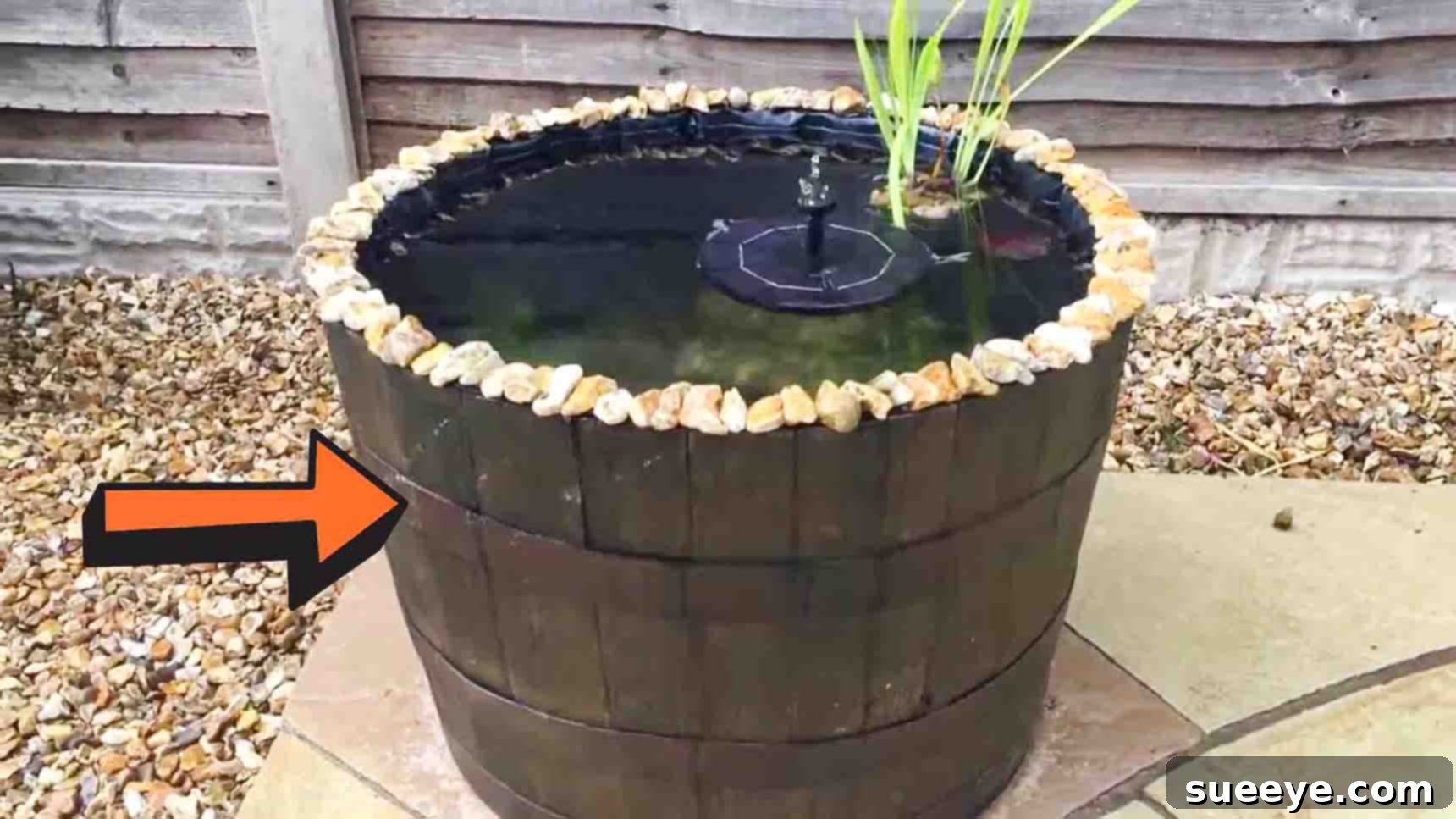
Create Your Own Tranquil Oasis: The Ultimate DIY Whiskey Barrel Pond Guide
Transforming an old whiskey barrel into a charming water feature is an incredibly rewarding and surprisingly simple DIY project. This guide will walk you through creating your very own half-barrel pond, a miniature aquatic ecosystem that promises to inject life, tranquility, and a touch of rustic elegance into any garden or patio space. Forget complex installations and expensive materials; this project, inspired by resourceful creators like Dave’s Projects on YouTube, is designed to be accessible for beginners and can be completed with minimal tools and effort. Get ready to enjoy the soothing sounds of bubbling water, the vibrant colors of aquatic plants, and the delightful sight of darting fish, all within a compact, upcycled container.
Why Build a Half-Barrel Pond? The Allure of Miniature Water Gardens
The appeal of a half-barrel pond extends far beyond its aesthetic charm. These compact water features offer a multitude of benefits for both the gardener and the environment. Firstly, they are incredibly space-efficient, making them perfect for small gardens, balconies, patios, or even courtyards where a traditional pond might not be feasible. Their portability also means you can easily relocate them if you wish to change your garden layout.
Beyond space, a DIY barrel pond introduces a unique focal point to your outdoor living area. The natural wood grain of a whiskey barrel adds a rustic, authentic touch that complements various garden styles, from cottage core to modern minimalist. More importantly, these mini ecosystems attract beneficial wildlife. Dragonflies might stop by, frogs could find a new home, and birds will appreciate a fresh water source, all contributing to a healthier, more vibrant garden environment.
Economically, this project is a winner. Upcycling an old whiskey barrel saves it from the landfill and provides a sturdy, ready-made container. Coupled with a simple pond liner and a solar-powered fountain, the initial investment is significantly lower than that of larger, in-ground ponds. It’s a sustainable choice that brings immense joy without breaking the bank.
Essential Materials for Your DIY Half Barrel Pond
Gathering your materials is the first exciting step in bringing your barrel pond to life. You’ll find that the list is short and sweet, making this project budget-friendly and straightforward.
- Old Whiskey Barrel (cut in half): The star of our show! Look for genuine oak whiskey or wine barrels, often available from distilleries, wineries, or garden centers. Ensure it’s sturdy and inspect it for any deep cracks or damage that might compromise its integrity. If you’re sourcing a full barrel, you’ll need to carefully cut it in half, ensuring a clean, even cut for stability. Some suppliers offer pre-cut halves, which can save a lot of effort. A half barrel typically holds around 25-30 gallons of water, a perfect size for a mini pond.
- Pond Liner: This is crucial for waterproofing your barrel. Choose a durable, fish-safe, UV-resistant pond liner. EPDM (ethylene propylene diene monomer) liners are excellent for their flexibility and longevity, but PVC liners can also work for smaller projects. Ensure you get a piece large enough to generously cover the inside of your barrel with plenty of overlap to trim later. A good rule of thumb is to measure the diameter of your barrel, add twice its depth, plus an extra 1-2 feet for overlap.
- Solar-Powered Fountain: The heart of your pond’s visual appeal and health. A solar fountain provides aeration, which is vital for preventing stagnant water and supporting aquatic life. It also adds the delightful sound of trickling water. Look for models with different spray patterns and consider one with a battery backup for cloudy days or evening operation, although a basic float-and-spray model is often sufficient for this project.
- Aquatic Plants: These aren’t just for beauty; they play a critical role in maintaining a healthy pond ecosystem. Plants provide oxygen, filter nutrients that can cause algae blooms, and offer shade and shelter for fish. We’ll delve deeper into plant choices later, but think about a mix of oxygenators, floaters, and marginal plants.
- Optional but Recommended:
- Bricks or Small Stones: To weigh down the fountain or create plant shelves.
- Dechlorinator: If using tap water, to remove chlorine harmful to plants and fish.
- Substrate (gravel/sand): For aesthetic appeal and anchoring plants, though not strictly necessary.
- Small Pond Net: For debris removal.
- Thermometer: To monitor water temperature if introducing fish.
Step-by-Step Guide: Building Your Barrel Pond
Follow these detailed instructions to construct your beautiful new water feature. Patience is key, especially during the crucial initial “curing” phases.
Step 1: Preparing Your Barrel and Installing the Pond Liner
Begin by selecting a suitable, level spot for your barrel pond. Consider an area that receives partial sun – enough for the solar fountain to operate but with some shade during the hottest part of the day to prevent excessive algae growth and water evaporation. Ensure the ground is stable and can support the weight of the barrel once filled with water (a half barrel can weigh over 200 lbs when full).
Carefully place your half whiskey barrel in its chosen location. Now, it’s time for the pond liner. Drape the pond liner into the barrel, gently pressing it down to conform to the barrel’s shape. Try to smooth out as many wrinkles as possible, especially along the bottom. Allow for generous overlap around the rim of the barrel; you’ll trim this later. The liner should sit loosely at first, allowing for the weight of the water to settle it naturally.
Start filling the barrel with water. As the water level rises, it will push the liner against the barrel walls, helping to eliminate remaining wrinkles. Fill it almost to the top, leaving a few inches from the rim. If you’re using tap water, it’s highly recommended to add a dechlorinator at this stage to neutralize harmful chemicals like chlorine and chloramine, which can be detrimental to aquatic plants and future fish.
Once the barrel is filled, position your solar-powered fountain in the center. Most solar fountains simply float on the water’s surface. However, if your model tends to drift or you prefer it anchored, you can subtly weigh down its base with a few clean, smooth stones or a small brick. Ensure the solar panel receives adequate sunlight.
Now comes the waiting game. Leave the water to settle for approximately two weeks before introducing any aquatic plants or, eventually, fish. This “curing” period allows the water to stabilize, dissipate any remaining chemicals, and begin establishing a healthy microbial balance. It’s a critical step often overlooked but essential for a thriving mini-pond ecosystem.
Step 2: Introducing Aquatic Plants and Final Settling
After the initial two-week settling period, your pond water should be much more stable and ready for its green inhabitants. Carefully begin placing your chosen aquatic plants. Consider a variety:
- Oxygenators: Plants like Anacharis or Hornwort grow submerged and release oxygen, vital for water quality.
- Floating Plants: Water lettuce, water hyacinth (check local regulations as these can be invasive in some areas), or miniature water lilies provide shade, reduce algae growth, and offer visual interest.
- Marginal Plants: These grow in shallow water or damp soil at the edges of ponds. For a barrel pond, you might place them in small pots on bricks to elevate them to the correct depth. Examples include dwarf cattails, irises, or marsh marigolds.
When planting, you can place potted aquatic plants directly into the barrel (often elevated on bricks to achieve the right water depth for specific species). Alternatively, some plants can be gently placed in a thin layer of aquatic substrate at the bottom. Aim for a balanced look, ensuring that about 50-70% of the water surface remains open.
Once your aquatic plants are settled, trim any excess pond liner from around the rim of the barrel. You can leave a slight overhang and tuck it under the barrel’s top band for a neat finish, or secure it with decorative rocks.
With your plants in place, allow everything to settle for another week. This allows the plants to acclimate to their new environment and begin their natural filtration processes. This second waiting period is important before you consider introducing any fish, ensuring the water quality is optimal for their well-being.
Step 3: Introducing Fish (Optional)
After the plants have established for a week, you may consider adding a few small fish to your barrel pond. Fish can add another layer of life and charm, but remember that a barrel pond is a small ecosystem, and overstocking can quickly lead to water quality issues.
Good choices for a small barrel pond include:
- Feeder Goldfish or Comet Goldfish: These are common and hardy, but choose smaller individuals as they can grow. Do not overstock; one or two small goldfish are usually sufficient for a half barrel.
- Mosquito Fish (Gambusia affinis): Excellent for mosquito control, very hardy, and stay small.
- White Cloud Mountain Minnows: These are cold-hardy and beautiful schooling fish, perfect for a peaceful mini pond.
Acclimation is key: Float the bag containing the fish in your pond water for about 15-20 minutes to equalize temperature. Then, gradually add small amounts of pond water to the bag over another 15 minutes before gently releasing the fish into their new home. Avoid dumping the bag water directly into your pond, as it may contain different water parameters.
Observe your fish closely for the first few days. Ensure they are active and feeding well. Feed them sparingly; overfeeding is a common cause of poor water quality in small ponds.
Maintaining Your Thriving Barrel Pond
A barrel pond, while low-maintenance, still requires some care to remain healthy and beautiful.
- Water Top-Ups: Evaporation will occur, especially in warmer weather. Top up the water level with dechlorinated tap water or rainwater regularly.
- Debris Removal: Use a small net to scoop out leaves, fallen petals, or other debris to prevent it from decomposing and affecting water quality.
- Algae Control: Some green algae are natural, but excessive growth can be a problem. Ensure your pond has adequate plant coverage (about 50-70% surface coverage) to shade the water. You can also manually remove string algae. Avoid harsh chemical treatments, especially if you have fish.
- Plant Care: Trim back overgrown plants as needed. Fertilize aquatic plants sparingly with pond-safe fertilizer tablets if necessary.
- Winter Care (for colder climates): In regions where temperatures drop below freezing, you’ll need to prepare your pond for winter. If you have fish, they may need to be brought indoors or into a deeper, non-freezing container. Remove delicate plants. A small pond heater or aerator can prevent the surface from completely freezing over if fish remain.
- Annual Clean-out: Once a year, typically in spring, it’s a good idea to partially drain the pond, clean out any accumulated sludge, and refresh the water. You can temporarily house fish and plants in separate containers during this process.
Enhance Your Mini Pond: Customization and Decor Ideas
Once your basic barrel pond is established, consider adding personal touches to make it even more unique and inviting.
- Lighting: Submersible LED lights can create a magical glow at night, highlighting your plants and fountain. Solar-powered garden lights placed around the barrel can also enhance the ambiance.
- Decorative Rocks and Ornaments: Strategically placed smooth river stones, polished pebbles, or small pond statues can add visual interest and provide hiding spots for fish.
- Surrounding Plantings: Complement your barrel pond with terrestrial plants around its base. Ferns, hostas, or creeping jenny can soften the edges and integrate the pond seamlessly into your garden landscape.
- Miniature Landscape: For a truly whimsical touch, create a miniature scene with small figurines, tiny bridges, or dollhouse furniture around the barrel.
Troubleshooting Common Barrel Pond Issues
Even with careful planning, you might encounter a few common issues. Here’s how to address them:
- Murky Water:
- Cause: New pond setup, excessive nutrients, lack of sufficient filtration/plants, overfeeding fish, stirring up sediment.
- Solution: Ensure your pond has cycled sufficiently. Add more oxygenating plants. Reduce fish food. Consider a small pond filter if conditions persist (though often unnecessary for small, well-planted barrels).
- Excessive Algae:
- Cause: Too much sunlight, too many nutrients (from fish waste or decaying debris), lack of competing plants.
- Solution: Increase surface coverage with floating plants to provide shade. Manually remove string algae. Reduce fish feeding. Ensure good aeration from your fountain.
- Fountain Not Working:
- Cause: Clogged pump, insufficient sunlight, dirty solar panel, low water level.
- Solution: Clean the pump intake and impeller. Ensure the solar panel is clean and directly exposed to sunlight. Top up water level.
- Fish Sickness/Death:
- Cause: Poor water quality (ammonia, nitrites, chlorine), temperature shock, overstocking, lack of oxygen.
- Solution: Test water parameters (ammonia, nitrite, nitrate). Perform a partial water change (25%). Check for adequate aeration. Ensure proper acclimation. Avoid overstocking.
DIY Half Barrel Pond Tutorial
To see this charming project come to life with visual guidance, don’t miss the excellent step-by-step video tutorial provided by Dave’s Projects on YouTube. Watching the process can clarify any questions and offer additional tips for a successful build.
Embrace Your New Garden Sanctuary
Creating a DIY whiskey barrel pond is more than just a garden project; it’s an invitation to cultivate a small slice of nature’s serenity right outside your door. From the gentle ripple of the solar fountain to the quiet beauty of water lilies and the subtle movements of tiny fish, your new mini pond will become a cherished feature. It’s an easy, sustainable, and deeply satisfying endeavor that promises to enhance your outdoor space tenfold. So, gather your materials, follow these steps, and prepare to enjoy the enchanting world you’ve brought to life in a barrel.