
In every home, there are those stubborn sticky messes that seem impossible to remove. Whether it’s residue from price tags, old stickers, chewing gum, or even crayon marks, finding an effective yet safe solution can be a challenge. Commercial Goo Gone is a popular product for these situations, but many people are wary of using chemical-laden cleaners, especially around children and pets. This is where the magic of a homemade, non-toxic alternative comes into play.
I was absolutely thrilled when I discovered this incredible homemade Goo Gone recipe tutorial by Clean My Space on YouTube. What makes this DIY solution truly exceptional is its reliance on completely natural, non-toxic ingredients that you likely already have in your pantry. The thought of cleaning my home without introducing harsh chemicals is incredibly appealing, and I believe it’s a priority for many households today. Beyond the safety aspect, a delightful surprise awaits: these homemade concoctions often outperform their store-bought counterparts, delivering superior results with a fraction of the cost.
Creating your own cleaning solutions isn’t just about saving money; it’s about taking control of the products you bring into your living space. With this DIY Goo Gone, you’re not only tackling sticky situations effectively but also embracing a greener, healthier approach to home maintenance. It’s a simple, powerful recipe that empowers you to keep your home pristine without compromising on safety or environmental responsibility.
How To Make Homemade Goo Gone: A Natural & Effective Adhesive Remover
Tired of sticky residue ruining your surfaces? Discover the power of a simple, homemade Goo Gone recipe that’s not only incredibly effective but also safe for your entire family and the environment. This natural adhesive remover will revolutionize the way you tackle stubborn goo, from price tag remnants to crayon masterpieces on your walls.
Why Choose Homemade Goo Gone? The Benefits of a Natural Solution
The allure of making your own Goo Gone goes beyond just the DIY satisfaction. There are compelling reasons why this natural alternative is rapidly becoming a favorite for eco-conscious homeowners:
- Non-Toxic Ingredients: Unlike many commercial products that contain petroleum-based solvents and harsh chemicals, this homemade version uses ingredients that are safe to touch and breathe. This is particularly important for homes with children, pets, or individuals with sensitivities.
- Cost-Effective: You’ll be amazed at how inexpensive it is to whip up a batch of this powerful cleaner. The ingredients are common household items, saving you money on specialized cleaning products.
- Environmentally Friendly: Reducing your reliance on chemical cleaners means less pollution entering waterways and a smaller ecological footprint. This natural recipe is biodegradable and kind to our planet.
- Surprisingly Effective: Don’t let the gentle ingredients fool you; this homemade Goo Gone is incredibly potent. It works wonders on a wide range of sticky substances, often outperforming store-bought options.
- Versatile Applications: From removing labels on new purchases to tackling stubborn grease and grime, its uses are diverse, making it a valuable addition to your cleaning arsenal.
- Fresh, Natural Scent: Instead of chemical fumes, you’ll enjoy the invigorating aroma of citrus essential oils, making your cleaning tasks more pleasant.
Embracing this DIY solution means a cleaner home, a healthier family, and a happier planet. Let’s dive into how you can easily create this household hero.
Ingredients For The Ultimate Homemade Goo Gone Recipe:
Gathering your ingredients is the first step to conquering sticky messes. You’ll find these items readily available, often already in your kitchen cabinet.
- 1 tablespoon of baking soda: A gentle abrasive that helps to lift and scrub away sticky residues without scratching surfaces. It’s also an excellent deodorizer.
- 1 tablespoon of coconut oil: The star ingredient! Coconut oil acts as a natural solvent, breaking down the adhesive bonds of sticky substances. Its emollient properties also help to nourish surfaces as it cleans.
- 5 drops of a citrus essential oil: (such as orange, lemon, tangerine, or lime) Citrus oils are powerful degreasers and natural solvents. They not only boost the cleaning power but also leave behind a fresh, uplifting scent.
- A measuring spoon: For accurate proportions.
- A small mixing bowl: To combine your ingredients.
The synergy of these three simple ingredients creates a powerful cleaning agent. Baking soda provides the scrubbing action, coconut oil dissolves the stickiness, and citrus essential oils cut through grease while adding a pleasant aroma. It’s a perfect blend for tackling a variety of household woes.
Directions: Effortlessly Create Your DIY Goo Gone
Making this homemade Goo Gone is incredibly straightforward, requiring only a few moments of your time. This easy-to-follow tutorial, inspired by Clean My Space on YouTube, will guide you through the process step-by-step:
- Combine Ingredients: In your small mixing bowl, add 1 tablespoon of baking soda, 1 tablespoon of coconut oil, and 5 drops of your chosen citrus essential oil.
- Mix Thoroughly: Using your measuring spoon or a small spatula, mix the ingredients until they form a consistent paste. It should be thick enough to cling to surfaces without being overly crumbly or too runny. Adjust the consistency slightly if needed by adding a tiny bit more baking soda (for thicker) or coconut oil (for looser), but generally, equal parts work perfectly.
- Prepare for Application: Once mixed, your homemade Goo Gone is ready for action! There’s no need for special tools or lengthy waiting periods.
How to Apply and Remove Sticky Messes:
The application process is just as simple as the preparation. You’ll be amazed at how quickly and effectively this natural solution works.
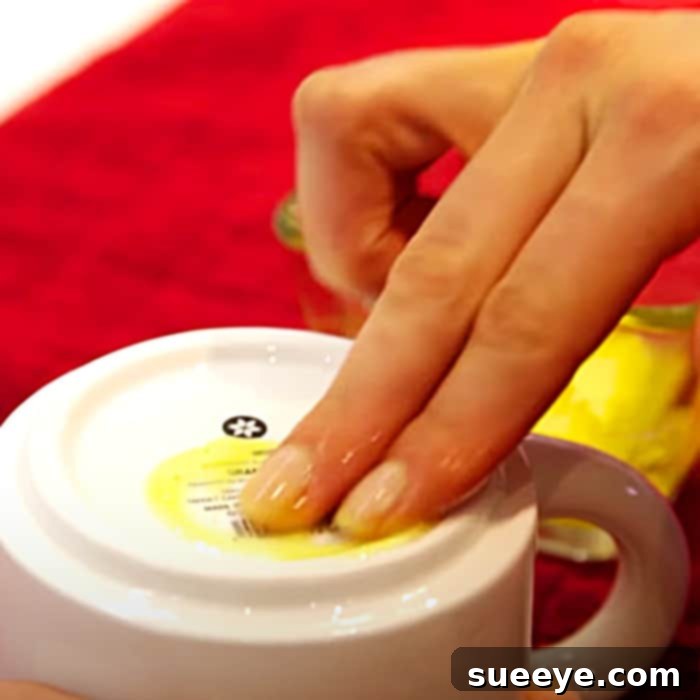
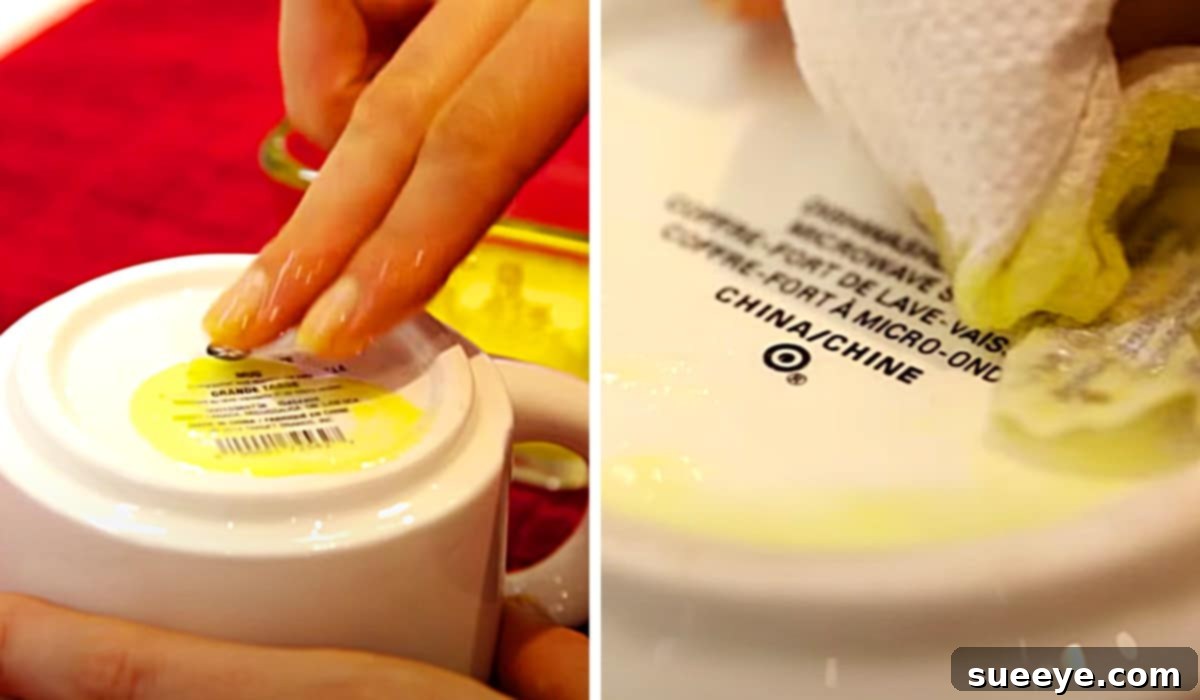
- Apply to the Goo: Grab a generous dollop of the homemade mixture with your fingers or a small spoon and apply it directly onto the sticky residue or surface you wish to clean. Don’t be shy; ensure the goo is completely covered. Since the mixture is completely natural and non-toxic, it’s safe to handle with bare hands and will not cause any harm.
- Let it Sit: For best results, allow the Goo Gone mixture to sit on the affected area for 5-10 minutes. This gives the coconut oil and essential oils time to penetrate and break down the adhesive bonds. For particularly stubborn stains, you might extend this time to 15-20 minutes.
- Gentle Scrub (if needed): After allowing it to dwell, gently rub the mixture into the goo. The baking soda will provide a mild abrasive action, helping to loosen the residue. You can use your fingers, a soft cloth, or an old toothbrush for this step, depending on the surface and the tenacity of the goo.
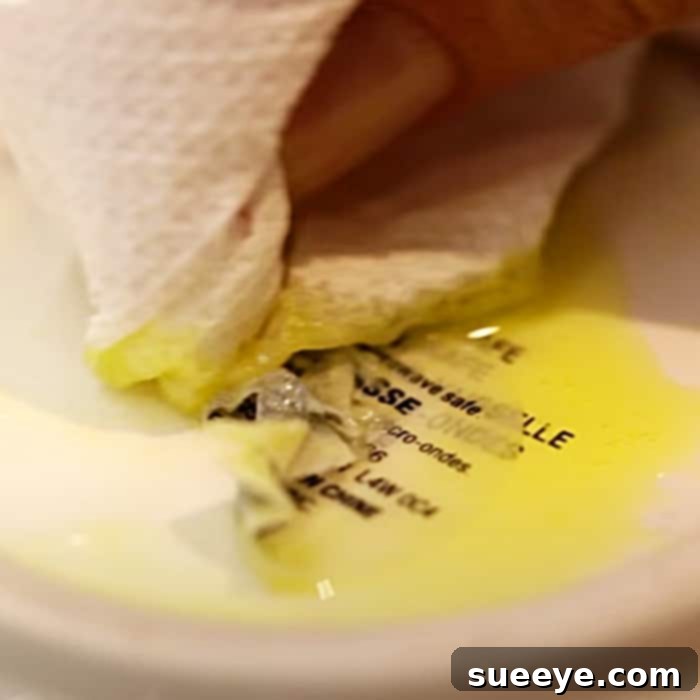
- Wipe Clean: Once the sticky residue has softened and appears to be dissolving, use a paper towel, a clean cloth, or a sponge to wipe the surface clean. You’ll find the goo lifts away easily, leaving behind a clean, residue-free area. You might need to make a few passes to ensure all traces of the goo and the cleaning mixture are removed.
Post-Cleaning Steps:
After successfully removing the goo, you might want to give the area a final wipe with a damp cloth, especially if it’s a surface where food is prepared or handled. This ensures no oily residue from the coconut oil is left behind, although coconut oil itself is harmless. For most surfaces, a simple dry wipe is sufficient.
Versatile Uses for Your Homemade Goo Gone: Beyond Labels
This natural adhesive remover is surprisingly versatile and can tackle a multitude of sticky challenges around your home. Here are some of its most popular applications:
- Label and Sticker Removal: This is its most common use. Effortlessly remove price tags from new purchases, labels from glass jars for repurposing, or stickers from children’s toys and books. It works on metal, plastic, glass, and ceramic surfaces.
- Chewing Gum Removal: Accidentally stepped on gum or found it stuck in a carpet or hair? Apply the Goo Gone, let it sit, and then gently scrape or comb it out. The oil helps to break down the gum’s elasticity.
- Crayon Marks: Little artists sometimes extend their canvas beyond paper. This mixture can gently lift crayon marks from painted walls, wooden furniture, and plastic surfaces without damaging the finish.
- Adhesive Residue: After removing tape, double-sided tape, or even Command Strip remnants, you’re often left with a sticky mess. Apply this solution to clean it up perfectly.
- Grease and Grime: The coconut oil and citrus essential oils are excellent degreasers. Use it to cut through sticky grease build-up on kitchen appliances, stovetops, or tools.
- Scuff Marks: Light scuff marks on floors or baseboards, which sometimes have a sticky or rubbery component, can often be buffed away with this paste.
- Tar Spots: If your car picks up tar spots from the road, a small amount of this homemade Goo Gone can carefully remove them from paintwork (always patch test first on an inconspicuous area).
Always remember to perform a patch test on an inconspicuous area of the surface, especially on delicate finishes, painted surfaces, or fabrics, to ensure compatibility and prevent any discoloration or damage. While this mixture is natural and gentle, it’s always better to be safe.
Tips for Optimal Results and Storage
To maximize the effectiveness and lifespan of your homemade Goo Gone, consider these additional tips:
- Patch Test is Key: Before applying to a large or highly visible area, always test a small, hidden spot. This is especially important for delicate surfaces, unfinished wood, certain plastics, or specialty finishes to ensure there are no adverse reactions.
- Consistency is Crucial: The paste-like consistency allows it to cling to vertical surfaces, preventing drips and ensuring maximum contact with the sticky residue. If your mixture is too runny, add a tiny pinch more baking soda. If it’s too thick, a drop more coconut oil can help.
- Dwell Time Matters: For tough, old, or thick adhesive, allowing the mixture to sit for a longer period (up to 20-30 minutes) will give the oils more time to penetrate and dissolve the goo.
- Gentle Agitation: Sometimes, a little rubbing with your fingers, a soft cloth, or a plastic scraper (for very stubborn bits) can help the paste work its magic more effectively. Avoid abrasive scrubbers that could scratch surfaces.
- Storage: You can store any leftover homemade Goo Gone in a small, airtight container at room temperature. A small glass jar with a lid works perfectly. It will remain effective for several weeks, if not months, though the coconut oil may solidify in cooler temperatures. Simply let it warm up slightly or gently stir before use.
- Avoid Delicate Fabrics: While safe for many surfaces, be cautious when using this oil-based mixture on very delicate fabrics or silk, as the oil could potentially leave a temporary mark that would require further cleaning.
- Rinse if Necessary: For surfaces that require a completely oil-free finish (e.g., prior to painting or applying new adhesive), wipe the area clean with a damp cloth after removing the goo, and then dry thoroughly.
By following these simple guidelines, you’ll ensure a successful and satisfying cleaning experience every time you reach for your homemade Goo Gone.
The Eco-Friendly Choice: A Step Towards a Healthier Home
Opting for this DIY Goo Gone recipe isn’t just about cleaning; it’s a conscious decision to foster a healthier living environment. By replacing commercial chemical products with natural, readily available ingredients, you’re reducing your exposure to potentially harmful fumes and residues. This shift aligns with sustainable living practices, promoting both personal well-being and environmental stewardship. It’s a simple change that makes a significant positive impact.
Conclusion: Embrace the Power of Homemade Cleaners
This homemade Goo Gone recipe is truly a wonderful and incredibly hopeful solution for anyone seeking an effective, safe, and natural alternative to commercial adhesive removers. It proves that powerful cleaning doesn’t require harsh chemicals or exorbitant prices. With just a few common ingredients – baking soda, coconut oil, and citrus essential oil – you can create a highly efficient product that tackles the stickiest messes with ease.
I wholeheartedly recommend trying this DIY Goo Gone. It’s a testament to the fact that sometimes, the best solutions are the simplest and most natural ones. Not only will you keep your home spotless and free from stubborn residues, but you’ll also do so with peace of mind, knowing you’re using ingredients that are kind to your family and the planet. Say goodbye to sticky situations and hello to a cleaner, greener home!