
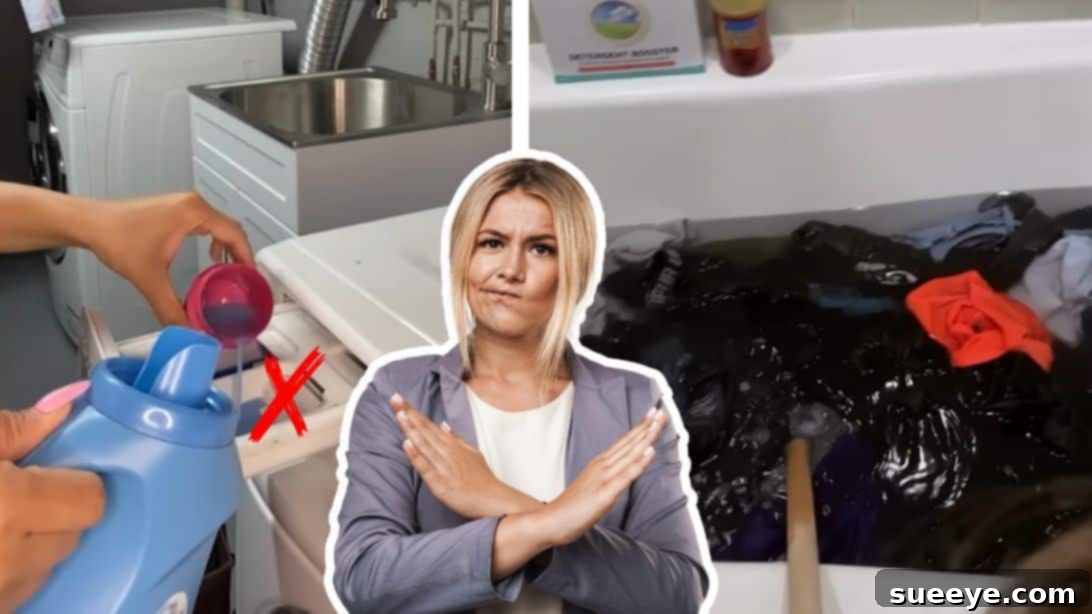
Unlock the Secrets to Perfectly Clean Clothes: 5 Laundry Mistakes Experts Never Make
I understand the frustration of doing laundry only to find your clothes aren’t as clean as they should be, often with tell-tale detergent residue. For years, I struggled with this very issue, constantly wondering where I was going wrong. It wasn’t until I stumbled upon invaluable tips from the laundry experts at Consumer Reports that I realized the common mistakes I, and likely many others, were making. Implementing these straightforward changes has been a game-changer, not only saving me money on wasted products and re-washes but also ensuring my clothes are consistently fresh, truly clean, and free from irritating residues. Let’s delve into these expert-backed strategies that promise to revolutionize your laundry routine.
Mistake #1: Never Use Fabric Softener – Understanding the Hidden Downsides
Perhaps one of the most surprising revelations for many home launderers is the recommendation to completely avoid fabric softener. While its primary purpose is to make clothes feel softer and smell fresh, its long-term effects can be surprisingly detrimental. Fabric softener works by coating clothing fibers with a thin layer of chemicals. This coating, over time, can build up, leading to a host of problems that often go unnoticed.
Why Fabric Softener Can Be Detrimental to Your Laundry and Health
One of the most immediate and noticeable side effects of fabric softener use, especially for individuals with sensitive skin, is irritation and rashes. That persistent itchiness I once experienced mysteriously vanished after I heeded advice to cut out fabric softeners entirely. The chemical residue left behind can be a significant allergen for delicate skin, making it an absolute no-go for households with babies or family members prone to dermatological sensitivities.
Beyond skin concerns, this chemical coating also impacts the functionality of your fabrics. For instance, it drastically reduces the absorbency of towels, turning your plush bath towels into less effective, water-repellent sheets. Similarly, for athletic wear and moisture-wicking garments, fabric softener can clog the specialized fibers designed to pull sweat away from your body, rendering them ineffective. Furthermore, a sticky residue can accumulate in your washing machine’s dispenser and drum, potentially leading to mold and mildew buildup, which contributes to unpleasant odors and can shorten the lifespan of your appliance.
Certain modern fabrics, including microfibers and those with flame-retardant properties (often found in children’s sleepwear), can also be damaged by fabric softeners, diminishing their intended performance and safety features.
Eco-Friendly and Effective Alternatives to Fabric Softener
The good news is that you don’t need fabric softener to achieve soft, fresh-smelling laundry. Several natural and highly effective alternatives exist. One of the best is white vinegar. Adding half a cup of distilled white vinegar to your washing machine’s fabric softener dispenser during the rinse cycle works wonders. It naturally softens fabrics, helps remove detergent residue, and acts as a mild disinfectant, all without leaving any vinegar scent once dry. Another excellent option, especially for the dryer, is wool dryer balls. These reusable balls help separate clothes, allowing hot air to circulate more efficiently, which reduces drying time and naturally softens fabrics, minimizing static cling without any chemicals.
Mistake #2: Never Strip Laundry in the Bathtub – The Modern Approach to Deep Cleaning
The practice of “laundry stripping” gained popularity for its promise to deeply clean fabrics, removing years of accumulated detergent, hard water minerals, body oils, and grime. Traditionally, this process involved soaking clothes for hours in a bathtub filled with a concoction of borax, washing soda, and detergent. While effective, this method is undeniably laborious, messy, and requires significant supervision. Fortunately, laundry experts confirm that you can achieve the same, if not better, results with far less effort and mess by utilizing your washing machine.
Achieving Professional Laundry Stripping Results in Your Washing Machine
To “strip” your laundry effectively in a washing machine, start by selecting a hot water cycle – the hottest your fabric can safely tolerate. Add your desired stripping agents; a common and effective mix includes 1/4 cup borax, 1/4 cup washing soda (sodium carbonate), and a small amount of your regular laundry detergent. Ensure these agents are properly dissolved before adding your garments to avoid direct contact with concentrated chemicals.
Load your washing machine with the items you wish to deep clean. Choose a heavy-duty or sanitize cycle, and crucially, opt for an “extra rinse” or “extended soak” option if your machine has one. The key is to allow the clothes to agitate and soak thoroughly in the hot water and cleaning solution, followed by multiple rinses to completely flush out the loosened buildup. The machine’s powerful spin cycle will then extract the dirty water and residue far more efficiently than hand-wringing in a bathtub. This method not only saves you from the physical strain and messy cleanup of bathtub stripping but also ensures a more consistent and hygienic deep clean for your fabrics.
Mistake #3: Never Use Too Much Detergent – The Art of Precision Cleaning
It’s a common misconception: more detergent equals cleaner clothes. In reality, using an excessive amount of laundry detergent is a widespread mistake that leads to several undesirable outcomes. Modern laundry detergents, especially high-efficiency (HE) formulas, are highly concentrated. This means a little goes a long way, and exceeding the recommended amount can do more harm than good.
Finding the Right Detergent Dose for Optimal Laundry Care
When you use too much detergent, your washing machine struggles to rinse it all away. This results in soap residue clinging to your clothes, making them stiff, dingy, and attracting more dirt. This residue can also accumulate inside your washing machine, particularly in hidden areas like the drum and hoses, leading to a build-up of mold and mildew. This often manifests as that unpleasant, musty odor emanating from your “clean” laundry or even from the machine itself.
To determine the correct amount of detergent, always refer to the instructions on the detergent packaging. These guidelines are tailored to the detergent’s concentration and are crucial for effective cleaning. Consider these factors:
- Load Size: A small load requires less detergent than a large, full load.
- Soil Level: Heavily soiled items might need a slightly larger dose, but never an excessive amount.
- Water Hardness: If you live in an area with hard water, you might need a touch more detergent to counteract mineral interference, but again, moderation is key.
- Detergent Type: High-efficiency (HE) detergents are designed to produce fewer suds and are formulated for HE machines, requiring significantly less product than conventional detergents.
Many detergent caps have measurement lines; use them diligently. For medium loads, sticking to the minimum recommended amount is often sufficient. By using the precise amount, you’ll not only save money on detergent but also ensure your clothes are truly clean and your washing machine remains in optimal condition, free from unsightly and unhygienic buildup.
Mistake #4: Never Put Stained Clothes in the Dryer – The Golden Rule of Stain Removal
This is arguably one of the most critical rules in laundry care, yet it’s frequently overlooked in the rush to get chores done. The moment you place a stained garment into the dryer before the stain is fully removed, you are effectively baking that stain into the fabric. The high heat of the dryer chemically alters the stain, bonding it permanently with the fibers, making it incredibly difficult, if not impossible, to remove later.
A Step-by-Step Guide to Effective Stain Pre-Treatment
The key to successful stain removal lies in patience and proper pre-treatment. Always inspect your clothes meticulously after washing, especially before transferring them to the dryer. If you spot even a faint trace of a stain, do not proceed to dry. Instead, follow these steps:
- Act Promptly: The fresher the stain, the easier it is to remove. Address stains as soon as they occur.
- Identify the Stain: Different stains require different treatments. For instance, oil-based stains benefit from a degreaser or dish soap, while protein-based stains (like blood or grass) respond better to enzyme cleaners and cold water.
- Pre-Treat Thoroughly: Apply a suitable stain remover directly to the stained area. Gently work it into the fabric with your fingers or a soft brush. For stubborn stains, a short soak in a solution of warm water and an oxygen-based brightener can be highly effective.
- Avoid Rubbing: Aggressively rubbing a stain can push it deeper into the fabric or damage the fibers. Instead, blot gently or work the treatment from the outside of the stain inwards.
- Re-Wash or Rinse: After pre-treating, re-wash the item, or at least rinse the treated area thoroughly.
- Inspect Again: Before any drying, hold the garment up to natural light to ensure the stain is completely gone. If it’s still visible, repeat the pre-treatment process.
Only once you are absolutely certain the stain has vanished should you consider putting the item in the dryer. This meticulous approach will save countless garments from permanent damage and help maintain your wardrobe’s pristine condition.
Mistake #5: Never Overstuff the Washing Machine and Dryer – The Key to Efficiency and Longevity
It’s tempting to cram as many clothes as possible into a single load to save time and energy. However, overstuffing both your washing machine and dryer is a counterproductive habit that compromises cleaning effectiveness, extends drying times, and can even damage your appliances and garments.
Optimizing Load Sizes for Superior Cleaning and Drying
In the Washing Machine:
When you overstuff a washing machine, clothes lack the necessary space to tumble, agitate, and move freely within the drum. This prevents water and detergent from circulating properly and reaching all areas of the fabric. The result? Poorly cleaned clothes, residual detergent clinging to garments, and uneven washing where some items come out cleaner than others. Overloading also puts excessive strain on the machine’s motor and components, potentially leading to costly repairs and shortening the lifespan of your appliance. Always aim to fill your washing machine to about three-quarters full, leaving enough room for items to move around freely.
In the Dryer:
Similarly, an overloaded dryer significantly hinders its performance. Hot air needs ample space to circulate among the clothes to effectively wick away moisture. When crammed, garments clump together, trapping moisture and preventing proper airflow. This results in much longer drying cycles, which not only wastes energy and increases utility bills but also exposes your clothes to prolonged heat, causing them to wear out faster, develop wrinkles, and potentially even shrink. Furthermore, excessive lint can accumulate, posing a fire hazard. For optimal drying, ensure clothes have plenty of room to tumble freely, allowing the hot air to do its job efficiently.
By consistently adhering to proper load sizes for both your washing machine and dryer, you’ll ensure your clothes are thoroughly cleaned and dried, prolong the life of your garments and appliances, and maximize energy efficiency. It’s a simple adjustment that yields significant benefits for your entire laundry routine.
Adopting these five expert laundry habits will transform your routine from a chore fraught with guesswork and disappointment into a streamlined process yielding consistently excellent results. From protecting sensitive skin and preserving fabric integrity by ditching fabric softener, to mastering the art of efficient stain removal and machine loading, these tips offer a pathway to cleaner clothes, healthier skin, and more durable appliances. Say goodbye to detergent residue, stubborn stains, and inefficient washes, and embrace a smarter, more effective approach to laundry care. What are your go-to laundry hacks? Share them in the comments below!