
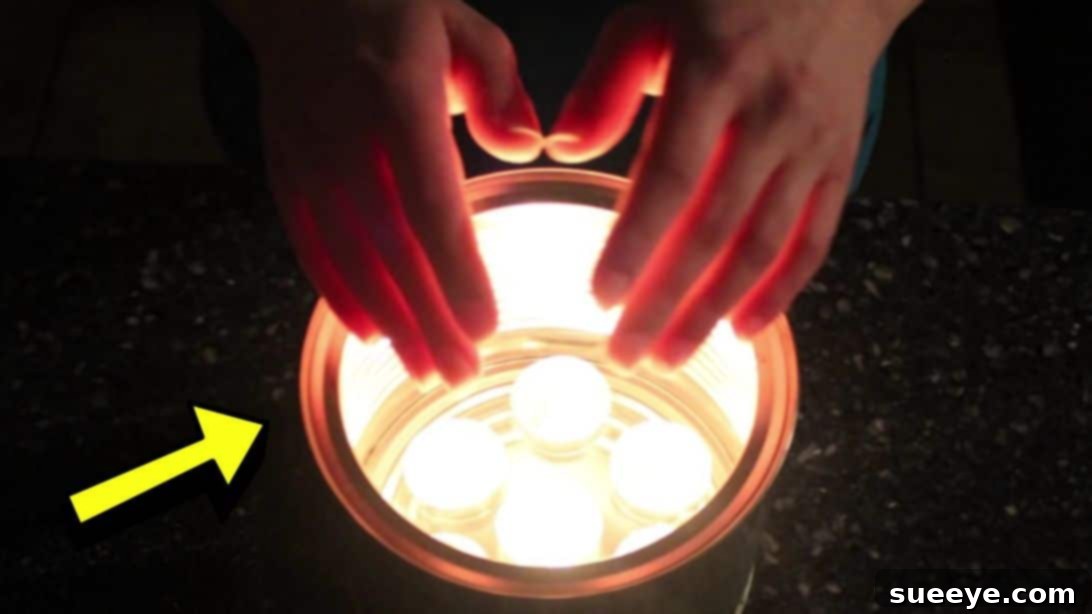
Stay Warm and Safe: Your Comprehensive Guide to Winter Power Outages
A power outage can strike unexpectedly at any time, but its impact is felt most acutely during the biting cold of winter. Losing electricity not only disrupts your daily routine but also poses a significant challenge to maintaining warmth and comfort. The ability to stay warm becomes a critical survival skill when temperatures drop and the grid goes dark. Preparing for such an event is not just advisable; it’s essential for your family’s safety and well-being.
Fortunately, with a bit of foresight and practical knowledge, you can equip yourself to handle a winter power outage with confidence. This guide will walk you through proven strategies to keep yourself and your loved ones warm, comfortable, and safe while you wait for the electricity to be restored. Learn from expert advice, like the valuable insights shared by The Provident Prepper on YouTube, and discover actionable steps you can implement today.
RELATED: Looking for a quick craft to keep your feet toasty? Learn How To Make DIY Winter Socks In 10 Minutes or Less.
Why Winter Power Outage Preparedness is Crucial
Winter brings unique challenges during a power outage. Without electricity, central heating systems cease to function, leaving homes vulnerable to rapidly falling temperatures. Pipes can freeze and burst, and the risk of hypothermia increases significantly if proper precautions aren’t taken. Understanding these risks is the first step toward effective preparation. By implementing smart strategies, you can transform a potentially dangerous situation into a manageable one, ensuring everyone stays warm and healthy.
Essential Strategies to Keep Warm During a Winter Power Outage
When the power goes out, your home quickly loses its ability to retain heat. The key to staying warm lies in a multi-faceted approach, combining heat conservation, personal warming techniques, and the intelligent use of alternative heat sources. Here are six crucial tips to guide you:
1. Prevent Heat Loss: Secure Your Home’s Warmth
The most effective way to stay warm is to prevent the existing heat from escaping and cold air from entering. Think of your home as a giant thermos; you want to seal it as tightly as possible. Start by identifying all potential entry points for cold drafts. Windows and doors are primary culprits, but don’t overlook electrical outlets, unused fireplaces, pet doors, and even small cracks in walls.
Use painter’s tape, duct tape, or packing tape to seal gaps around windows and doors. Heavy blankets, towels, or draft stoppers can be placed at the bottoms of doors and window sills. If you have unused fireplaces, consider blocking the flue with a temporary plug (like a chimney balloon) or covering the opening with heavy material to prevent a significant heat sink.
Next, designate a single “warm zone” in your home. This should ideally be a small, interior room with fewer windows, or perhaps the kitchen if it has a gas stove (used carefully for minimal heat, *never* for primary heating due to carbon monoxide risks) or a safe, alternative cooking setup. Close off all other rooms by shutting doors and blocking their bases with towels or blankets. This concentrates any generated heat and your body heat into a smaller, more manageable space, making it much easier to keep warm.
2. Create a Personal Microclimate: Your Cozy Haven
Even within a designated warm zone, you can enhance personal comfort by creating a “microclimate” – a smaller, insulated space designed to trap body heat. A tent set up indoors is an excellent example. Place it in your warm zone, fill it with blankets, sleeping bags, and pillows, and you’ve got a remarkably effective personal sanctuary. The tent’s fabric traps the heat you radiate, significantly raising the temperature within.
If a tent isn’t available, improvise! Drape blankets over furniture to create a fort-like structure. The smaller the volume of air you’re trying to heat, the easier it will be to stay warm using just your body heat and layers. This is also a fantastic way to engage children, turning a challenging situation into a fun, memorable experience. Spend time together in your microclimate, playing board games, reading, or simply snuggling.
3. Dress in Layers for Maximum Warmth
Dressing appropriately is one of the most critical and often overlooked aspects of staying warm. The key is layering, which traps air between garments, creating insulation. Think of it as a three-layer system:
- Base Layer: This layer sits directly against your skin and should wick away moisture. Materials like merino wool or synthetic thermals are ideal. Cotton should be avoided as it absorbs sweat and can make you feel colder.
- Mid Layer: This is your insulating layer, designed to retain body heat. Fleece, wool sweaters, or down vests work wonderfully.
- Outer Layer (Shell): This layer protects you from external elements like wind and moisture (if venturing outside). Indoors, a heavier jacket or even a second sweater can serve this purpose, adding an extra barrier against the cold.
Don’t forget your extremities! A significant amount of body heat is lost through the head, hands, and feet. Always wear a hat, gloves or mittens, and thick wool socks. Choose real, insulating blankets (wool, fleece, down) over decorative throws, and remember that dry clothing is crucial; damp clothes will quickly make you feel colder.
4. Fuel Your Body with Warm Food and Drinks
Your body is a remarkable heat-generating machine, and it needs fuel to operate efficiently. Consuming warm beverages and hot foods can significantly contribute to your internal warmth and comfort. Hot tea, coffee, hot chocolate, or a bowl of soup can instantly make you feel warmer from the inside out.
For cooking, prioritize safe indoor equipment. A propane or butane camping stove (used with extreme caution and ample ventilation), a small alcohol stove, or a fireplace (if you have one and it’s properly maintained with good ventilation) can be used for preparing simple hot meals. Always ensure you have a good supply of shelf-stable foods that require minimal preparation, such as canned goods, dried fruits, nuts, and instant noodles. Remember to never use outdoor cooking equipment indoors due to the risk of carbon monoxide poisoning.
5. Keep Moving to Generate Body Heat
While the instinct might be to bundle up and stay still, light physical activity can be surprisingly effective at generating body heat. Moving your muscles increases blood flow and metabolic rate, warming you up. A brisk 15-20 minute period of activity can keep you warm for an hour or more.
However, it’s crucial to avoid overexertion that leads to sweating. Sweat will make your clothes damp, and as it evaporates, it will cool your body rapidly, potentially leading to hypothermia. Focus on low-impact activities like walking around your warm zone, stretching, doing light chores, or playing active indoor games with your family. Even simple tasks like tidying up can help circulate blood and ward off the chill without causing a sweat.
6. Identify and Utilize Safe Heat Sources
Beyond your body’s natural heat, several safe supplemental heat sources can make a big difference:
- Hot Water Bottles: Fill a hot water bottle or even a canning jar with hot water (ensure it’s tightly sealed and wrapped in a towel to prevent burns). Place it under blankets, near your feet, or against your core for localized warmth.
- Chemical Hand Warmers: These small, disposable packets provide several hours of consistent heat. Keep a supply on hand for pockets, gloves, or even tucked into socks.
- Body Heat: Don’t underestimate the power of communal warmth. Snuggling with family members and even pets can generate significant warmth and provide psychological comfort and security during a stressful time.
- Safe Indoor Heaters (Use with Extreme Caution): If you choose to use portable propane or kerosene heaters, absolute vigilance is required. They must *only* be used in a well-ventilated area to prevent carbon monoxide buildup. Invest in battery-operated carbon monoxide detectors and ensure they have fresh batteries. Never leave these heaters unattended, and follow all manufacturer instructions meticulously. *Never* use outdoor grills, camping stoves, or unvented gas logs as primary indoor heat sources.
Beyond Warmth: Other Critical Considerations During a Blackout
Staying warm is paramount, but a winter power outage presents other challenges that require attention:
Lighting Solutions
With no electricity, darkness can be disorienting and dangerous. Rely on battery-powered lanterns, flashlights, and headlamps. Keep extra batteries stored in a cool, dry place. Avoid using candles as a primary light source due to fire hazards, but if absolutely necessary, place them in sturdy, non-combustible holders away from anything flammable.
Communication and Information
Staying informed about the outage status and emergency alerts is vital. Have a battery-powered or hand-crank weather radio. Keep cell phones charged using power banks, car chargers, or solar chargers. Conserve phone battery by using it sparingly and keeping it in airplane mode when not in use.
Prioritizing Safety
Safety should always be your top concern. Unplug sensitive electronics and major appliances to prevent damage when power returns. Never open your refrigerator or freezer more than necessary to preserve food. Be mindful of potential fire hazards if using alternative heating or lighting sources. And as mentioned, always have working carbon monoxide detectors if using any fuel-burning appliances indoors.
Your Winter Power Outage Emergency Kit
A well-stocked emergency kit is your best friend during a blackout. Here’s a quick checklist of essentials specifically for winter:
- Warm blankets and sleeping bags
- Plenty of layered clothing, hats, gloves, and wool socks
- Battery-powered lanterns, flashlights, and extra batteries
- First-aid kit
- Non-perishable food and a manual can opener
- Bottled water (at least one gallon per person per day)
- Hot water bottles or chemical hand warmers
- Battery-powered or hand-crank radio
- Fully charged power banks for mobile devices
- Carbon monoxide detector with fresh batteries
- Indoor-safe cooking equipment (with fuel) and matches/lighter
- Whistle to signal for help
- Cash (ATMs won’t work)
- Pet supplies if applicable
Preparing these items in advance will save you stress and discomfort when an outage occurs.
*All images in this article are credited to The Provident Prepper via YouTube. We highly recommend visiting his channel and subscribing for more invaluable preparedness and survival tips!
Conclusion: Be Prepared, Stay Warm, and Stay Safe
Winter power outages are an unavoidable reality, but they don’t have to be a source of fear or extreme discomfort. By taking proactive steps to prepare your home and your family, you can navigate these challenges with confidence and resilience. Implementing strategies like preventing heat loss, creating a warm microclimate, dressing in layers, fueling your body, staying active, and utilizing safe heat sources will ensure your well-being. Remember, preparedness is not about predicting disaster; it’s about empowering yourself to face whatever comes with knowledge and a plan. Stay warm, stay safe, and be prepared!