
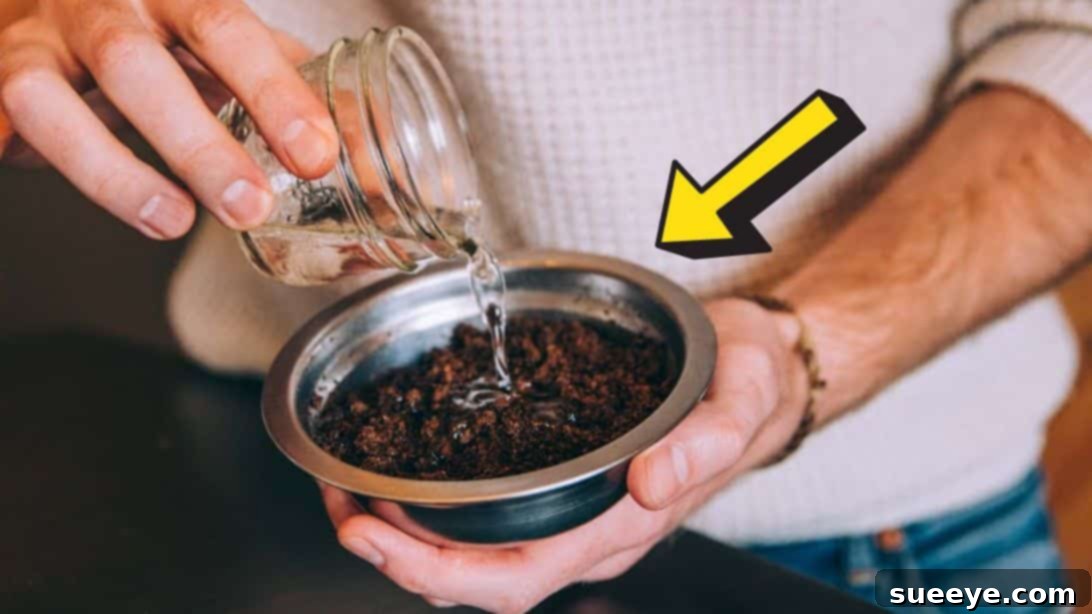
For many of us, the morning ritual begins with the comforting aroma of freshly brewed coffee. It’s a daily pleasure, a simple luxury that energizes and sets the tone for the day. But what happens once that perfect cup is poured? The used coffee grounds, often still rich with potential, are habitually scooped into the trash, destined for landfills. This was certainly my own routine for years, a habit I barely questioned, despite a distant memory from a school project where we repurposed grounds from a local coffee shop as fertilizer for a tree-planting initiative. Beyond that single, early lesson, the vast, untapped potential of these seemingly spent grounds remained largely unknown to me.
However, the truth is far more intriguing than mere waste. Those humble coffee grounds are a true hidden gem – a versatile, organic resource brimming with nutrients, beneficial abrasives, and powerful odor-absorbing compounds. Driven by a newfound curiosity and a growing desire to embrace more sustainable practices, I embarked on a journey of discovery. My research led me to an incredibly insightful video by Brodie Vissers, which brilliantly illustrated several ingenious methods to give coffee grounds a meaningful second life. This exploration utterly transformed my perspective, revealing that brewing coffee can be an even more rewarding and environmentally conscious experience when every element is valued and put to good use.
Why Embrace the Coffee Ground Revolution? The Multifaceted Benefits of Repurposing
Before we delve into the specific, creative applications, it’s essential to understand the compelling reasons why repurposing coffee grounds is such a valuable and impactful practice. The advantages extend far beyond simply diverting waste from overflowing landfills, touching upon practical, economic, and even personal well-being aspects:
- Environmental Stewardship: Reducing household waste is a fundamental pillar of sustainable living. Each scoop of coffee grounds thoughtfully kept out of the trash actively contributes to minimizing our environmental footprint and fostering a healthier planet.
- Significant Cost Savings: Many commercial products – from expensive plant fertilizers and harsh chemical cleaning agents to luxurious beauty scrubs – can be effectively and affordably replaced by simple, homemade alternatives crafted from coffee grounds, leading to considerable savings over time.
- Natural and Chemical-Free Solutions: By choosing to utilize coffee grounds, you’re opting for natural, non-toxic solutions. This conscious choice reduces your reliance on and exposure to the often-harsh chemicals commonly found in many store-bought household and personal care products.
- Rich in Beneficial Nutrients: Coffee grounds are a natural powerhouse, packed with essential elements crucial for plant health, including nitrogen, potassium, and phosphorus. This makes them an outstanding resource for enriching garden soil and nourishing various types of flora.
- Exceptional Odor Absorption: Thanks to their unique porous structure and specific chemical compounds, coffee grounds are remarkably effective at absorbing and neutralizing unwanted smells, offering a natural and pleasant alternative to synthetic air fresheners.
These myriad benefits underscore that reusing coffee grounds is far more than just a passing DIY trend; it’s a smart, responsible, and sustainable habit that can profoundly and positively impact your home environment, your personal finances, and the planet as a whole.
7 Creative and Ingenious Ways to Give Your Used Coffee Grounds a Second Life
If you’re a devoted home brewing enthusiast, you’re undoubtedly generating a steady and plentiful supply of coffee grounds. Instead of consigning them to the waste bin, consider transforming them into valuable assets that can enhance your home, garden, and even your personal care routine. Here are seven innovative and often surprising uses that will inspire you to look at your daily coffee ritual in a whole new light:
1. An Exceptional Plant Fertilizer and Natural Soil Enhancer
One of the most widely embraced and truly beneficial applications for spent coffee grounds is in the garden. Far from being mere waste, coffee grounds are a fantastic organic material that can profoundly improve soil health and foster robust plant growth. As they decompose, they slowly but consistently release vital nutrients such as nitrogen, potassium, and phosphorus. Nitrogen, in particular, is a cornerstone for lush foliage and chlorophyll production, while potassium supports strong root development and disease resistance, and phosphorus aids in flowering and fruiting. These elements become readily available for plants, promoting vigorous and healthy development.
A common misconception is that coffee grounds are highly acidic. However, brewed coffee grounds are surprisingly close to neutral, typically ranging from a pH of 6.5 to 6.8, or only very mildly acidic. This makes them suitable for most plants. For acid-loving species like roses, azaleas, rhododendrons, blueberries, and certain hydrangeas, they can provide a gentle and welcome acidity boost. Beyond their nutrient content, the finely textured grounds significantly improve soil structure. They enhance drainage in heavy clay soils, preventing waterlogging, and simultaneously increase water retention in sandy soils, helping plants stay hydrated. Moreover, coffee grounds are known to attract beneficial earthworms, which further aerate the soil and enrich it with their nutrient-dense castings, creating a thriving ecosystem beneath your plants.
How to use: For direct application, sprinkle a thin, even layer of dried coffee grounds around the base of your plants and gently work them into the topsoil. Avoid applying excessively thick layers, especially around smaller sprouts or delicate seedlings, as this can impede air circulation or compact the soil as it dries. For a liquid feed, you can create a “coffee tea” by soaking a cup of grounds in a gallon of water overnight, then using this nutrient-rich liquid to water your plants. For comprehensive soil improvement, integrate coffee grounds into your compost pile, where they serve as an excellent “green” component, breaking down thoroughly and contributing valuable organic matter.
2. A Gentle Yet Highly Effective Scouring Agent for Household Cleaning
Dealing with stubborn, caked-on food residue on pots, pans, and various kitchen surfaces can be a frustrating chore, often necessitating harsh chemical cleaners or abrasive steel wool that risks scratching delicate finishes. Here’s where coffee grounds shine! Their unique finely abrasive yet relatively soft texture makes them an exceptional natural scouring agent, far less aggressive than metallic scrubbers or harsh chemical pastes. The slightly gritty nature of the grounds acts as a mild abrasive, effectively helping to dislodge and lift stubborn food particles, baked-on grease, and grime without damaging non-stick coatings or polished surfaces (though it’s always wise to perform a patch test on very delicate materials). Beyond their cleaning power, coffee grounds leave behind a subtle, pleasant coffee scent, which naturally counteracts any lingering unpleasant cooking odors.
How to use: Simply sprinkle a spoonful or two of used coffee grounds directly onto your sponge, scrubbing brush, or the soiled pot or pan. Add a little dish soap and proceed to scrub as you normally would. For particularly tough spots or baked-on residue, allow the grounds to sit on the affected area for a few minutes before scrubbing; this gives them time to work their magic. This method is also remarkably effective for cleaning barbecue grills, refreshing kitchen sinks, and even for removing grease, oil, and stubborn dirt from your hands after gardening, working with machinery, or handling oily foods.
3. A Natural and Powerful Odor Neutralizer and Freshener
There’s no need to tolerate unpleasant odors lingering in your home when you have such a simple, natural, and incredibly effective solution at hand. Coffee grounds are remarkably efficient at absorbing and truly neutralizing unwanted smells, rather than merely masking them with another fragrance. This impressive capability stems from their highly porous structure and the nitrogen compounds they contain, which actively react with and absorb the sulfur compounds that are often the culprits behind foul odors. This makes them a superior and eco-friendly choice compared to many synthetic chemical air fresheners that often only temporarily perfume the air.
The applications for their odor-fighting prowess are extensive. Think beyond just a subtle coffee aroma; think powerful, natural odor elimination throughout your home.
How to use: To banish stale or lingering food odors in your refrigerator and freezer, place an open bowl of thoroughly dried coffee grounds on a shelf. For shoes, gym bags, or small, enclosed spaces like closets or drawers, fill old socks, small fabric sachets, or breathable pouches with dried grounds and tuck them inside. You can also strategically place small bowls in musty cupboards, under sinks, or even in your car to keep it smelling fresh. A fantastic kitchen hack: to quickly get rid of the lingering scent of garlic, onions, or fish on your hands after cooking, simply rub a small amount of used coffee grounds between your palms for about 30 seconds before rinsing thoroughly with water.
4. A Unique and Versatile Vintage Dye for Crafts and Fabric
For crafters, artists, and DIY enthusiasts, used coffee grounds offer a wonderfully natural and accessible medium for creating beautiful, aged effects. Coffee staining is an ideal technique for imparting a rustic, antique, or sepia-toned look to various materials such as paper, natural fabrics, untreated wood, and even unique decorations like Easter eggs. The intensity and depth of the resulting color can be precisely controlled by adjusting the strength of the coffee solution and the duration of the soaking time, allowing for a spectrum ranging from a delicate light beige to a deep, rich, earthy brown. This technique is particularly beloved for crafting antique-looking maps, vintage letters, personalized scrapbook pages, or for giving new fabrics a charming, authentically worn appearance. It stands as an eco-friendly and non-toxic alternative to synthetic dyes, offering a unique aesthetic that is both charming and difficult to replicate with artificial means.
How to use: Begin by boiling water in a pot and adding a generous amount of used coffee grounds (the more grounds you use, and the longer you simmer, the darker and more concentrated your dye will be). Let the mixture simmer gently for 10-15 minutes, then strain out the grounds using a fine-mesh sieve or cheesecloth to obtain a strong, clear coffee “tea.” Allow the dye bath to cool completely before use. For paper, carefully dip individual sheets into the cooled dye, ensuring even saturation, then lay them flat on a clean surface or hang them to dry. Thicker paper stocks tend to work best to prevent tearing or excessive wrinkling. For fabric, soak clean, natural fiber items (like cotton, linen, or silk) in the dye bath for anywhere from a few minutes to several hours, depending on the desired intensity of the color. Once the desired shade is achieved, rinse the fabric under cold running water until the water runs clear, then allow it to air dry. For a permanent dye, consider adding a mordant like salt or vinegar to the dye bath, though coffee dye is often used for its charming, somewhat impermanent “aged” effect.
5. An Invigorating and Exfoliating Body Scrub for Radiant Skin
Perhaps one of the most luxurious and surprisingly effective uses for coffee grounds is within your personal beauty routine. Their finely textured, gritty composition makes them an exceptional natural exfoliant, expertly sloughing away dead skin cells to reveal the smoother, brighter, and more refreshed skin underneath. But the benefits extend far beyond simple physical exfoliation. Coffee grounds boast additional skincare advantages thanks to their natural caffeine content. Caffeine is a renowned ingredient in many high-end beauty products, celebrated for its ability to improve local circulation, reduce temporary puffiness, act as an anti-inflammatory agent, and even help diminish the appearance of cellulite by promoting blood flow and tightening the skin.
Crafting your own coffee scrub is wonderfully simple, incredibly cost-effective, and allows you the freedom to customize it with other beneficial ingredients that cater to your skin’s specific needs. The original video offered a fantastic foundational recipe, but feel free to experiment and make it your own!
DIY Invigorating Coffee Body Scrub Recipe:
- 5 parts Used Coffee Grounds: The primary exfoliating and stimulating agent.
- 3 parts Coconut Oil (gently melted): A superb natural moisturizer that deeply hydrates and leaves skin feeling incredibly soft and supple. Alternatively, you can use other nourishing carrier oils like olive oil, almond oil, or jojoba oil based on your preference.
- 1 part Cinnamon (optional): Known for its mild antibacterial and anti-inflammatory properties, cinnamon also adds a delightful warm aroma and can gently boost circulation.
How to use: In a bowl, thoroughly mix all the ingredients until well combined. In the shower, gently massage a generous amount of the scrub onto damp skin in circular motions. Focus particularly on areas that tend to be rougher, such as elbows, knees, feet, and any areas prone to cellulite. After a few minutes of gentle scrubbing, rinse thoroughly with warm water. Your skin will emerge feeling incredibly soft, smooth, invigorated, and beautifully moisturized. Store any remaining scrub in an airtight container in a cool, dry place to prevent spoilage. As with any new skincare product, if you have particularly sensitive skin, it’s always advisable to perform a small patch test first to ensure no irritation occurs.
RELATED: How to Make Coffee Candles
6. A Natural and Environmentally Friendly Pest Repellent
Many common garden pests, including bothersome slugs, snails, and even persistent ants, are effectively deterred by the strong scent and slightly abrasive texture of coffee grounds. The natural caffeine content present in coffee grounds can also act as a natural irritant or even be toxic to certain insects, offering a humane and non-toxic alternative to chemical pesticides around your precious plants and within your home environment.
How to use: To create a protective barrier against slugs and snails, sprinkle a continuous ring of dried coffee grounds around the base of plants that are susceptible to their damage. For ant hills, which are often found near foundations or in garden beds, sprinkle a generous amount of grounds directly on and around the nest openings; the ants dislike the smell and often avoid crossing the barrier. Coffee grounds can also be used as a deterrent for curious neighborhood cats that might be tempted to dig in your garden beds, as most felines find the strong scent of coffee highly unpleasant.
7. An Unexpected and Unique Culinary Ingredient
While the primary purpose of coffee grounds is, of course, to brew our beloved beverage, the grounds themselves can be surprisingly versatile in the kitchen, lending a unique depth of flavor to certain culinary creations. This might seem unconventional at first, but adventurous chefs and home cooks often discover novel ways to incorporate their earthy, slightly bitter, and robust notes into dishes.
The original video amusingly demonstrated mixing a small amount of fine coffee grounds into plain vanilla ice cream with a splash of rum. And indeed, the fine, gritty texture combined with the robust flavor can elevate simple desserts into something truly special and complex!
Potential Culinary Applications:
- Desserts: A very small pinch of very fine, dried coffee grounds can be added to chocolate cakes, brownies, cookies, or even incorporated into homemade ice cream recipes for an intensified coffee or mocha flavor. They complement chocolate exceptionally well.
- Marinades: Coffee grounds can serve as an unexpected secret ingredient in marinades for red meats, particularly beef or lamb. They can help tenderize the meat and impart a rich, smoky, and complex depth of flavor. Use them sparingly and combine with other traditional marinade spices and liquids.
- Dry Rubs: Integrate a small quantity of finely ground coffee into dry rubs for barbecued or roasted meats. When combined with ingredients like paprika, brown sugar, garlic powder, and other spices, coffee grounds contribute to a unique, flavorful crust and an intriguing flavor profile.
Important Culinary Note: When using coffee grounds in cooking, always ensure they are very finely ground and either freshly used (but not still dripping wet) or thoroughly dried. Use them very sparingly, as a little goes a long way, and too much can impart an unpleasantly bitter taste. The goal is to add a subtle nuance and complexity, not an overwhelming coffee flavor.
RELATED: Homemade Coffee Chocolate Chunk Ice Cream Recipe
Essential Tips for Preparing and Storing Your Coffee Grounds for Reuse
To ensure your coffee grounds remain effective, hygienic, and safe for all these ingenious reuse applications, proper preparation and storage are absolutely critical. The most vital step is to ensure they are thoroughly dried. Wet or damp coffee grounds are highly prone to developing mold and mildew, which can render them unsuitable for most applications, particularly for use with plants, in beauty products, or for any culinary purpose.
- Thorough Drying: After brewing your coffee, immediately spread the used grounds thinly and evenly on a baking sheet, a clean platter, or a piece of newspaper. Allow them to air dry completely for several hours or even overnight in a well-ventilated area. To speed up the drying process, you can lightly bake them in an oven set to its lowest temperature (around 200°F / 90°C) for approximately 15-20 minutes, stirring them occasionally to ensure even drying and prevent burning. They should be completely crumbly and free of any moisture.
- Proper Storage: Once your coffee grounds are absolutely bone-dry, transfer them into an airtight container, such as a glass jar with a tight-fitting lid or a sealed plastic bag. Store this container in a cool, dry place, away from direct sunlight and humidity. This prevents any moisture absorption and keeps the grounds fresh and ready for their next life whenever you need them.
Embrace the Zero-Waste Coffee Lifestyle and Make a Difference
From enriching the soil in your garden and providing a gentle yet effective scrub for stubborn grime, to crafting luxurious, all-natural body exfoliants and adding an unexpected, unique touch to your creative projects and even cuisine, the potential uses for your spent coffee grounds are truly remarkable and diverse. What once seemed like mere waste is, in fact, a versatile, highly valuable, eco-friendly, and incredibly cost-effective resource simply waiting to be unleashed.
By thoughtfully incorporating these simple yet ingenious tips into your daily routine, you’re not just making a small dent in your household waste; you’re actively participating in a more sustainable, resourceful, and mindful way of living. This conscious effort benefits not only your immediate environment but also contributes to a larger global movement towards reduced consumption and greater resourcefulness. So, the next time you finish brewing your favorite cup, take a moment before tossing those grounds. Consider the myriad possibilities that lie within them, embrace the rewarding spirit of DIY, and unlock the hidden potential that is an inherent part of your daily coffee ritual. Your plants, your home, your skin, and indeed, the planet itself will undoubtedly thank you for it!