
Lemon Cleaning Hacks: Your Ultimate Guide to a Sparkling, Fresh, and Natural Home
Discover the incredible power of lemons, not just as a culinary delight, but as a surprisingly effective and versatile ally in your cleaning arsenal. Far more than just a garnish, lemons are packed with natural acids and a refreshing scent that can transform your home into a sparkling, odor-free sanctuary. Say goodbye to harsh chemicals and expensive store-bought solutions; these simple, eco-friendly lemon cleaning hacks offer an inexpensive, natural, and incredibly satisfying way to tackle everyday messes. From restoring the shine to your favorite kitchenware to revitalizing stale spaces, lemons are your go-to for a cleaner, greener home. Get ready to explore a world of life-changing cleaning tips that harness the natural potency of this vibrant citrus fruit, ensuring your home smells fresh and looks impeccably clean.
Embracing natural cleaning methods not only benefits your wallet but also contributes to a healthier environment and a safer living space, free from toxic fumes. These ingenious lemon-based cleaning solutions are easy to prepare, simple to apply, and deliver impressive results. Inspired by practical wisdom, these hacks provide sustainable alternatives to conventional cleaners. Let’s delve into the essential items you’ll need and the step-by-step directions to unleash the cleaning magic of lemons throughout your home.
Essential Materials for Natural Lemon Cleaning
- Fresh Lemons (or high-quality bottled lemon juice for convenience)
- Sea Salt (or any coarse salt, such as kosher salt)
- White Vinegar (for specific homemade cleaning recipes)
- Clean Water
- Soft Cloths, Sponges, or Microfiber Towels
- Steel Wool or a Soft Scrub Brush (optional, for tackling tougher tasks)
- Glass Jar or Spray Bottle (for preparing and storing solutions)
Brilliant Lemon Cleaning Hacks for Every Corner of Your Home
Tip #1: General All-Purpose Cleaning and Degreasing
Lemons are natural powerhouses when it comes to breaking down grease and dissolving dirt, thanks to their high citric acid content. This mild acid acts as a natural solvent, effectively cutting through grime without the need for harsh chemicals. It’s perfect for tackling a variety of surfaces and everyday spills, leaving behind a fresh, clean scent rather than a chemical odor.
For Light Cleaning and Everyday Grease Stains: Create a simple yet potent all-purpose cleaner by diluting freshly squeezed lemon juice with an equal part of water. For instance, mix half a cup of lemon juice with half a cup of water in a spray bottle or a bowl. Dip a clean cloth or sponge into this solution and gently rub it onto countertops, stovetops, sinks, or even high-touch surfaces like doorknobs and light switches. The lemon’s acidity will effectively lift fat and grease stains, leaving the surface sparkling clean. This method is particularly effective on everyday spills and light grime, making it an excellent choice for daily kitchen maintenance and general household wiping.
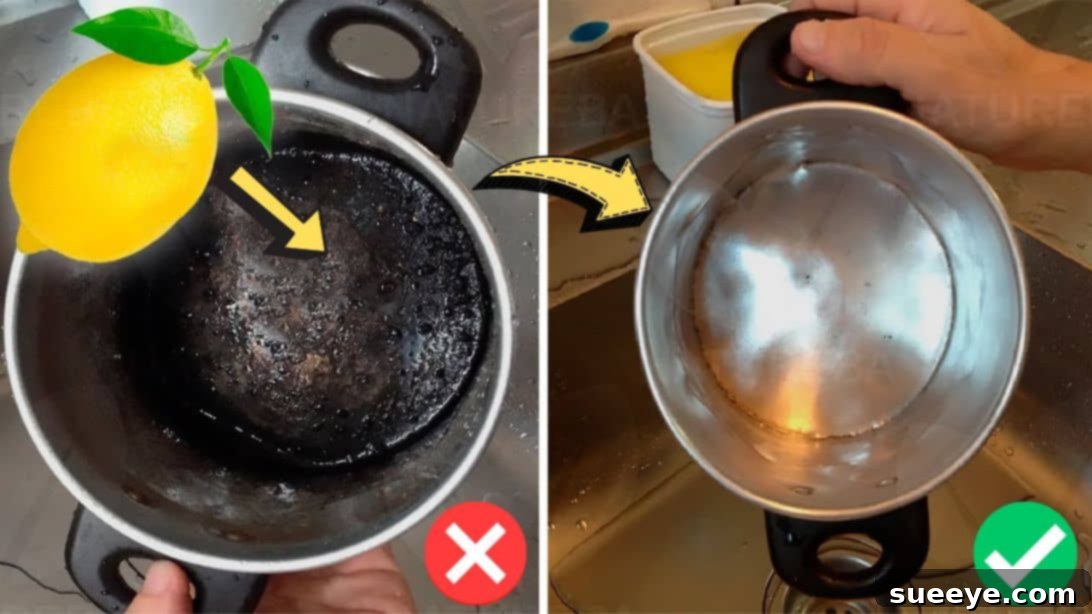
For Tougher Stains and Burnt-On Grease on Cookware: When faced with stubborn food residues, scorched bottoms, or persistent grease on stainless steel pots, pans, or baking sheets, a more direct approach with lemon and an abrasive can work wonders. Cut a lemon in half and sprinkle a generous amount of coarse sea salt directly onto the cut surface of the lemon. Use this lemon-salt combination as a natural scrubber. Rub the salted lemon directly onto the affected areas of your cookware, applying firm but gentle pressure. The salt acts as a mild abrasive to physically scrub away burnt-on food and tough deposits, while the citric acid in the lemon works to dissolve and loosen the grime. After scrubbing, let the mixture sit on the stain for at least 5-10 minutes to allow the acid to fully penetrate and work its magic. Afterward, wash your pots and pans as usual with warm, soapy water. You’ll be amazed at how easily the stubborn stains lift, revealing a gleaming, like-new finish.
Tip #2: Homemade Cleaner for Floors, Sinks, Stoves, and Wooden Boards
Elevate your cleaning routine with a versatile homemade solution that combines the degreasing power of lemon with the disinfecting properties of white vinegar. This concoction is incredibly effective for various surfaces and provides a deeper clean while leaving a refreshing citrus aroma that is far more pleasant than chemical fumes.
DIY Lemon-Infused Vinegar All-Purpose Cleaner: To create your own natural, aromatic, and potent all-purpose cleaner, gather a handful of lemon peels (from about 3-4 lemons works well). Place these peels into a clean glass jar. Pour enough white vinegar over the peels until they are completely submerged. Seal the jar tightly and let it sit in a cool, dark place for approximately two weeks. During this infusion period, the lemon oils and acids will slowly extract into the vinegar, creating a powerful, fragrant cleaning concentrate. After two weeks, strain the liquid to remove the peels, and then mix this lemon-infused vinegar concentrate with equal parts water in a spray bottle. This solution is perfect for cleaning a multitude of surfaces: it effectively cleans floors (test first on delicate or waxed flooring, and dilute further if needed), wipes down sinks, scrubs stovetops, and shines countertops. It not only disinfects and cuts through grease but also leaves a streak-free, gleaming finish on most non-porous surfaces.
Restoring and Sanitizing Wooden Chopping Boards: Wooden cutting boards can easily harbor stubborn stains and unwanted odors from food preparation, but lemon and salt provide an excellent natural remedy to restore them. First, sprinkle a generous, even layer of coarse sea salt (or kosher salt) over the entire surface of your wooden board. Next, take half a lemon and squeeze its juice directly over the salt, ensuring good coverage across the board. Use the lemon half itself as a scrubbing tool, rubbing the salt and juice into the board in circular motions. The salt acts as a gentle abrasive to physically lift ingrained food particles and unsightly stains, while the lemon juice penetrates the wood to disinfect and neutralize lingering odors, such as those from garlic, onion, or fish. Allow this mixture to sit on the board for at least 5 to 10 minutes, giving the acid sufficient time to work its magic on deep-set stains and bacteria. Afterward, use a firm spatula or a clean, stiff brush to scrape off the dirty liquid and salt mixture. Rinse the board thoroughly with warm water and scrub with a clean sponge or cloth to remove any remaining residue. Your wooden board will look revitalized, smell wonderfully fresh, and be hygienically clean, ready for your next culinary adventure.
Tip #3: Natural Odor Absorption and Freshening
Beyond their remarkable cleaning capabilities, lemons are exceptional natural deodorizers, thanks to their fresh, potent scent and the ability of citric acid to neutralize alkaline odors rather than merely masking them. Instead of filling your home with artificial fragrances, lemons tackle the source of unpleasant smells, leaving behind a genuinely clean, crisp, and inviting aroma.
Eliminating Refrigerator Odors: If your refrigerator has developed an unwelcome odor from various food items, lemon peels can come to the rescue as a simple, effective solution. Simply place a few fresh lemon peels (or even a sliced lemon half) onto a small plate or directly onto a shelf inside your fridge. The lemon peels will gradually absorb the stale, unpleasant odors, replacing them with a subtle, clean citrus scent that is much more appealing. For best results and continuous freshness, replace the peels every few days or once their scent noticeably diminishes. This incredibly simple trick keeps your fridge smelling fresh and clean without the need for chemical air fresheners or bulky odor absorbers.
Freshening Trash Cans, Garbage Disposals, and More: Trash cans are notorious breeding grounds for foul odors that can permeate your kitchen. To combat this effectively, toss a handful of fresh lemon peels (and even orange or lime peels) into the bottom of your empty trash can before inserting a new bag. The peels will work overtime to absorb and neutralize odors as they accumulate. For a perpetually smelly garbage disposal, a common culprit for kitchen odors, simply run cold water down the drain, then drop a few lemon peels into the disposal. Turn on the disposal for about 30 seconds. The grinding action combined with the lemon’s natural oils will scour the blades, remove food buildup, and leave your entire sink area smelling incredibly fresh and clean. This versatile method can also be extended to any enclosed area where unpleasant odors tend to linger, such as under sinks, in small cupboards, inside gym bags, or even in the bottom of your laundry hamper to absorb damp smells.
Tip #4: Restoring Stainless Steel Cookware to Its Shine
Burnt-on food and stubborn stains on stainless steel pots and pans can be incredibly frustrating and appear impossible to clean. However, lemon offers a gentle yet remarkably effective way to tackle these tough messes without resorting to harsh scrubbing, abrasive chemicals, or excessive elbow grease that can potentially damage your valuable cookware.
Cleaning Burnt Stainless Steel Pots and Pans: For stainless steel pots or pans with unsightly crusty or burnt bottoms, this lemon method is an absolute game-changer. Start by filling the pot with enough water to completely cover the burnt or stained area. Next, take 1 or 2 unpeeled lemons, cut them into large wedges or halves, and place them directly into the water in the pot. Bring the water to a boil, then reduce the heat to a simmer and allow it to gently bubble for about 10-15 minutes. The simmering process, combined with the powerful citric acid released from the lemons, will work synergistically to loosen and dissolve the burnt-on food particles and stains that cling so stubbornly. After simmering, turn off the heat and let the pot cool completely to a safe temperature. Once cooled, carefully pour out the water and discard the lemon pieces. You should find that the burnt residue has significantly softened and become much easier to remove. Using a soft brush, a non-abrasive sponge, or a wooden scraper, gently scrub the bottom of the pot. The grime should lift away much more easily than before, often with minimal effort. Give the pot a good rinse with cold water, and marvel at your restored, sparkling stainless steel cookware. This method is not only highly effective but also leaves your kitchen smelling wonderfully fresh and clean.
Tip #5: Descaling Appliances and Cleaning Microwaves Naturally
Hard water can lead to stubborn mineral buildup, commonly known as limescale, in everyday appliances like kettles and coffee makers. Similarly, microwaves can quickly accumulate dried-on food splatters and unpleasant odors. Lemon provides an exceptionally effective, food-safe, and non-toxic way to descale these appliances and refresh your microwave.
Descaling Kettles and Coffee Makers: For electric kettles, a simple lemon solution works wonders. Fill your kettle halfway with clean water, then add the juice of one whole lemon along with a few of the squeezed lemon slices. Bring this mixture to a rolling boil and then turn off the kettle, allowing the solution to sit for at least 30 minutes. For heavily scaled kettles, you can let it sit for a few hours or even overnight. For coffee makers, prepare a mixture of equal parts lemon juice and water (e.g., one cup of each). Pour this solution into the water reservoir and run a brewing cycle, stopping halfway through to let the solution sit for about 15-20 minutes before completing the cycle. Follow this with two full cycles of plain water to rinse thoroughly. The potent citric acid in the lemon will effectively break down and dissolve mineral deposits, restoring your appliances to their optimal efficiency and extending their lifespan. Always remember to rinse thoroughly after treatment to remove any lingering lemon residue.
Effortlessly Cleaning and Deodorizing Your Microwave: To easily clean and deodorize the interior of your microwave, a quick lemon steam bath is all you need. Place a microwave-safe bowl filled with about half a cup of water and the juice of half a lemon (along with the squeezed lemon half) inside the microwave. Microwave on high power for 3-5 minutes, or until the water comes to a vigorous boil and the interior window of your microwave steams up. The steam, infused with lemon, will create a moist environment that effectively loosens stuck-on food particles and neutralizes any lingering odors. Carefully remove the hot bowl using oven mitts, then simply wipe down the inside of the microwave with a clean cloth or sponge. You’ll find that dried-on grime comes off effortlessly, and your microwave will not only be spotless but also smell wonderfully fresh and clean, without any harsh chemical smells.
The Manifold Benefits of Cleaning with Lemons
Opting for lemons as your primary cleaning agent brings a host of advantages that extend far beyond just a spotless home, contributing to a healthier lifestyle and a greener planet:
- Eco-Friendly and Sustainable: Lemons are a natural, biodegradable, and renewable resource, making them an excellent choice for an environmentally conscious cleaning routine. By choosing lemon-based cleaners, you actively reduce your carbon footprint and lessen your reliance on synthetic, petroleum-derived chemicals that often harm ecosystems.
- Non-Toxic and Safe for the Family: Unlike many commercial cleaning products that contain harsh chemicals, noxious fumes, and irritants, lemon juice is completely non-toxic and naturally derived. This makes it a significantly safer option for homes with young children, curious pets, and individuals sensitive to chemical odors or ingredients. You can clean with peace of mind, knowing you’re not exposing your loved ones to harmful substances.
- Highly Cost-Effective: Lemons are widely available and relatively inexpensive, especially when purchased in bulk. By incorporating them into your cleaning regimen, you can significantly cut down on the recurring costs of buying specialized, often pricey, cleaning products for every area of your home. A single lemon can go a surprisingly long way, proving that effective cleaning doesn’t have to break the bank.
- Natural Disinfectant and Antibacterial Properties: The citric acid naturally present in lemons possesses inherent antibacterial and antiseptic qualities, making it effective at killing many common germs and bacteria on household surfaces. While not a replacement for medical-grade disinfectants in clinical settings, it offers a powerful, natural alternative for general household sanitation and maintaining a hygienic living space.
- Pleasant, Fresh Scent: One of the most beloved benefits of cleaning with lemons is the delightful, fresh, and uplifting citrus aroma they leave behind. This natural fragrance is invigorating, clean, and far superior to the artificial and sometimes overpowering scents of chemical cleaners, contributing to a truly clean-smelling and inviting home environment without any synthetic residues.
- Effective Stain and Grease Remover: Lemon’s inherent acidity is particularly adept at breaking down and dissolving tough grease, unsightly hard water stains, light rust, and tarnish. This makes it an incredibly powerful and versatile tool for deep cleaning in both kitchens and bathrooms, restoring shine without aggressive scrubbing.
Important Considerations and Precautions When Cleaning with Lemons
While lemons are wonderfully versatile and safe for most cleaning applications, it’s crucial to be aware of a few precautions to ensure effective cleaning and avoid potential damage to certain surfaces in your home:
- Avoid Marble and Natural Stone Surfaces: Due to their highly acidic nature, lemons (and vinegar) can etch, pit, or dull sensitive surfaces like marble, granite, travertine, and other natural stones. Always test on an inconspicuous area first, or ideally, avoid using lemon or lemon-based cleaners on these precious materials altogether to preserve their finish.
- Always Spot Test First: Before applying lemon juice or any lemon-based solutions to any new or unfamiliar surface, especially delicate fabrics, certain wood finishes, or painted surfaces, always perform a small spot test in an inconspicuous area. This crucial step helps ensure there will be no discoloration, staining, or other damage to the material.
- Rinse Thoroughly After Use: After using lemon juice as a cleaner, particularly on metal surfaces (like stainless steel, chrome) or porous materials, it’s a good practice to rinse the area thoroughly with clean water. Leaving acidic residues for prolonged periods on certain materials can potentially lead to tarnishing, corrosion, or degradation over time.
- Avoid Direct Eye Contact: Like any cleaning agent, whether natural or chemical, it’s wise to avoid direct contact with your eyes. If accidental contact occurs, rinse your eyes thoroughly with plenty of clean water for several minutes.
- Sun Exposure and Bleaching Effects: Be mindful that lemon juice possesses natural bleaching properties, especially when combined with sunlight. While this can be beneficial for brightening whites or removing stains, exercise caution when using it on colored fabrics, dark wood, or surfaces that might be sensitive to lightening, particularly if they will be exposed to direct sunlight afterward.
Conclusion: Embrace the Natural Power of Lemons for a Cleaner Home
As you can see, lemons are far more than just a culinary staple; they are an extraordinary, multifaceted natural resource for maintaining a clean, fresh, and healthy home. From tackling stubborn grease and burnt-on food residues to effectively neutralizing unpleasant odors and shining a wide variety of surfaces, the acidic prowess and refreshing aroma of lemons make them an indispensable tool in your eco-friendly cleaning arsenal. These simple, budget-friendly hacks offer a powerful, non-toxic alternative to synthetic chemicals, providing a safer environment for your family and pets, all while leaving behind a wonderfully invigorating citrus scent that truly signifies cleanliness.
We wholeheartedly encourage you to try these incredible lemon cleaning tips and experience the transformative results for yourself. You’ll not only achieve a sparkling clean home but also contribute positively to a more sustainable and healthier lifestyle. Which of these clever lemon hacks will you try first? We’d love to hear about your experiences and any of your own favorite natural cleaning secrets in the comments below!
*All image credit belongs to Natural Cures via YouTube. Follow and subscribe to their channel for more inspiring and natural tips and tricks!