
The Ultimate Guide to Eliminating Cockroaches: 4 Easy Steps for a Pest-Free Home
Dealing with a persistent cockroach infestation can be a source of significant stress and an undeniable health concern in any home. These resilient pests are not just a nuisance; they carry diseases, trigger allergies, and can quickly contaminate food and surfaces. If you find yourself battling a growing cockroach problem, fear not. This comprehensive guide, inspired by the expert strategies of Solutions Pest & Lawn, offers a proven, step-by-step approach to effectively eliminate them from your living space.
Cockroaches are among the most common and adaptable pests worldwide, frequently found thriving in kitchens, bathrooms, flowerbeds, and any location offering the essential trio for their survival: food, moisture, and shelter. By understanding their habits and applying targeted control methods, you can reclaim your home. Follow these four straightforward steps to achieve guaranteed cockroach eradication.
Step 1: Accurate Identification – Knowing Your Enemy
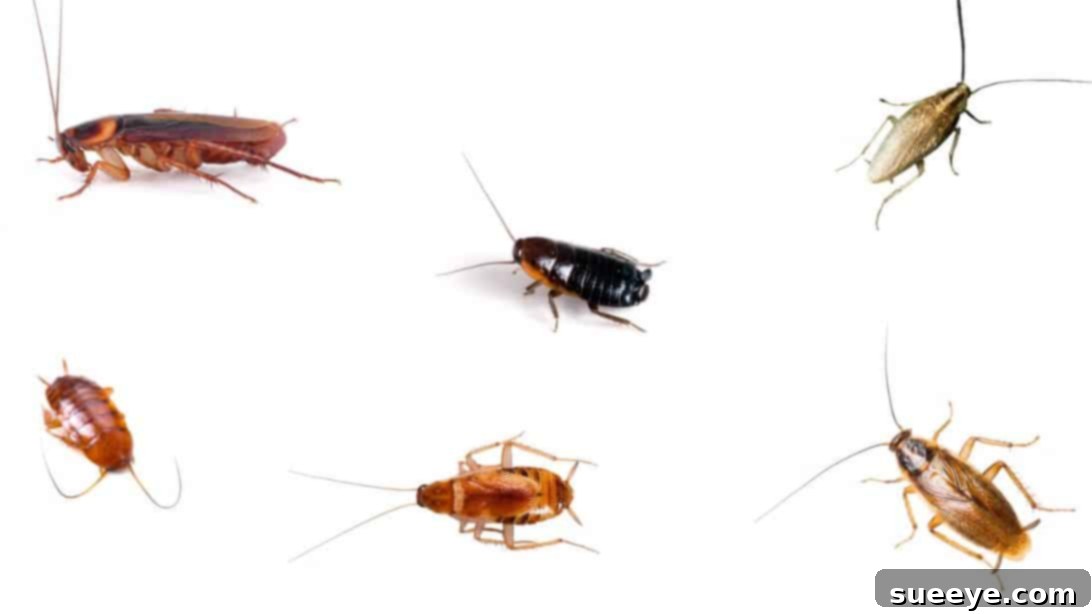
The first and most critical step in successful cockroach control is accurate identification. There isn’t just one type of cockroach; numerous species exist, each with distinct characteristics and preferred habitats. Identifying the specific species infesting your home is vital, as it allows you to tailor your treatment strategy for maximum effectiveness. Pay close attention to body size, unique markings, and typical harbor areas to pinpoint your unwelcome guests.
Common Cockroach Species and Their Characteristics:
- German Cockroach: These are arguably the most notorious household pests. Measuring about 1/2 inch (12-15 mm) in length, they are light brown to tan with two dark, parallel stripes running from their head to the base of their wings. German cockroaches are typically found indoors, favoring warm, humid environments, especially kitchens and bathrooms, often harboring in wall voids, behind appliances, and inside cabinets. They reproduce rapidly, making early detection and aggressive treatment essential.
- Asian Cockroach: Very similar in size and appearance to the German cockroach, often leading to misidentification. However, Asian cockroaches are predominantly found outdoors in decaying organic matter and leaf litter. Unlike their German counterparts, they are strong fliers and are attracted to lights, frequently entering homes through open windows or doors.
- American Cockroach: Also known as “palmetto bugs” or “water bugs,” these are among the largest house-infesting roaches, growing to 1 1/2 inches (35-40 mm) or more. They are reddish-brown with a yellowish figure-eight pattern on the back of their head. While primarily an outdoor species, thriving in sewers, drains, and damp basements, they readily enter homes through foundation cracks, open doors, or plumbing. They are capable of flying short distances.
- Smoky Brown Cockroach: Measuring about 1 1/4 inches (30-35 mm) long, these cockroaches have a distinctive uniformly dark mahogany to black, burnt appearance. They prefer warm, humid climates and are often found outdoors in tree holes, under bark, or in gutters. Indoors, they typically infest attics, crawl spaces, kitchens, and bathrooms, often attracted to light at night. They can fly.
- Brown-Banded Cockroach: Smaller than German cockroaches, typically around 3/4 inch (10-14 mm) in length. They are characterized by two distinct light yellow-brown bands across their backs, hence their name. Brown-banded cockroaches are primarily indoor pests, but unlike German roaches, they prefer drier, warmer locations, often found in less conventional areas like bedrooms, living rooms, and high places like attics or basements, rather than strictly kitchens and bathrooms. They are less dependent on moisture.
- Oriental Cockroach: Commonly referred to as “water bugs,” these cockroaches are robust and dark brown to jet black, reaching about 3/4 inch (25-30 mm) in length. Males have wings that cover about three-quarters of their body, while females have very short, rudimentary wings. Neither sex can fly. They prefer cool, dark, and damp environments such as basements, crawl spaces, drains, sewers, and flowerbeds, often entering homes during cooler weather.
Regardless of the species, all cockroaches share fundamental needs: readily available food sources, adequate shelter to hide and breed, and consistent moisture. Understanding these needs is key to effective control.
Step 2: Thorough Inspection – Locating the Infestation’s Core
Once you’ve identified the type of cockroach you’re dealing with, the next crucial step is a detailed inspection of your property. This will help you pinpoint their primary harborages, entry points, and preferred activity zones. A thorough inspection is essential because cockroaches are nocturnal and masters of hiding, often remaining unseen during daylight hours.
Indoor Inspection Focus Areas:
- Kitchen: Start here, as it’s often the heart of an infestation. Look under and behind appliances such as refrigerators, stoves, dishwashers, and microwaves. Inspect inside cabinets, pantries, and drawers, especially where food is stored. Pay close attention to areas where plumbing penetrates walls, like under the kitchen sink, as these often provide hidden pathways and moisture. Search for droppings (which may resemble coffee grounds or black pepper for smaller species, or larger pellets for bigger roaches), smear marks (brownish streaks left on surfaces they frequently travel), and live activity at night when they are most active.
- Bathroom: Similar to the kitchen, bathrooms offer moisture and warmth. Check under sinks, behind toilets, around bathtub enclosures, and near drains. Examine any cracks or crevices in tiles, walls, or flooring.
- Other Indoor Spaces: Don’t overlook basements, attics, laundry rooms, and utility closets. Cockroaches can hide in wall voids, behind electrical outlets, and inside electronics. For brown-banded cockroaches, extend your search to bedrooms and living areas, checking behind picture frames, furniture, and inside closets.
Outdoor Inspection Focus Areas:
- Perimeter of the House: Inspect the immediate exterior of your home. Check flowerbeds, mulch, woodpiles, leaf litter, and any debris close to the foundation. These provide ideal outdoor harborage.
- Entry Points: Examine your foundation for any cracks, crevices, or holes that could serve as entryways. Check around windows and doors for gaps, torn screens, or inadequate weatherstripping. Pay attention to utility penetrations (pipes, wires) that enter the home, ensuring they are properly sealed.
- Moisture Sources: Look for leaky outdoor faucets, air conditioning units that drip, or areas where water pools. These attract moisture-loving species like American and Oriental cockroaches.
An effective inspection will reveal the scale of the infestation and guide your treatment strategy, ensuring you target the areas where cockroaches are most active and vulnerable.
Step 3: Effective Control and Treatment – Implementing Your Strategy
With identification confirmed and inspection complete, it’s time to implement a comprehensive control strategy. This step involves both meticulous sanitation and targeted treatment methods to eradicate the existing cockroach population.
Sanitation: The Foundation of Control
Before applying any treatments, addressing sanitation is paramount. Eliminating food and water sources will significantly reduce the cockroach population and make baits far more appealing. Without proper sanitation, even the best treatments will offer only temporary relief.
- Kitchen: Clean countertops thoroughly, sweep and mop floors daily, and ensure all food is stored in airtight containers. Do not leave dirty dishes in the sink overnight. Take your garbage out frequently, preferably nightly, and use trash cans with tight-fitting lids. Wipe down appliance exteriors, and clean up spills immediately.
- Bathroom: Keep bathroom surfaces dry. Fix any leaky faucets or pipes immediately. Ensure good ventilation to reduce humidity.
- General Cleanliness: Vacuum regularly to remove crumbs and food debris. Reduce clutter in storage areas, as piles of newspapers, cardboard boxes, and old items provide excellent hiding spots.
Targeted Treatment Methods:
For effective eradication, the most successful approach involves using professional-grade products designed to exploit cockroach behavior.
Gel Baits: The Domino Effect
Cockroach gel baits are highly effective and form the cornerstone of most professional treatment plans, especially for indoor infestations like German cockroaches. These baits contain a slow-acting insecticide mixed with a highly attractive food source. Cockroaches feed on the gel, ingest the insecticide, and then return to their harborage areas. The magic lies in the “domino effect” or “transfer effect”:
- An infected cockroach will defecate toxic feces.
- Other cockroaches, including nymphs, consume these feces (a behavior known as coprophagy).
- Sick or dead cockroaches may also be consumed by others (necrophagy).
This transfer of the active ingredient throughout the colony leads to a significant reduction in the population, effectively wiping out the entire nest. Apply gel baits in small, pea-sized dots in cracks, crevices, and other inaccessible areas where cockroaches hide, such as under sinks, behind appliances, in cabinet corners, and along baseboards. Avoid placing baits on open surfaces where they can be contaminated or attract children/pets. For a detailed explanation of how to control them, watching the video provided by Solutions Pest & Lawn is highly recommended.
Insect Growth Regulators (IGRs): Disrupting the Life Cycle
Insect Growth Regulators (IGRs) are another powerful tool in cockroach control. These chemicals do not kill adult cockroaches directly but instead mimic natural insect hormones, disrupting their growth and reproductive cycles. When exposed to IGRs, nymphs are unable to mature into reproductive adults, and adult females may produce infertile eggs. By preventing reproduction and maturation, IGRs effectively halt the growth of the cockroach population over time, making them an excellent long-term control solution, especially when used in conjunction with gel baits.
Other Control Methods (Use with Caution):
While not always recommended for DIY, residual insecticides in dust or liquid forms can be used in cracks and crevices or wall voids for targeted applications, particularly in severe infestations. Always follow product labels precisely, as improper use can be dangerous and ineffective. Monitoring traps can also be useful to gauge the level of infestation and the success of your treatment.
Step 4: Long-Term Prevention – Keeping Them Out for Good
Eliminating an existing cockroach infestation is a significant achievement, but true success lies in preventing their return. Long-term prevention strategies are crucial for maintaining a pest-free home. This step focuses on eliminating entry points, reducing attractants, and continuous vigilance.
Seal Entry Points:
Cockroaches can squeeze through incredibly small openings. Sealing these entry points is vital to keeping them outdoors where they belong.
- Seal Cracks and Crevices: Use caulk to seal any cracks, holes, voids, or crevices in walls, foundations, baseboards, and around pipes. Pay particular attention to areas around electrical outlets and switch plates.
- Weatherproof Doors and Windows: Install or repair weatherstripping around all doors and windows to eliminate gaps. Ensure window screens are intact and free of tears.
- Seal Utility Gaps: Use steel wool or expanding foam to seal larger gaps around pipes (under sinks, behind appliances) and utility lines where they enter the house.
Eliminate Food Sources:
Starve them out! Even tiny crumbs can sustain a cockroach colony.
- Store Food Properly: Keep all food, including pet food, in airtight containers. Never leave food out on countertops overnight.
- Frequent Garbage Disposal: Take out the trash frequently, ideally every night, and use trash cans with tight-fitting lids. Clean trash cans regularly to remove any residual food odors.
- Clean Up Spills: Promptly clean up any food spills or crumbs, especially in the kitchen and dining areas.
- Address Pet Food: Do not leave pet food bowls out overnight. Clean them after your pet has finished eating.
Control Moisture:
Cockroaches need water to survive. Eliminating moisture sources makes your home less appealing.
- Fix Leaks: Promptly repair any leaky faucets, pipes, drains, or toilets.
- Dry Wet Areas: Wipe sinks dry after use. Ensure bathroom floors and shower areas are dried.
- Improve Ventilation: Use exhaust fans in kitchens and bathrooms to reduce humidity. Consider dehumidifiers in damp basements or crawl spaces.
- Outdoor Moisture: Address standing water near your foundation and ensure gutters are clean and direct water away from the house.
Reduce Clutter:
Minimize hiding spots and harborage areas.
- Declutter Regularly: Remove old newspapers, magazines, cardboard boxes, and other unnecessary items that can provide shelter.
- Organize Storage Areas: Keep basements, attics, and closets tidy and organized.
- Outdoor Vegetation: Trim shrubs, trees, and other vegetation away from the house’s foundation, as they can provide harborage and bridges for cockroaches to access your home.
Achieve a Cockroach-Free Home Guaranteed with These 4 Easy Steps
Successfully ridding your home of cockroaches requires a systematic, multi-faceted approach. By diligently following these four steps – accurate identification, thorough inspection, effective control, and vigilant prevention – you can break the cockroach life cycle and reclaim your living space. This comprehensive strategy, built on understanding the pests and applying targeted solutions, offers you the best chance for long-term success. Remember, consistency and attention to detail are key to maintaining a cockroach-free environment and ensuring the health and comfort of your home.