
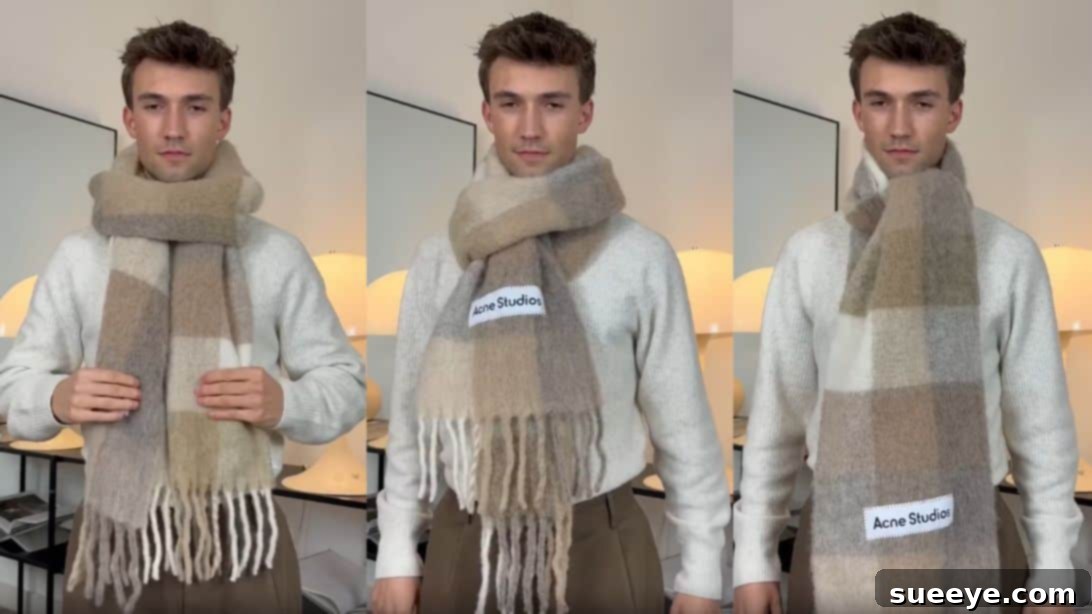
In the ever-evolving world of fashion, certain accessories stand the test of time, proving their versatility and enduring appeal. Among these, the humble scarf shines brightly. More than just a practical shield against the chill, a scarf is a powerful statement piece, a canvas for self-expression, and a simple way to transform any outfit from mundane to magnificent. Whether you’re battling biting winter winds or adding a touch of elegance to a mild autumn day, a well-chosen and expertly tied scarf can make all the difference. This comprehensive guide will delve into the art of scarf tying, unlocking its full potential as a wardrobe essential.
Scarves come in an astounding array of colors, patterns, lengths, and materials, each designed to serve a unique purpose and complement various styles. From luxurious cashmere and soft wool that promise unparalleled warmth during colder months to delicate silk and breathable cotton perfect for milder seasons, the fabric choice significantly impacts both functionality and aesthetic. Understanding these nuances is the first step to mastering the art of scarf styling, allowing you to not only stay comfortable but also express your personal flair.
RELATED: Unlock Your Creativity: How to Sew an Infinity Scarf
While many instinctively drape a scarf around their neck, settling for a basic look, this approach barely scratches the surface of what this versatile accessory can offer. A strategically styled scarf can effortlessly inject color, texture, and pattern into even the simplest ensemble. Imagine a plain black top and bottoms—a common outfit that can feel a bit understated. Now, picture it elevated with a vibrant, intricately tied scarf; suddenly, the entire look is infused with character and visual interest. Learning a few key tying techniques is like discovering a secret weapon in your fashion arsenal, allowing you to refresh your wardrobe without needing to buy new clothes.
The internet is brimming with creative inspiration, and influencers like Noah Altink on YouTube provide invaluable visual guides to mastering elegant scarf knots. In his insightful video, Noah demonstrates three distinct and remarkably easy ways to tie your scarf perfectly, ensuring you get the most out of every piece in your collection. These techniques—the Reverse, Easy Knot, and Long Scarf methods—are foundational yet incredibly impactful. By integrating them into your styling routine, you’ll be amazed at how a simple accessory can revolutionize your everyday outfits. Investing in a few good-quality scarves and learning to tie them correctly is a small effort with enormous payoff, truly worth every moment.
Mastering the Art: Essential Scarf Tying Techniques
Learning how to tie a scarf is more than just following instructions; it’s about understanding how each knot complements your attire and personal style. These three methods are foundational, offering versatility for different scarf lengths and occasions. Let’s explore them in detail, transforming your scarf from a simple garment into a true fashion statement.
1. The Reverse Method: Elegant and Warm
The Reverse method is a fantastic choice for adding an extra layer of warmth around your neck while creating a chic, layered appearance. It’s particularly effective with medium to long scarves made from softer materials like wool, cashmere, or a thicker knit, as these fabrics hold the shape well without being too bulky. This knot provides excellent protection against cold winds, making it ideal for brisk autumn days or chilly winter evenings. It frames your face beautifully and adds a sophisticated touch, perfect for both casual outings and more formal settings where you want to maintain an air of understated elegance.
Steps to Achieve the Reverse Knot:
- Initial Drape: Begin by draping your scarf around your neck. Ensure the ends hang down your back, crossing over each other (crisscross) at the nape of your neck.
- Bring Forward: Gently bring both ends forward, allowing them to fall over your shoulders to the front of your body. You should now have a loop around your neck at the back, and the two ends hanging down your chest.
- Form the Loop: Locate the loop that was created around your neck from the initial drape. Pull this loop down slightly, just enough to create a small opening.
- Insert and Tighten: Take the two loose ends of your scarf and insert them through this newly formed loop. Once both ends are through, gently pull them downwards, adjusting the tension until the scarf feels snug and comfortable around your neck. The beauty of this method lies in its ability to securely hold the scarf in place, preventing it from unraveling or flapping in the wind, while still looking effortlessly stylish.
2. The Easy Knot Method (Parisian Knot): Classic Simplicity
Often referred to as the Parisian Knot, the Easy Knot method is a timeless favorite for a reason: its simplicity, efficiency, and elegant outcome. This technique is incredibly versatile and works well with almost any scarf length and material, though it particularly shines with medium-length scarves in silk, cotton, or lighter wool blends. It creates a neat, compact knot that sits close to the neck, making it ideal for pairing with collared shirts, blazers, or coats without adding excessive bulk. The Parisian Knot exudes effortless charm, perfect for everyday wear, casual meet-ups, or even adding a smart finish to business casual attire. It’s the go-to choice for those moments when you need a quick yet polished look.
Steps to Achieve the Easy Knot:
- Fold in Half: Lay your scarf flat and fold it neatly in half lengthwise. This creates a loop at one end and two free ends at the other.
- Drape Around Neck: Drape the folded scarf around your neck, ensuring that the looped end is on one side and the two free ends are on the other. Position it so that the loop and the free ends are roughly even in length, hanging comfortably down your chest.
- Insert Through Loop: Take the two free ends of the scarf and gently pull them through the loop on the folded end. Pass them completely through the loop.
- Tighten and Adjust: Once the ends are threaded through, gently pull on both the loop and the free ends to tighten the scarf until it sits snugly against your neck. You can adjust the tightness and position to your liking, ensuring it feels comfortable and looks symmetrical. This knot is not only stylish but also very secure, providing warmth and a neat appearance throughout the day.
3. The Long Scarf Method: Effortless Chic
The Long Scarf method is all about creating a relaxed, yet intentionally styled look. This technique is best suited for longer scarves, particularly those made from lighter fabrics like silk, rayon, or thin cotton, which drape beautifully without adding excessive bulk. It offers a wonderful way to showcase the scarf’s pattern and texture, as a significant portion of the fabric remains visible. This knot provides a comfortable and free-flowing feel, making it perfect for layering over casual outfits like sweaters, t-shirts, or denim jackets. It’s an excellent choice for adding a touch of bohemian flair or a sophisticated, artistic vibe to your ensemble, offering warmth without feeling restrictive.
Steps to Achieve the Long Scarf Knot:
- Simple Drape: Begin by simply draping your long scarf around your neck. Allow both ends to hang freely down your front. Try to ensure they are roughly even in length, or one slightly longer than the other if you prefer an asymmetrical look.
- Crisscross the Ends: Take the two hanging ends and crisscross them over each other in front of your chest. This forms a loose crossover point.
- Under and Through: Now, select one of the crossed ends (either the left or right, depending on your preference). Take this end and bring it *under* the scarf around your neck and then *through* the loop that has been created at your chest by the initial crisscross. Imagine threading it upwards and out.
- Adjust and Secure: Once the end is threaded through, gently pull on both ends of the scarf. Adjust them until the knot feels secure and the drape is aesthetically pleasing. You can loosen or tighten it to achieve your desired look – a tighter knot for more warmth and a structured appearance, or a looser one for a relaxed, flowing style. This method results in a stylish, secure knot that keeps your long scarf in place while allowing its length and pattern to truly shine.
Beyond the Basics: Elevating Your Scarf Game
While mastering these three fundamental knots will undoubtedly enhance your style, the world of scarf styling offers even more possibilities. Here are some additional tips to help you get the most out of your scarf collection and ensure you always look effortlessly put-together.
Choosing the Right Scarf for the Occasion
The perfect scarf isn’t just about color or pattern; it’s about context. For formal events, a delicate silk scarf tied elegantly can add a touch of luxury. For casual outings, a chunky knit or a breathable cotton scarf offers comfort and style. Consider the overall aesthetic you’re aiming for. Are you going for bohemian chic, classic elegance, or modern minimalism? Your scarf choice should align with that vision.
Understanding Fabric and Seasonality
- Winter: Opt for warmth with materials like cashmere, merino wool, alpaca, or chunky knits. These offer insulation and a cozy feel.
- Spring/Autumn: Mid-weight fabrics such as thinner wools, pashmina blends, or heavier cottons are ideal. They provide warmth without being overly heavy.
- Summer: Choose lightweight and breathable fabrics like silk, linen, cotton voile, modal, or chiffon. These add style without adding heat, and can even offer protection from the sun.
Color and Pattern Coordination
A scarf is a fantastic tool for introducing color or pattern into an otherwise monochromatic outfit. If your clothing is neutral, a brightly colored or patterned scarf can become the focal point. Conversely, if your outfit is already vibrant, a neutral-toned scarf can help balance the look. Don’t be afraid to experiment with complementary colors or subtle patterns that echo elements within your existing attire.
Beyond the Neck: Creative Scarf Uses
The versatility of a scarf extends far beyond simply adorning your neck. Consider these innovative ways to incorporate scarves into your daily style:
- Hair Accessory: Tie a small silk scarf as a headband, weave it into a braid, or wrap it around a ponytail for a chic, vintage-inspired look.
- Belt: A long, thin scarf can serve as an impromptu belt, cinching your waist over a dress, tunic, or high-waisted trousers.
- Bag Embellishment: Tie a colorful scarf around the handle of your handbag to add a pop of color and personalize your accessory.
- Wrist Accessory: Fold a smaller scarf and tie it around your wrist like a bracelet for a playful touch.
Scarf Care and Maintenance
To ensure your scarves remain beautiful and last for years, proper care is essential. Always check the care label as different fabrics require specific washing and drying methods. Handwashing delicate silks and cashmeres is often recommended, while sturdy cottons might tolerate a gentle machine wash. Store your scarves neatly folded or hung to prevent wrinkles and snags, preserving their quality and appearance.
Watch and Learn: 3 Ways to Perfectly Tie Your Scarf Video Tutorial
Sometimes, seeing is believing. To truly master these techniques, a visual guide can be incredibly helpful. The video tutorial from Noah Altink below provides clear, step-by-step demonstrations of the Reverse, Easy Knot, and Long Scarf methods. Watching the movements will help you replicate them perfectly, allowing you to quickly incorporate these stylish knots into your daily routine. Take a moment to watch and refine your scarf-tying skills!