
Unlock Freshness: 3 Proven Methods to Store Tomatoes for Up to 6 Months
Imagine always having the vibrant flavor and juicy texture of fresh tomatoes, no matter the season. For home cooks and culinary enthusiasts, keeping a steady supply of high-quality tomatoes can transform everyday meals into extraordinary culinary experiences. While tomatoes are a pantry staple, they also have a notoriously short shelf life when stored at room temperature or even in the refrigerator. The good news is, extending their freshness for months is not only possible but surprisingly simple!
We’re thrilled to share these ingenious, tested methods for long-term tomato storage, originally brought to light by the experts at Food Fusion on YouTube. These techniques are designed to help you preserve the peak flavor and nutritional value of your tomatoes, guaranteeing you fresh-tasting ingredients for up to six months. Whether you’re making a rich pasta sauce, a refreshing salad, or a hearty stew, you’ll have delicious tomatoes ready whenever inspiration strikes. Dive into these easy-to-follow instructions and revolutionize the way you store your favorite fruit!
Why Long-Term Tomato Storage Matters
Tomatoes are incredibly versatile, forming the base of countless recipes across various cuisines. However, their seasonality means they’re often abundant and affordable during certain times of the year, then less so during others. Learning how to properly store tomatoes allows you to:
- Maximize Freshness: Enjoy garden-quality tomatoes year-round, even when they’re out of season.
- Reduce Food Waste: Prevent ripe tomatoes from spoiling, especially when you have an excess from your garden or a good market haul.
- Save Money: Stock up on tomatoes when they are at their cheapest and best quality.
- Boost Meal Prep: Have essential ingredients prepped and ready, significantly cutting down on cooking time for future meals.
- Enhance Flavor: Preserve tomatoes at their peak ripeness, locking in their natural sweetness and acidity for superior taste in your dishes.
These methods primarily involve freezing, which is an excellent way to maintain the integrity of tomatoes for long periods. While freezing does alter the texture, making them softer, it locks in the flavor, making them perfect for cooked applications like sauces, soups, chilis, and stews. Let’s explore the three effective techniques.
Directions: Three Effective Methods for Freezing Tomatoes
Method 1: Freezing Whole Tomatoes for Easy Peeling
This method is perhaps the simplest and requires minimal preparation, making it ideal for those who prefer a quick solution to preserve whole tomatoes for future use in cooked dishes. It allows you to freeze tomatoes with their skins on, making peeling incredibly easy once thawed.
Step-by-Step Guide:
- Thorough Washing: Begin by washing your tomatoes meticulously under cold running water. Ensure all dirt, debris, and any pesticide residues are removed. Gently rub the skin to clean them effectively.
- Pat Dry Completely: After washing, it’s crucial to pat the tomatoes completely dry using a clean kitchen towel or paper towels. Any residual moisture can lead to freezer burn, compromising the quality and texture of the tomatoes during storage.
- Prepare for Freezing: Carefully remove the stem core from the top of each tomato. This small, woody part can become tough after freezing and is best removed beforehand. Next, make a shallow, small slit or an “X” mark at the bottom of each tomato. This simple step is key; it helps prevent the tomatoes from bursting in the freezer and, more importantly, makes the skin remarkably easy to peel off once they are briefly thawed.
- Package for Freezing: Place the prepared tomatoes into a large, heavy-duty freezer-safe ziplock bag or an airtight container. Make sure to remove as much air as possible from the bag before sealing to prevent freezer burn. You can also place them on a baking sheet first to freeze individually for a few hours, then transfer them to a bag, which prevents them from sticking together.
- Freeze and Store: Transfer the sealed bag or container to your freezer. Your tomatoes can be stored this way for up to six months, offering a convenient supply whenever you need them.
- Using Frozen Tomatoes: When you’re ready to use them, simply take out the desired number of tomatoes. Briefly dip them in a bowl of warm or hot water for approximately five to ten seconds. This quick thermal shock will cause the skin to loosen and wrinkle, allowing you to easily peel it off with your fingers or a paring knife. The peeled tomatoes can then be chopped, pureed, or added directly to your cooking.
Best Uses: Ideal for sauces, soups, stews, chilis, and any recipe where the tomatoes will be cooked down, as their texture will soften significantly upon thawing.
Method 2: Blanched and Pureed Tomatoes for Ready-Made Sauce Bases
This method involves a bit more upfront work but yields a wonderfully smooth, ready-to-use tomato puree, perfect for quick sauces, soups, or any recipe requiring a consistent tomato base. Blanching helps to easily remove the skins and also preserves the vibrant color and flavor.
Step-by-Step Guide:
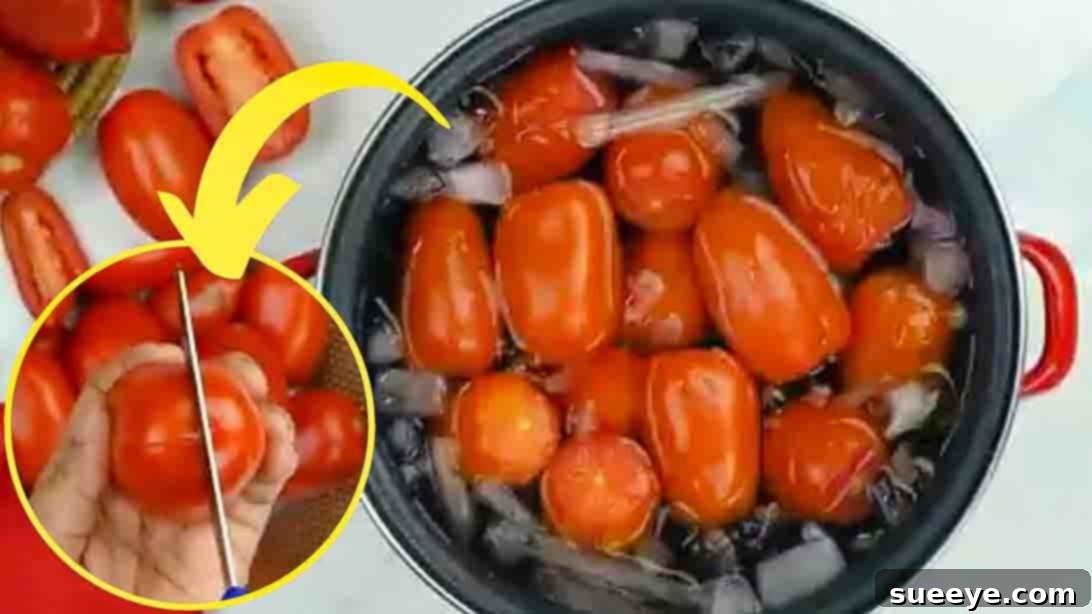
- Prepare Tomatoes: Wash the tomatoes thoroughly under cold water and pat them dry. Remove the stem end. For each tomato, make a shallow crisscross incision at the bottom. This helps the skin to peel away effortlessly after blanching.
- Blanching Process: Bring a large pot of water to a rolling boil. Carefully immerse the prepared tomatoes into the boiling water. Let them blanch for about four to five minutes, or until you notice the skins starting to split and curl at the crisscross marks. The goal is to loosen the skin without cooking the tomato through.
- Ice Bath Shock: Immediately after blanching, use a slotted spoon to transfer the tomatoes from the boiling water into a large bowl filled with ice-cold water. This “ice bath” quickly stops the cooking process, preserving the texture and color, and makes the skins even easier to remove. Let them rest in the ice water for about five minutes.
- Peel and Puree: Once cooled, the skins should slip off easily. Peel all the skins from the tomatoes. You might also want to remove the cores if they weren’t fully taken out earlier. Place the peeled tomatoes into a blender or food processor. Blend until you achieve a smooth, consistent puree.
- Portion and Freeze: Divide the tomato puree into freezer-safe containers. Silicone ice cube trays are excellent for portioning small amounts, perfect for adding a burst of tomato flavor to smaller dishes. For larger quantities, use freezer-safe jars or airtight containers, leaving about an inch of headspace to allow for expansion during freezing.
- Freeze and Store: Store the portioned puree in the freezer for up to six months. Once the ice tray portions are frozen solid, you can transfer them to a freezer bag to save space.
Best Uses: Ideal for homemade pasta sauces, pizza sauces, chili, tomato soup bases, or as an ingredient in casseroles and stews where a smooth texture is desired.
Method 3: Diced or Wedged Tomatoes for Chunky Recipes
This method is perfect for those who prefer to have pre-cut tomato pieces ready for recipes that call for diced or wedged tomatoes, such as stir-fries, salsas (that will be cooked), or chunky sauces. It offers convenience and versatility for a variety of culinary applications.
Step-by-Step Guide:
- Wash and Dry: As with the other methods, thoroughly wash your tomatoes and pat them completely dry. This prevents ice crystal formation and freezer burn.
- Prepare for Cutting: Remove the stem core from each tomato. Decide whether you want to dice them into small cubes, cut them into wedges, or chop them roughly, depending on your most frequent culinary needs. For best results, consider removing the seeds and excess liquid if you want to avoid a watery texture when thawed, though this step is optional for most cooked applications.
- Layer in Container: Arrange a single layer of the cut tomato pieces in a freezer-safe container. Ensure the container is suitable for freezing and has a tight-fitting lid.
- Prevent Sticking: To prevent the tomato pieces from freezing into one solid block, place a sheet of plastic wrap directly on top of the first layer of tomatoes. This acts as a barrier.
- Add More Layers: Add another layer of cut tomatoes on top of the plastic wrap, then another sheet of plastic wrap, and so on, until the container is full or you’ve used all your tomatoes. This layering technique allows you to easily remove just the amount you need without thawing the entire batch.
- Seal and Freeze: Securely place the lid on the container, ensuring it is airtight. Transfer the container to your freezer. These diced or wedged tomatoes can be safely stored for up to six months.
- Using Frozen Tomatoes: When ready to use, simply scoop out the desired amount of frozen tomato pieces. They can often be added directly to hot dishes like soups, stir-fries, or sauces without prior thawing, especially if you want them to break down during cooking. For salads or cold dishes, it’s best to thaw them and drain any excess liquid, understanding that their texture will be softer than fresh.
Best Uses: Excellent for cooking applications such as chunky pasta sauces, casseroles, curries, stir-fries, or any dish where the tomatoes will be cooked and a softer texture is acceptable.
General Tips for Successful Tomato Freezing
- Choose Peak-Ripe Tomatoes: The quality of your frozen tomatoes directly depends on the freshness and ripeness of the original fruit. Select firm, blemish-free, fully ripe tomatoes for the best flavor and texture after thawing.
- Label Everything: Always label your freezer bags or containers with the date of freezing and the type of tomato preparation (e.g., “Whole Tomatoes – 10/25/2023,” “Tomato Puree – 11/01/2023”). This helps you keep track of their freshness and use them within the recommended six-month window.
- Airtight is Key: Air is the enemy of frozen food, leading to freezer burn. Always ensure your containers are airtight and remove as much air as possible from ziplock bags before sealing. Vacuum sealing is an excellent option if available.
- Consider Your Freezer: A well-organized, consistently cold freezer (0°F or -18°C) is essential for effective long-term storage.
- Don’t Thaw for Raw Use: While frozen tomatoes are fantastic for cooking, their texture becomes much softer and somewhat watery when thawed. They are generally not suitable for fresh salads or sandwiches, but rather shine in cooked applications.
Conclusion: Enjoy Fresh Tomato Flavor Year-Round
With these three straightforward and incredibly effective methods, you no longer have to worry about your precious tomatoes spoiling before you can use them. Whether you opt for the simplicity of freezing them whole, the convenience of pre-made puree, or the versatility of diced pieces, you’re investing in a year-round supply of fresh tomato flavor. Not only will you reduce food waste and save money, but you’ll also elevate your cooking with the consistent, vibrant taste of peak-season tomatoes.
Experiment with these techniques, find the method that best suits your cooking style and storage needs, and share these fantastic tips with your friends and family. Get ready to enjoy the rich, delicious essence of tomatoes in all your favorite dishes, any day of the year!