
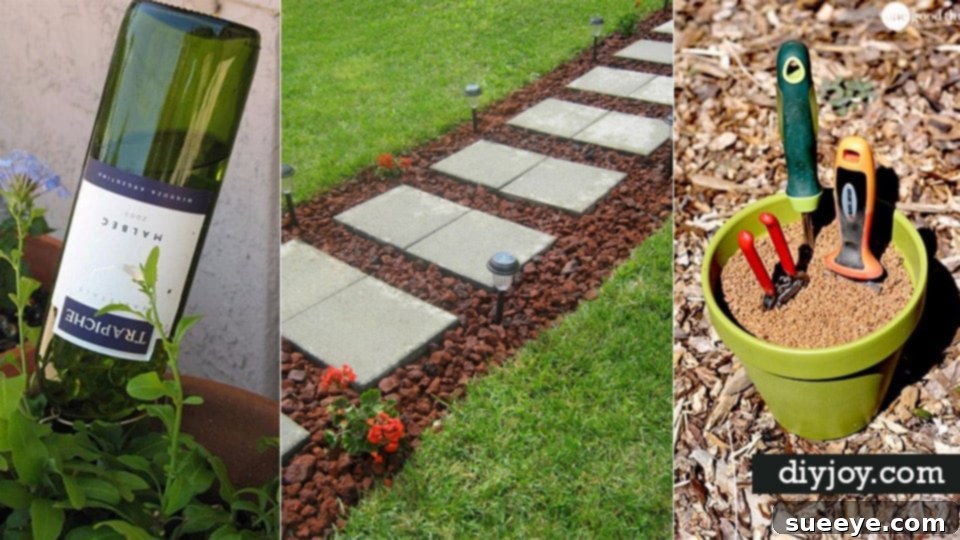
Dreaming of a stunning backyard but dreading the endless hours of yard work? You’re not alone! Many homeowners aspire to beautiful outdoor spaces but often feel limited by time, budget, or gardening expertise. The good news is, transforming your yard doesn’t have to be a monumental task. We’ve compiled an incredible collection of DIY landscaping hacks designed to make lawn care and garden design accessible, enjoyable, and incredibly effective. These clever tips and tricks will not only save you time and money but also dramatically boost your home’s curb appeal, making your neighbors green with envy!
Get ready to rethink what’s possible in your garden! From quick aesthetic upgrades to smart pest control solutions and innovative planting methods, these projects are perfect for both seasoned gardeners and absolute beginners. Each idea comes with the promise of simplicity and quick results, ensuring you can tackle these enhancements without complex construction or sacrificing your entire weekend. Dive into these fantastic gardening and landscaping tips to discover how easily you can achieve the vibrant, inviting outdoor space you’ve always wanted, all while adding significant value and beauty to your property.
Transform Your Outdoor Space: Brilliant DIY Landscaping Hacks
1. Create a Beautiful Side Yard Flower Bed
Source: loveoffamilyandhome
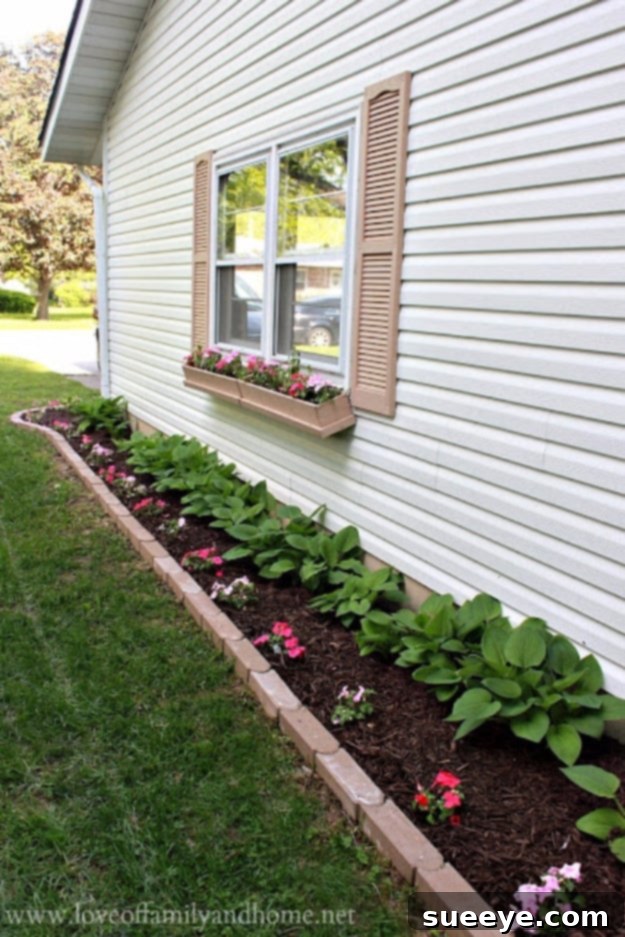
Don’t let your side yard remain an uninspired stretch of grass or bare earth. This simple DIY project demonstrates how to transform neglected side spaces into vibrant garden beds. By utilizing interlocking pavers, you can quickly define a boundary for your new flower bed, creating a neat and attractive edge. This technique isn’t limited to the side of your house; it’s equally effective for enhancing front yard landscaping or adding a structured garden element to your backyard. The use of pavers makes this a sturdy, low-maintenance solution that brings immediate visual impact and elevates the overall aesthetic of your home’s exterior.
Crafting a dedicated flower bed helps organize your planting, making maintenance easier and allowing for a more deliberate design. You can choose to plant a variety of colorful annuals, perennial shrubs, or even a small herb garden, depending on the sunlight availability and your personal preference. This project is ideal for beginners looking to add structure and beauty to their outdoor space without complex construction. The clear lines of the pavers provide a clean contrast to lush foliage, turning a mundane area into a captivating feature, perfect for boosting your home’s curb appeal.
2. An Easy Way to Edge a Lawn
Source: 1001gardens
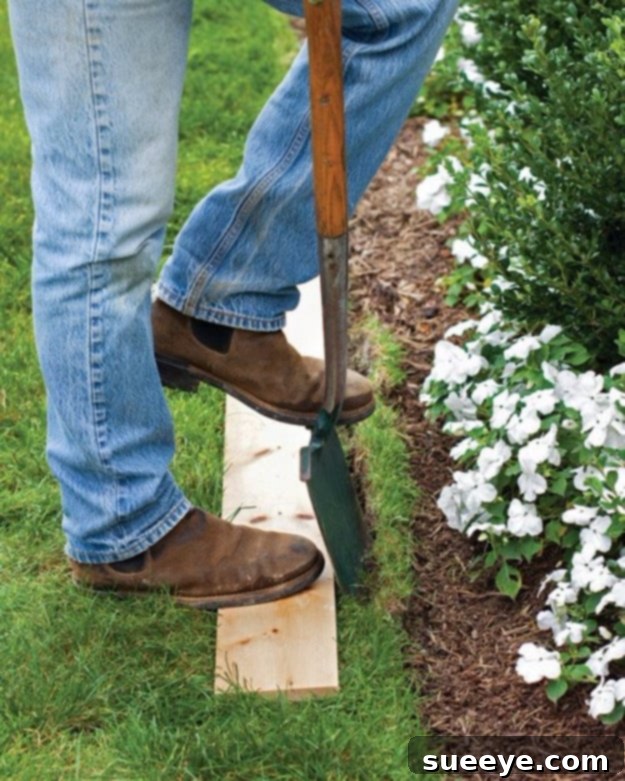
Achieving a perfectly manicured lawn often feels like a daunting task, especially when it comes to edging. Clean, crisp edges around your flower beds, pathways, and driveway dramatically enhance the overall appearance of your yard, giving it a professional, well-maintained look. However, traditional edging methods can be labor-intensive and time-consuming. This hack offers a simpler approach, making the chore of lawn edging much less of a burden.
By discovering efficient tools and techniques, you can streamline this process, saving precious time and effort. Whether it’s using a specialized edging tool, a garden spade, or even a basic shovel with the right technique, learning an easier way to edge your lawn will transform your perspective on yard work. It helps prevent grass from creeping into garden beds and provides a sharp visual separation, truly elevating your landscape design with minimal fuss.
3. DIY Self-Cleaning & Sharpening Garden Tool Holder
Source: onegoodthingbyjillee
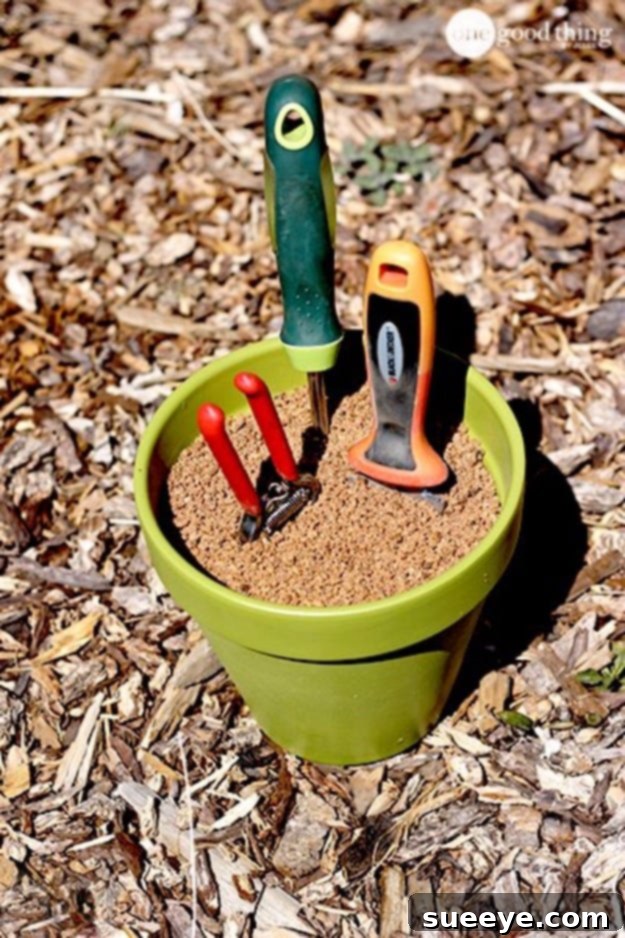
Maintaining sharp and clean gardening tools is crucial for efficient and enjoyable yard work, but it’s a task often overlooked. Dull or dirty tools can make pruning, digging, and weeding much harder, potentially damaging your plants and causing frustration. This ingenious DIY project tackles both problems at once by helping you create a tool holder that not only stores your implements but also cleans and sharpens them with every use.
Typically involving a bucket filled with sand mixed with a bit of mineral oil, this holder allows the abrasive sand to clean off grime and the oil to prevent rust. Furthermore, some designs incorporate sharpening stones within the sand mix, ensuring your tools get a light sharpen each time they are inserted and removed. This simple yet highly effective solution prolongs the life of your valuable garden tools, keeps them ready for action, and saves you time on manual cleaning and sharpening.
4. Keep Soil in Pots with a Coffee Filter
Source: popsugar
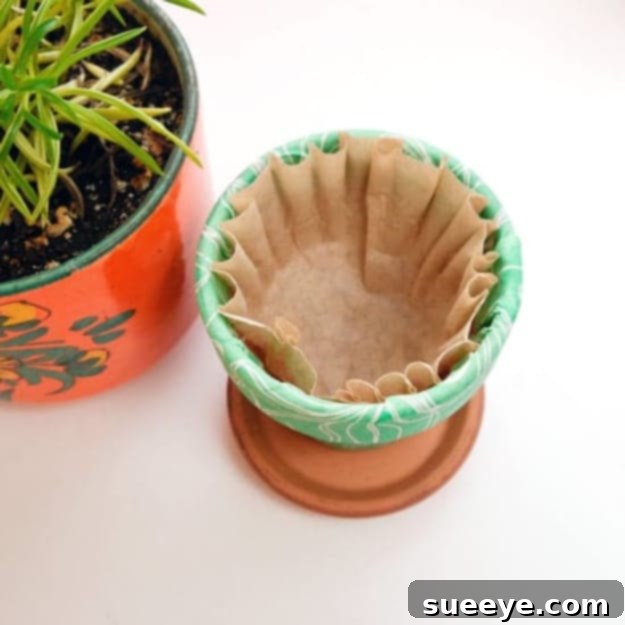
One common frustration for container gardeners is dealing with soil washing out of drainage holes, especially after watering. This not only makes a mess on your patio or balcony but also leads to nutrient loss and frequently necessitates refilling your pots. This incredibly simple yet effective hack uses an everyday household item to solve the problem: a coffee filter.
By placing a coffee filter at the bottom of your plant pot, directly over the drainage hole, you create a barrier that allows water to pass through freely while retaining the soil. This prevents soil from escaping, keeps your surfaces clean, and ensures your plants retain their valuable growing medium. It’s a cost-effective and environmentally friendly solution, as coffee filters are biodegradable and readily available. This small step can make a big difference in maintaining tidy and healthy container gardens, making it a favorite trick for both novice and experienced gardeners.
5. DIY Wine Bottle Edging for Your Garden
Source: diyjoy
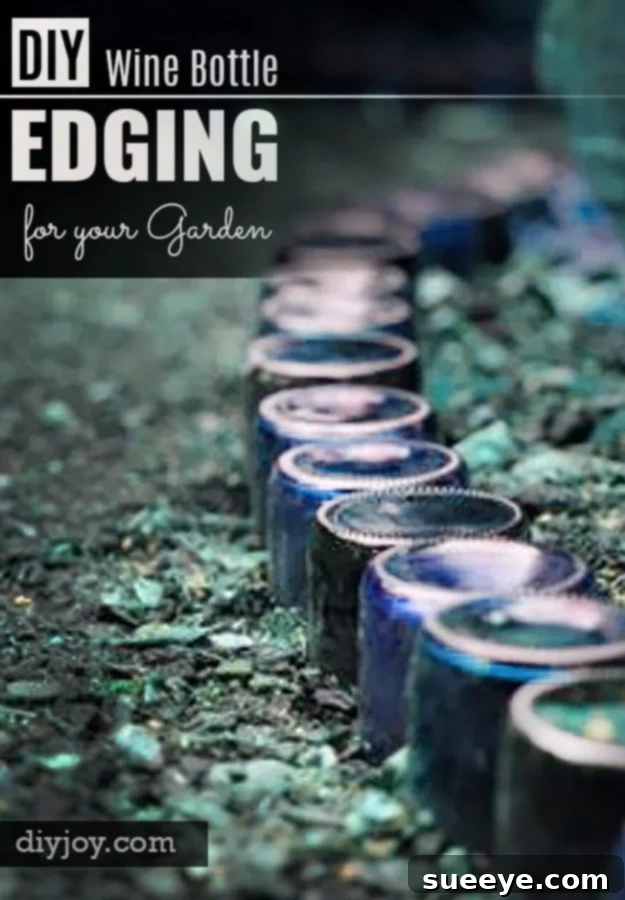
Looking for an eco-friendly and visually interesting way to define your garden beds? Repurposing wine bottles for garden edging is a creative and sustainable landscaping hack that adds a unique, artistic touch to your outdoor space. Instead of discarding empty wine bottles, transform them into a charming border that delineates pathways, outlines flower beds, or separates different sections of your garden.
The process is straightforward: simply dig a trench around the area you wish to edge and embed the wine bottles upside down, neck first, into the soil. The exposed bases of the bottles create a captivating textured and often colorful border, especially when sunlight catches the glass. This DIY project is not only cost-effective but also helps reduce waste, making it a win-win for both your wallet and the environment. It’s an excellent way to inject personality and rustic charm into your garden design, turning discarded items into a focal point.
6. Use Coffee Grounds to Keep Pests Away
Source: balconygardenweb
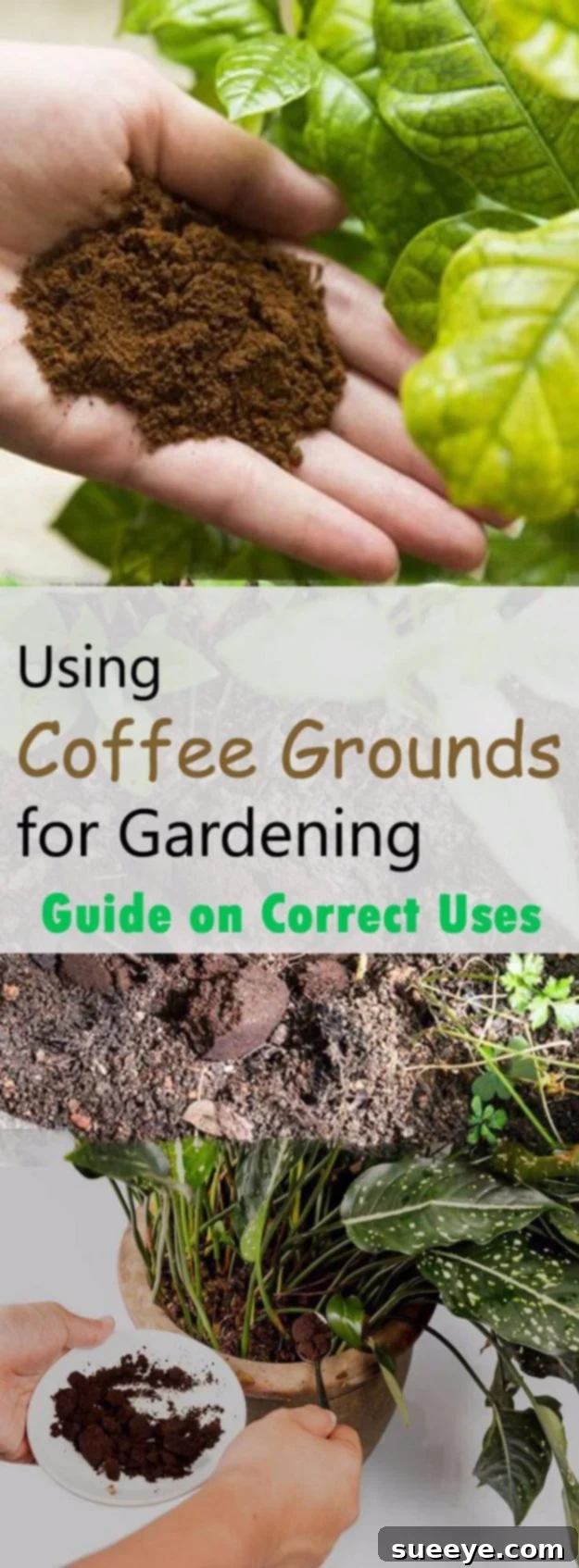
Beyond being a morning pick-me-up, used coffee grounds are a fantastic, natural, and free resource for your garden, particularly effective at deterring common pests. Many garden invaders, such as slugs, snails, and ants, dislike the coarse texture and strong aroma of coffee grounds, making them an excellent organic repellent. Instead of reaching for chemical pesticides, you can simply sprinkle used coffee grounds around the base of vulnerable plants or create a perimeter barrier.
In addition to pest control, coffee grounds offer several other benefits to your soil. They gradually release nitrogen, potassium, and phosphorus as they decompose, enriching the soil with essential nutrients. They also help improve soil structure and can slightly acidify the soil, which is beneficial for acid-loving plants like blueberries, azaleas, and rhododendrons. It’s an easy and sustainable way to enhance plant health and keep your garden thriving without harmful chemicals.
7. Define and Streamline Your Walkway
Source: paintspeckledpawprints
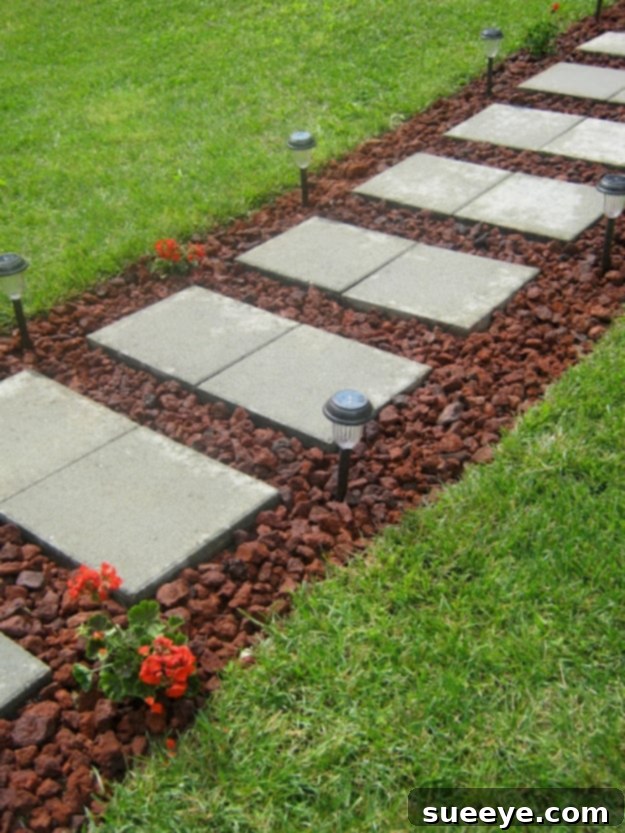
A well-defined walkway does more than just guide visitors to your door; it adds significant structure, elegance, and safety to your landscape. An ill-defined or overgrown path can detract from your home’s curb appeal, while a clear, inviting walkway creates a positive first impression. This hack focuses on transforming blurry pathways into distinguished features that streamline movement and enhance aesthetic appeal.
There are various DIY approaches to defining a walkway. You can install pavers, lay down decorative gravel, or use natural stones to create a clear path. Edging materials like brick, metal, or even low-growing plants can further accentuate the path’s borders, preventing grass or weeds from encroaching. By clearly delineating your walkways, you improve navigation, reduce tracking dirt into your home, and contribute to a more polished and inviting outdoor environment. It’s a simple project with a powerful visual impact on your overall home landscape design.
8. Wine Bottle Self-Watering DIY for Your Garden
Source: thegardenglove
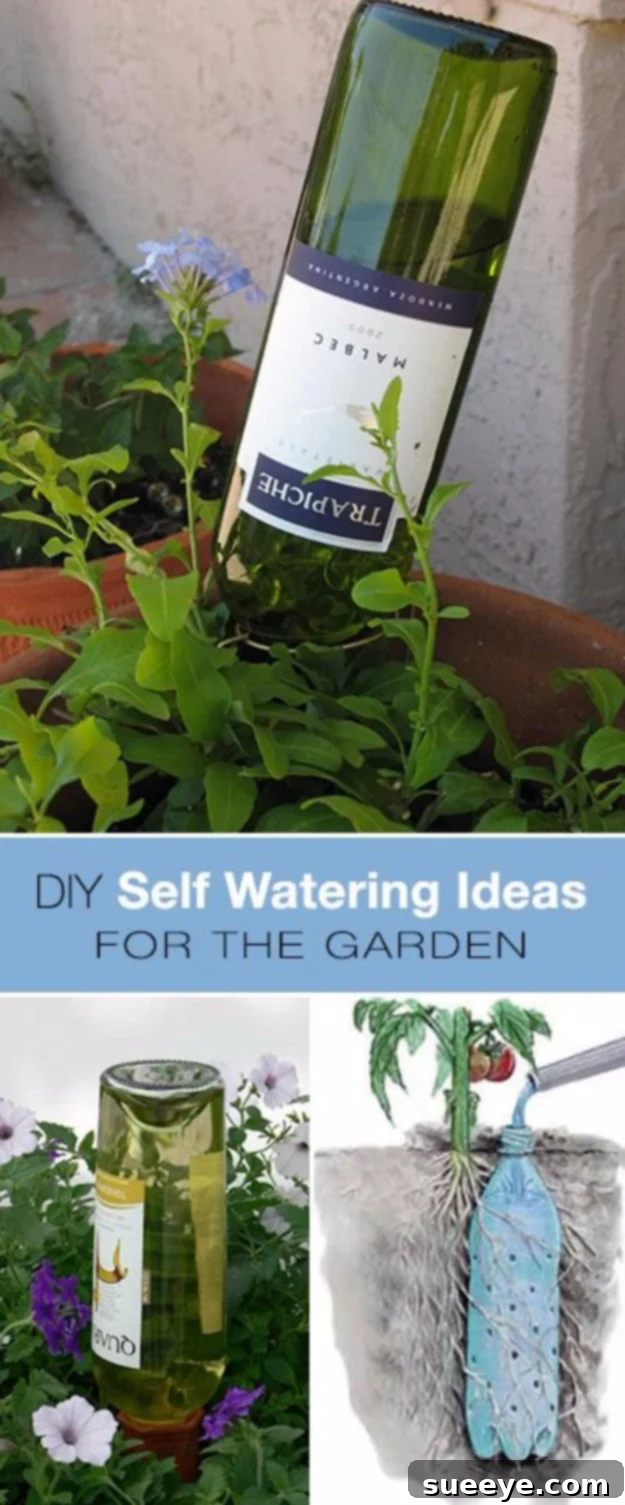
For gardeners who travel frequently or simply forget to water their plants regularly, a self-watering system is a game-changer. This clever hack utilizes recycled wine bottles to provide a consistent and slow release of water directly to your plants’ roots, ensuring they stay hydrated even when you’re not around. It’s an incredibly simple and effective method for maintaining healthy plants, especially in containers or raised beds.
To implement this, fill an empty wine bottle with water and quickly invert it into the soil near your plant’s base, making sure the neck is deeply embedded. The soil absorbs water as needed, preventing overwatering or underwatering. This DIY solution conserves water by minimizing evaporation and delivers moisture exactly where it’s needed, promoting stronger root development. It’s a fantastic, budget-friendly way to ensure your garden thrives with minimal effort, offering peace of mind for busy plant parents.
9. Egg Shell Seed Starters
Source: monicajbennett
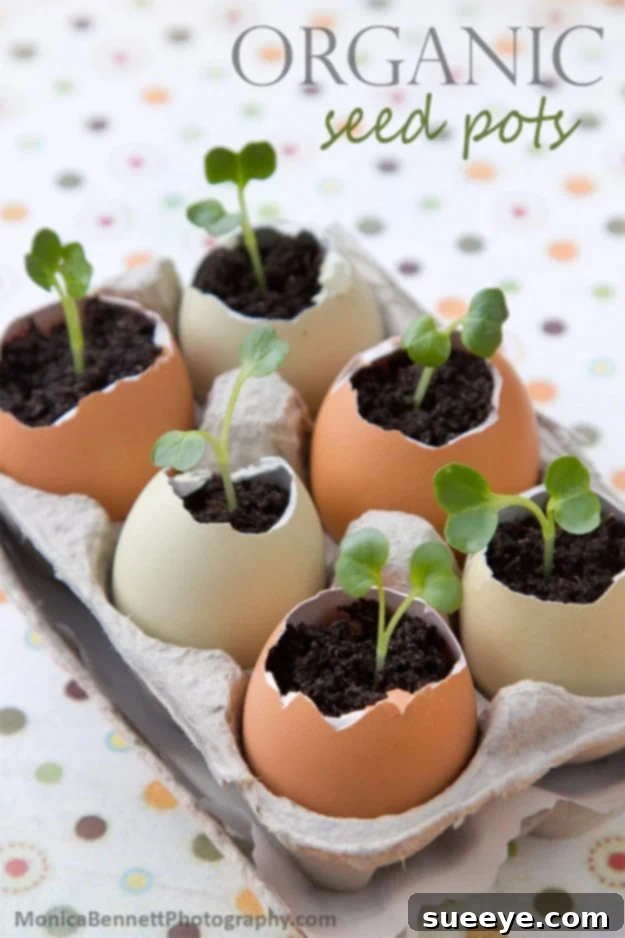
Starting seeds indoors is a rewarding way to get a head start on your garden, and this hack offers an exceptionally eco-friendly and beneficial method using eggshells. Instead of purchasing plastic seed trays, repurpose your empty eggshells to create biodegradable and nutrient-rich starter pots. This not only reduces waste but also provides a natural boost for your young seedlings.
After gently cracking open eggs, rinse the shells and poke a small drainage hole at the bottom. Fill them with seed-starting mix and plant your seeds as usual. Once your seedlings are ready to be transplanted into the garden, you can simply crush the eggshell slightly and plant the entire shell, seedling and all, directly into the ground. The eggshells will decompose over time, releasing calcium and other minerals that benefit your growing plants. This method ensures minimal root disturbance during transplanting and gives your garden a sustainable, organic head start.
10. DIY Wasp Trap
Source: thegardenglove
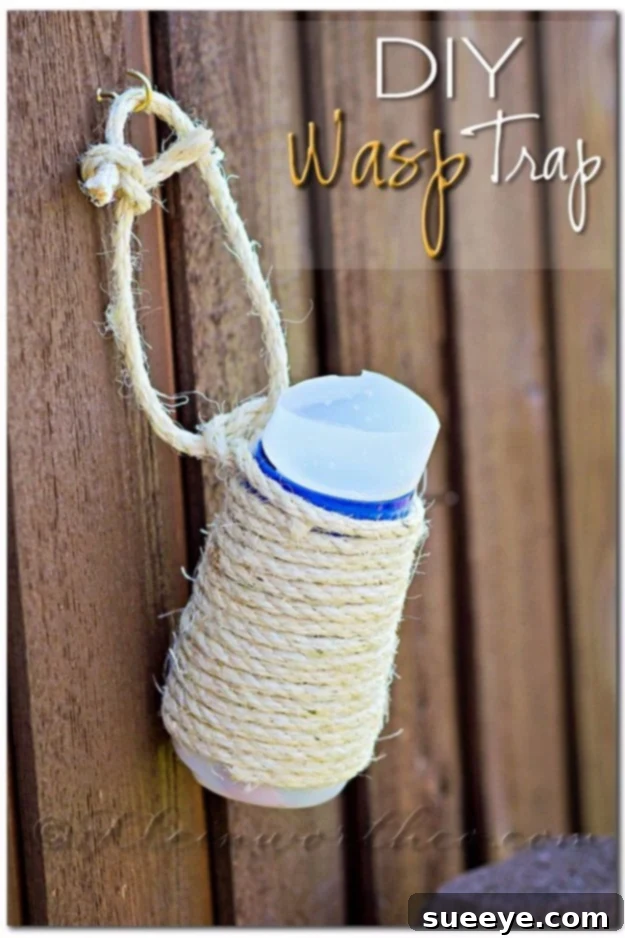
While wasps can be beneficial predators in a garden ecosystem, their presence can become a nuisance or even a danger, especially during outdoor gatherings or when they build nests too close to your home. Instead of relying on chemical sprays, you can create an effective and inexpensive DIY wasp trap using common household items. This hack provides a safe way to manage wasp populations around your outdoor living spaces without harming beneficial insects like bees.
Typically, a DIY wasp trap involves cutting a plastic bottle in half, inverting the top half into the bottom to create a funnel, and filling the bottom with a sweet liquid bait (like sugar water, fruit juice, or soda with a drop of dish soap). Wasps are attracted to the sweet bait, enter through the funnel, but find it difficult to escape. This simple design provides a humane and chemical-free method of reducing wasp activity in areas where they pose a problem, allowing you to enjoy your garden and patio in peace.
11. Install Exterior Mirrors to Create the Illusion of Space in Your Garden
Source: thebrambleberrycottage
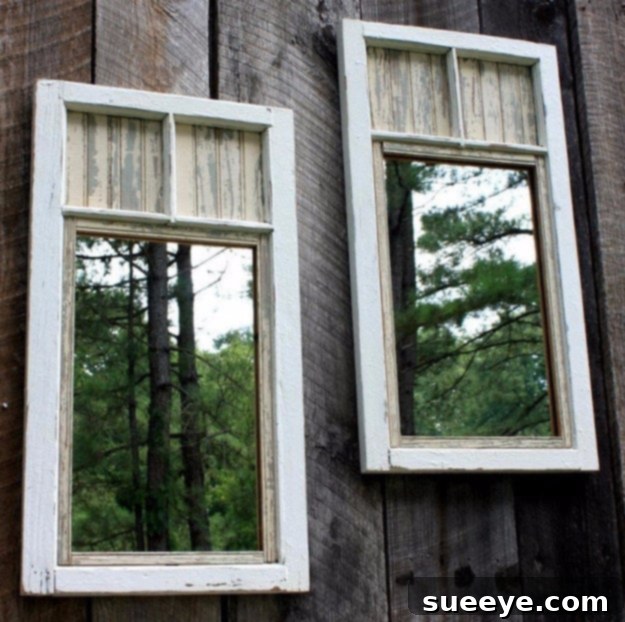
If you have a small garden or a narrow outdoor space, achieving an open and expansive feel can be a challenge. This clever landscaping hack, however, uses exterior mirrors to create a stunning optical illusion of greater depth and space. Strategically placed mirrors can reflect light, plants, and other garden features, effectively doubling the perceived size of your outdoor area and adding a touch of elegance.
When selecting mirrors for outdoor use, ensure they are weather-resistant or properly sealed to withstand the elements. Position them in a way that reflects a desirable view or a lush planting area, avoiding direct sunlight reflection that could be harsh. Hanging a mirror on a fence or wall can make it appear as though there’s another garden beyond, creating an intriguing focal point. This design trick is an excellent way to introduce light, enhance visual interest, and dramatically open up even the coziest of garden nooks, transforming compact areas into seemingly endless green retreats.
12. DIY Garden Stepping Stones
Source: thegardenglove
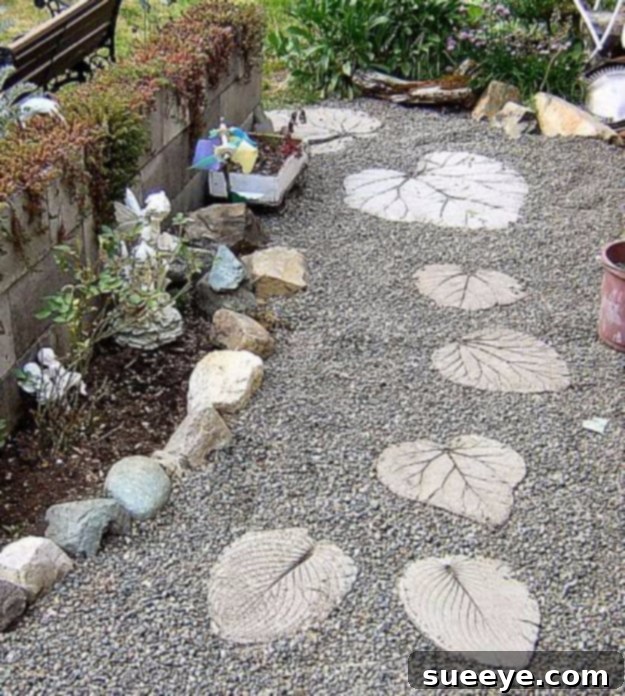
Stepping stones are a charming and practical addition to any garden, providing a dry path through grassy areas, protecting delicate plants, and adding an element of visual interest. Instead of purchasing expensive pre-made stones, you can easily create your own customized DIY garden stepping stones, allowing for endless creativity in design, shape, and color. This project is not only satisfying but also a fantastic way to personalize your outdoor space.
You can use concrete mix poured into molds (store-bought or homemade from old baking pans, plastic containers, or even large leaves), or get creative with mosaics by pressing colorful broken tiles, glass, pebbles, or even handprints into the wet concrete. Once cured, these unique stepping stones can guide visitors through your garden, connect different sections of your landscape, or simply serve as decorative accents. It’s a durable and weather-resistant solution that adds a handcrafted, whimsical touch to your garden pathways, making every stroll more enjoyable.
13. Succulent Planter from Rotted Tree Trunk Pieces
Source: myrepurposedlife
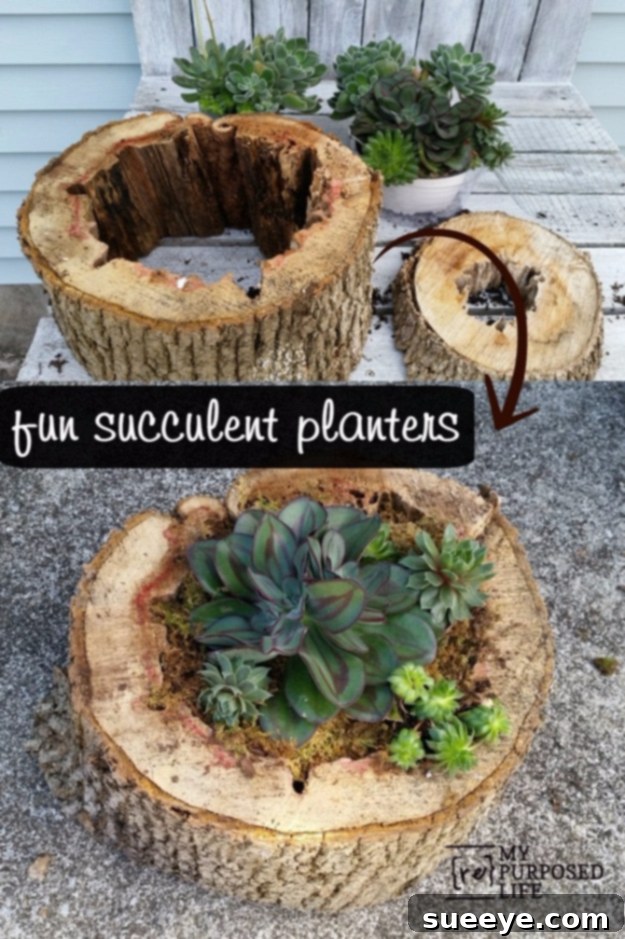
If you’re looking for an earthy, unique, and sustainable way to display your succulents, this hack transforms discarded rotted tree trunk pieces into stunning natural planters. Instead of sending old wood to the landfill, give it a new lease on life by hollowing out sections and turning them into perfect homes for drought-tolerant succulents. This project embraces the beauty of natural decomposition and upcycling, creating a rustic focal point for your garden or patio.
The porous nature of partially rotted wood provides excellent drainage, which succulents absolutely love, making these natural vessels ideal for their growth. Simply find a suitable piece of tree trunk, carefully hollow out cavities large enough for your succulent arrangements, and ensure there’s adequate drainage. Fill with a well-draining succulent soil mix and arrange your favorite varieties. This creates a visually captivating piece of living art that brings a touch of woodland charm to any outdoor space, highlighting the rugged beauty of both nature and creative repurposing.
14. Pond Paradise in the Backyard
Source: aquascapeinc
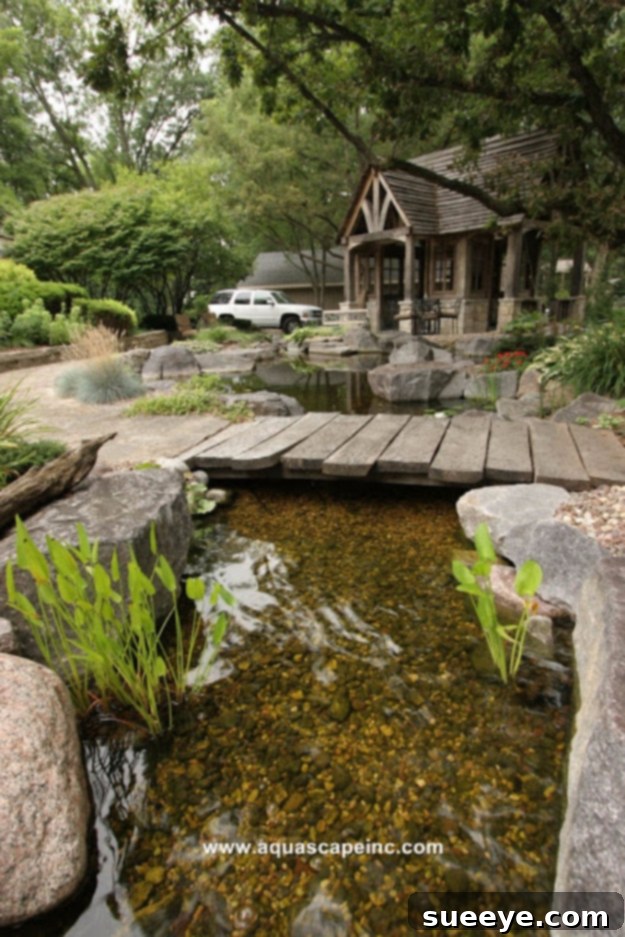
Imagine the soothing sounds of trickling water, the vibrant colors of aquatic plants, and the gentle visits of local wildlife, all within your own backyard. Building a pond, even a small one, can transform your outdoor space into a tranquil paradise. This DIY project, while requiring a bit more effort than some others, offers immense rewards in terms of aesthetic beauty, ecological benefits, and personal relaxation.
A backyard pond can become a focal point, attracting birds, frogs, and beneficial insects, creating a miniature ecosystem. You can customize its size and shape to fit your space, incorporating features like waterfalls, fountains, and a variety of aquatic plants. While professional installation is an option, many homeowners successfully build beautiful ponds with DIY kits and guides. The key is proper planning, including site selection, liner installation, and incorporating a filtration system. The investment of time and resources into creating your own pond paradise will provide years of enjoyment, turning your backyard into a serene oasis for both you and nature.
15. Whimsical Toadstools in the Garden
Source: twigandtoadstool
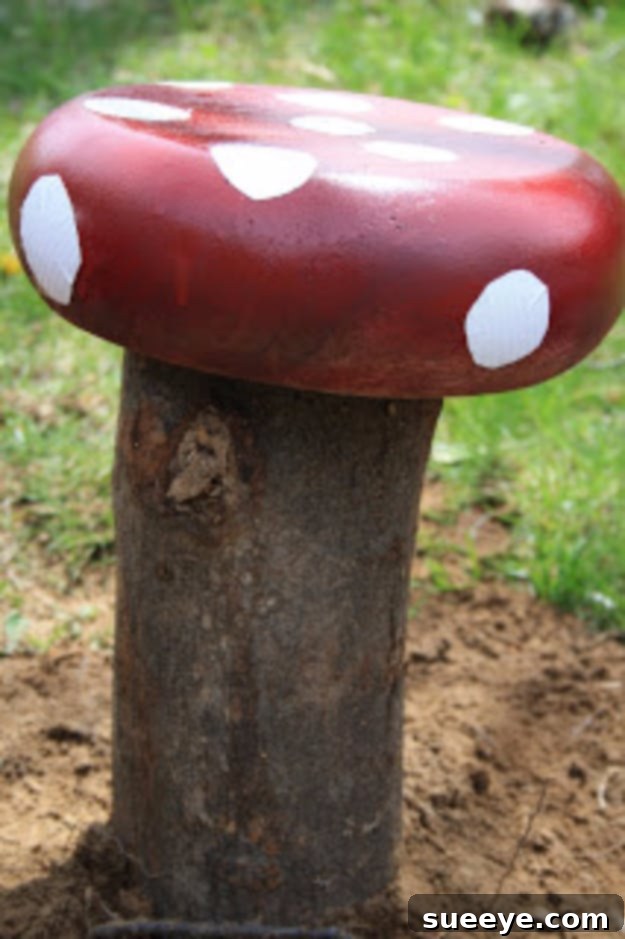
Add a touch of fairy-tale charm and whimsy to your garden with handmade toadstools. These decorative elements are perfect for creating a magical atmosphere, especially in shaded areas or tucked among lush foliage. This simple DIY project is a fun way to express your creativity and bring a playful, enchanted feel to your outdoor space, delighting both children and adults alike.
Creating garden toadstools can involve various materials, from painted concrete or terracotta pots and saucers to repurposed wooden stumps topped with brightly painted domes. You can use weather-resistant paints to mimic classic red and white spotted mushrooms or invent your own fantastical designs. Place them individually or in clusters along pathways, at the base of trees, or within flower beds to create unexpected points of interest. These charming accents require minimal effort but deliver maximum impact, transforming your garden into a delightful, storybook landscape.
16. DIY Umbrella Stand
Source: thesoutherninstitute
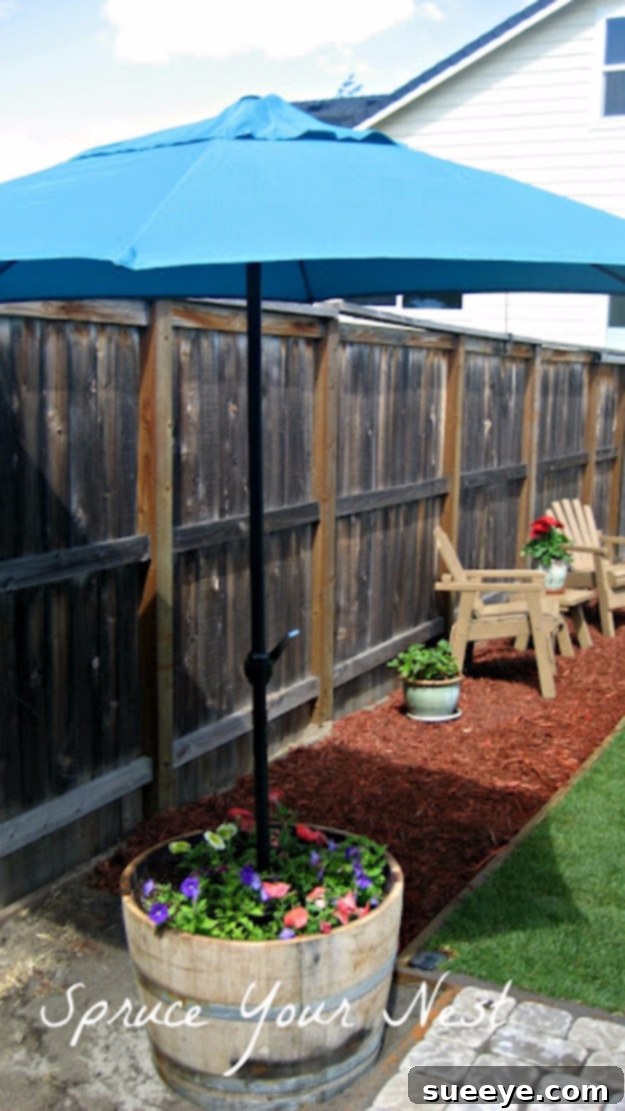
An outdoor umbrella is essential for providing shade and comfort during sunny days, but a stable and attractive stand is equally important. Store-bought umbrella stands can be expensive and sometimes lack the aesthetic appeal you desire. This DIY hack allows you to create your own robust and stylish umbrella stand that perfectly complements your patio or deck decor, all while saving you money.
Typically, a DIY umbrella stand involves a sturdy container (like a planter, bucket, or even a concrete form), a PVC pipe for the umbrella pole, and a heavy-duty material like concrete or quick-setting cement to provide weight and stability. You can then paint the container, adorn it with decorative stones, or cover it with a facade that matches your outdoor furniture. This project ensures your umbrella remains securely in place even on breezy days, and it offers the flexibility to customize its appearance, turning a functional item into an integrated part of your outdoor living area design.
17. Build a Retaining Wall Around a Tree
Source: handyowner
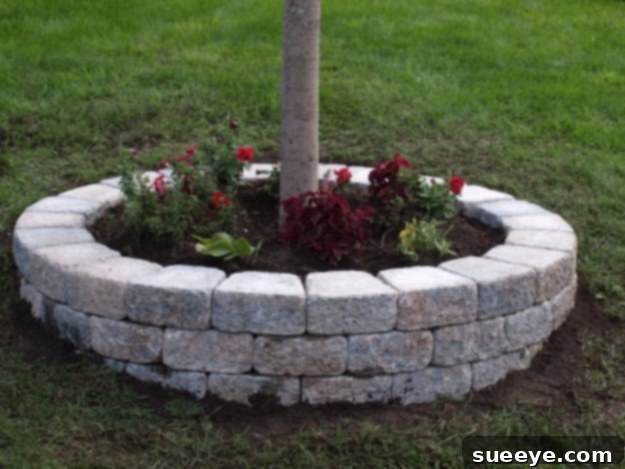
A retaining wall built around the base of a tree serves multiple purposes: it protects the tree from lawnmower damage, helps retain soil and moisture, and creates a beautiful, elevated garden bed or seating area. This landscaping hack enhances the aesthetic appeal of your yard while also providing practical benefits for your tree’s health and the surrounding landscape. It’s a project that adds structure and functionality with a relatively simple construction.
You can use various materials for this DIY wall, such as bricks, natural stones, concrete blocks, or even treated lumber. The design can be a simple circular bed or a more elaborate multi-tiered structure. When building, ensure there’s adequate space between the wall and the tree trunk to allow for future growth and air circulation, avoiding root damage. This method helps prevent soil erosion around the tree’s base, creates a tidy border for mulching or planting, and can transform an ordinary tree into a striking focal point in your garden design, boosting its overall appeal.
18. Plant a Mailbox Garden
Source: bhg
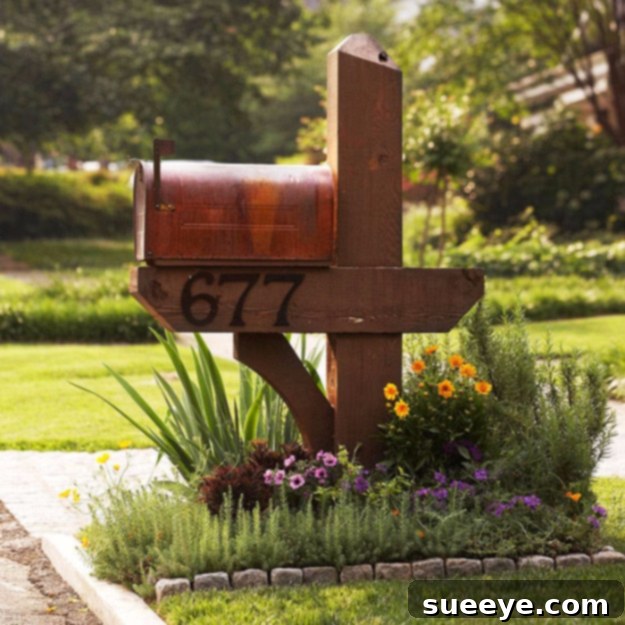
Your mailbox area is often the very first thing visitors see, making it an ideal spot to add a touch of welcoming beauty to your home’s exterior. Planting a mailbox garden is a simple yet impactful landscaping hack that instantly boosts curb appeal and demonstrates attention to detail. Instead of a lone post, create a vibrant floral display that greets you and your guests daily.
Consider the conditions around your mailbox – most likely full sun – when selecting plants. Choose drought-tolerant flowers, perennials, or even small shrubs that can withstand various weather conditions and require minimal maintenance. Create a small bed around the base of the mailbox post, enriching the soil with compost. You can use a mix of flowering plants for continuous color throughout the seasons, or opt for evergreen ground covers for year-round appeal. A well-designed mailbox garden not only beautifies a functional necessity but also serves as an inviting introduction to your home and landscape.
19. Build a Raised Bed Planter
Source: removeandreplace
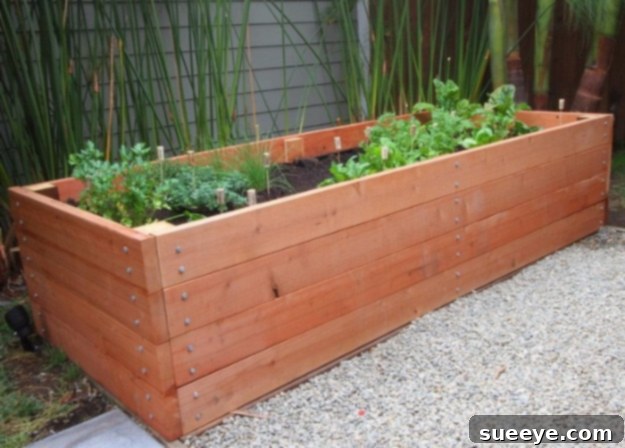
Raised garden beds have become incredibly popular among home gardeners for good reason. This DIY hack allows you to create an ideal growing environment that offers numerous advantages over traditional in-ground planting. Building a raised bed planter provides better control over soil quality, drainage, and pest management, making gardening more accessible and productive for everyone, from beginners to seasoned enthusiasts.
Constructing a raised bed typically involves assembling a frame from materials like treated lumber, stone, or even galvanized metal, and then filling it with a rich, custom soil mix. The elevated height means less bending and kneeling, making gardening more comfortable, especially for individuals with mobility issues. Enhanced drainage prevents root rot, and the specialized soil warms up faster in spring, extending your growing season. Whether you’re growing vegetables, herbs, or flowers, a DIY raised bed planter is a fantastic investment that yields bountiful harvests and a more organized, beautiful garden space.
20. DIY Hose Hiding Outdoor Planter
Source: thatsmyletter
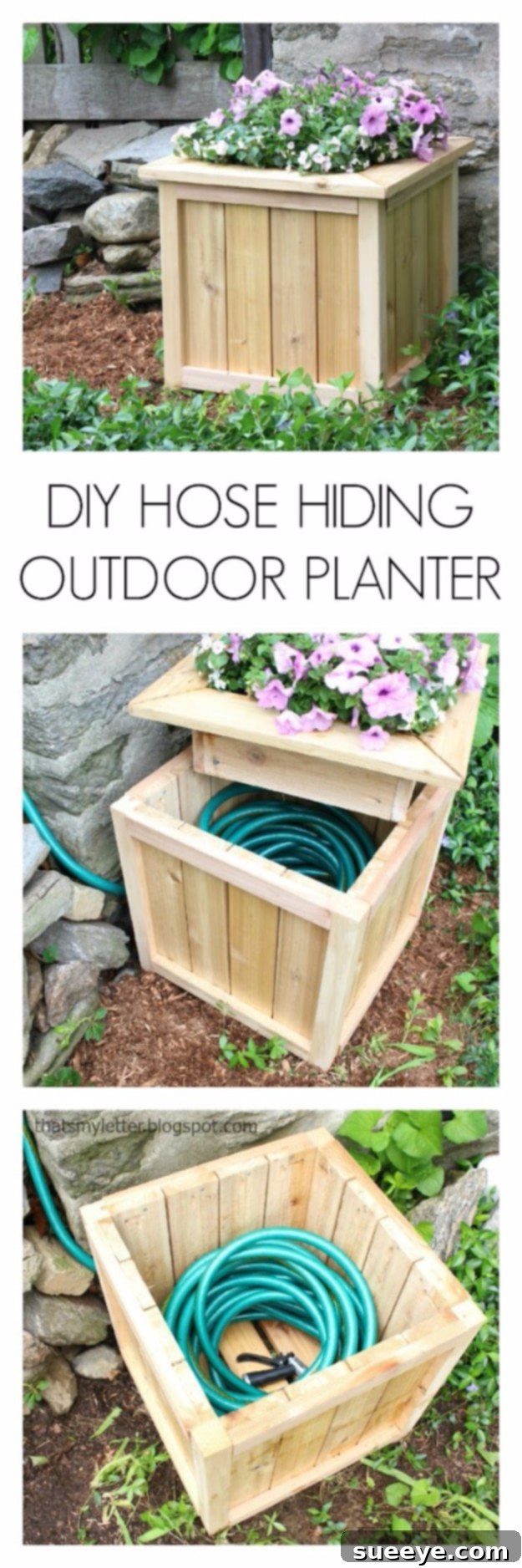
An unruly garden hose coiled haphazardly on your lawn can quickly detract from even the most beautiful landscape. This clever DIY hack offers an elegant and practical solution: a hose-hiding outdoor planter. By combining functionality with aesthetic appeal, you can keep your garden hose neatly stored and out of sight, all while adding a beautiful decorative element to your outdoor space.
This project typically involves constructing a planter box with an open bottom or a designated internal space where the hose can be coiled. A hole or slot allows the hose to be pulled out for use and retracted afterward. The top of the planter can then be filled with soil and adorned with vibrant flowers or lush greenery, completely concealing the hose beneath. Not only does this keep your yard tidy and safe from tripping hazards, but it also provides an opportunity to add a gorgeous focal point to your patio, deck, or garden, blending practicality seamlessly with sophisticated design.
21. Make Rock Mulch Look Amazing
Source: blessmyweeds
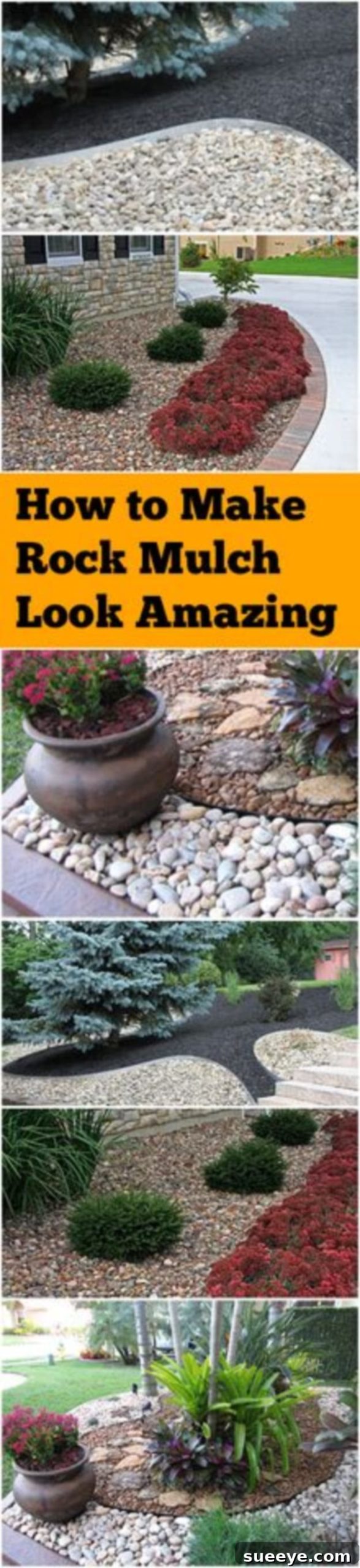
Rock mulch is a durable, low-maintenance alternative to organic mulches, offering excellent weed suppression and moisture retention, especially in arid climates or xeriscaping projects. However, poorly installed or maintained rock mulch can sometimes look unkempt or bland. This landscaping hack provides essential tips and tricks to ensure your rock mulch areas not only function effectively but also look absolutely stunning and well-integrated into your garden design.
Key elements include thorough preparation of the bed by laying down landscape fabric to prevent weeds and keep rocks clean. Choosing the right type and size of rocks, from smooth river stones to crushed gravel, makes a huge difference in aesthetic appeal. Edging the rock beds with pavers or metal strips creates a clean separation from grass and other plantings. Regular maintenance, such as occasional raking and blowing away debris, keeps the rocks looking fresh. By paying attention to these details, you can transform rock mulch from a simple ground cover into a sophisticated and beautiful element that enhances your landscape for years to come.
22. Citrus Peel Starter Pot for Seedlings
Source: myromanapartment
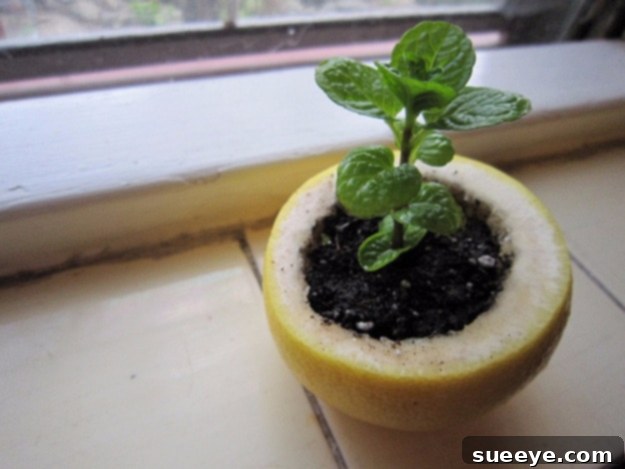
Similar to eggshells, citrus peels offer another ingenious and eco-friendly solution for starting seedlings indoors. This gardening hack repurposes discarded orange, grapefruit, or lemon peels into biodegradable starter pots, providing a natural and nutritious environment for your young plants. It’s an excellent way to reduce waste and give your seedlings a healthy start before they’re ready for the garden.
After enjoying your fruit, carefully scoop out the pulp, leaving the rind intact. Poke a small drainage hole in the bottom of each peel. Fill the citrus cup with seed-starting mix, plant your seeds, and water gently. The peels naturally deter some pests due to their strong scent and will slowly decompose once planted, releasing beneficial nutrients into the soil. When it’s time to transplant, you can plant the entire citrus peel directly into the ground, minimizing root shock and enriching your garden soil organically. This method is simple, sustainable, and adds a unique charm to your seedling nursery.
23. Paint Rocks to Look Like Turtles
Source: craftymorning
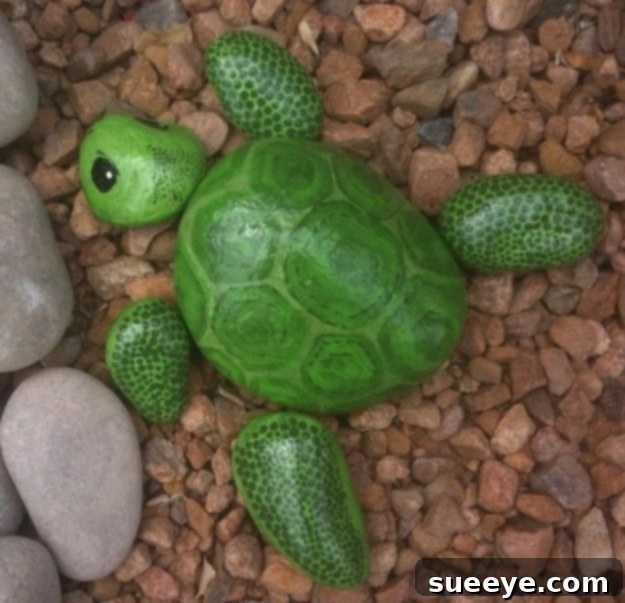
Inject personality and a playful touch into your garden with this delightful DIY hack: painting rocks to resemble cute turtles. This creative project is perfect for adding whimsical garden art that’s durable, weatherproof, and utterly charming. It’s an engaging activity for families and a fantastic way to utilize natural materials found right in your backyard or during a nature walk.
Simply collect smooth, flat, oval-shaped rocks that mimic a turtle’s shell. Clean them thoroughly, and then use outdoor-grade acrylic paints to decorate them. You can paint detailed shells, add eyes, and even attach small pebble “heads” and “feet” with strong adhesive for a 3D effect. Once dried and sealed with a clear, weather-resistant coat, these painted rock turtles can be placed strategically among your plants, near a pond, or along a pathway, creating unexpected points of interest and a sense of discovery. This hack turns ordinary rocks into beloved garden inhabitants that bring smiles year-round.
24. Build a Small Garden Pond
Source: homewiseireland
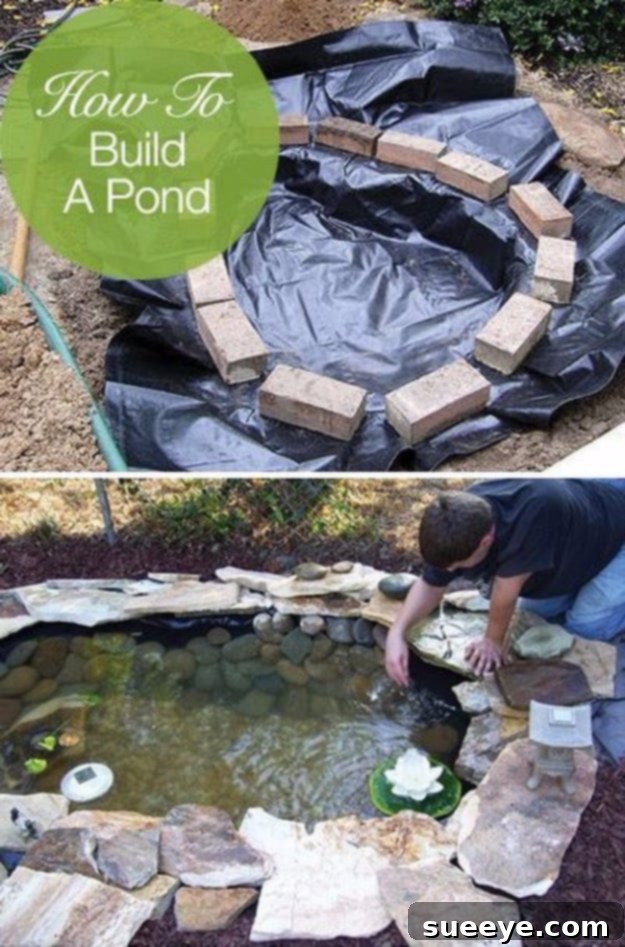
While the idea of a backyard pond might seem ambitious, building a small garden pond can be a surprisingly achievable DIY project that brings immense beauty and ecological benefits to your outdoor space. A well-placed pond creates a calming focal point, attracts beneficial wildlife like birds and dragonflies, and introduces the soothing element of water into your landscape design. This hack details how to approach the construction of a manageable, yet impactful, water feature.
The process typically involves careful site selection, digging the pond basin to appropriate depths, installing a durable pond liner, and setting up a basic pump and filter system to maintain water quality. You can then add aquatic plants, rocks, and even small fish to create a thriving miniature ecosystem. For beginners, pre-formed pond kits offer an easier route. This project not only enhances the visual appeal and tranquility of your garden but also provides an opportunity to connect with nature and enjoy the dynamic changes of a living water feature, transforming your backyard into a serene escape.
25. Plant a Container Herb Garden
Source: acultivatednest
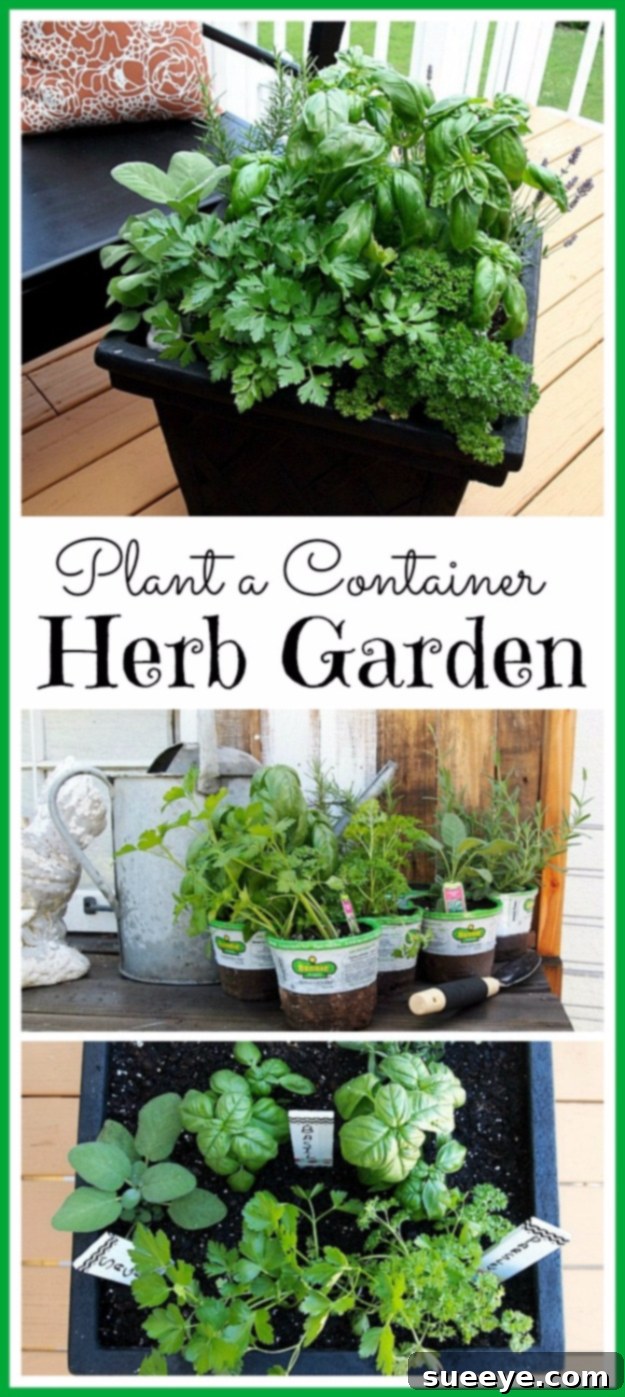
Fresh herbs are a culinary delight, and having them readily available just outside your door is a luxury that’s easily achievable with a DIY container herb garden. This landscaping hack is perfect for those with limited space, like balconies or small patios, or anyone who wants the convenience of fresh ingredients just steps away from the kitchen. It’s a simple, rewarding project that combines functionality with beauty.
Choose a large pot or several smaller containers, ensuring they have good drainage. Select a variety of herbs that complement each other in terms of growing conditions and culinary use, such as basil, mint, rosemary, thyme, and chives. Use a high-quality potting mix and consider placing a layer of gravel at the bottom for extra drainage. Positioning your herb garden in a sunny spot will ensure vigorous growth. A container herb garden not only provides fresh flavors for your cooking but also adds fragrant foliage and a touch of lush greenery to your outdoor living space, making it a truly practical and delightful addition.
26. Turn Your Milk Jug into Hot Caps
Source: familyfoodsecure
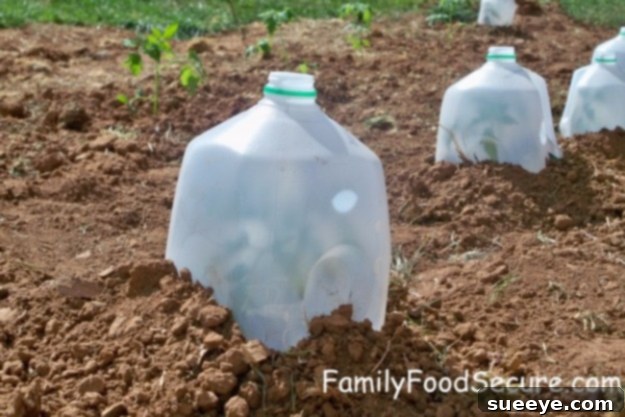
Protecting young seedlings and delicate plants from unexpected frosts, harsh winds, or hungry pests is crucial for a successful garden. This ingenious and cost-free DIY hack repurposes empty plastic milk jugs into effective “hot caps” or miniature greenhouses. It’s a fantastic way to extend your growing season and ensure the survival of your tender plants without spending a dime.
Simply cut the bottom off a clean, empty plastic milk jug. Place the jug over your young plant, pushing it gently into the soil to secure it. The jug acts as a protective dome, trapping warmth and creating a microclimate that shields the plant from cold temperatures. It also serves as a physical barrier against critters. Remember to remove the cap of the jug on warmer, sunny days to allow for air circulation and prevent overheating. This simple upcycling trick provides an inexpensive and highly effective way to give your garden a head start and protect your precious plants from early spring or late autumn weather challenges.
27. Soda Bottle Mini Greenhouses
Source: vrya
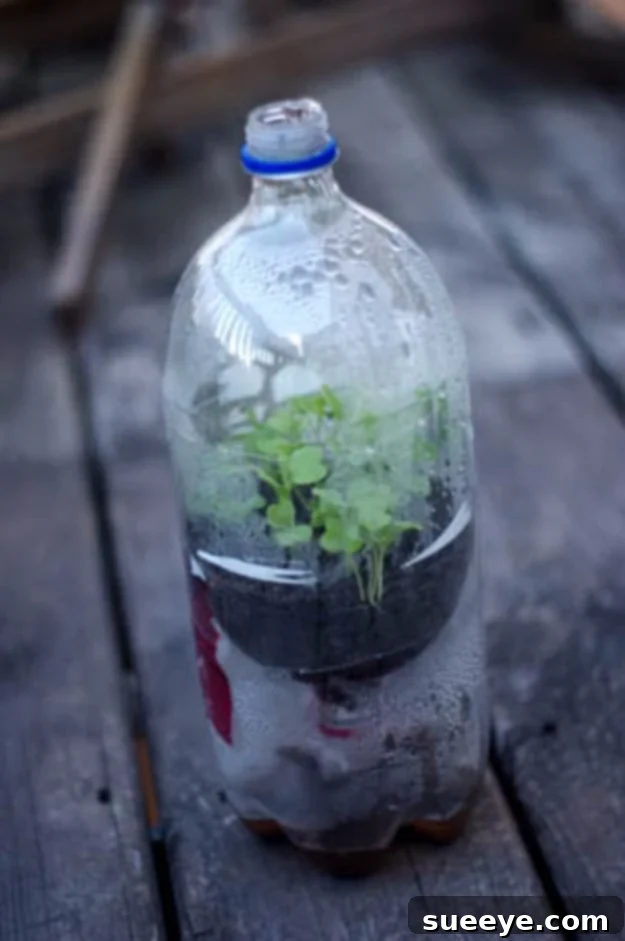
Similar to milk jug hot caps, repurposing plastic soda bottles into mini greenhouses is another excellent DIY hack for nurturing seedlings and protecting small plants. This method is particularly useful for individual plant protection, seed starting, or propagating cuttings, providing a controlled environment that encourages growth and shields against environmental stressors. It’s a testament to how everyday items can be transformed into valuable gardening tools.
To create a soda bottle mini greenhouse, cut a clean plastic bottle in half horizontally. The bottom half can be used as a self-watering reservoir, while the top half, inverted, acts as a dome. Alternatively, you can simply use the top half over a small plant or pot, pushing it slightly into the soil. The clear plastic allows sunlight to penetrate while trapping warmth and humidity, creating ideal conditions for germination and early growth. This budget-friendly and sustainable hack makes it easy for gardeners to experiment with different plants, extend their season, and give their young greens the best possible start.
28. Repot Succulents the Easy Way
Source: hellohydrangea
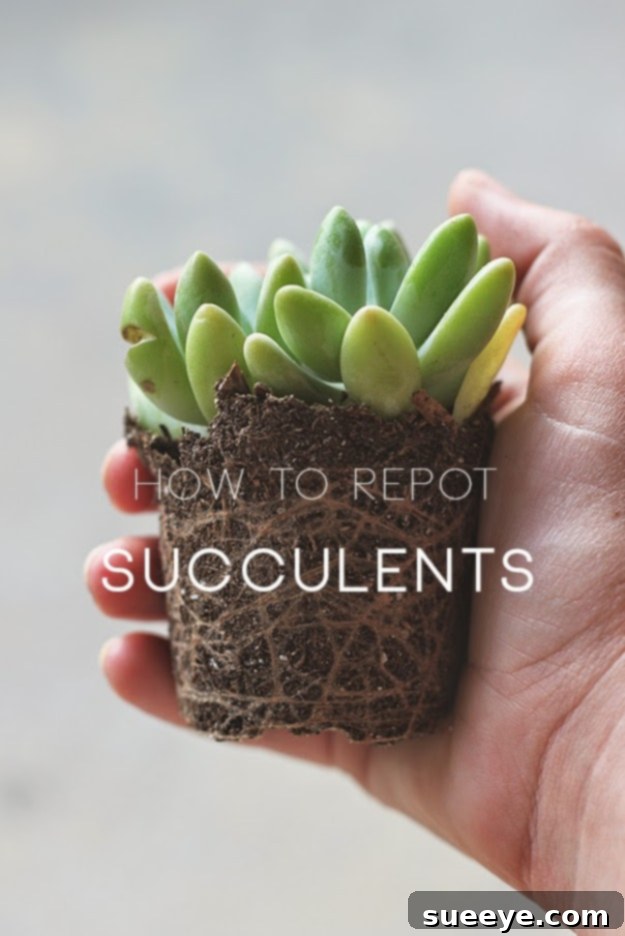
Succulents are cherished for their low maintenance and striking beauty, but even these resilient plants eventually need repotting to thrive. Whether they’ve outgrown their container, need fresh soil, or require propagation, repotting can seem intimidating due to their delicate leaves and sometimes spiky nature. This gardening hack outlines an easy and stress-free approach to repotting succulents, ensuring their continued health and growth.
The key to easy succulent repotting lies in handling them carefully and using the right tools. Wear gloves to protect your hands, and work with dry soil, as wet soil tends to cling and compact. Gently remove the succulent from its old pot, shake off excess old soil, and inspect the roots. Place it in a new pot with fresh, well-draining succulent-specific potting mix, ensuring the base of the plant is at the same level as it was previously. Avoid watering immediately after repotting; wait a few days to allow any damaged roots to heal. This simple process minimizes stress on the plant and on you, making succulent care a breeze and keeping your collection vibrant.
29. Brick Edging for Your Flower Beds
Source: world-of-lush-gardens
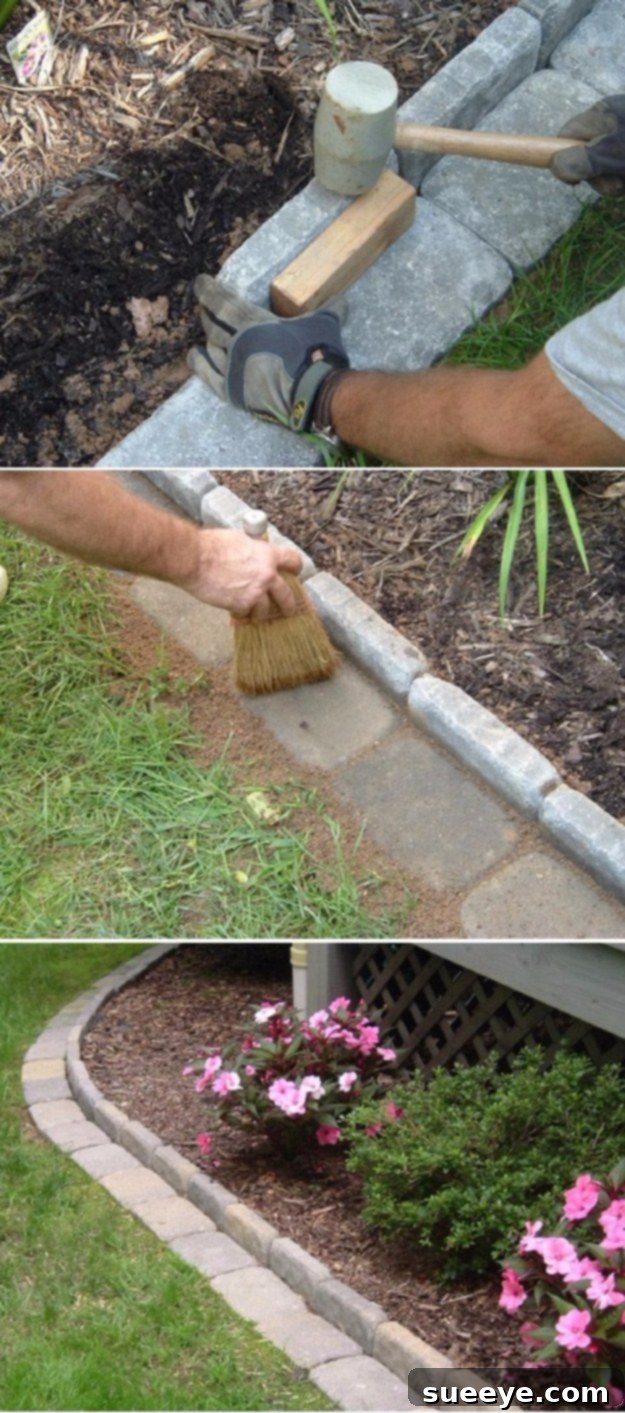
For a timeless, durable, and clean look in your garden, brick edging for flower beds is a classic choice that remains incredibly popular. This landscaping hack provides a straightforward method for defining your garden beds, preventing grass encroachment, and adding a polished, architectural element to your outdoor space. It’s a DIY project that significantly enhances curb appeal and provides lasting structure to your garden design.
Installing brick edging typically involves digging a shallow trench along the perimeter of your flower bed, laying a base of sand or gravel for stability and drainage, and then carefully setting the bricks. Bricks can be laid flat, on their side, or at an angle (known as a saw-tooth edge) to create different visual effects. Ensuring the bricks are level and tightly packed prevents shifting and creates a seamless border. This not only makes your flower beds look meticulously maintained but also simplifies lawn care by providing a clear barrier for mowing and weeding. Brick edging is a robust and attractive solution that instantly elevates the sophistication and tidiness of any garden.