
Master Your Craft: 11 Essential Productivity Tips for Quilters
Welcome, fellow quilters! Whether you’re just starting your journey into the wonderful world of fabric and stitches or you’re a seasoned artisan looking to refine your process, maximizing your quilting time and creative output is always a cherished goal. Quilting is a deeply rewarding hobby that offers endless possibilities for artistic expression and creating cherished heirlooms. However, it can also be time-consuming, and finding an efficient rhythm is key to sustained enjoyment and project completion. Many quilters grapple with common challenges such as an ever-growing pile of unfinished projects (WIPs), creative blocks, or simply feeling overwhelmed by the sheer volume of ideas and materials available.
This comprehensive guide, inspired by invaluable insights from A Quilting Life, is meticulously designed to transform your quilting habits. By adopting these strategies, you’ll make your creative process smoother, significantly more productive, and immensely more satisfying. Get ready to revitalize your quilting routine and turn those ambitious ideas into beautiful, cherished finished pieces, moving from inspiration to completion with greater ease and joy.
In this article, we’ll dive deep into 11 actionable strategies that can significantly boost your efficiency, reduce stress, and help you bring more beautiful quilts to life. These aren’t just theoretical concepts; they are practical, tried-and-true tips that have proven effective for quilters at all levels. By integrating even a few of these suggestions into your routine, you’ll unlock new levels of creativity and accomplishment in your quilting journey.
RELATED: 9 Quilting Techniques You Might Not Know About
#1 Unleash Your Creativity: The Power of Brainstorming and Inspiration
Every magnificent quilt begins with a spark of an idea, a vision that takes root in your imagination. Productive quilters understand the critical importance of actively seeking and nurturing this inspiration. Don’t simply wait for creativity to strike; proactively go out and find it! Dedicate specific time to brainstorming, whether it’s by flipping through glossy quilting magazines, immersing yourself in the visual feast of Instagram, or curating a dream board on Pinterest. Beyond digital platforms, look to nature for serene landscapes, architecture for geometric patterns, art for color theory, or even everyday objects for unique design motifs. Keep a dedicated sketchbook, a digital folder, or a physical binder to collect these snippets of inspiration. Jot down ideas, sketch block designs, or save images that resonate with your personal style. This regular practice not only fuels your next project but also builds a rich, personal library of ideas, ensuring you never face a creative block without a multitude of starting points. By consistently exploring new ideas, you keep your quilting passion vibrant, your skills evolving, and your projects diverse and exciting.
#2 Tame the Chaos: Efficiently Sort Your Works in Progress (WIPs)
For many quilters, the term “WIPs” or “works in progress” can evoke a mix of excitement and mild panic. Unfinished projects tend to accumulate, leading to disorganization, a cluttered workspace, and a nagging sense of being overwhelmed. A highly effective way to boost productivity and reduce stress is to regularly sort and organize your works in progress. This doesn’t just mean tidying up; it means strategically categorizing your projects to make them more manageable. Group them by type (e.g., quilt tops ready for quilting, small projects for hand-sewing, binding needing completion), by urgency (e.g., gifts with looming deadlines), or even by season. Store them in clear, labeled bins, project bags, or designated drawers so you can easily see what’s inside without having to rummage through piles of fabric. A structured sorting system helps you quickly grab the right project when you have a spare moment, preventing wasted time. More importantly, revisiting these older projects can often rekindle your enthusiasm. You might discover a partially completed block that’s perfect for a new idea, or simply feel a renewed determination to see a long-forgotten project through to completion. A clear workspace and organized WIPs contribute significantly to a clear mind and focused, joyful quilting.
#3 Strategic Scheduling: The Power of Regular Planning
Just as you meticulously plan your week’s meals, important appointments, or daily tasks, integrating regular planning into your quilting routine can be a transformative game-changer. This isn’t about rigid adherence to a schedule but about thoughtful preparation that empowers you to achieve more. Whether you prefer a physical planner, a digital calendar, or a simple notebook, set aside dedicated time each week or month to outline your quilting goals. What projects do you want to tackle next? What are the key steps involved in each? By breaking down large projects into smaller, more manageable tasks, you create a clear roadmap for success. This consistent practice allows you to track completed projects, celebrate your achievements, and clearly identify what needs to be done next. Regular planning ensures that you’re always moving forward, avoiding decision fatigue and making the most of your precious quilting hours. It helps you efficiently allocate time for various stages: fabric shopping, precise cutting, intricate piecing, meticulous quilting, and the final binding, transforming abstract desires into concrete steps toward finishing your beautiful creations.
#4 Dream Big: Cultivating a Project “Bucket List”
While regular planning effectively focuses on immediate and near-term goals, maintaining a quilting “bucket list” is equally crucial for long-term inspiration, sustained motivation, and preventing creative burnout. This isn’t a list driven by deadlines; it’s a living document of all the dream quilts you aspire to make “someday.” Perhaps it’s a complex sampler quilt showcasing advanced techniques, a large bed quilt for a cherished family member, or mastering a new, challenging technique like foundation paper piecing, intricate appliqué, or free-motion quilting. Keep this aspirational list in an accessible place – maybe a dedicated section in your planner, a digital note on your phone, or a vision board in your studio. The act of adding to this list keeps your creative juices flowing and ensures you always have a vibrant pool of exciting ideas to draw from. When you finish a current project and wonder what’s next, or if you find yourself in a creative lull, your bucket list provides a wealth of inspiration, making it effortless to decide what to start next. It’s a powerful tool for motivating yourself and ensuring your quilting journey remains fresh, dynamic, and full of exciting possibilities.
#5 Master Time: Setting Realistic Project Time Frames
One of the biggest hurdles to consistently finishing quilts, and indeed any creative project, is underestimating the actual time commitment involved. Enthusiastic quilters often set overly optimistic deadlines, which can lead to rushed work, increased frustration, and, unfortunately, a growing pile of unfinished projects. A highly effective strategy for setting realistic time frames is to estimate the time you *think* a project will take, and then add a buffer – typically an additional 30%. For instance, if you genuinely believe a quilt top will take 10 hours to piece, schedule 13 hours. This extra time generously accounts for unforeseen challenges like needing to re-cut fabric due to a mistake, fixing misaligned seams, waiting for supplies, or simply life getting in the way (unexpected appointments, family needs). It allows for a more relaxed, enjoyable, and less stressful quilting process, significantly reducing the pressure to rush and ensuring higher quality, more precise results. By giving yourself ample time, you can truly savor each stitch, learn from any minor challenges, and avoid the burnout that often comes from working against an impossible clock. Realistic scheduling is about respecting your time, your energy, and the integrity of your creative process.
#6 Fueling Creativity: Strategic Menu Planning
It might seem entirely unrelated to quilting, but what you eat and how you plan your meals can significantly impact your quilting productivity. The less time and mental energy you spend worrying about what’s for breakfast, lunch, or dinner, the more precious hours you’ll have for your creative pursuits. Implementing a weekly meal plan is a simple yet profoundly powerful habit. On a designated day, perhaps Sunday, sit down and plan out all your meals for the upcoming week. This includes not only dinner but also breakfast, lunch, and even healthy snacks. Create a comprehensive grocery list based on this plan and do all your shopping in one efficient trip. You’ll not only save considerable time during the week by avoiding last-minute grocery runs and daily decision-making about food but also reduce decision fatigue. Knowing exactly what you’ll eat means less time spent thinking, preparing, and cleaning up, freeing up valuable hours that can be dedicated to your sewing machine. Plus, well-nourished quilters tend to have more sustained energy, better focus, and improved mental clarity, all of which lead to more productive and enjoyable quilting sessions.
#7 Maintain Your Haven: The Power of Quick Clean-Ups
A tidy and organized quilting space is not just aesthetically pleasing; it’s a crucial component of productivity and mental clarity. While a full studio overhaul isn’t an everyday task, implementing quick clean-ups after each quilting session can make a world of difference. This means taking just a few minutes before you step away to put away tools, clear fabric scraps from your cutting mat, return rulers to their hangers, and organize any unfinished blocks or fabric pieces neatly. A clean and organized workspace at the end of your session ensures that when you return, you can immediately dive back into your project without wasting valuable time searching for lost items, untangling threads, or clearing clutter. More importantly, these small, consistent acts of organization help you to remember exactly where you left off and what your next steps are. It’s a “reset” button for your creative brain, preventing mental clutter from impeding your progress. A consistently clean and organized studio fosters a more joyful, efficient, and ultimately, more inspiring quilting experience.
#8 Batching for Efficiency: Cut Out Multiple Projects At Once
One of the most time-consuming aspects of quilting, often underestimated, is the cutting phase. Setting up your cutting mat, gathering your rotary cutter, selecting the correct rulers, and then putting everything away takes valuable time and effort. Optimize this process by embracing the power of batching similar tasks: if you have several small projects or multiple blocks planned for different quilts, cut them out all at once. For example, if you need to cut a variety of fabric strips for different quilt tops, measure and cut all the necessary strips in one extended, focused session. Similarly, if you have multiple projects that require squares, rectangles, or triangles of specific sizes, process all of them together. This “batch cutting” approach maximizes your setup time, maintains your momentum, and ensures you have components ready for several projects. It’s a highly efficient method that drastically reduces the number of times you have to transition between different tasks, ultimately increasing your overall productivity and helping you build a useful stash of pre-cut components for future inspiration.
#9 Ready, Set, Sew: Prepare for Your Next Session
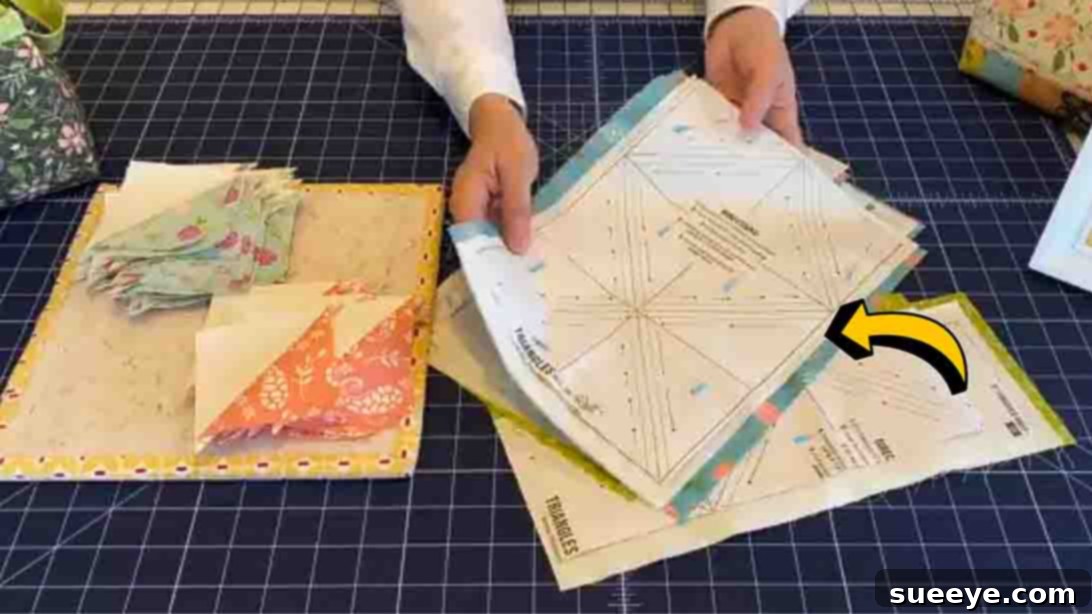
The concept of “ready to sew” is a powerful psychological trick to minimize friction and maximize efficiency when you return to your quilting space. Before you finish a quilting session, take a few thoughtful moments to prepare something for your very next visit. This could involve having a stack of strip piecing components neatly arranged and within reach, a pile of precisely cut half-square triangles (HSTs) ready for assembly, or the binding fabric pressed, folded, and waiting by your machine. The primary goal is to eliminate the need for any significant setup, decision-making, or searching for materials when you next sit down. When you walk into your quilting room and see a project immediately ready to be sewn, the inertia to start is significantly reduced. This simple habit encourages consistent progress, even if you only have a short window of time. It transforms those brief, otherwise unproductive moments into valuable, productive bursts, ensuring your quilting journey is continuous, enjoyable, and free from unnecessary delays.
#10 Quilting On-The-Go: The Ready-To-Take Project
Life often calls us away from our dedicated quilting studios, but that doesn’t mean your creative endeavors have to come to a screeching halt. A “ready-to-take” project is your secret weapon for maximizing those unexpected pockets of free time that pop up throughout your day or week. This involves assembling a mini project that is highly portable, requires minimal tools, and can be worked on anywhere – whether you’re on a long road trip, waiting patiently at a ball game, visiting family, or simply sitting in a doctor’s waiting room. Think small charm squares ready for hand-piecing, pre-cut English paper piecing (EPP) shapes, a simple embroidery pattern, or even a binding project that needs meticulous hand-stitching. Pack a small, dedicated project bag with these components, along with essential tools like a thimble, needle, a small spool of thread, and tiny scissors. By having this grab-and-go option, you can transform otherwise idle moments into productive quilting time, making consistent progress on your projects and continuously fueling your passion no matter where life takes you. It’s a wonderful way to ensure every moment counts towards your creative goals.
#11 Recharge Your Creativity: Prioritize Breaks and Self-Care
While productivity tips often focus on doing more and working faster, true long-term efficiency and sustained creativity come from smart working, which crucially includes knowing when to step away and rest. The eleventh, and perhaps most overlooked, productivity tip for quilters is to prioritize regular breaks and practice diligent self-care. It’s incredibly tempting to push through, especially when you’re in a creative flow, but extended periods of intense focus can lead to mental fatigue, increased likelihood of mistakes, physical strain, and even repetitive stress injuries. Schedule short, intentional breaks every hour or so to stretch your body, walk around, or simply rest your eyes away from your project. Ensure your quilting posture is ergonomic, your lighting is adequate, and your tools are comfortable to use. More broadly, allocate dedicated time for activities outside of quilting that genuinely recharge your spirit, whether it’s spending quality time with loved ones, enjoying nature, reading a good book, or pursuing another non-quilting hobby. A well-rested mind and body are inherently more creative, more focused, and ultimately, far more productive. Remember, quilting should be a source of joy and relaxation, not a chore, and taking care of yourself ensures you have the sustained energy, enthusiasm, and passion to keep creating beautiful quilts for many years to come.
Implementing these 11 essential productivity tips can profoundly transform your quilting experience. By adopting a more organized, planned, and mindful approach, you’ll not only finish more projects with greater satisfaction but also enjoy every single stitch of the creative journey. We encourage you to start with one or two tips that resonate most strongly with you and gradually incorporate others into your routine as they become natural habits. The goal isn’t immediate perfection, but consistent progress, sustained joy, and an enhanced connection to your beloved craft. Happy quilting!