
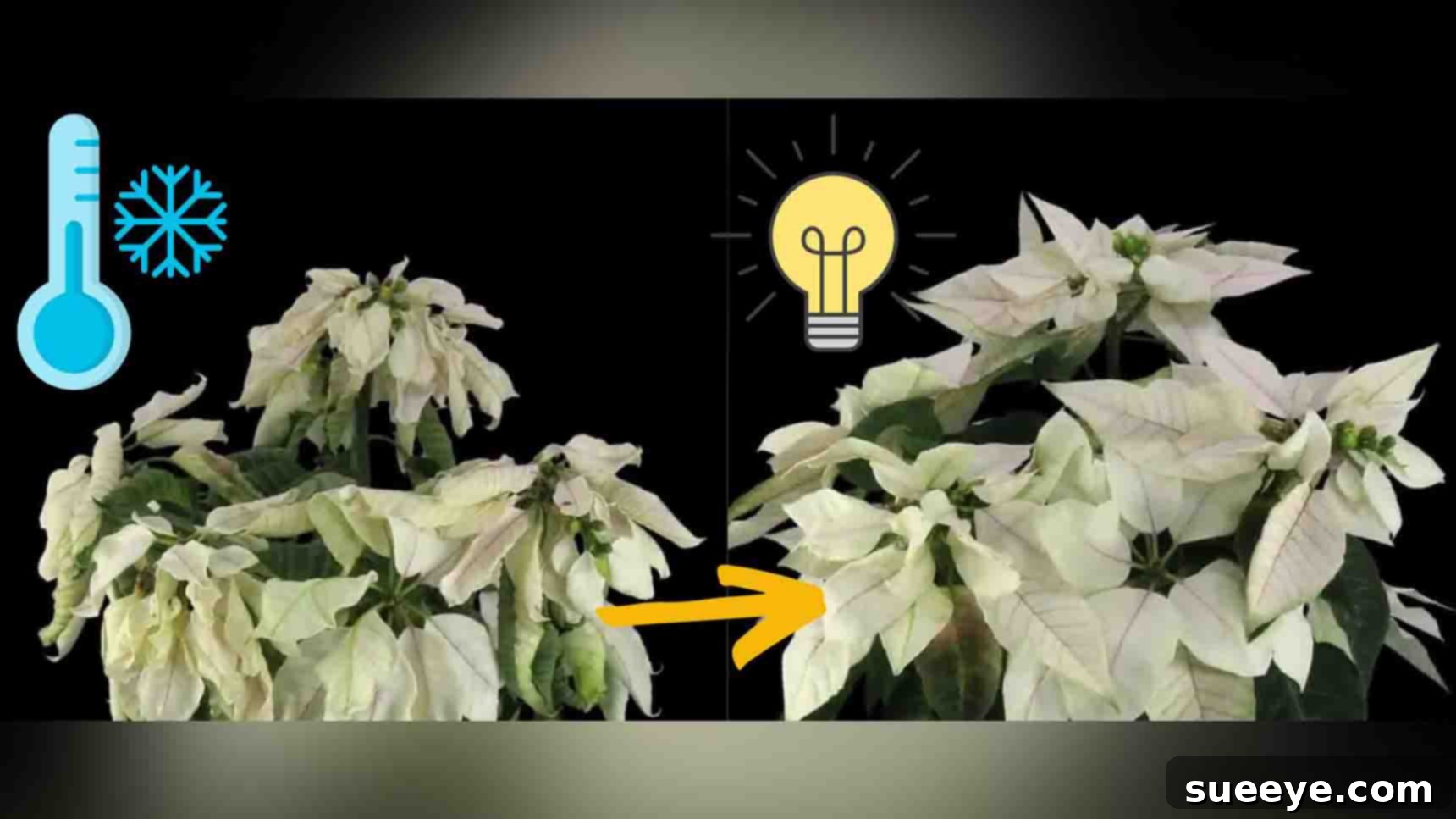
Mastering Winter Gardening: Your Essential Guide to Protecting Plants from Cold
As the vibrant hues of autumn fade and the chill of winter sets in, many gardeners face a unique set of challenges. The reduced sunlight, plummeting temperatures, and altered humidity levels can be perilous for your beloved plants, both indoors and out. However, with the right knowledge and a proactive approach, your garden doesn’t have to go dormant completely. Instead, winter presents an opportunity to nurture and protect your green companions, ensuring they emerge even stronger and healthier in the spring.
This comprehensive guide delves into essential winter gardening practices, offering practical tips to safeguard your plants against the harsh elements. Whether you’re tending to delicate indoor specimens or preparing your outdoor beds for colder months, these strategies will help your garden flourish year-round. We’ve drawn inspiration from invaluable insights shared by experts like GARDEN TIPS on Youtube, distilling the most effective methods into a straightforward, actionable plan.
The 10 Essential Winter Gardening Tips for Thriving Plants
Understanding how to adapt your gardening routine for winter is crucial for plant survival and health. Here are the ten secrets to successful winter gardening, designed to keep your plants vibrant even when temperatures drop.
#1 Mindful Watering Practices
One of the most common pitfalls in winter plant care is overwatering. During colder months, plants enter a period of reduced growth or dormancy, significantly slowing their metabolic rate. This means they require far less moisture than during their active growing seasons. Excessive watering can quickly lead to root rot, a fungal disease that suffocates roots and is often fatal. To prevent this, drastically reduce the frequency of watering for your indoor plants. Always check the soil moisture levels before watering – insert your finger about an inch or two into the soil. If it feels damp, wait a few more days. When you do water, ensure the pot has excellent drainage to prevent standing water, which exacerbates root rot.
#2 Enhance Humidity with Daily Misting
While watering frequency decreases, humidity often becomes a concern, especially for indoor plants. Central heating systems can dry out the air considerably, creating an inhospitable environment for many plants that thrive in higher humidity. A simple yet effective solution is to mist your indoor plants once a day with a light spray of water. This helps to increase localized humidity around the plant leaves. Additionally, take this opportunity to gently clean and dust the leaves. Dust accumulation can block pores, hindering the plant’s ability to perform photosynthesis efficiently, thereby reducing its energy production and overall health.
#3 Strategic Pruning for Health and Energy
Winter is an excellent time for strategic pruning, particularly if your plants are showing signs of pest infestation or disease. Removing affected branches, leaves, or stems prevents the spread of pathogens and pests to healthier parts of the plant. Moreover, pruning during dormancy helps to conserve the plant’s energy. Instead of expending vital resources on maintaining damaged or unhealthy sections, the plant can redirect that energy towards strengthening its root system and preparing for vigorous new growth in the spring. Always use clean, sharp pruning tools to make precise cuts and minimize stress on the plant.
#4 Provide Supplemental Heat Sources
For plants exposed to extremely cold conditions, particularly those that are not cold-hardy, providing an external heat source can be a lifesaver. In a sheltered outdoor space or a cold indoor room, a small room heater can elevate ambient temperatures to a safer level. For individual plants, a high-wattage incandescent light bulb positioned at a safe distance can offer warmth, mimicking the sun’s heat. However, exercise caution to avoid overheating or causing fire hazards. Ensure there’s adequate air circulation and that the heat source is not directly touching any plant material.
#5 Construct a DIY Greenhouse
If you have several plants that need protection from the cold but cannot bring them all indoors, a DIY greenhouse offers an economical and effective solution. You can construct a simple frame using PVC pipes, bamboo sticks, or even repurposed wooden stakes. Cover this frame with sturdy polythene sheets, creating a mini-environment where temperatures remain elevated, and humidity is stable. This makeshift greenhouse acts as an insulator, trapping warmth and protecting plants from harsh winds, frost, and excessive moisture. Remember to incorporate a method for ventilation on warmer days to prevent overheating and fungal growth.
#6 Embrace the Power of Mulching
Mulching is a cornerstone of winter gardening, especially for outdoor plants. This process involves applying a protective layer of organic material to the topsoil of your garden beds. Materials such as shredded leaves, straw, wood chips, or bark act as insulators, forming a thermal blanket over the soil. This layer helps to retain soil warmth, protecting plant roots from freezing temperatures and the damaging cycles of freezing and thawing (known as “frost heave”). Mulch also conserves soil moisture, reduces weed growth, and gradually enriches the soil as it decomposes, providing a slow release of nutrients.
#7 Thoughtful Plant Covering Techniques
For plants you prefer to keep outdoors or those too large to move indoors, covering them provides vital protection against frost and extreme cold. Various materials can be used, including frost blankets, burlap, old sheets, or even specially designed plant covers. For smaller plants, zip-lock bags can offer temporary protection, but it’s crucial to make small holes in the bag for air circulation to prevent condensation buildup and potential fungal issues. Ensure covers extend to the ground to trap warmth and are secured to prevent wind from blowing them off. Remember to remove covers during warmer daylight hours to allow sunlight and air circulation.
#8 Relocate Potted Plants Indoors
Bringing potted plants indoors is perhaps the most straightforward and effective method to protect tender specimens from the winter cold. This simple act can raise the ambient temperature around the plant by at least 5 degrees Celsius (9 degrees Fahrenheit) or more, significantly increasing its chances of survival. Before moving plants indoors, inspect them thoroughly for pests to avoid introducing unwanted guests into your home. Once inside, place sun-loving plants in the brightest available spot, ideally near a south-facing window. Rotate them periodically to ensure even light exposure, and be mindful of their adjusted watering needs indoors.
#9 Energy Conservation Through Cleaning
Just as animals prepare for hibernation, plants enter a period of dormancy in winter, conserving energy. You can assist this natural process by removing any dead leaves, spent buds, withered flowers, and brittle branches. This practice, often called “deadheading” or “tidying up,” prevents the plant from wasting energy on parts that are no longer viable or productive. Furthermore, removing decaying plant material reduces hiding spots for pests and minimizes the risk of fungal diseases, helping your plant allocate its precious energy towards maintaining its core health and root system, ready for a vigorous spring awakening.
#10 Smart Plant Selection for Your Climate
The foundation of successful winter gardening lies in choosing the right plants for your specific climate and growing zone. Before you even plant, take time to understand your local USDA plant hardiness zone (or equivalent regional classification). This system indicates which plants are most likely to survive the minimum winter temperatures in your area. Opt for plants that are native or well-adapted to your zone, as they naturally possess a higher tolerance for local weather conditions. Selecting winter-hardy varieties minimizes the need for extensive protection efforts, allowing your plants to thrive with minimal intervention, making gardening more rewarding and sustainable.
Conclusion: Embrace a Proactive Approach to Winter Gardening
Winter gardening doesn’t have to be a period of anxiety for plant lovers. By implementing these ten essential tips, you can transform the colder months into an opportunity to strengthen your plants and ensure their longevity. From adjusting watering routines and providing crucial humidity to utilizing mulching and strategic pruning, each step plays a vital role in protecting your garden from winter’s harsh embrace. Remember, proactive care and thoughtful planning are the keys to a thriving garden, even when snow blankets the ground.
Embrace these practices, and you’ll not only protect your existing greenery but also cultivate a deeper understanding of your plants’ needs. Come spring, you’ll be rewarded with a garden that’s more vibrant, resilient, and ready to burst forth with new life, all thanks to your dedicated winter care.