
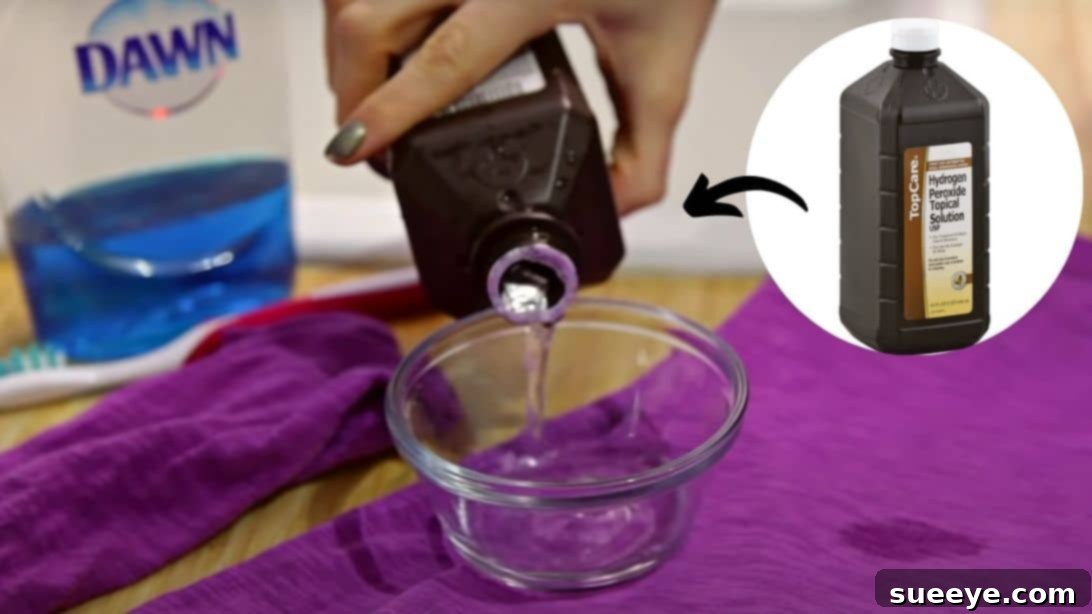
Are you searching for an effective, versatile, and eco-friendly solution to tackle your toughest household cleaning challenges? Look no further than the humble bottle of hydrogen peroxide! Often overlooked, this powerful oxidizing agent is a true cleaning superhero, capable of disinfecting, deodorizing, and lifting stains without the harsh chemicals found in many commercial products. It’s a game-changer for daily chores, making your home sparkle and feel fresh with minimal effort.
Many cleaning enthusiasts, including experts from Clean My Space on YouTube, consistently highlight hydrogen peroxide as an essential item in any natural cleaning arsenal. Its ability to break down into water and oxygen makes it a safer choice for families and the environment, all while delivering exceptional cleaning results. Get ready to transform your cleaning routine as we explore the best and most ingenious ways to incorporate hydrogen peroxide into every corner of your home, ensuring a pristine and sanitized living space.
Harnessing Hydrogen Peroxide: Your Complete Guide to a Cleaner, Healthier Home
Dive into these practical, easy-to-follow methods that will revolutionize the way you clean, offering powerful sanitization and stain removal for a wide array of household items and surfaces. From kitchen essentials to bathroom fixtures and even personal care tools, hydrogen peroxide proves its worth time and time again.
Essential Materials for Effective Hydrogen Peroxide Cleaning
To embark on your journey toward a cleaner home with hydrogen peroxide, gather these basic supplies. Most of these items are likely already in your pantry or cleaning caddy, making these solutions not only effective but also incredibly convenient.
- Hydrogen Peroxide (3% solution): The star of our show, ensure you have a standard 3% solution, commonly found in pharmacies. This concentration is safe and effective for household use.
- Baking Soda: A mild abrasive and deodorizer that pairs perfectly with hydrogen peroxide for tackling tough grime.
- Detergent: Your regular laundry or dish detergent for pre-cleaning or combined washing.
- Soap: A gentle liquid soap (dish soap works well) to create cleaning solutions.
- Water: For dilution and rinsing, essential for many applications.
- Clean Cloths/Sponges: For wiping, blotting, and rinsing. Keep a supply of clean microfiber cloths handy.
- Toothbrush (old): An excellent tool for scrubbing small areas, grout lines, and intricate surfaces.
- Spray Bottle: Invaluable for even application of hydrogen peroxide solutions on various surfaces.
- Bowls/Basins: For soaking items and mixing solutions.
Comprehensive Cleaning Directions: Unlock Hydrogen Peroxide’s Potential
Ready to see hydrogen peroxide in action? Follow these detailed instructions to effectively clean, disinfect, and deodorize various items around your home. Remember to always work in a well-ventilated area and test on an inconspicuous spot first, especially on delicate or colored materials.
Tackling Tough Stains and Spills
Stain Remover for Fabrics and Upholstery
Accidental spills and stubborn stains on carpets, sofas, or mattresses can be a nightmare, but hydrogen peroxide offers a gentle yet powerful solution. Begin by carefully scraping away any solid residue from the stain. Then, blot the affected area with a clean cloth to absorb as much liquid as possible. Prepare a gentle mixture of hydrogen peroxide and a small amount of liquid soap. Using an old toothbrush, gently brush this mixture onto the stain in small, circular motions, working from the outside in to prevent spreading. Allow it to sit for a few minutes, giving the peroxide time to break down the stain. Finally, blot the area with a damp, clean cloth to rinse away the chemical and residue. This method is surprisingly effective on organic stains, often lifting them without damaging delicate fibers. Always perform a patch test on an inconspicuous area first to ensure colorfastness.
Disinfecting Cutting Boards
Cutting boards are a breeding ground for bacteria, especially after handling raw meat or poultry. Keep them hygienic and safe with a simple hydrogen peroxide treatment. After thoroughly washing your cutting board with soap and water, spray its surface generously with undiluted hydrogen peroxide. Allow it to sit for 5 to 10 minutes. During this time, the hydrogen peroxide will work to kill bacteria and neutralize odors. After the dwell time, rinse the board well under running water and let it air dry completely. This quick and effective method ensures your food preparation surfaces are not only visibly clean but also deeply sanitized, protecting your family from foodborne illnesses.
Eliminating Stubborn Garbage Odors
Garbage bins can quickly become sources of unpleasant odors, even after emptying. Hydrogen peroxide provides an excellent way to neutralize these smells and sanitize the bin. First, empty the garbage can and wipe its interior clean with soap and water to remove any visible grime. Once clean, spray the entire interior of the bin generously with hydrogen peroxide. Let it sit for at least 10 minutes to allow the peroxide to break down odor-causing bacteria and fungi. After the treatment, rinse the bin thoroughly with water and wipe it dry with a clean cloth. For persistent odors, you can also sprinkle a layer of baking soda at the bottom of the bin before inserting a new liner.
Effective Blood Stain Removal
Bloodstains, whether from a minor cut or menstrual cycle, can seem daunting to remove, but hydrogen peroxide is incredibly effective due to its oxidizing properties. For fresh bloodstains, act quickly. Pour a small amount of hydrogen peroxide directly onto the stained area. You’ll often see it fizz, which indicates it’s breaking down the blood. Let it sit for just about a minute. The key is not to let it dry. Then, wash the item thoroughly with cold water. Repeat the process as needed until the stain is gone. For dried bloodstains, you might need to apply the peroxide multiple times, blotting with a clean cloth between applications. Always remember to use cold water for rinsing, as hot water can set bloodstains permanently.
Sanitizing Personal and Household Items
Oral Hygiene Tools Sanitization
Maintaining the cleanliness of your oral hygiene tools, such as toothbrushes, retainers, and mouthguards, is crucial for preventing the buildup of bacteria and ensuring good oral health. Over time, these items can harbor germs that contribute to bad breath and infections. To sanitize them effectively, prepare a solution by mixing three parts water with one part hydrogen peroxide in a clean container. Submerge your oral healthcare materials in this mixture and allow them to soak for approximately 30 minutes. The hydrogen peroxide will work to kill bacteria and sterilize the surfaces. After soaking, remove the items and give them a good, thorough rinse under fresh running water before their next use. Regularly sanitizing these tools can significantly improve your oral hygiene.
Cleaning and Sanitizing Kid’s Toys
Children’s plastic toys are constantly handled, dropped, and put in mouths, making them hotspots for germs. Regular sanitization is essential to protect your little ones. To clean and disinfect plastic toys, fill a large bowl or basin with 1 liter of water, then add 1 cup of hydrogen peroxide. Carefully submerge the plastic toys into this diluted solution. Allow them to soak for about 10 minutes. This provides ample time for the hydrogen peroxide to effectively kill bacteria and viruses without causing damage to the plastic. After the soaking period, remove the toys and rinse them thoroughly under clean water. Let them air dry completely before returning them to storage or playtime. This method is a safe alternative to harsh chemical disinfectants.
Enhancing Beauty and Kitchen Hygiene
Deep Cleaning Beauty Tools
Makeup sponges and brushes accumulate makeup residue, oils, and bacteria, making regular cleaning vital for skin health and product longevity. Fortunately, cleaning these tools is made easier with hydrogen peroxide. For sponges, start by giving them a good rub in warm, soapy water to remove most of the makeup. After this initial wash, prepare a soaking solution with three parts water and one part hydrogen peroxide. Submerge your sponges in this mixture and let them soak for approximately 10 minutes. The peroxide will disinfect and lift deep-seated grime. After soaking, rinse them thoroughly under running water until the water runs clear, then squeeze out excess water and let them air dry completely. For makeup brushes, clean them with soapy water as usual, then lightly spray the bristles with hydrogen peroxide. Let it sit for 10 minutes to sanitize, then rinse well and reshape before drying. This two-step process ensures your tools are not just clean, but truly hygienic.
Washing Fresh Produce
Ensuring your fruits and vegetables are clean before consumption is crucial, especially when trying to remove dirt, pesticides, and surface bacteria. Hydrogen peroxide offers a mild and effective way to achieve this. Fill a large bowl with 1 liter of water and add 1 cup of hydrogen peroxide. Gently submerge your fresh produce into this solution. Allow them to soak for about 5 minutes. The peroxide helps to loosen dirt and kill surface germs. After the soaking time, remove the produce and rinse it thoroughly under cold running water. Ensure all traces of the solution are gone before consuming or storing the produce in the fridge. This method helps extend the freshness of your produce while making it safer to eat.
Sanitizing Reusable Shopping Bags
Reusable shopping bags are fantastic for the environment, but they can also become carriers of bacteria from groceries, especially raw meats and unwashed produce. Regular cleaning is a must. To effectively sanitize your reusable bags (especially those made of fabric), simply place them in your washing machine. Add your usual laundry detergent along with 1 cup of hydrogen peroxide to the wash cycle. The hydrogen peroxide will act as a powerful disinfectant and deodorizer, ensuring that any lingering germs are eliminated. After the wash cycle, rinse them well and hang them to air dry completely. For non-washable bags, a spray of hydrogen peroxide followed by a wipe-down can also be effective.
Mastering Tough Bathroom and Grout Challenges
Powerful Grout Cleaner
Grout lines in kitchens and bathrooms are notorious for attracting dirt, mildew, and grime, making them look unsightly and aged. Hydrogen peroxide combined with baking soda creates a formidable paste that can restore your grout’s original luster. In a bowl, mix two parts baking soda with one part hydrogen peroxide to form a thick paste. Using an old toothbrush, generously apply this paste directly onto the grout lines. Scrub vigorously to work the paste into the pores of the grout. Let the mixture sit for about 5-10 minutes to allow the peroxide to oxidize and the baking soda to gently abrade the grime. Finally, rinse the area thoroughly with a damp, clean cloth. You’ll be amazed at how easily the dirt and discoloration lift away, revealing brighter, cleaner grout.
Effortless Toilet Stain Remover
Toilet bowls often fall victim to stubborn mineral deposits, rust stains, and general grime that can be difficult to remove. Hydrogen peroxide provides an excellent, non-toxic solution. Simply pour 1 cup of hydrogen peroxide directly into your toilet bowl. Let it sit for at least 1 to 2 minutes. For tougher stains, you can let it sit for up to 20-30 minutes. The peroxide will begin to break down the stains. After the dwell time, use a toilet brush to scrub the bowl thoroughly, focusing on the stained areas. The stains will lift away much more easily. Finally, flush the toilet to rinse. Regular application of this method will keep your toilet sparkling clean and free from unsightly stains.
As you can see, hydrogen peroxide is an incredibly versatile and effective cleaning agent that deserves a prime spot in your cleaning routine. Its power lies in its simplicity and its ability to disinfect, remove stains, and neutralize odors across countless applications in your home.
Why Choose Hydrogen Peroxide for Your Cleaning Regimen?
Beyond its impressive cleaning capabilities, hydrogen peroxide offers several compelling advantages that make it a superior choice for modern households focused on health and sustainability:
- Eco-Friendly: Unlike many harsh chemical cleaners, hydrogen peroxide breaks down into water and oxygen, leaving no toxic residues behind. This makes it safer for the environment and for your indoor air quality.
- Cost-Effective: A bottle of 3% hydrogen peroxide is incredibly inexpensive and widely available, offering a powerful cleaning solution at a fraction of the cost of specialized cleaning products.
- Versatile: As demonstrated, its applications span from the kitchen to the bathroom, laundry, and even personal care items, making it a true all-in-one cleaner.
- Powerful Disinfectant: It effectively kills bacteria, viruses, and fungi, providing peace of mind, especially in areas prone to germ buildup like cutting boards, toys, and bathrooms.
- Odor Neutralizer: Rather than masking odors, hydrogen peroxide actively breaks down the compounds that cause unpleasant smells, leaving a truly fresh environment.
- Stain Fighter: Its oxidizing properties make it highly effective at lifting organic stains from various surfaces without harsh scrubbing or bleaching.
Important Safety Considerations for Using Hydrogen Peroxide
While hydrogen peroxide is generally safe for household use, it’s crucial to follow a few safety guidelines to ensure a positive and risk-free cleaning experience:
- Ventilation: Always use hydrogen peroxide in a well-ventilated area to avoid inhaling any fumes, especially when using it in confined spaces like bathrooms.
- Skin and Eye Protection: Although 3% hydrogen peroxide is mild, prolonged skin contact can cause irritation. Consider wearing gloves, and always avoid direct contact with eyes. If contact occurs, rinse immediately with plenty of water.
- Patch Test: Before applying hydrogen peroxide to fabrics, carpets, or colored surfaces, always test it on an inconspicuous area first to ensure it doesn’t cause discoloration or damage.
- Storage: Store hydrogen peroxide in its original dark bottle in a cool, dark place, away from direct sunlight, which can degrade its effectiveness. Keep it out of reach of children and pets.
- Do Not Mix: Never mix hydrogen peroxide with other cleaning chemicals, especially bleach or vinegar, as this can create dangerous gases or reactions.
- Concentration Matters: For household cleaning, stick to a 3% hydrogen peroxide solution. Higher concentrations are more potent and can be dangerous if not handled properly.
Embrace the simplicity and effectiveness of hydrogen peroxide in your cleaning regimen. By incorporating these clever methods, you’ll not only achieve a cleaner, more hygienic home but also reduce your reliance on chemical-laden products. A little goes a long way, and the benefits for your home, health, and the environment are immense.
*A special thank you to Clean My Space from YouTube for inspiring many of these fantastic cleaning insights and providing great visual content. Follow their channel for even more brilliant cleaning tips and hacks!