
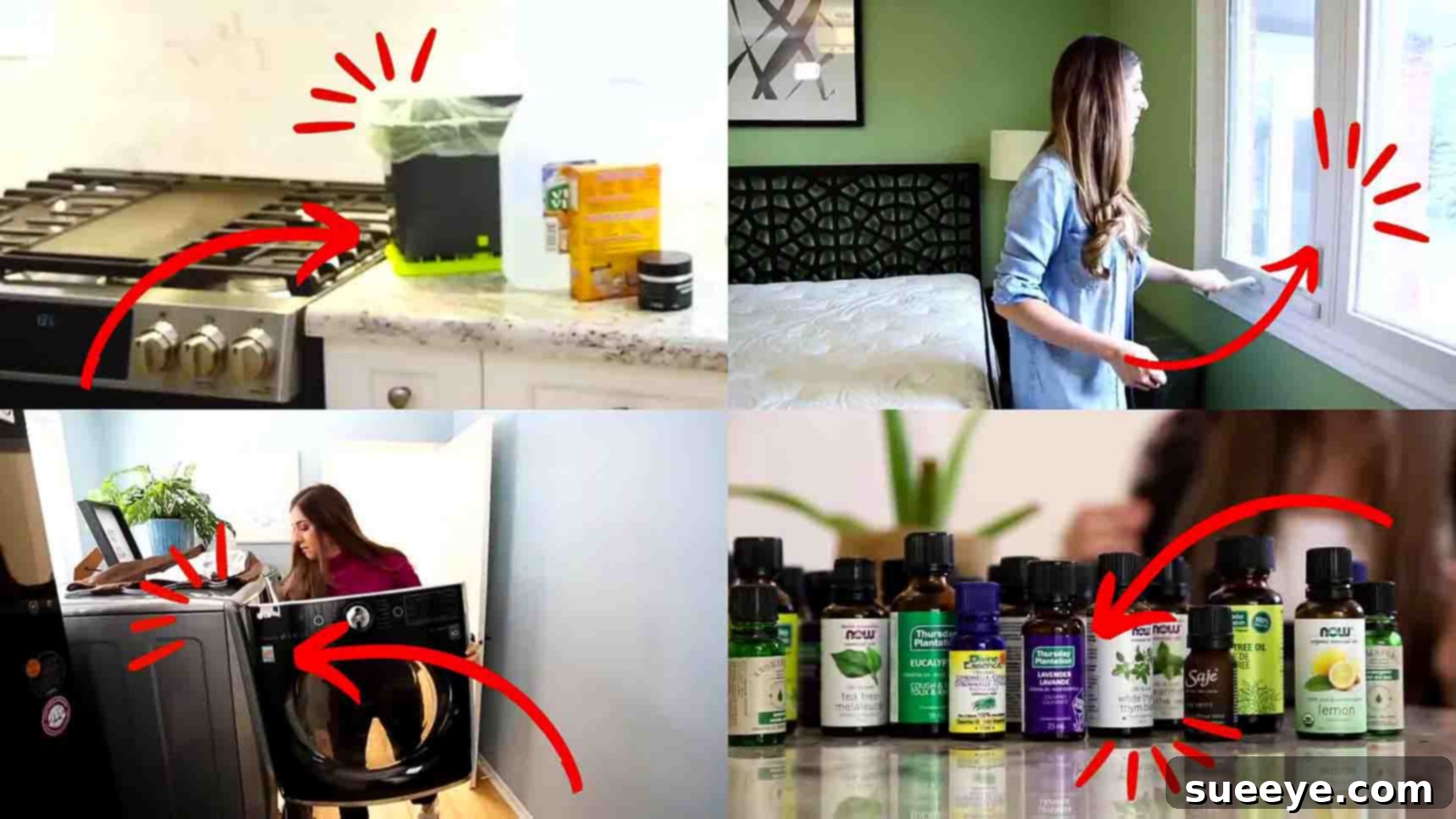
5 Ways To Make Your House Smell Great: A Comprehensive Guide to a Continuously Fresh Home
Keeping a clean home is a constant endeavor, but ensuring it consistently smells inviting can often feel like an even greater challenge. Unpleasant odors can detract from the comfort and ambiance of your living space, making it feel less welcoming for both residents and guests. Fortunately, achieving a perpetually fresh-smelling home doesn’t have to be complicated or expensive. Drawing inspiration from expert tips, we’ll explore five highly effective, budget-friendly strategies that can help you maintain an impeccably fresh atmosphere 24/7. These methods are designed to tackle odors at their source, improve overall air quality, and infuse your home with delightful, natural scents. Get ready to transform your living environment into a haven of freshness with these simple yet powerful approaches.
#1 Eliminate Odors at Their Root: Identify and Address the Source
The fundamental principle of maintaining a fresh-smelling home is to always identify and eliminate the source of any unpleasant odor, rather than simply attempting to mask it. Using air fresheners or scented candles without addressing the underlying problem offers only a temporary solution, allowing the issue to persist and often worsen over time. True freshness comes from dealing with the root cause.
Many common culprits contribute to persistent household odors. Pets, while beloved family members, are frequent sources of smells due to dander, accidents, or their natural scent. Regularly cleaning pet bedding, vacuuming pet hair, and addressing accidents immediately with enzyme cleaners are crucial. Other common sources include:
- Trash Bins: Food waste, especially, can quickly generate foul smells. Ensure you empty trash cans frequently, especially those in the kitchen, and clean the bins themselves with soap and water or a vinegar solution.
- Drains: Kitchen and bathroom drains can accumulate food particles, hair, and soap scum, leading to stagnant water and bacterial growth. Pouring baking soda followed by white vinegar, or using a commercial drain cleaner, can help neutralize these odors.
- Spoiled Food: Forgotten produce in the refrigerator or pantry, or leftovers past their prime, can emit strong, pervasive smells. Conduct regular purges of your fridge and pantry, checking expiration dates.
- Dampness and Mold: Basements, bathrooms, and laundry areas are prone to moisture, which can foster mold and mildew growth. This creates a distinct, musty odor. Address leaks promptly, use dehumidifiers in damp areas, and ensure proper ventilation.
- Dirty Laundry and Shoes: Piles of dirty clothes, especially those with sweat or dampness, can quickly turn a room stale. Similarly, shoes can harbor bacteria and odors. Keep laundry baskets aerated, wash clothes regularly, and air out shoes or use odor absorbers within them.
By meticulously tracking down and addressing these odor sources, you’re not just covering up a problem; you’re actively creating a cleaner, healthier, and genuinely fresh environment.
#2 The Hidden Culprits: Deep Cleaning Soft Surfaces and Fabrics
Soft surfaces throughout your home are often underestimated culprits when it comes to trapping and harboring unpleasant odors. Unlike hard surfaces that can be wiped clean, textiles and fabrics act like sponges, readily absorbing bacteria, dust, dirt, pet dander, food particles, and even airborne pollutants. These accumulated molecules break down over time, releasing the very odors that make a home feel stale. Addressing these “soft traps” is paramount for achieving lasting freshness.
Consider the various soft elements in your living space:
- Bedding: Sheets, pillowcases, duvets, and blankets are constantly exposed to body oils, sweat, dead skin cells, and dust mites. Regular washing (at least weekly for sheets) in hot water is essential. For duvets and heavier blankets, follow care instructions for seasonal washing or dry cleaning.
- Carpets and Rugs: These extensive surfaces are notorious for trapping dirt, dust, pet hair, and allergens. Vacuuming frequently, ideally several times a week, is crucial. For deeper cleaning, consider steam cleaning or using carpet shampooers annually, or more often in high-traffic areas or homes with pets. Sprinkle baking soda over carpets, let it sit for 15-30 minutes, then vacuum to absorb odors.
- Upholstery: Sofas, armchairs, and other upholstered furniture absorb everything from food crumbs to pet odors and body oils. Vacuum upholstery regularly using appropriate attachments. Spot clean spills immediately. For a deeper clean, consider professional upholstery cleaning or using a fabric cleaner designed for your specific material type.
- Window Coverings: Curtains and drapes, especially long ones, can accumulate dust and absorb cooking odors or outdoor pollutants. Check care labels for washing instructions; many can be machine washed, while others may require dry cleaning or a gentle steam clean in place.
- Pillows: Both decorative and sleeping pillows can accumulate dust mites and body odors. Wash pillowcases regularly. For pillows themselves, many can be machine washed and dried on a low setting. Check the care tag to be sure.
- Clothing and Laundry: Allowing dirty laundry to pile up, especially damp items, will quickly create a stale smell in laundry rooms or bedrooms. Keep laundry hampers aerated and wash clothes promptly. Ensure clothes are fully dry before putting them away to prevent mildew.
By regularly cleaning and refreshing these soft surfaces, you effectively remove the odor-causing particles, leaving your home feeling truly clean and smelling wonderfully fresh.
#3 Elevate Your Environment: Improving Indoor Air Quality for Lasting Freshness
Beyond cleaning surfaces, the quality of the air circulating within your home plays a pivotal role in its overall scent and freshness. Stale, stagnant air traps odors and pollutants, making your home feel stuffy and unpleasant. Enhancing indoor air quality is a proactive step towards a continuously fresh and healthy living environment. There are several effective ways to achieve this:
- Natural Ventilation: The simplest and most cost-effective method is to open windows and doors regularly. Creating cross-ventilation by opening windows on opposite sides of your home allows fresh air to flush out stale air. Aim for at least 10-15 minutes a day, even in cooler weather, to significantly reduce indoor pollutants and odors. This is particularly effective after cooking, cleaning, or when the house has been closed up for a while.
- Air Purifiers: For continuous improvement, especially if you live in an urban area, have allergies, or own pets, investing in a high-quality air purifier can make a significant difference. Air purifiers with HEPA filters can capture microscopic particles like dust, pollen, pet dander, and mold spores, while activated carbon filters effectively absorb odors and volatile organic compounds (VOCs). Ensure you choose a model appropriate for your room size and change filters regularly as per manufacturer guidelines to maintain efficiency.
- Dehumidifiers: Excess humidity is a major contributor to musty smells, as it creates an ideal breeding ground for mold and mildew. In damp areas like basements, bathrooms, or laundry rooms, a dehumidifier can dramatically reduce moisture levels, preventing the growth of odor-causing fungi. Aim to keep indoor humidity levels between 30% and 50%.
- Indoor Plants: Certain houseplants are natural air purifiers, absorbing toxins and releasing oxygen. While their impact on large-scale air purification is modest, they certainly contribute to a fresher feel and can absorb some VOCs. Popular choices include Peace Lilies, Spider Plants, Snake Plants, and Boston Ferns.
- HVAC System Maintenance: Your home’s heating, ventilation, and air conditioning (HVAC) system can distribute air throughout your house. Regularly change your HVAC filters (every 1-3 months) to ensure it’s not circulating dust and allergens. Consider having your ducts professionally cleaned every few years.
By proactively managing your indoor air quality, you’re not just masking smells; you’re creating a consistently clean and breathable atmosphere that naturally smells fresh and inviting.
#4 The Power of Simplicity: Harnessing Natural Odor Absorbers
While addressing the source is crucial, sometimes you need a little extra help to neutralize lingering odors. This is where natural, inexpensive, and incredibly effective odor absorbers come into play. Unlike synthetic air fresheners that often just mask smells with stronger artificial fragrances, these natural solutions actually capture and eliminate odor-causing molecules from the air and surfaces. The three champions in this category are white vinegar, baking soda, and activated charcoal.
- White Vinegar: This household staple is an acid that neutralizes alkaline odors, making it incredibly versatile. Its acetic acid component effectively breaks down odor-causing bacteria. While it has a strong scent when first used, this dissipates quickly, taking the bad odors with it.
- Uses: Place small bowls of white vinegar around a room to absorb smoke or cooking odors. Use it diluted (1:1 with water) as a spray for pet accidents on carpets (test first), to clean countertops, or to wipe down stinky trash cans. Pour a cup down drains and let it sit for 30 minutes before flushing with hot water to clear odors. Add a cup to your laundry cycle to freshen clothes.
- Baking Soda (Sodium Bicarbonate): Baking soda is amphoteric, meaning it reacts with both acidic and basic odor molecules, neutralizing them. It’s gentle, safe, and highly effective.
- Uses: Sprinkle baking soda generously on carpets, rugs, and upholstered furniture, let it sit for 15-30 minutes (or longer for deep odors), then vacuum thoroughly. Keep an open box in your refrigerator and freezer to absorb food smells, replacing it monthly. Place small sachets in closets, shoes, or under sink cabinets. Mix with a little water to form a paste for scrubbing smelly surfaces like cutting boards or sinks.
- Activated Charcoal: This highly porous material has an incredible ability to trap and absorb a wide range of odors and toxins from the air. Its large surface area provides numerous microscopic pores that chemically bind with odor molecules.
- Uses: Place bags or containers of activated charcoal (often sold as “bamboo charcoal” for home use) in areas prone to odors, such as basements, garages, pet areas, closets, or near litter boxes. They work silently and effectively. Periodically recharge them by placing them in direct sunlight for a few hours, which releases the absorbed odors and reactivates the charcoal for further use.
By strategically deploying these natural odor absorbers, you can create a truly neutral and fresh foundation for your home’s scent profile, free from unpleasant lingering smells.
#5 Infusing Your Home with Natural Scents: The Art of Essential Oils
Once you’ve diligently identified and eliminated odor sources and enhanced your home’s air quality, you might wish to elevate its ambiance with pleasant aromas. This is where essential oils offer a beautiful, natural, and controllable solution. Unlike synthetic air fresheners, plug-ins, or strongly scented candles that can be overpowering, constant, or even contain harmful chemicals, essential oils provide a more ephemeral and customizable scent experience.
Essential oils are concentrated plant extracts that capture the natural fragrance and beneficial properties of their source. They can be used to subtly enhance your home’s atmosphere, providing therapeutic benefits alongside their delightful scents.
- Controllable Fragrance: One of the key advantages of essential oils is their “ephemeral” nature. They can dissipate fairly quickly, allowing you to control the intensity and duration of the scent. You can choose to diffuse them for a few hours, or simply use a drop here and there, without the continuous, sometimes cloying, presence of synthetic fragrances.
- Versatile Application Methods:
- Diffusers: The most popular method, diffusers disperse a fine mist of water and essential oil into the air, scenting a room beautifully. Ultrasonic diffusers are quiet and effective.
- Room Sprays: Create your own natural room spray by mixing distilled water, a splash of witch hazel (as an emulsifier), and 10-20 drops of your favorite essential oils in a spray bottle. Mist around the house as needed.
- Cotton Balls/Pads: Place a few drops of essential oil on a cotton ball and tuck it into discreet spots – inside trash cans (under the liner), in linen closets, under sofa cushions, or inside shoe cabinets. Replace every few days.
- DIY Cleaning Solutions: Add essential oils to your homemade cleaning sprays (e.g., vinegar and water solutions) for a pleasant scent boost as you clean.
- Carpet Freshener: Mix 10-20 drops of essential oil with a cup of baking soda, sprinkle on carpets, let sit for 15 minutes, then vacuum.
- Popular Essential Oils for Home Freshness:
- Citrus Oils (Lemon, Orange, Grapefruit): Uplifting, energizing, and excellent for neutralizing odors. Lemon, in particular, has strong purifying properties.
- Lavender: Calming, soothing, and promotes relaxation. Great for bedrooms or living areas.
- Peppermint: Invigorating and can help deter pests. Excellent for kitchens or areas needing a mental boost.
- Eucalyptus/Tea Tree Oil: Known for their purifying and antimicrobial properties, great for bathrooms or areas prone to dampness. (Use Tea Tree oil with caution around pets).
- Rosemary: Invigorating and herbaceous, good for focus and mental clarity.
- Pine/Fir Needle: Creates a fresh, “forest-like” aroma, perfect for a natural, clean scent.
Always ensure you use high-quality, pure essential oils and follow safety guidelines, especially if you have pets or young children, as some oils can be toxic if ingested or improperly used. By integrating essential oils thoughtfully, you can add a personalized, natural, and delightful aromatic dimension to your freshly maintained home.
Conclusion: Embrace a Continuously Fresh Home
Achieving a perpetually fresh-smelling home is not an unattainable goal; it’s a result of understanding the root causes of odors and implementing consistent, effective strategies. By diligently identifying and eliminating odor sources, deep cleaning soft surfaces, prioritizing excellent indoor air quality, utilizing powerful natural odor absorbers, and artfully incorporating essential oils, you can transform your living space. These methods are not only easy to integrate into your routine but are also budget-friendly, proving that a wonderfully fragrant home doesn’t require constant masking or expensive solutions. Embrace these holistic approaches to create an inviting, clean, and truly fresh environment that you and your loved ones will cherish.