
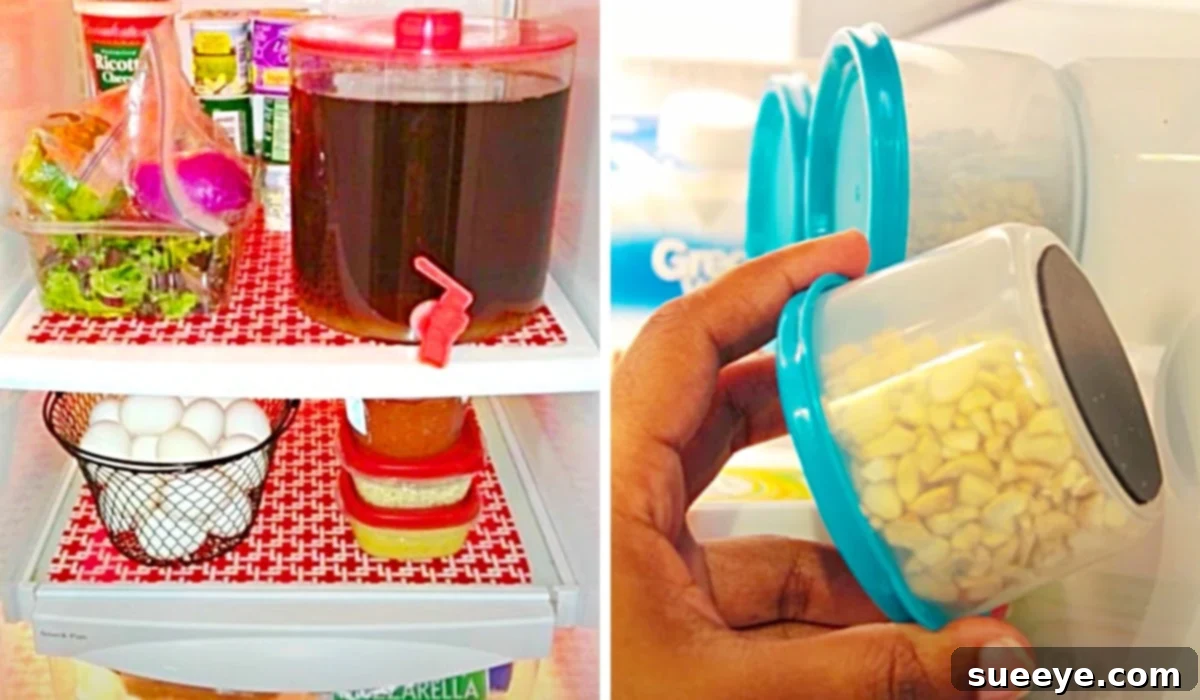
20 Ways To Organize A Fridge: Unlock a Fresher, Healthier Kitchen
Do you often find yourself forgetting about food items hidden deep within your refrigerator, only to discover them spoiled and wasted later? The frustration of buying groceries, only for a significant portion to go bad before you can consume it, is a common household challenge. If this scenario sounds familiar, then the following innovative and practical ideas for refrigerator organization are precisely what you need! When I stumbled upon the incredibly insightful “20 Ways to Organize a Fridge” video tutorial by Simple Home Art Decor on YouTube, my perspective on fridge management was completely transformed. It unveiled a multitude of strategies that empower you to take control of your refrigerator, ensuring your food stays fresh longer and minimizing waste.
The benefits of a well-organized fridge extend far beyond mere aesthetics. While a tidy refrigerator is undoubtedly more pleasing to the eye, its impact on your daily life is profound. It subtly encourages healthier eating habits by making nutritious options more visible and accessible. Furthermore, it saves you money by preventing food spoilage and reducing unnecessary grocery purchases. These fridge transformation ideas are truly life-changing, contributing to a sense of order, efficiency, and overall well-being in your kitchen.
The Power of Smart Storage: Essential Organization Principles
Effective refrigerator organization hinges on a few core principles that, once adopted, will revolutionize how you store and access your food. These methods not only keep your fridge tidy but also optimize food preservation and simplify meal preparation.
1. Master the Art of Compartmentalization with Sealed Containers
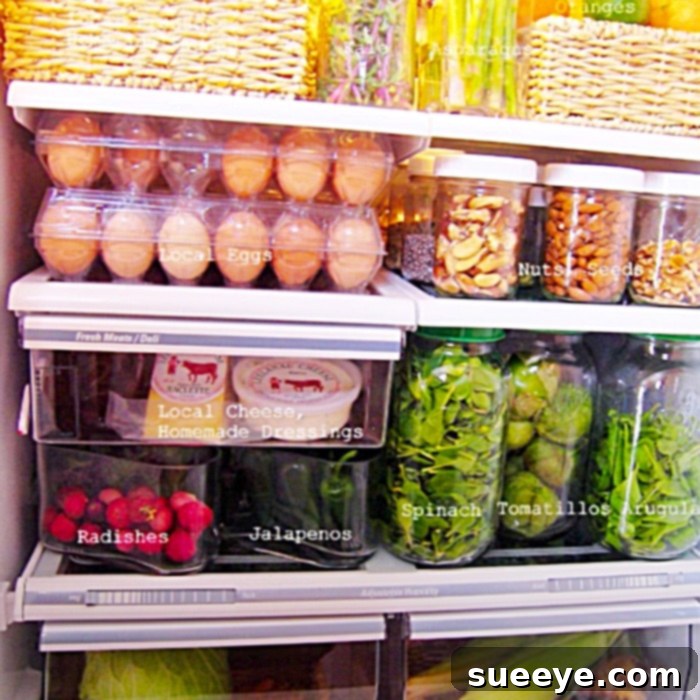
One of the most effective strategies for an organized fridge is to compartmentalize. Investing in a variety of high-quality, airtight containers is a game-changer. These containers, especially those that are clear and stackable, allow you to keep your food neatly separated and in its proper place. They prevent spills, keep odors from mingling, and extend the freshness of your ingredients. Think beyond just leftovers; use them for pre-cut vegetables, fruits, cheese, and even deli meats. By creating distinct zones for different food categories, you ensure that everything has a home, making items easy to find and reducing the chances of food getting lost or forgotten.
2. Embrace Clear Glass Jars for Salad and Seasonal Greens
For fresh produce, particularly leafy greens and prepped salads, glass jars are an absolute must. Investing in glass jars to keep salad and seasonal greens fresh not only enhances visibility but also creates an optimal environment for certain produce. Layering salad ingredients in a jar – dressing at the bottom, then harder vegetables, followed by softer greens, and finally protein or toppings – can keep a salad fresh for days. Beyond salads, these versatile jars are perfect for storing chopped vegetables, berries, herbs, and even homemade dressings. Their transparent nature allows you to instantly see what you have, encouraging you to use fresh ingredients before they spoil. They are also an eco-friendly choice, reducing the need for single-use plastic bags.
3. The “Fridge Photo” Grocery Shopping Hack
Here’s a tip that sounds simple but yields astonishing results: Before heading to the grocery store, take a quick photo of the contents of your fridge. This visual inventory is far more effective than a hastily scribbled grocery list, especially for impulse purchases or forgotten items. You can quickly glance at the photo while shopping, reminding you exactly what you have on hand and what you genuinely need. This one tip alone can significantly reduce food waste by preventing duplicate purchases and ensuring you buy only what will be consumed. Trust me, this step really works, and you absolutely should try it. It’s an incredibly useful tool for smart, efficient grocery shopping.
4. Create Your Own Expiration Date Labels
One of the easiest ways to prevent food waste and ensure food safety is to clearly label everything with expiration dates, or even “use by” dates. In this awesome video tutorial, there is also a great idea to make your own expiration date labels. This simple habit eliminates confusion about the age of your food, allowing you to prioritize what to eat first. You can use masking tape and a marker, pre-printed labels, or even reusable labels for containers. This method is particularly vital for leftovers, opened packages, and fresh produce, ensuring nothing gets overlooked or consumed past its prime. Implementing a “First-In, First-Out” (FIFO) system becomes effortless when every item is clearly dated.

Beyond the Basics: Advanced Fridge Organization Tips
To truly maximize your refrigerator’s potential and maintain an impeccable system, consider integrating these additional strategies into your routine.
5. Establish Dedicated Zones for Every Food Category
Think of your fridge as having distinct neighborhoods. Assign specific shelves or sections for different types of food:
- Top Shelf: Ready-to-eat foods like leftovers, deli meats, and prepped meals. These items don’t require further cooking, so they are safest here.
- Middle Shelves: Dairy products like milk, yogurt, and cheese. Also ideal for eggs (if not stored in the door).
- Bottom Shelf: Raw meat, poultry, and fish. This placement prevents drips from contaminating other foods below. Always store these in sealed containers.
- Crisper Drawers: These are designed to control humidity. One drawer for fruits (lower humidity) and another for vegetables (higher humidity). Remove produce from original packaging if it’s not optimal for storage.
- Door Shelves: Best for condiments, sauces, and drinks. The door is the warmest part of the fridge, so items that are less perishable or contain preservatives do well here.
This zonal approach makes stocking and finding items intuitive, streamlining your kitchen operations.
6. Optimize Vertical Space with Stackable Solutions
Don’t let vertical space go to waste. Utilize stackable clear bins, drawers, and shelf dividers to create additional storage levels and keep smaller items contained. This not only maximizes capacity but also prevents items from getting buried and forgotten. Consider tiered shelving for cans or bottles to keep them visible and accessible.
7. Implement the First-In, First-Out (FIFO) System Religiously
The FIFO principle is critical for reducing waste. When you buy new groceries, place them behind older items of the same type. This ensures that the older food is used first, preventing spoilage. Combine this with your date labels, and you’ll have a foolproof system for rotating your stock.
8. Smart Storage for Fruits and Vegetables
Different produce requires different storage conditions:
- Berries: Store unwashed in a single layer in an airtight container lined with a paper towel. Wash just before eating.
- Leafy Greens: Wash, dry thoroughly, then wrap in a paper towel and store in a sealed bag or container.
- Herbs: Store upright in a glass of water, covered loosely with plastic, or wrapped in a damp paper towel in a bag.
- Apples/Citrus: Store in the crisper drawer.
- Avocados: Ripen on the counter, then move to the fridge to slow ripening.
Knowing these nuances can significantly extend the life of your fresh produce.
9. Organize Condiments and Dressings with Turntables
The door shelves can quickly become a chaotic mess of half-used bottles. Use small lazy Susans (turntables) to organize condiments, making it easy to spin and find what you need without rummaging. Clear bins can also help corral smaller bottles and tubes, preventing them from falling over.
10. Create a “Use First” Bin
Dedicate a specific bin or shelf for items that need to be consumed soon. This could include leftovers from last night’s dinner, produce nearing its prime, or open packages. Place this bin at eye level, ensuring these items are the first things you see when you open the fridge door. This proactive approach drastically cuts down on food waste.
11. The Healthy Snack Zone
Especially in households with children, creating a designated “healthy snack zone” can promote better eating habits. Wash and cut up fruits and vegetables, portion out cheese sticks, or prepare yogurt parfaits and place them in an easily accessible bin or shelf. This makes grabbing a healthy snack as convenient as possible, discouraging less nutritious choices.
Maintaining Your Organized Fridge for Long-Term Success
Organization isn’t a one-time event; it’s a continuous process. To ensure your fridge remains a beacon of order and efficiency, integrate these maintenance tips into your routine:
Weekly Quick Tidy-Up
Once a week, perhaps before your main grocery trip, do a quick inventory and tidy-up. Remove any expired items, wipe down shelves that need it, and consolidate similar items. This prevents buildup and makes larger cleaning tasks less daunting.
Monthly Deep Clean
Every month or two, empty your entire fridge, remove all shelves and drawers, and give everything a thorough clean with a mild soap and water solution. This ensures hygiene and keeps your refrigerator smelling fresh and looking spotless.
The Lasting Impact of a Well-Organized Refrigerator
Embracing these 20 ways to organize your fridge goes far beyond just tidying up. It’s about creating a more functional, healthier, and economically sensible kitchen environment. When your refrigerator is organized, you’ll experience less stress, save money by reducing food waste, and inherently make better choices about what you eat. The transformation is not just physical; it’s a lifestyle upgrade that brings a sense of calm and efficiency to the heart of your home. So, roll up your sleeves, watch the insightful tutorial from Simple Home Art Decor, and embark on your journey to a perfectly organized, life-changing refrigerator!