
Creating a Backyard Bird Sanctuary: The Joy of Birdhouses and Nature
There’s a unique magic in watching birds flit and flutter through your garden, their melodious calls filling the air. For many nature enthusiasts, attracting these feathered friends is a deeply rewarding experience. One of the most effective and charming ways to invite birds to your outdoor space and encourage them to stay is by providing them with a comfortable, safe, and inviting home: a birdhouse. These delightful structures serve as vital shelter, particularly during nesting seasons, ensuring birds have a secure place to raise their young. By offering a cozy haven, you don’t just add a decorative element to your garden; you become an active participant in nurturing local wildlife, creating a vibrant ecosystem right outside your window.
Birdhouses are far more than mere decorations; they are essential components of a bird-friendly garden. They provide protection from predators, shelter from harsh weather elements like rain, wind, and extreme temperatures, and a secluded spot for nesting. When birds discover a suitable birdhouse, they are far more likely to establish territories in your garden and return season after season, offering you an ongoing spectacle of natural beauty and activity. This continuous presence fosters a deeper connection with nature, transforming your backyard into a personal wildlife haven.
Choosing and Crafting the Perfect Birdhouse for Your Garden
Embarking on your birdhouse journey can be an exciting endeavor, offering options for every skill level and preference. You can either purchase ready-made birdhouses or embrace the creative joy of crafting your own. For those who prefer convenience, a vast array of beautiful and functional birdhouses are available at various retailers, from local craft stores like Michael’s to garden centers and online marketplaces. These often come in diverse styles, materials, and sizes, catering to different bird species and aesthetic tastes. They can be incredibly affordable, allowing you to start your collection without a significant investment.
However, for many, the true delight lies in the do-it-yourself (DIY) approach. Crafting a birdhouse allows for complete personalization and ensures it meets both your aesthetic desires and the specific needs of local bird species. Common materials for DIY birdhouses include untreated wood, recycled plastics, or even repurposed items like old teapots or gourds. When selecting or building a birdhouse, consider critical design elements such as the size of the entrance hole (which determines the size of the bird species that can enter), proper ventilation to prevent overheating, and drainage holes at the bottom to keep the interior dry. A removable bottom or side panel is also a practical feature for easy cleaning, which is crucial for maintaining a healthy environment for your feathered tenants.
Unleashing Creativity: Decorating Your Birdhouses
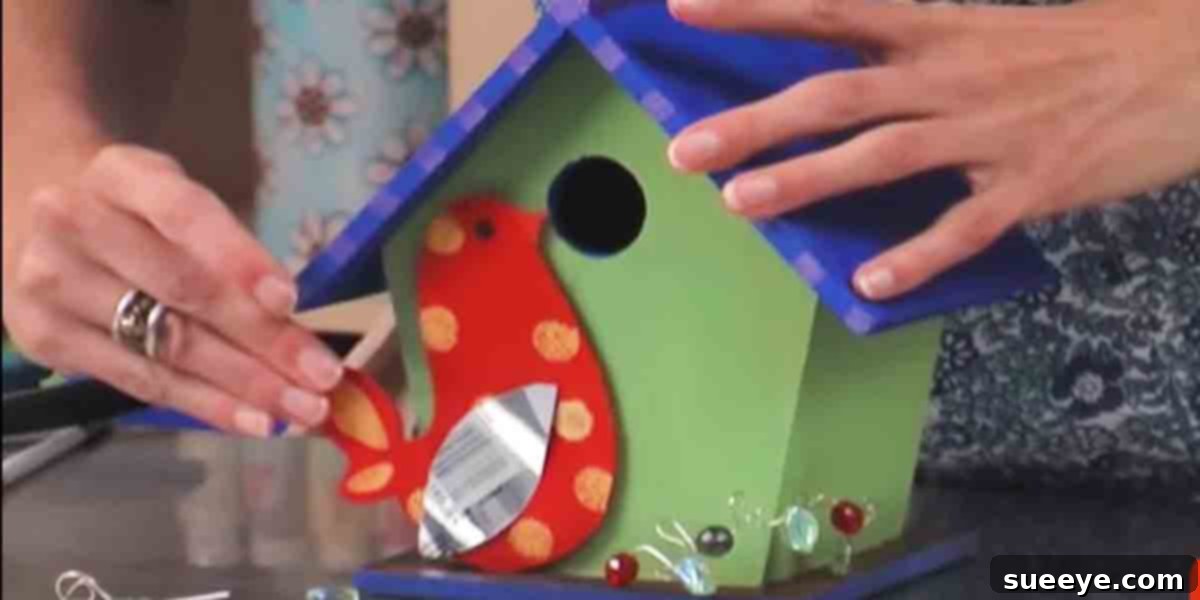
Once you have your birdhouses, either bought or built, the real fun begins: decoration! This is where you can truly let your personality shine and create a piece of art that complements your garden’s aesthetic while still being bird-safe. I have always been drawn to colorful birdhouses and have several hanging on my patio, each painted in bright, cheerful hues. These vibrant additions have truly transformed my outdoor space, infusing it with joy and an inviting atmosphere. The impact of color is undeniable; it can lift spirits and create a wonderfully bright spot for relaxation and enjoyment.
My passion for birdhouse decoration started with making them for my Mother. Her patio, once lovely, became infinitely more lively and engaging with the addition of these whimsical homes. The transformation was remarkable, highlighting just how much visual appeal and character color can bring. For one of her birdhouses, I ventured into a bold leopard print with a crisp white background and striking red trim, proving that birdhouses can be as stylish and unique as any other garden ornament. I also sourced some charming birdhouses with tin roofs and hand-painted flowers from various stores, which added to her eclectic collection.
Among all the creations, my absolute favorite was a birdhouse I adorned with a stunning mosaic. I meticulously broke up old china pieces and carefully arranged them to cover the entire structure. The result was absolutely beautiful, showcasing a blend of craftsmanship and artistic expression. Other popular decoration techniques include:
- Painting: Beyond solid colors, consider intricate patterns, floral motifs, or even landscape scenes. Always use non-toxic, outdoor-grade acrylic paints to ensure they are safe for birds and weather-resistant.
- Stenciling: Use stencils to create repeating patterns, bird silhouettes, or decorative borders.
- Decoupage: Apply weather-resistant paper or fabric cutouts to create unique collages.
- Adding Trimmings: Incorporate natural elements like small twigs, dried moss, or even tiny pebbles. Be mindful not to use anything that could pose a choking hazard or become tangled for birds.
- Mixed Media: Combine different elements like paint, small beads (secured firmly), or even miniature ceramic pieces for a textured look.
There are countless tutorials available, such as those from craft brands like Plaid Crafts, that can guide you through specific painting techniques and elaborate decoration processes, helping you create your own stunning birdhouse masterpieces.
Strategic Placement and Mindful Maintenance for a Thriving Bird Community
Decorating your birdhouse is just one part of the equation; its placement significantly impacts its success in attracting birds. To ensure your bird tenants are safe and comfortable, choose a location that offers protection from predators and harsh weather. Ideally, birdhouses should be mounted on a pole or hung from a sturdy branch, out of reach of cats and other ground predators. Placing a baffle below the birdhouse can further deter climbers. Partial shade is often preferred, as it keeps the birdhouse from overheating in direct sunlight, especially during hot summer months. Ensure the entrance hole faces away from prevailing winds to protect young nestlings from drafts. Visibility is also key – position the birdhouse where you can easily observe the comings and goings of its occupants, allowing you to enjoy the full spectacle of nature.
Beyond initial placement, regular maintenance is crucial for the health and safety of your garden birds. Birdhouses should be cleaned at least once a year, preferably in late autumn after the nesting season has concluded, or in early spring before new nests are built. Remove old nesting material, disinfect the interior with a mild bleach solution (diluted 1 part bleach to 9 parts water), and rinse thoroughly. Allow the birdhouse to dry completely before re-hanging. This prevents the buildup of parasites, bacteria, and mold, ensuring a clean and hygienic environment for future broods. Regularly inspect your birdhouses for any damage or wear and tear, making repairs as needed to maintain their structural integrity.
The Profound Joys of Bird Watching and Nurturing Nature
My birdhouse collection has been home to several nests over the years, and each time, it brings an immeasurable amount of joy and wonder. There’s nothing quite like the experience of watching parent birds meticulously feed their hungry babies, seeing the rapid growth of the nestlings, and then, the bittersweet moment of watching them learn to fly and fledge. These intimate glimpses into the natural world are incredibly enriching and provide a profound sense of connection to the life around us.
Starting your own birdhouse collection is an invitation to experience these beautiful aspects of nature firsthand. In our often-stressful lives, finding moments of peace and simple pleasure is invaluable. For me, watching the birds, observing their routines, and witnessing the miracles of their lives brings a consistent smile to my face and a deep sense of tranquility. It’s a reminder of the delicate balance of our ecosystem and the importance of preserving habitats for all creatures.
Beyond personal enjoyment, attracting birds to your garden offers numerous ecological benefits. Birds are natural pest controllers, consuming vast numbers of insects, slugs, and snails that might otherwise damage your plants. Many species also play a vital role in pollination and seed dispersal, contributing to the health and biodiversity of your garden. By providing birdhouses, along with other amenities like bird feeders and a reliable water source (a bird bath), you are actively creating a thriving ecosystem that benefits both nature and yourself.
Embrace the journey of becoming a steward of your backyard wildlife. Whether you choose to craft elaborate mosaic birdhouses, paint them in a symphony of bright colors, or simply purchase a few charming abodes, the act of inviting birds into your space is an incredibly rewarding endeavor. It’s an opportunity to slow down, observe, and connect with the world in a meaningful way. So, go ahead, start your birdhouse collection today and prepare to be enchanted by the magic of nature unfolding right on your patio or in your garden.