
Build Your Own DIY Cat Tree: The Ultimate Guide to Feline Fun and Furniture Savings
Every cat owner knows the unique joy and occasional challenges that come with sharing a home with a feline friend. Cats are naturally curious, agile, and possess a fascinating set of instincts that drive their behavior. Among these, the urge to climb, scratch, and observe their territory from a high vantage point is paramount. While providing for these needs is essential for a happy, healthy cat, commercially available cat trees and scratchers can often come with a hefty price tag, sometimes running into hundreds of dollars.
Imagine being able to provide your cherished companion with the ultimate play and relaxation haven, tailored to their preferences and your home’s aesthetics, all while keeping your budget intact. Building a DIY cat tree is not just a rewarding project; it’s a savvy solution that transforms leftover materials into a personalized paradise for your pet. This comprehensive guide will walk you through the undeniable benefits, essential components, and inspiring possibilities of creating your very own custom cat furniture.
Why Every Cat Needs a Cat Tree and Scratcher
Cats are not just cute companions; they are miniature predators with deeply ingrained natural behaviors. Understanding these behaviors is key to ensuring their well-being and preventing destructive habits in your home. A well-designed cat tree serves as a multifaceted solution, addressing several core feline needs:
1. Satisfying the Urge to Scratch
Scratching is far more than just sharpening claws; it’s a vital instinct for cats. It helps them stretch their muscles, shed the outer layers of their claws, mark their territory (both visually and with scent glands in their paws), and relieve stress. Without an appropriate outlet, your expensive sofa, curtains, or carpets often become the unfortunate targets. A dedicated scratch post or scratching surface on a cat tree redirects this natural behavior to an approved spot, saving your furniture and your sanity.
2. Providing a High Vantage Point
In the wild, cats climb trees to survey their surroundings, spot potential prey, and escape from predators. This instinct translates indoors into a desire for elevated spaces. A cat tree offers a safe, high perch from which your cat can observe their “territory” (your home) without feeling vulnerable. This sense of security and control significantly reduces stress and enhances their overall happiness, especially in multi-pet households or homes with active children.
3. Encouraging Exercise and Play
Indoor cats, in particular, can easily become bored and inactive, leading to weight gain and behavioral issues. A multi-level cat tree with various platforms, hideaways, and climbing poles encourages physical activity, mimicking the challenges of climbing and exploring. It provides an engaging environment that stimulates their minds and bodies, preventing boredom and promoting a healthier lifestyle.
4. Offering a Safe Retreat
Sometimes, even the most sociable cat needs a quiet space to retreat, nap, or simply feel safe. Many cat tree designs incorporate enclosed condos or cozy cubbies that offer a sense of security and privacy. These secluded spots are perfect for napping undisturbed or observing the household commotion from a safe distance.
The Cost-Effective Solution: Building Your Own DIY Cat Tree
The sticker shock of commercial cat trees is a common deterrent for many pet owners. However, the good news is that creating a high-quality, durable, and aesthetically pleasing cat tree doesn’t have to break the bank. With a little creativity, some basic DIY skills, and a lot of love for your feline friends, you can construct a personalized piece of pet furniture that rivals store-bought versions.
Benefits of DIY Cat Tree Construction:
- Significant Financial Savings: The most obvious benefit. By utilizing materials you might already have or sourcing inexpensive alternatives, you can drastically cut down the cost compared to purchasing a new unit.
- Unmatched Customization: Store-bought cat trees come in standard sizes and designs. When you build your own, you have complete control. Design it to fit your specific space, match your home decor, and cater precisely to your cat’s size, age, and personality. Does your cat love to climb? Add more vertical poles. Is your cat a napper? Include extra cozy platforms and enclosed spaces.
- Superior Durability and Safety: You choose the materials, ensuring they are sturdy, non-toxic, and built to last. You can reinforce connections and build a solid base, addressing common complaints about the flimsiness of some commercial cat trees.
- Eco-Friendly Approach: Repurpose and recycle! Leftover carpet remnants, sturdy cardboard tubes, unused plywood, or even old furniture can be given a new life as part of your cat’s new favorite spot. This reduces waste and gives you a sense of pride in your sustainable project.
- A Rewarding Bonding Experience: There’s immense satisfaction in creating something with your own hands, especially when it’s for a beloved pet. Watching your cat enjoy a structure you built specifically for them is a truly heartwarming experience that strengthens your bond.
Essential Components for a Great DIY Cat Tree
Before you start building, it’s helpful to consider the key elements that make a cat tree functional, safe, and appealing to your cat. A well-rounded cat tree typically includes:
- A Sturdy Base: This is arguably the most critical component. The base must be wide and heavy enough to prevent the entire structure from toppling over, especially when your cat jumps or plays vigorously. Plywood or MDF are excellent choices for the base.
- Scratching Surfaces: Incorporate various scratching materials to give your cat options. Sisal rope wrapped around posts is a classic choice and highly favored by cats for vertical scratching. Carpet remnants, rough fabric, or even corrugated cardboard can be used for horizontal or angled scratching surfaces.
- Perches and Platforms: Provide multiple levels for climbing, sitting, and observing. Ensure these platforms are large enough for your cat to comfortably lie down and turn around. Cover them with soft, comfortable materials like fleece, faux fur, or your leftover carpet for warmth and appeal.
- Climbing Poles: These are the vertical supports that connect the different levels. Made from sturdy wooden posts or even large cardboard tubes, they provide structure and can double as scratching posts if wrapped with sisal.
- Enclosures or Condos: A small, enclosed space offers a sense of security and privacy. This can be a simple box-like structure integrated into one of the levels, providing a dark, cozy hideaway.
- Dangling Toys (Optional but Recommended): Attach some cat-safe toys, feathers, or ropes to the platforms. These additions enhance playtime and provide extra mental stimulation.
Gathering Your Materials and Tools
One of the best aspects of a DIY cat tree is the potential to use repurposed materials. Here’s a list of common items you might need:
Materials:
- Wood: Plywood (for bases and platforms), 2x4s or similar lumber (for vertical supports), or even sturdy cardboard tubes (for lighter structures).
- Covering Material: Leftover carpet (ideal for grip and scratching), fleece blankets, faux fur fabric, upholstery fabric.
- Scratching Material: Sisal rope (the thicker, the better), untreated carpet scraps, heavy-duty cardboard.
- Fasteners: Wood screws (various lengths), L-brackets, heavy-duty staples, wood glue.
- Misc: Cat-safe toys, PVC pipes (for connecting sections or creating tunnels).
Tools:
- Measuring Tape and Pencil: For accurate measurements.
- Saw: Jigsaw, circular saw, or hand saw for cutting wood.
- Drill: For pre-drilling holes and driving screws.
- Staple Gun: For attaching fabric and carpet.
- Utility Knife: For cutting carpet and fabric.
- Screwdriver: For manual adjustments.
- Safety Gear: Gloves, safety glasses.
Planning and Designing Your Cat Tree
Before you grab your tools, take some time to plan your design. This is where the “custom” aspect truly shines:
- Assess Your Space: Where will the cat tree go? Measure the available floor space and height.
- Consider Your Cat’s Habits: Does your cat love to climb to the ceiling? Or do they prefer cozy, low-level spots? Are they heavy scratchers? Design with their unique personality in mind.
- Sketch It Out: Draw a few different designs. Include dimensions for each level, post heights, and platform sizes. This will help you visualize the finished product and calculate the materials needed.
- Prioritize Stability: Always err on the side of caution when it comes to the base and overall construction. A wobbly cat tree is not only unsafe but also off-putting for cats.
Getting Started: A General Workflow
While specific steps will vary depending on your design, a typical DIY cat tree project follows these general stages:
- Cut all Wood Components: Based on your design, precisely cut the base, platforms, and vertical posts.
- Assemble the Main Frame: Securely attach the vertical posts to the base using screws and L-brackets. Ensure everything is plumb and stable.
- Add Platforms: Attach the perches and platforms at your desired heights. Again, use screws and brackets for maximum stability.
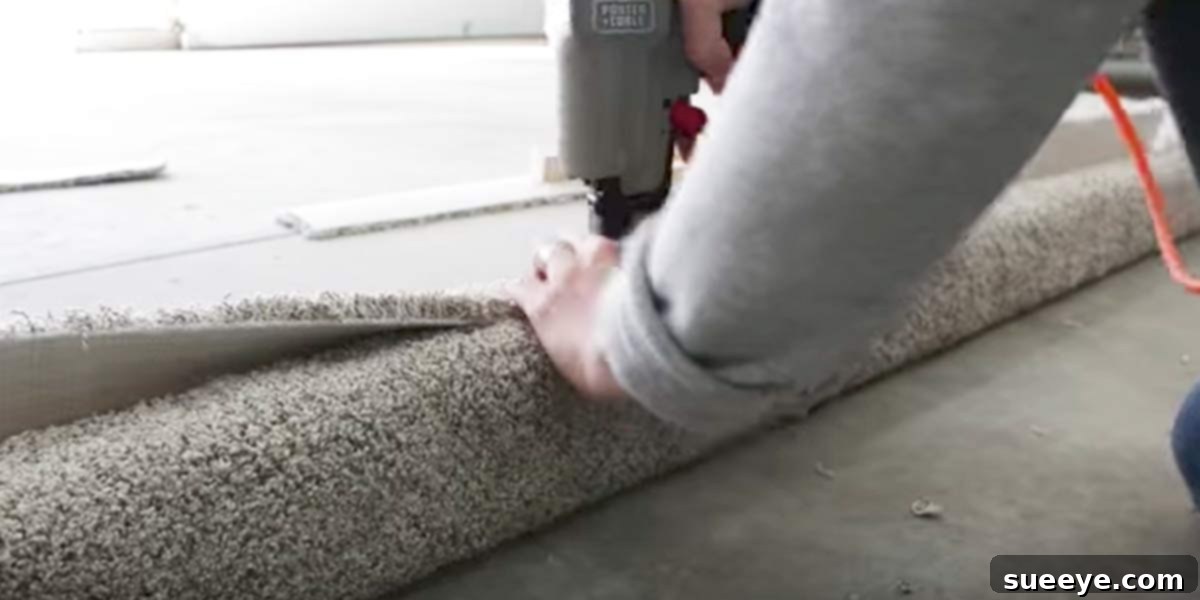
- Apply Covering Materials: Wrap posts with sisal rope, securing the ends with heavy-duty staples or glue. Cover platforms and bases with carpet remnants or fabric, using a staple gun to secure them neatly on the underside.
- Integrate Special Features: Add any enclosures, dangling toys, or other unique elements.
- Perform a Safety Check: Once assembled, give the cat tree a good shake. Check for any loose parts, sharp edges, or protruding staples/screws. Sand down rough spots if necessary.
Many online resources, including video tutorials from experienced DIY enthusiasts, can offer detailed, step-by-step visual guidance for various cat tree designs. Watching these can be incredibly helpful for visualizing the process and picking up practical tips and tricks.
Tips for a Successful DIY Project
- Safety First: Always wear appropriate safety gear (gloves, eye protection) when using power tools.
- Measure Twice, Cut Once: Accuracy saves material and frustration.
- Don’t Rush: Take your time with each step to ensure a sturdy and well-finished product.
- Consider Your Cat’s Weight: Build a structure robust enough to support your cat’s weight, especially if they are a larger breed or an active jumper.
- Cleanliness: Ensure all wood is smooth and free of splinters before covering. Use non-toxic adhesives.
- Placement Matters: Once built, place your cat tree in a spot where your cat will naturally want to use it – perhaps near a window for bird watching, or in a central living area where they can observe family activities.
Conclusion: A Happier Cat, A Happier Home
Building a DIY cat tree is an incredibly rewarding endeavor that offers a multitude of benefits for both you and your feline companion. It’s a fantastic way to save money, unleash your creativity, and most importantly, provide your cat with a stimulating, safe, and comfortable environment that caters to their natural instincts. From protecting your furniture to encouraging exercise and offering a secure sanctuary, a homemade cat tree is a powerful tool for enhancing your cat’s quality of life.
So, gather your materials, envision your cat’s dream playground, and embark on this fulfilling project. The joy you’ll see in your cat’s eyes as they explore their new, custom-built domain will be well worth the effort. Give your fur babies the gift of adventure, comfort, and their very own personal kingdom – they’ll thank you with purrs and endless affection!