
Build Your Own Backyard Fire Pit: A Timeless DIY Project for Outdoor Living
Imagine cool summer evenings, crisp autumn nights, or even mild winter days, gathered around a warm, flickering flame with your loved ones. There’s an undeniable, primal allure to an open fire, a magnetic draw that fosters conversation, laughter, and a profound sense of connection. This isn’t just a nostalgic dream; it’s a tangible reality that can be created in your own backyard with a surprisingly simple and rewarding DIY project: building a custom fire pit. It’s a home improvement endeavor that transcends mere aesthetics, offering a lifetime of memories and a truly invaluable addition to your outdoor living space.
Many homeowners dream of enhancing their outdoor areas, transforming them into inviting extensions of their homes. A backyard fire pit stands out as a prime candidate for achieving this goal. It serves not only as a functional source of warmth but also as a captivating focal point that elevates your garden or patio into a true entertainment and comfort zone. Forget the complexities you might imagine; building a stone fire pit or a paver fire pit is often more straightforward than you think, making it an accessible project for enthusiastic DIYers.
The Irresistible Charm of an Outdoor Fire Pit
Our modern lives often keep us indoors, but the desire to connect with nature and enjoy fresh air remains strong. An outdoor fire pit provides the perfect excuse to step outside, encouraging relaxation and social interaction. Whether it’s the gentle crackle of burning wood, the mesmerizing dance of the flames, or the comforting warmth it emanates, a fire pit creates an ambiance that is hard to replicate. It transforms an ordinary evening into something special, fostering an atmosphere of coziness and welcome.
For generations, people have congregated around fires – sharing stories, preparing food, and simply enjoying each other’s company. This tradition continues to thrive today, with a backyard fire pit acting as the contemporary hearth of your outdoor domain. It’s more than just a source of heat; it’s a catalyst for memorable moments, from roasting marshmallows with children to deep conversations with friends under the starry sky.
Beyond Warmth: Key Benefits of Adding a DIY Fire Pit to Your Home
The advantages of installing a backyard fire pit extend far beyond simply providing warmth. This versatile addition offers a multitude of benefits that enhance both your lifestyle and your property’s appeal:
- Unmatched Ambiance and Atmosphere: The soft, flickering light and radiant heat create an incredibly inviting and relaxing atmosphere. It’s perfect for unwinding after a long day or setting the mood for a special occasion.
- An Entertainment and Social Hub: A fire pit naturally becomes the center of attention during outdoor gatherings. It encourages guests to relax, socialize, and engage in shared activities like s’mores making or simply enjoying the company. It’s an ideal spot for barbecues, refreshing drinks, and memorable night gatherings.
- Extends Your Outdoor Living Season: Don’t let cooler temperatures chase you indoors. A fire pit allows you to comfortably enjoy your patio or garden well into the cooler months of autumn and early spring, significantly extending your outdoor living season. Even on cool summer evenings, when breezes can make being outside less pleasant, the warmth of a fire pit is invaluable.
- Boosts Property Value and Curb Appeal: A well-designed and safely built fire pit is a highly desirable feature for prospective homebuyers. It adds a touch of luxury and sophistication to your outdoor space, making your home stand out and potentially increasing its market value. It’s a smart investment in both enjoyment and equity.
- Promotes Relaxation and Stress Reduction: There’s something inherently therapeutic about watching a fire. The rhythmic crackle and mesmerizing flames can have a calming effect, helping to reduce stress and promote a sense of well-being. It’s an ideal spot for quiet contemplation.
- Versatility for Various Activities: Beyond just warmth, many fire pits can be equipped with grates for simple outdoor cooking, offering another dimension to your backyard entertainment.
The DIY Advantage: Why Build Your Own Fire Pit?
While professional installation is an option, the appeal of a DIY fire pit project is undeniable. There’s immense satisfaction in creating something beautiful and functional with your own hands. This project is often more accessible than many assume, making it a popular choice for weekend warriors and home improvement enthusiasts alike.
Opting for a DIY approach provides several key benefits:
- Cost Savings: By sourcing materials yourself and providing the labor, you can significantly reduce the overall cost compared to hiring contractors.
- Customization: You have complete control over the design, size, materials, and placement, ensuring your fire pit perfectly matches your aesthetic preferences and backyard layout.
- Personal Accomplishment: The pride of completing a significant home improvement project yourself is incredibly rewarding. You’ll enjoy your fire pit even more knowing you built it.
- Timeliness: Many basic fire pit designs can indeed be completed in a single weekend, or even just a few hours of focused work, delivering instant gratification.
Planning Your Dream Fire Pit: Essential Considerations Before You Start
Before you lay the first stone, careful planning is crucial for both safety and satisfaction. Taking the time to consider these aspects will ensure your DIY fire pit is a lasting success:
- Location, Location, Location: This is perhaps the most critical decision. Your fire pit must be placed a safe distance from your home, fences, trees, shrubs, and any other combustible structures. A general guideline is at least 10-20 feet, but always consult local fire codes. Choose a level, stable area, preferably away from overhead branches or low-hanging power lines.
- Size and Design: Consider the size of your backyard and the number of people you typically expect to gather around the fire. A larger pit might be great for big parties, while a smaller one is perfect for intimate family evenings. Think about the overall aesthetic – do you prefer a rustic stone look, a modern concrete paver design, or something else? Circular fire pits are classic, but square or rectangular designs are also popular.
- Material Selection: The materials you choose will impact the look, durability, and cost of your fire pit.
- Concrete Pavers or Retaining Wall Blocks: These are popular choices for DIY projects due to their ease of stacking, uniformity, and affordability. They often don’t require mortar for basic designs.
- Natural Stones: Offer a beautiful, organic, and rustic aesthetic. They may require more skill in stacking and possibly mortar for stability. Ensure they are dense, non-porous stones suitable for heat.
- Fire Bricks and Steel Rings: Essential for the interior of any wood-burning fire pit. Fire bricks (refractory bricks) can withstand extreme temperatures and protect the outer structure, while a steel fire pit ring provides additional containment and structural integrity.
- Gravel or Sand: Used for the base to ensure proper drainage and a stable foundation.
- Fuel Type: Will your fire pit be wood-burning or gas-powered? This guide focuses on wood-burning DIY projects, which are generally simpler to construct. Gas fire pits require plumbing and professional installation for safety.
- Local Regulations and Permits: Before starting any outdoor construction, always check with your local municipality or homeowner’s association. There might be specific regulations regarding fire pit size, placement, fuel type, and whether a permit is required. Compliance ensures your project is safe and legal.
A Glimpse into the DIY Fire Pit Construction Process
While specific steps vary depending on your chosen design and materials, the general process for building a DIY fire pit often involves these key stages. For detailed, step-by-step instructions, resources like “This Old House” offer excellent tutorials, providing visual guidance and expert tips to ensure your project’s success.
- Site Preparation: Clear the chosen area of any debris, grass, or roots. Dig out a circular (or desired shape) trench for the foundation, ensuring it is level.
- Creating a Stable Base: Fill the excavated area with several inches of crushed gravel, compacting it thoroughly. This provides excellent drainage and a firm foundation for your fire pit.
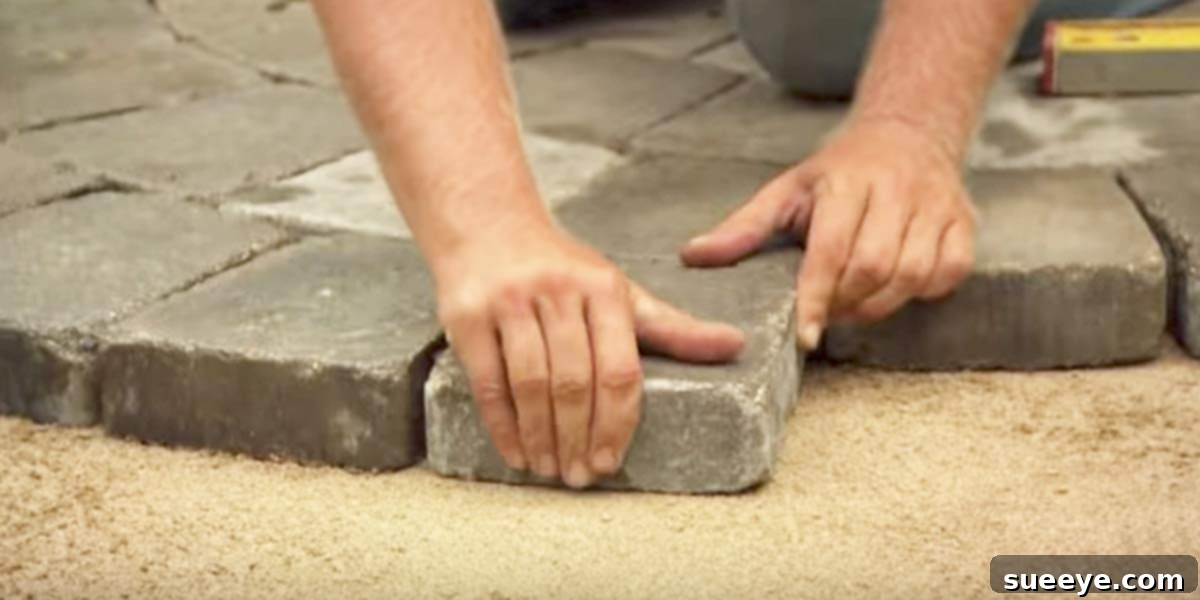
- Laying the First Course: Begin laying your chosen pavers or stones around the perimeter of your base. Use a level to ensure each piece is perfectly horizontal and flush with its neighbors. The first course is critical for the overall stability of the structure.
- Building the Walls: Continue stacking your blocks or stones, offsetting each successive course to create a stronger, interlocked structure. If using mortar, apply it between courses. Consider incorporating a metal fire pit ring or fire bricks on the interior to protect the outer structure from intense heat and prolong its lifespan.
- Adding a Capstone (Optional but Recommended): A capstone or a decorative top layer of larger, flatter stones can provide a finished look, a convenient surface for drinks, and added stability to the structure. Secure these with construction adhesive.
- Finishing Touches: Fill the interior with a layer of gravel to promote drainage beneath the fire, and ensure all tools are cleaned and stored.
Essential Tools and Materials for Your Fire Pit Project
Gathering your tools and materials before you begin will streamline the construction process:
Materials:
- Landscaping stones, concrete retaining wall blocks, or natural stones (quantities based on size and design)
- Fire bricks (for lining the interior, highly recommended)
- Steel fire pit ring insert (optional but adds durability and safety)
- Crushed gravel (for the base)
- All-purpose sand (for leveling, if needed)
- Construction adhesive or mortar (depending on block type and design)
Tools:
- Shovel and/or spade
- Tape measure
- Level (long and torpedo levels are helpful)
- Rubber mallet
- Safety glasses and work gloves
- Wheelbarrow (for moving materials)
- Trowel (if using mortar)
- Tamper (for compacting gravel)
Prioritizing Safety: A Non-Negotiable Aspect of Fire Pit Ownership
While a fire pit brings immense joy, safety must always be your top priority. Adhering to strict safety guidelines protects your home, your loved ones, and your surroundings:
- Maintain Clearances: As mentioned, ensure adequate distance from structures, overhanging branches, and anything flammable.
- Always Have a Water Source/Extinguisher Nearby: Keep a bucket of water, a garden hose, or a fire extinguisher readily accessible to quickly douse any stray sparks or embers.
- Never Leave a Fire Unattended: A burning fire should always be supervised by a responsible adult.
- Monitor Wind Conditions: Avoid using your fire pit on windy days, as embers can easily be carried and ignite nearby vegetation.
- Burn Only Approved Materials: Use dry, seasoned firewood. Never burn trash, plastics, treated wood, or flammable liquids like gasoline or lighter fluid. These can release toxic fumes or cause explosive flare-ups.
- Supervise Children and Pets: Establish a clear safety zone around the fire pit and ensure children and pets understand and respect these boundaries.
- Completely Extinguish Fires: Before leaving the area, ensure the fire is completely out and cold to the touch. Stir ashes with water to ensure no hidden embers remain.
Enhancing Your Fire Pit Experience: Accessories and Maintenance
Once your DIY fire pit is complete, you can further enhance its functionality and comfort with thoughtful accessories and proper maintenance:
- Comfortable Seating: Surround your fire pit with comfortable, weather-resistant seating such as Adirondack chairs, benches, or built-in seating walls to create an inviting gathering area.
- Fire Pit Tools: A poker, shovel, and tongs are essential for managing the fire safely and efficiently.
- Cooking Accessories: A grill grate can transform your fire pit into a versatile cooking station for hot dogs, burgers, or even a simple pot of chili. Roasting sticks are a must-have for s’mores and hot dogs.
- Protective Covers: A durable cover will protect your fire pit from rain, snow, and debris, prolonging its life and keeping it ready for use.
- Regular Cleaning: Periodically remove ash and debris from the fire pit bowl. Inspect the structure for any signs of wear or damage and address them promptly.
A Lifetime of Memories: The Enduring Value of Your DIY Fire Pit
Building a backyard fire pit is more than just a construction project; it’s an investment in your lifestyle, your home, and your happiness. It’s a space where family traditions are forged, friendships are strengthened, and everyday stresses melt away under the stars. The satisfaction of having built this focal point yourself only adds to its value, creating a deeper connection to your outdoor oasis.
So, give this fabulous idea some serious thought, gather your materials, and embark on a DIY adventure that promises to enrich your home for years to come. You’ll be so glad you did!