
Prepare to be amazed! These ingenious vinegar hacks are absolute game-changers, designed to simplify your daily life and revolutionize your home cleaning routine. Once you discover the incredible versatility and effectiveness of vinegar, you’ll wonder how you ever managed without it. This humble pantry staple is truly a miracle solution, offering a natural, affordable, and eco-friendly alternative to countless chemical products. Get ready to embrace a cleaner, fresher, and more streamlined home with these brilliant tips!
1. Natural Sink Unclogger: The Vinegar and Baking Soda Power Duo
There’s nothing more frustrating than a slow-draining or completely clogged sink. Before you reach for harsh, corrosive chemical drain cleaners, try this simple, powerful, and natural method. The dynamic reaction between baking soda and vinegar can cut through grease, grime, and minor blockages, leaving your pipes clear and free-flowing. This technique is not only effective but also much safer for your plumbing and the environment.
How to Unclog Your Sink Naturally:
- Step 1: Pour half a cup to a full cup of baking soda directly down the clogged drain.
- Step 2: Follow immediately with an equal amount of white distilled vinegar. You’ll hear a fizzing sound, which is the chemical reaction at work, breaking down the clog.
- Step 3: Cover the drain with a plug or a cloth to trap the expanding foam and allow it to work its magic for at least 30 minutes, or even better, overnight for tougher clogs.
- Step 4: After the waiting period, flush the drain with a kettle full of hot (not boiling) water. The combination of the fizzing action and hot water will help clear the blockage, restoring your sink’s drainage.
This method is fantastic for maintenance and light clogs, offering a gentle yet powerful solution that avoids damaging your pipes or introducing toxic fumes into your home.
2. Effortless Sticky Residue Remover
Removing tape, stickers, or even price tags often leaves behind that annoying, stubborn, sticky residue. Scrubbing with water and soap rarely works, and harsh solvents can damage surfaces. Vinegar, with its mild acetic acid, provides an incredibly simple and effective solution to this common household nuisance, making cleanup a breeze.
Say Goodbye to Gummy Marks:
- Application: Generously spray or dab white distilled vinegar onto the sticky spot.
- Soak Time: Allow the vinegar to sit and penetrate the residue for a few minutes. This gives the acetic acid time to break down the adhesive.
- Wipe Away: Using a clean cloth or sponge, effortlessly wipe away the loosened sticky goo. For very stubborn spots, a gentle scrub with the cloth might be needed.
This trick works wonderfully on various surfaces, from walls and glass to plastic and metal, without leaving behind any sticky film or damaging the underlying material. It’s a lifesaver for post-decoration cleanup or removing labels from new purchases.
3. Banish Pesky Trash Can Odors Permanently
Even after emptying your trash, an unpleasant lingering odor can stubbornly cling to your trash can. Air fresheners only mask the smell temporarily, failing to address the root cause. Vinegar, a natural deodorizer, neutralizes these odors rather than just covering them up, leaving your trash can genuinely fresh.
The Bread and Vinegar Odor Trick:
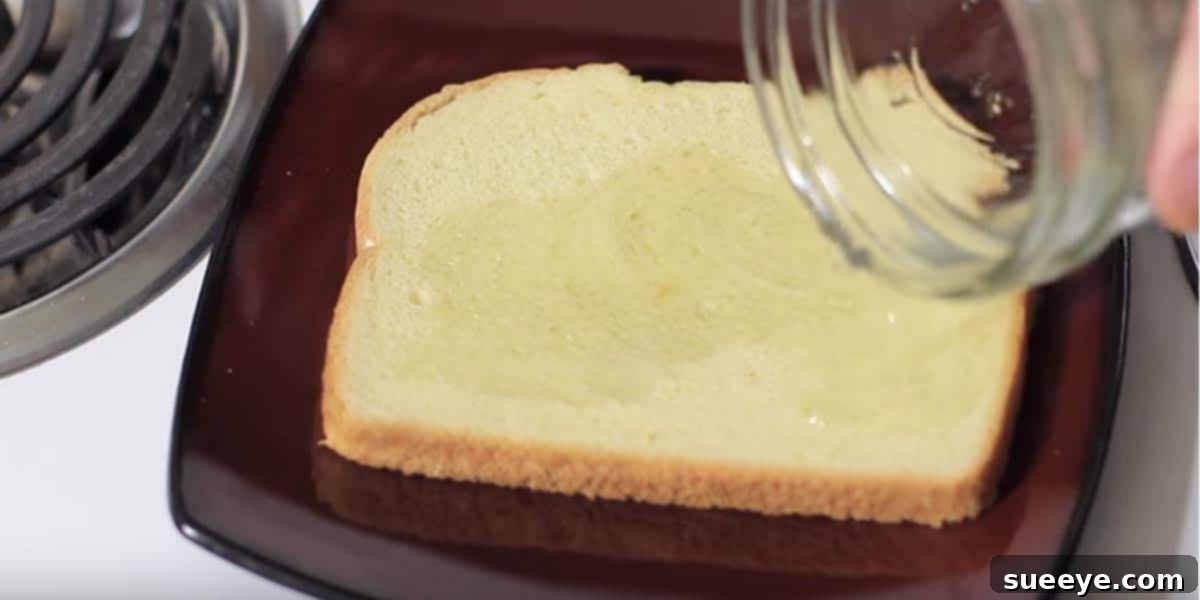
- Preparation: Take a slice of bread and saturate it completely with white distilled vinegar.
- Placement: Place the soaked bread slice at the bottom of your empty trash can.
- Overnight Magic: Leave it in place overnight. The vinegar in the bread will absorb and neutralize the stubborn smells.
- Removal: The next morning, simply remove and discard the bread. You’ll be astonished to find the smell completely gone, replaced by a neutral freshness.
This simple yet incredibly effective method tackles even the most pervasive odors, providing a lasting solution where air fresheners often fail. It’s a natural, inexpensive way to maintain a fresh-smelling kitchen or utility area.
4. DIY All-Purpose Cleaner: Your Kitchen and Bathroom’s Best Friend
Tired of buying multiple cleaning products for different surfaces? A homemade all-purpose cleaner using vinegar is not only incredibly effective but also significantly cheaper and free from harsh chemicals found in commercial products. This versatile solution is perfect for tackling grime, soap scum, and everyday messes in both your kitchen and bathroom.
Craft Your Own Powerful Cleaner:
- Ingredients: Grab an empty spray bottle. Fill one-third of the bottle with white distilled vinegar.
- Dilution: Fill the remaining two-thirds of the bottle with water.
- Boost Cleaning Power: Add a few drops of dishwashing liquid. The dish soap helps cut through grease and provides extra cleaning power.
- Shake and Use: Give the bottle a good shake to mix the ingredients.
This highly effective cleaner is safe for most surfaces, including countertops (avoid natural stone like marble or granite), sinks, shower walls, bathtubs, and tiles. It leaves surfaces sparkling clean and disinfected without a strong chemical odor. For an added touch, you can infuse the vinegar with citrus peels (lemon, orange) for a few weeks before mixing to give your cleaner a pleasant, natural scent.
5. The Clever Fruit Fly Trap Solution
Fruit flies can be a persistent nuisance, especially during warmer months or when fresh produce is abundant. Instead of resorting to sticky strips or chemical sprays, a simple vinegar trap can effectively lure and eliminate these tiny invaders, restoring peace to your kitchen.
Build Your Own Fruit Fly Trap:
- Container: Fill a small cup or bowl with about an inch of apple cider vinegar (it works best due to its fermenting fruit scent). You can also add a drop of dish soap to break the surface tension, making it harder for flies to escape.
- Covering: Tightly cover the top of the cup with plastic wrap (like Saran Wrap).
- Entry Points: Using a toothpick or a fork, poke several small holes in the plastic wrap. Make sure the holes are small enough to prevent easy escape but large enough for the flies to enter.
- Placement: Place the trap near where you’ve seen fruit flies congregating, usually around fruit bowls or sinks.
The fruit flies, attracted by the irresistible scent of the vinegar, will enter through the holes and become trapped inside, unable to find their way out. This is a non-toxic, highly effective way to manage and eliminate fruit fly infestations in your home.
6. Say Goodbye to Wrinkles: The Vinegar Fabric Smoother
Ironing can be a chore, and sometimes you just need a quick fix for wrinkled clothes. Believe it or not, vinegar can come to your rescue! Its acetic acid gently relaxes fabric fibers, helping to release wrinkles without the need for a hot iron. This trick is perfect for garments that are lightly wrinkled or for refreshing clothes between washes.
Quick Wrinkle Release with Vinegar:
- Mixture: In a spray bottle, combine one part white distilled vinegar with three parts water.
- Application: Lightly mist the wrinkled clothing with the solution. Do not saturate the fabric.
- Hang and Dry: Hang the garment up and let it air dry for a few minutes. As the fabric dries, you’ll notice most of the wrinkles beginning to flatten out, leaving your clothes looking much smoother and presentable.
This hack is especially useful for cotton, linen, and some synthetic fabrics. Always test on an inconspicuous area first, though vinegar is generally safe for most washable fabrics and its scent dissipates completely as it dries.
7. Deterring Feline Furniture Scratchers Naturally
Cats are wonderful companions, but their natural urge to scratch can wreak havoc on furniture. While training and providing scratching posts are key, vinegar can act as a natural deterrent in specific areas. Cats have a very sensitive sense of smell, and the strong scent of vinegar is generally unpleasant to them, making areas treated with it less appealing for scratching.
Gentle Cat Deterrent Method:
- Preparation: Fill a spray bottle with undiluted white distilled vinegar.
- Targeted Mist: Lightly mist the areas of your furniture where your cat frequently scratches. Avoid spraying directly on your cat.
- Consistency: Reapply as needed, especially after the scent fades.
The aim is to make the scratching spot less attractive to your cat, encouraging them to use designated scratching posts instead. Always ensure your cat has appropriate scratching alternatives. While generally safe, monitor your cat’s reaction and avoid over-saturating fabrics. The vinegar scent will dissipate for humans but will remain detectable by your cat for some time.
8. Extend the Life of Your Fresh Cut Flowers
There’s nothing quite like a fresh bouquet to brighten a room, but it’s disappointing when they wilt quickly. A simple addition of vinegar to your vase water can significantly prolong the life and beauty of your cut flowers. Vinegar helps by lowering the pH of the water, which flowers prefer, and inhibits the growth of bacteria that can clog stems and shorten their lifespan.
Keep Your Blooms Beautiful Longer:
- Vase Water: Fill your vase with fresh water as usual.
- Add Vinegar: Pour a small amount (about a tablespoon) of apple cider vinegar (or white distilled vinegar) into the water.
- Optional Sugar: For even better results, you can also add a teaspoon of sugar, which acts as food for the flowers.
- Regular Change: Change the water and re-add vinegar every couple of days for maximum effectiveness.
This simple trick will help your beautiful blooms stay vibrant and fresh for much longer, allowing you to enjoy their presence in your home for an extended period.
9. Crystal Clear Glasses, Every Time
Whether it’s your eyeglasses, drinking glasses, or even glass table tops, smudges, streaks, and water spots can make them look dirty and diminish clarity. Commercial glass cleaners often contain chemicals and can sometimes leave residues. Vinegar provides a natural, streak-free solution, leaving your glass surfaces sparkling and truly clear.
Achieve Spotless Glassware and Eyewear:
- Preparation: Grab a soft, lint-free cloth (microfiber works wonderfully).
- Application: Add a small amount of white distilled vinegar directly onto the cloth. You can also dilute it with water (50/50 ratio) for lighter cleaning.
- Wipe and Polish: Gently wipe down your glasses, removing dirt, smudges, and stains. For eyeglasses, a very diluted solution is best, applied sparingly to the cloth.
- Buff (Optional): For an extra sparkle, you can follow with a dry, clean section of the cloth to buff the surface.
The mild acidity of vinegar helps to dissolve mineral deposits and grease, resulting in crystal clear and shiny surfaces without the harsh chemicals. This method is effective for drinking glasses, mirrors, windows, and even the lenses of your eyeglasses (always check manufacturer recommendations for coated lenses).
10. Restore Burnt Pans and Remove Stubborn Stains
Accidentally burning food onto a pan or dealing with tough, baked-on stains can seem like an insurmountable cleaning challenge. Instead of aggressive scrubbing that can damage your cookware, turn to the power of vinegar. Its acidic properties, combined with heat, can loosen even the most stubborn residues, making cleanup surprisingly easy.
Revive Your Pans with Ease:
- Fill the Pan: Add one to two cups of white distilled vinegar to the stained pan, followed by the same amount of water. Ensure the solution covers the burnt or stained area.
- Bring to a Boil: Place the pan on the stovetop and bring the vinegar-water mixture to a gentle boil.
- Simmer and Soak: Let it simmer for about 5 to 10 minutes. The steam and acidity will work to loosen the baked-on food and stains.
- Cool and Clean: Carefully remove the pan from the heat and let it cool. Once cool, most of the burnt residue should be easy to scrape away with a spatula or scrub with a non-abrasive sponge.
This method is fantastic for stainless steel and ceramic pans. For exceptionally stubborn stains, you might sprinkle some baking soda into the pan after draining the vinegar solution, creating a fizzing action to help lift any remaining grime. Your pans will look good as new with minimal effort, saving you both time and money on specialized cleaners.
As you can see, vinegar is far more than just a salad dressing ingredient. It’s an indispensable household hero, offering a spectrum of natural, effective, and economical solutions for everyday challenges. By incorporating these brilliant vinegar hacks into your routine, you’ll not only simplify your life but also contribute to a healthier, more eco-friendly home environment. Why not start experimenting today and discover the magic of vinegar for yourself?