
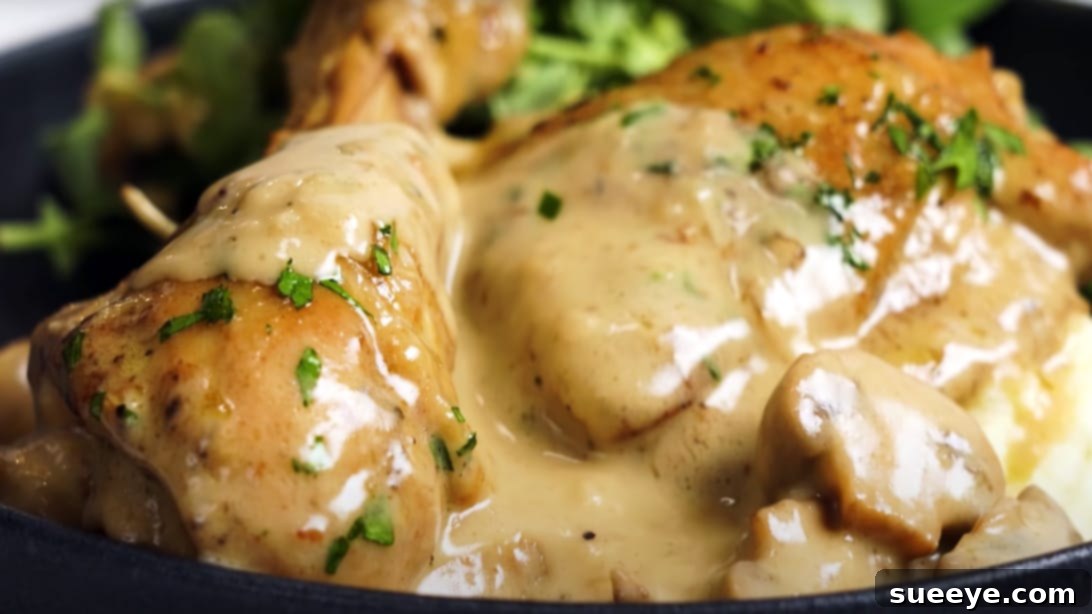
Mastering the Classic French Chicken Fricasse: A Creamy, Rustic Delight
The allure of French cuisine is undeniable, from its sophisticated sauces to its heartwarming stews. Among its many culinary treasures, the Chicken Fricasse stands out as a beloved classic. Pronounced “free-ka-SAY,” this traditional French dish offers a comforting taste of rural France, distinguished by its luxurious white or cream-based sauce, tender chicken, and earthy mushrooms. Often compared to its darker cousin, Coq au Vin, Fricasse offers a lighter yet equally rich flavor profile, making it a perfect addition to any home cook’s repertoire.
Unlike Coq au Vin, which typically features a rich, slow-cooked dark brown wine sauce, Chicken Fricasse shines with a creamy, velvety sauce that envelops succulent chicken pieces and sautéed mushrooms. It embodies rustic elegance, delivering profound flavors without requiring hours of complex preparation. This makes it an ideal choice for a satisfying midweek meal that feels special, or a delightful dish to share with family and friends on a relaxed weekend. One of the many charms of a traditional fricasse is how beautifully it holds its flavor – even improving upon reheating as the ingredients meld further, making it an excellent candidate for meal prepping. We’re drawing inspiration from the fantastic and approachable methods shared by RecipeTin Eats, ensuring a quick yet utterly authentic and delicious result.
What Exactly is Chicken Fricasse? A Glimpse into French Culinary History
The term “fricasse” itself comes from the French verb “fricasser,” meaning “to fry and stew.” This perfectly describes the cooking method: chicken pieces are first lightly browned (but not fully seared to a dark crust) and then gently stewed in a rich, often creamy, sauce. It’s a dish that bridges the gap between a sauté and a stew, offering the best of both worlds – the tenderness of stewed meat with the foundational flavor of lightly browned poultry. Historically, fricasse recipes date back centuries in France, evolving from simple peasant dishes to refined culinary staples enjoyed across all social classes. It represents the quintessential French approach to cooking: taking humble ingredients and transforming them into something extraordinary through careful technique and thoughtful flavor combinations.
While many variations exist, the core elements remain consistent: tender chicken, a medley of aromatic vegetables, and a luscious sauce often thickened with flour and enriched with cream or egg yolks. Our version focuses on boneless, skin-in chicken breasts, mushrooms, and a classic white wine and chicken stock base finished with cream, promising a deeply satisfying and authentically French dining experience.
Essential Ingredients for Your Authentic Chicken Fricasse
To create a truly memorable Chicken Fricasse, selecting quality ingredients is key. Here’s what you’ll need to gather:
- Chicken Breasts (skin-in and bone-in): While boneless, skinless chicken can be used, bone-in, skin-on chicken pieces (like breasts, thighs, or a mix) infuse the sauce with more flavor and stay incredibly moist. The skin, when properly browned, adds texture and contributes richness.
- Garlic: Fresh garlic cloves, minced or finely chopped, provide a pungent aromatic base that is fundamental to French cooking.
- Bay Leaves: These fragrant leaves impart a subtle, savory depth to the sauce, a classic addition to many stews.
- Thyme: Fresh thyme sprigs are highly recommended for their delicate, earthy aroma that complements chicken and mushrooms beautifully. If using dried, use about a third of the amount.
- Butter: Unsalted butter is preferred as it allows you to control the seasoning. It’s essential for browning the chicken and sautéing the vegetables, contributing to the rich flavor profile.
- Mushrooms: Cremini (baby bella) mushrooms are ideal for their robust flavor and texture, but white button mushrooms also work well. They add an earthy umami dimension to the fricasse.
- White Wine: A dry white wine, such as Sauvignon Blanc or Pinot Grigio, is crucial for deglazing the pan and adding a layer of sophisticated acidity and flavor. Avoid cooking wines, which often contain extra salt and sweeteners.
- Chicken Stock/Broth: High-quality chicken stock forms the backbone of the sauce. Homemade stock will always yield the best flavor, but a good store-bought low-sodium option is perfectly acceptable.
- Flour: All-purpose flour is used to create a roux, which thickens the sauce to that signature velvety consistency.
- Heavy Cream: This is what gives the Fricasse its luscious, creamy texture and rich mouthfeel. Full-fat heavy cream is recommended for the best results.
- Salt and Black Pepper: Essential for seasoning the chicken and the sauce to perfection.
- Fresh Parsley (for garnish): A sprinkle of chopped fresh parsley adds a burst of color and a fresh, herbaceous note at the end.
Step-by-Step Guide to Cooking a Classic Chicken Fricasse
Follow these detailed steps to create a show-stopping Chicken Fricasse that will transport your taste buds straight to France.
Phase 1: Preparing and Browning the Chicken
1. Season the Chicken: Begin by generously seasoning your chicken pieces with salt and freshly ground black pepper on all sides. Pat the chicken dry with paper towels; this step is crucial for achieving good browning.
2. Melt Butter: In a large, heavy-bottomed pan or Dutch oven with a lid, melt a generous knob of butter over medium-high heat. Ensure the butter is hot but not smoking before adding the chicken.
3. Brown the Chicken Thighs (and other pieces): Place the chicken thighs, skin-side down, into the hot butter. Cook for approximately 4-5 minutes until the skin is beautifully golden brown and crispy. This initial browning is vital for developing deep flavor, known as the Maillard reaction. Flip the thighs and cook for just 1 minute on the other side. Transfer the browned chicken thighs to a clean plate or tray and set aside.
4. Brown Drumsticks (if using): If you’re using drumsticks or other chicken pieces, brown them next. Sear them on three sides, roughly 2 minutes per side, ensuring they achieve a nice, even golden color all around. Once done, add them to the platter with the thighs. Avoid overcrowding the pan; work in batches if necessary to ensure proper browning rather than steaming.
Phase 2: Crafting the Velvety Sauce
5. Sauté Aromatics and Mushrooms: In the same pan, using the flavorful residual butter and chicken drippings, reduce the heat slightly to medium. Add the sliced onions, mushrooms, fresh thyme sprigs, and bay leaves. Sauté for about 5 minutes, stirring occasionally. The mushrooms should soften and turn a light golden color, but avoid browning them too deeply. Add the minced garlic during the last minute of cooking to prevent it from burning, which can make it bitter.
6. Create the Roux: Sprinkle the flour over the sautéed vegetables. Stir constantly for 1 minute, allowing the flour to cook and combine with the butter and pan drippings. This step is crucial to cook out the raw flour taste and form a roux, which will thicken your sauce.
7. Deglaze with Wine and Add Stock: Pour in the white wine. Using a wooden spoon or spatula, vigorously scrape the bottom of the saucepan to dislodge any browned bits (known as “fond”). This fond is packed with flavor and will enrich your sauce. Stir until the wine is mostly absorbed. Next, gradually whisk in the chicken stock or broth, ensuring no lumps form. Bring the mixture to a gentle simmer, stirring continuously until the sauce begins to thicken.
Phase 3: Simmering for Tenderness and Flavor
8. Return Chicken to Pot: Carefully return the browned chicken pieces to the pot, arranging them skin-side up. This helps the skin stay somewhat intact and prevents it from becoming overly soggy. Ensure the chicken is mostly submerged in the aromatic sauce, allowing it to absorb all the wonderful flavors as it cooks.
9. First Simmer (Covered): Once the chicken is nestled in the sauce, cover the pot with its lid and bring it to a gentle simmer. Reduce the heat to low, ensuring the mixture bubbles continuously but very gently. Cook for 10 minutes, allowing the chicken to begin tenderizing and the flavors to meld.
10. Second Simmer (Uncovered & Thickening): After 10 minutes, remove the lid. Continue to simmer the Fricasse gently, uncovered, for an additional 20 minutes. During this stage, the sauce will naturally reduce and thicken further, transforming into a beautiful, gravy-like consistency. The chicken, immersed in the hot liquid for a total of approximately 30 minutes, will become incredibly tender and fully cooked through. To be sure, internal temperature should reach 165°F (74°C).
Phase 4: Finishing and Serving
11. Add the Cream: Once the chicken is cooked and the sauce has thickened to your desired consistency, carefully remove the chicken pieces from the pot and place them on a separate plate. Stir in the heavy cream into the sauce, mixing until fully incorporated and smooth. Bring the sauce back to a very gentle simmer. It is crucial *not* to boil the sauce vigorously after adding cream, as this can cause it to curdle.
12. Final Assembly and Garnish: Return the cooked chicken pieces to the creamy sauce, allowing them to warm through gently for a minute or two. Remove the pot from the heat. Your to-die-for Chicken Fricasse is now ready! Garnish generously with freshly chopped parsley just before serving for a pop of color and freshness.
Serving Suggestions and Perfect Pairings
A perfectly prepared Chicken Fricasse deserves equally delightful accompaniments. Its rich, creamy sauce makes it incredibly versatile, pairing beautifully with a variety of side dishes.
- Starchy Sides: Fluffy white rice, creamy mashed potatoes, or egg noodles are classic choices that are excellent for soaking up every last drop of the luscious sauce. Crusty French bread is also a must for dipping!
- Vegetables: A simple green salad with a light vinaigrette provides a refreshing contrast to the richness of the Fricasse. Steamed green beans, asparagus, or glazed carrots are also wonderful additions.
- Wine Pairings: For an authentic French experience, pair your Chicken Fricasse with a dry white wine. A crisp Sauvignon Blanc, an un-oaked Chardonnay, or a delicate Pinot Grigio would complement the creamy sauce beautifully. If you prefer red, a light-bodied Pinot Noir could also work.
Why Chicken Fricasse Should Be Your Next Dinner Star
Beyond its delicious taste, Chicken Fricasse offers several advantages that make it a fantastic choice for any home cook:
- Comforting & Satisfying: It’s the ultimate comfort food, providing warmth and satisfaction with every spoonful.
- Elegant Yet Approachable: While it sounds fancy, the steps are straightforward, making it accessible even for novice cooks. Yet, its rich flavors and beautiful presentation make it suitable for special occasions.
- Flavor Development: The flavors deepen and meld beautifully overnight, making it an excellent dish to prepare in advance.
- Versatility: Easily adaptable with different vegetables or even other poultry cuts.
Storage and Reheating Tips
To enjoy your Chicken Fricasse for days to come, store any leftovers in an airtight container in the refrigerator for up to 3-4 days. When reheating, do so gently on the stovetop over low heat, stirring occasionally. Add a splash of chicken stock or cream if the sauce seems too thick. Avoid boiling vigorously, especially if reheating with cream, to maintain its smooth consistency.
Embrace the joy of French cooking in your own kitchen with this exquisite Chicken Fricasse. It’s a testament to how simple ingredients, combined with classic techniques, can create an unforgettable meal. Bon appétit!