
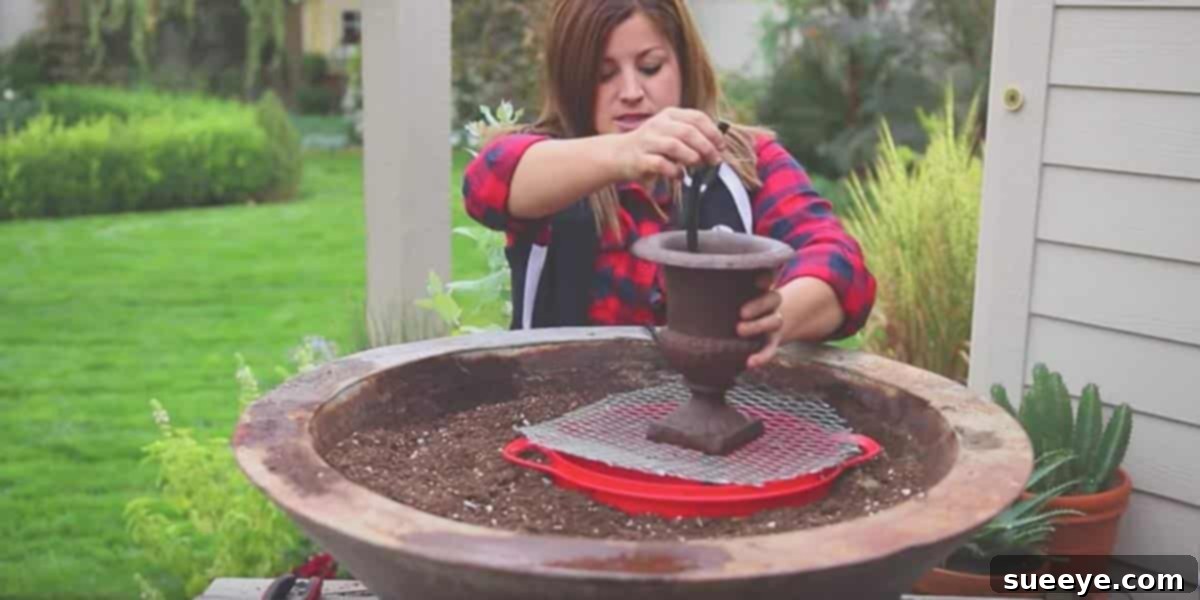
Transform Your Backyard into a Tranquil Oasis: The Ultimate Succulent Water Fountain Planter Guide
Imagine unwinding in your backyard, surrounded by vibrant greenery, and the soothing murmur of flowing water. A garden water fountain is more than just a decorative element; it’s a source of profound tranquility, transforming any outdoor space into a personal sanctuary. But what if you could elevate this serene experience even further by combining it with the mesmerizing beauty of succulents? This innovative approach to garden design creates a focal point that is not only visually stunning but also incredibly easy to maintain.
The Irresistible Allure of Backyard Water Fountains
The gentle cascade of water evokes a sense of peace and relaxation, making backyard fountains a highly sought-after addition to any garden. Beyond their calming auditory benefits, water features offer numerous advantages:
- Enhanced Ambiance: The rhythmic sound of water can mask unwanted neighborhood noise, creating a more private and serene atmosphere.
- Visual Appeal: Fountains add dynamic movement and reflective qualities to your garden, making it feel more alive and luxurious.
- Attracting Wildlife: Birds and beneficial insects are often drawn to fresh water sources, bringing a lively touch to your outdoor haven.
- Increased Property Value: A well-designed water feature can significantly boost your home’s curb appeal and market value.
From tiered classical designs to sleek, modern spheres, the variety of fountains available means there’s a perfect match for every garden aesthetic. Choosing the right fountain involves considering its size, the style of your garden, and the amount of maintenance you’re willing to commit to, although most modern fountains require minimal upkeep.
Discovering the Enchanting World of Succulents
If you live in a region with warm climates or simply desire a garden that thrives with minimal fuss, succulents are an absolute revelation. These drought-tolerant beauties are celebrated for their incredible diversity, stunning colors, and unique textures, making them an ideal choice for both novice and experienced gardeners alike. Succulents are proof that low-maintenance doesn’t mean sacrificing lushness or visual interest.
A Spectrum of Beauty: Colors, Textures, and Forms
One of the most captivating aspects of succulents is their astonishing variety. They come in an endless array of hues, from vibrant greens and deep purples to fiery reds and delicate pastels. Their forms are equally diverse, ranging from rosette-shaped Echeverias and spiky Aloes to trailing Sedums and geometric Haworthias. This rich tapestry of colors and shapes allows for endless creative possibilities when designing your succulent arrangements. Each plant acts as a living sculpture, contributing to a display that is both architectural and organic.
Essential Succulent Care for Thriving Plants
Succulents are famously low-maintenance, but understanding a few basic principles will ensure they flourish:
- Light: Most succulents thrive in bright, indirect sunlight for at least 6 hours a day. Some varieties can tolerate full sun, while others prefer partial shade.
- Water: The golden rule for succulents is to water deeply but infrequently. Allow the soil to dry out completely between waterings to prevent root rot, which is their biggest enemy.
- Soil: Well-draining soil is crucial. A specialized succulent and cactus mix or a DIY blend of potting soil, perlite, and coarse sand works best.
- Drainage: Always plant succulents in containers with drainage holes. This is non-negotiable for their health.
Hardy vs. Tender: Year-Round Enjoyment
For those who wish to keep their succulent displays outdoors year-round, it’s vital to understand the difference between hardy and tender succulents. Hardy succulents, such as many varieties of Sempervivum (hen and chicks) and Sedum, are cold-tolerant and can withstand freezing temperatures, often found in the nursery’s outdoor stock. Tender succulents, commonly found in greenhouse sections, are more sensitive to cold and should be brought indoors during winter months in colder climates. They also make fantastic houseplants, bringing a touch of the desert into your home.
The Masterpiece: Integrating Fountains and Succulents in a Planter
Here’s where the magic happens – combining the soothing sound of a water fountain with the breathtaking beauty of a succulent garden within a single, cohesive planter. This “ridiculously cool” idea, as popularized by garden innovators, transforms a simple container into a dynamic, multi-sensory experience that becomes the ultimate focal point of any outdoor space.
Why This Combination Works Wonders
The synergy between a bubbling fountain and a vibrant succulent arrangement is truly remarkable. The fountain provides a vital element of sound and motion, while the succulents offer static beauty, texture, and color. Together, they create a miniature ecosystem that not only captivates the eye and ear but also offers several practical benefits:
- Elevated Aesthetics: The contrast between the living plants and the moving water creates a visually captivating display that is far more impactful than either component alone.
- Microclimate Creation: The humidity generated by the fountain can slightly benefit certain succulents, especially in very dry environments.
- Space Efficiency: For smaller patios or balconies, this combined feature maximizes impact in a compact footprint.
- Unique Focal Point: It stands out as a unique and sophisticated element in any garden or patio setting, sparking conversation and admiration.
Designing Your Dream Succulent Fountain Planter
Creating your own succulent fountain planter involves careful planning and a touch of creativity. The key is to select a planter that is large enough to accommodate both the fountain pump system and a diverse collection of succulents, ensuring adequate drainage for the plants while containing the water for the fountain. Consider using a multi-tiered planter or a large, wide bowl that allows for distinct planting areas and a central water basin.
When selecting your succulents, think about the “thriller, filler, spiller” design principle:
- Thriller: A tall, dramatic succulent (like an Agave or a large Echeveria) as the central element.
- Filler: Medium-sized succulents that fill the space around the thriller (e.g., various rosette types, smaller Sedums).
- Spiller: Trailing succulents that cascade over the edges of the planter (e.g., String of Pearls, Donkey’s Tail).
Arrange them to complement the fountain’s presence, ensuring no plants are constantly waterlogged by the fountain’s spray. The goal is to create a harmonious landscape where water and plant life coexist beautifully.
Materials You’ll Need for Your Project
To embark on this exciting DIY garden project, gather the following essential materials:
- A large, durable planter (ceramic, concrete, or weather-resistant plastic are excellent choices).
- A small, submersible fountain pump kit, appropriate for the size of your planter.
- Tubing for the fountain (usually included with the pump).
- A waterproof basin or liner if your chosen planter isn’t entirely watertight for the fountain reservoir.
- Well-draining succulent/cactus potting mix.
- An assortment of your favorite hardy succulents.
- Decorative rocks, pebbles, or polished stones to cover the fountain mechanics and top-dress the soil.
- Optional: Drainage material like gravel or broken pottery for the bottom of the planting sections.
Bringing Your Succulent Fountain Planter to Life (Conceptual Steps)
While specific steps may vary depending on your chosen fountain kit and planter, the general process involves:
- Prepare the Planter: Ensure your planter has adequate drainage holes for the succulents. If creating a separate water reservoir, seal it or place a waterproof container within the planter.
- Install the Fountain: Position the fountain pump and tubing according to the manufacturer’s instructions, ensuring the power cord can safely exit the planter. Fill the reservoir with water.
- Create Planting Areas: Around the fountain reservoir, build up areas with succulent potting mix, creating distinct zones for planting.
- Plant Your Succulents: Carefully arrange and plant your chosen succulents, following your design vision. Ensure they are not directly in the path of heavy water spray.
- Add Decorative Elements: Cover the fountain pump and any visible tubing with decorative pebbles or rocks. Use smaller stones to top-dress the succulent soil, which also helps prevent evaporation and keeps leaves clean.
- Test and Adjust: Plug in your fountain to ensure it’s working correctly. Make any necessary adjustments to plant placement or water flow.
Enhancing Your Outdoor Living Space
This combined succulent water fountain planter is more than just a garden project; it’s an investment in your outdoor lifestyle. Placing it on a patio, deck, or near a seating area allows you to fully enjoy its tranquil sounds and captivating beauty. It serves as an instant conversation starter and a constant source of natural calm.
Maintenance for Lasting Beauty
Maintaining your succulent fountain planter is surprisingly simple. Regularly check the fountain’s water level and refill as needed. Occasionally clean the fountain pump to prevent mineral buildup and ensure optimal flow. For the succulents, continue with the ‘deep but infrequent’ watering schedule, keeping an eye on their health and adjusting light conditions if necessary. Remove any dead leaves to keep the display looking tidy and prevent pests.
This ingenious idea truly redefines what’s possible in backyard design, proving that stunning beauty and easy care can go hand-in-hand. The gorgeous planter project will undoubtedly inspire you to rethink your approach to succulents and outdoor decor. It might just have you running, not walking, to the nursery to start your own tranquil masterpiece. Remember, these incredible plants are truly easy, making this a rewarding project for anyone!
For a detailed visual guide on how to create a succulent water fountain planter, be sure to watch the step-by-step tutorial by the clever gal from Garden Answer. Her expert tips will help you bring this magnificent vision to life in your own backyard.