
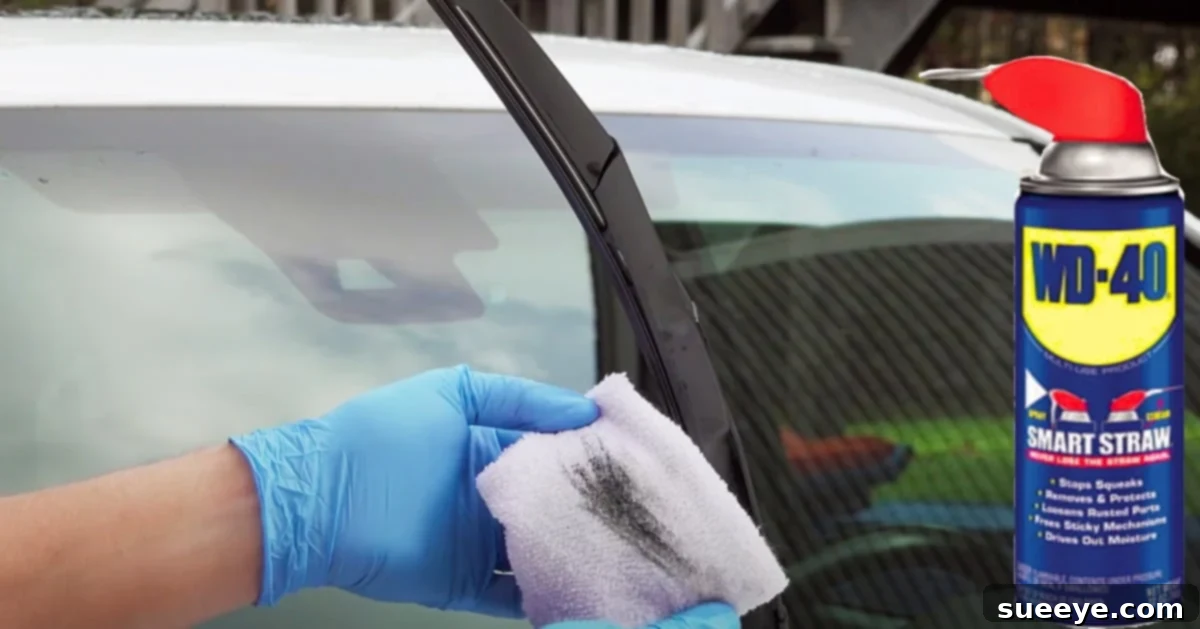
Few things are as frustrating, or as dangerous, as struggling to see through a streaky, squeaky windshield. Worn-out windshield wipers not only compromise your view but also significantly impact driving safety, especially during adverse weather conditions. While many drivers opt for costly replacements at the first sign of trouble, what if there was a simple, incredibly effective, and almost free auto trick by Silver Cymbal on YouTube that could restore your windshield wipers to like-new condition in under 30 seconds? This ingenious DIY method utilizes common household items to revitalize tired rubber blades, helping you maintain optimal visibility and extend the lifespan of your wipers.
Before you rush to buy a new set of wiper blades, it’s essential to understand that many performance issues—like annoying squeaks, persistent streaks, or inefficient water clearing—aren’t always due to irreparable damage. Often, they’re the result of accumulated grime, road tar, tree sap, oil, or even oxidation on the rubber itself. This simple restoration technique is a game-changer for anyone experiencing these common problems, offering a quick fix that can save you time, money, and enhance your overall driving experience. This trick is particularly effective for wipers showing signs of wear and tear, minor cracks, or stiffness, but not for blades that are severely torn, completely detached, or have major structural damage requiring a full replacement. If your wipers are just making noise or leaving irritating streaks, get ready to see the road clearly again!
Why Your Windshield Wipers Degrade: Understanding the Problem
Windshield wiper blades are constantly exposed to some of the harshest elements imaginable. From blistering summer sun to freezing winter ice, they endure extreme temperature fluctuations, abrasive dust, corrosive road salts, and a barrage of environmental contaminants. Over time, this constant assault takes its toll on the delicate rubber compound of the blades. Ultraviolet (UV) radiation from the sun can dry out and harden the rubber, making it brittle and less flexible. This reduced flexibility prevents the blade from conforming smoothly to the curvature of your windshield, leading to skipping, chattering, and an uneven wipe.
Beyond natural aging, the accumulation of various substances on the blades themselves is a primary culprit for poor performance. Road grime, exhaust fumes, oil residue from passing vehicles, tree sap, bug guts, and even wax residue from car washes can all bond to the rubber. These contaminants create a sticky film or hard deposits that prevent the blade from making clean contact with the glass. When the blade drags these particles across the windshield, it results in those frustrating streaks and the dreaded squeaking noise. A quick replacement might seem like the only option, but often, a thorough cleaning and reconditioning are all that’s needed to bring them back to life.
The Secret Weapon: WD-40 for Wiper Restoration
You might be surprised to learn that one of the most effective tools for restoring your windshield wipers is a can of WD-40, a product renowned for its multi-purpose capabilities. WD-40, which stands for “Water Displacement, 40th formula,” is a powerful penetrating oil that also acts as an excellent cleaner, degreaser, and lubricant. Its unique formulation allows it to break down and lift away stubborn deposits like tar, grease, sap, and other road contaminants that cling to rubber wiper blades.
When applied correctly, WD-40 doesn’t just clean the surface; it helps to recondition the rubber by removing the layers of gunk that make it stiff and inefficient. It works by dissolving the sticky bonds that hold grime to the rubber, allowing you to easily wipe them away. This process restores the blade’s natural flexibility and ensures it can glide smoothly and effectively across the glass, providing a streak-free, silent wipe. It’s a testament to the versatility of WD-40 that it can transform your struggling wipers from a safety hazard back into a reliable component of your vehicle.
Supplies You’ll Need:
- An old, clean sock or a lint-free microfiber rag
- WD-40 (standard spray can or liquid form)
- High-quality glass cleaner (automotive-specific, ammonia-free recommended), optional but highly recommended
- A bucket of clean water (for rinsing the rag, if needed)
- Disposable gloves (optional, but good for chemical contact)
Step-by-Step Directions for Restoring Your Wiper Blades:
This simple restoration process can be completed in minutes, but attention to detail will yield the best results for crystal clear visibility. Follow these steps carefully to revitalize your wiper blades and ensure they perform at their best.
Step 1: Prepare Your Work Area and Wipers
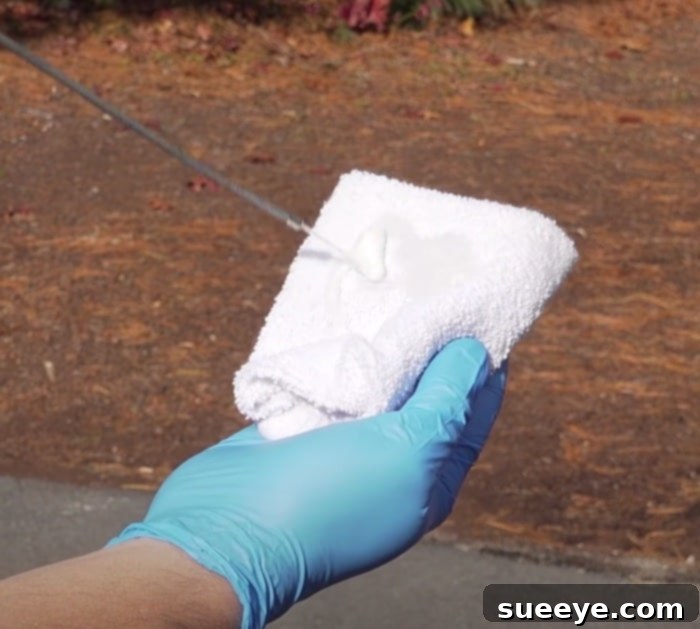
First, ensure your vehicle is parked safely and turned off. Lift your windshield wiper arms away from the windshield until they lock into their upright service position. This provides easy access to the blades and prevents them from snapping back down onto the glass while you’re working. Take your old sock or microfiber rag and thoroughly soak a section of it with WD-40. You don’t need to drench it completely, but ensure a generous amount is absorbed into the fabric. If using disposable gloves, now is the time to put them on.
Step 2: Clean and Degrease the Wiper Blades
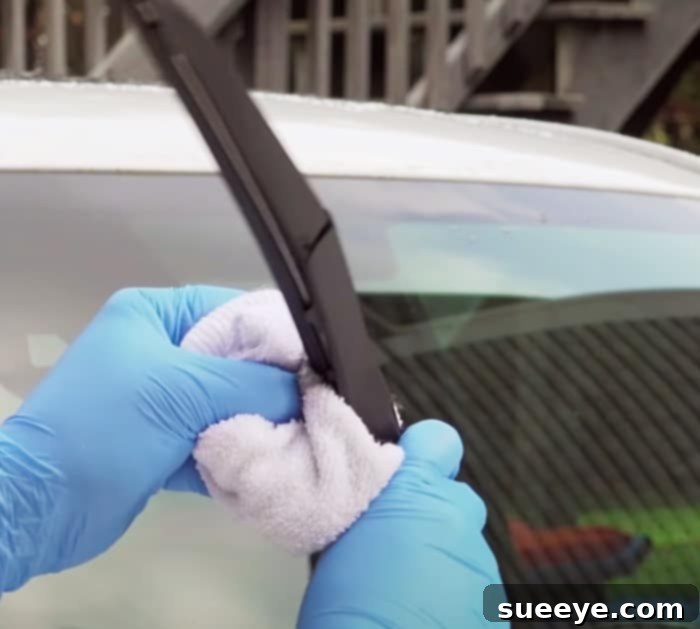
With your WD-40-soaked rag ready, firmly grasp one of the wiper blades. Use the rag to wipe along the entire length of the rubber blade. Apply moderate pressure and move the rag back and forth, much like you would brush your teeth. You’ll quickly notice a surprising amount of black residue and grime coming off onto the rag. This black residue isn’t just dirt; it’s a combination of oxidized rubber and accumulated contaminants that have been hindering your wipers’ performance. Continue wiping until no more black residue comes off onto a clean section of the rag. Repeat this process for the second wiper blade, using a fresh section of your rag or a new one if necessary.
This step is crucial because it physically removes the build-up that causes streaking and squeaking. The WD-40 penetrates and loosens these stubborn particles, making it easy for the rag to scrub them away. Ensuring a thorough cleaning of both sides of the rubber blade will maximize the effectiveness of this restoration technique.
Step 3: Clean Your Windshield (Optional, but Recommended)
While the focus is on the blades, it’s also highly recommended to clean your windshield thoroughly. Even pristine wipers will struggle if the glass itself is coated in grease, road film, or old wax. Use a high-quality, streak-free automotive glass cleaner and a separate, clean microfiber cloth. Spray the cleaner generously onto the windshield and wipe it clean, ensuring all grease, tar, insect residue, and any other contaminants are completely removed. This prevents these elements from immediately transferring back onto your freshly cleaned wiper blades, ensuring a long-lasting, clear view.
Step 4: Final Inspection and Test
Once both blades are thoroughly cleaned and the windshield is spotless, gently lower the wiper arms back onto the glass. Before driving, it’s a good idea to test your newly restored wipers. Turn on your car and activate the windshield washer fluid, then engage your wipers. Observe their performance. You should immediately notice a dramatic improvement: silent operation, streak-free wiping, and crystal-clear visibility. The blades should glide smoothly and evenly across the glass, effectively clearing water and leaving no residue behind.
The Unquestionable Benefits of Wiper Blade Restoration
This simple DIY trick offers a multitude of advantages that go far beyond just saving a few dollars. First and foremost, restoring your wiper blades significantly enhances your driving safety. Clear, unobstructed vision is paramount, especially during rain, snow, or fog. Streaky or inefficient wipers can momentarily blind you, increasing the risk of accidents. By ensuring your blades are in top condition, you maintain optimal visibility in all driving conditions.
Secondly, it’s incredibly cost-effective. High-quality replacement wiper blades can be expensive, often ranging from $20 to $50 or more per pair, and typically need replacing every 6-12 months. This WD-40 method allows you to extend their lifespan, sometimes by several months, delaying the need for costly replacements. It’s an eco-friendly solution too, reducing the amount of waste generated from prematurely discarded wiper blades.
Finally, the process is quick, easy, and satisfying. You don’t need specialized tools or advanced mechanical skills. Anyone can perform this maintenance in minutes right in their driveway. The satisfaction of transforming noisy, ineffective wipers into smooth, silent performers provides an immediate and tangible reward, empowering you with a simple car care hack that truly makes a difference.
When to Restore and When to Replace: Knowing the Limits
While the WD-40 trick is remarkably effective, it’s important to understand its limitations. This method is ideal for blades that are suffering from surface contamination, minor hardening, or light cracking due to exposure. It works wonders for eliminating squeaks and streaks caused by grime build-up and rubber stiffness.
However, no amount of cleaning will fix fundamentally damaged wiper blades. You’ll know it’s time for a full replacement if you observe any of the following:
- Severe Cracks or Tears: If the rubber blade itself has deep, visible cracks, chunks missing, or is actually torn, it cannot be salvaged.
- Bent or Damaged Frame: If the metal or plastic frame supporting the rubber blade is bent, corroded, or broken, it won’t apply even pressure to the windshield, leading to poor performance that cleaning won’t fix.
- Persistent Chattering: While cleaning can often fix chattering, if it persists after cleaning and adjustments, the rubber might be permanently warped or too old and brittle.
- Ineffective Wiping After Cleaning: If, after thoroughly cleaning your blades and windshield, they still fail to clear water effectively, leaving large unwiped areas or persistent smears, the rubber has likely lost its elasticity beyond repair.
- Age: Wiper blades typically last 6-12 months. If yours are significantly older and have been through multiple seasons, even if they look okay, the rubber’s chemical properties might have degraded to the point where replacement is the only viable option for optimal safety.
Proactive Wiper Maintenance for Long-Term Longevity
To get the most out of your wiper blades and reduce the frequency of needing either restoration or replacement, consider incorporating these simple maintenance habits into your car care routine:
- Regular Cleaning: Once a month, give your wiper blades a quick wipe-down with a clean cloth soaked in plain water or a mild glass cleaner. This prevents heavy build-up from forming in the first place.
- Avoid Dry Wiping: Never activate your wipers on a dry windshield. The friction can quickly wear down the rubber and even scratch the glass if there’s dust or debris. Always use your windshield washer fluid first.
- Use Quality Washer Fluid: Invest in a good quality windshield washer fluid, especially one formulated for all seasons. These fluids help break down grime and prevent freezing, protecting your blades.
- Lift Wipers in Winter: In snowy or icy conditions, lift your wiper arms off the windshield when parked. This prevents them from freezing to the glass and tearing the rubber when you try to use them.
- Inspect Regularly: Take a moment to visually inspect your wiper blades for any signs of damage or excessive wear every few weeks. Catching problems early can prevent bigger issues.
- Clean Your Windshield: A clean windshield reduces the workload and abrasion on your wiper blades. Regularly wash your car and use an automotive glass cleaner to keep the glass sparkling.
Conclusion: Clear Vision at Your Fingertips
The next time your windshield wipers start to chatter, squeak, or leave frustrating streaks across your view, don’t automatically reach for your wallet. This incredibly simple yet effective WD-40 trick offers a powerful solution to restore their performance, enhancing both your visibility and driving safety. By taking just 30 seconds to clean and recondition your wiper blades, you can significantly extend their life, save money, and ensure you always have a crystal-clear view of the road ahead. Regular maintenance, coupled with this handy restoration trick, will keep your wipers performing optimally, allowing you to drive with confidence, no matter what the weather throws your way. Embrace this DIY auto care hack and enjoy the clarity!