
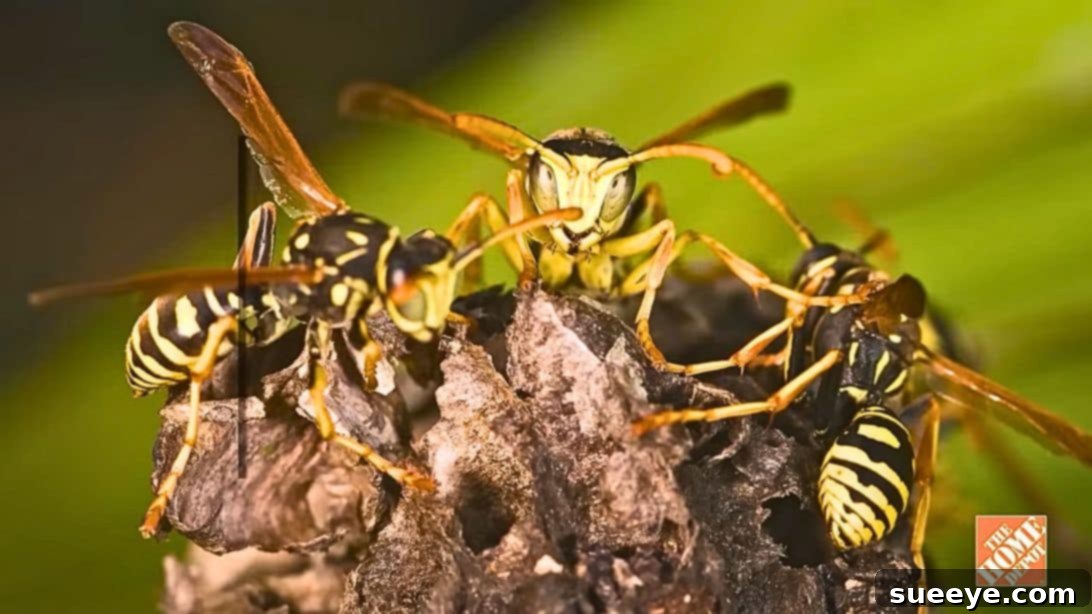
Comprehensive Guide to Wasp Control: Safe Elimination & Prevention Tips
Do you frequently notice wasps buzzing around your garden or near your home? While these insects play a vital role in our ecosystem as pollinators and natural pest controllers, their presence can become a significant concern for homeowners. Wasps are notoriously territorial, and an accidental encounter with their nest can lead to painful stings, some of which can trigger severe allergic reactions. This comprehensive guide will equip you with the knowledge and strategies to safely identify, eliminate, and prevent wasps around your property, ensuring peace of mind for you and your family.
Understanding the behavior and characteristics of wasps is the first step towards effective control. Unlike bees, wasps tend to be more aggressive when their nests are disturbed, making caution paramount. For an insightful visual guide, you might find this tutorial from The Home Depot helpful in visualizing removal techniques.
Understanding Wasps: Identification, Behavior, and Risks
Before you can effectively manage a wasp problem, it’s essential to understand what you’re dealing with. Wasps share some visual similarities with bees but possess distinct features that set them apart, both in appearance and temperament.
Distinguishing Wasps from Bees
- Shape: Wasps typically have a more streamlined body with a distinct, narrow “pinched” waist between the thorax and abdomen. Bees, on the other hand, are generally broader and more robust.
- Hairiness: Bees are much hairier, aiding in pollen collection. Wasps have smooth, shiny bodies with very little hair.
- Coloration: While both can be yellow and black, wasps often display brighter, more vibrant yellow and black bands.
- Stinger: A key difference is their stinger. Bees can only sting once, as their barbed stinger detaches, leading to their demise. Wasps, however, have smooth stingers, allowing them to sting multiple times without harm to themselves.
- Diet: Bees primarily feed on nectar and pollen. Wasps have a more varied diet, often preying on other insects (making them pest controllers) and being attracted to sugary foods and drinks, especially later in the summer.
Common Wasp Types You Might Encounter
Various species of wasps inhabit different regions, each with unique nesting habits and aggression levels:
- Yellow Jackets: Perhaps the most common and aggressive. They build papery nests underground, in wall voids, or inside dense shrubs. They are highly protective of their nests and will sting with little provocation, especially when scavenging for food.
- Paper Wasps: These wasps construct umbrella-shaped nests suspended from eaves, branches, or porch ceilings. Their nests have open, exposed cells. They are less aggressive than yellow jackets but will sting if their nest is disturbed.
- Hornets: Larger than other wasps, hornets, particularly the European Hornet, build large, enclosed papery nests, often in hollow trees, attics, or wall voids. They can be very aggressive when their nest is threatened.
RELATED: How to Get Rid of Gnats Using Apple Cider Vinegar – Understanding and controlling various pests is key to a comfortable home.
The Dual Nature of Wasps: Benefits and Dangers
Did you know that these fascinating insects are important for our environment? They serve as effective pollinators, helping plants reproduce. Furthermore, they are excellent natural pest controllers, preying on many garden pests like caterpillars, flies, and grubs, which helps maintain a healthy ecosystem without chemical intervention. However, despite their ecological benefits, the presence of wasp nests near human activity poses significant risks:
- Painful Stings: Wasp stings are painful and can cause localized swelling, redness, and itching.
- Allergic Reactions: For some individuals, wasp stings can trigger severe allergic reactions (anaphylaxis), which require immediate medical attention and can be life-threatening.
- Property Damage: Some wasp species, particularly those that nest in wall voids or attics, can cause minor structural damage to homes over time, especially if their nests expand significantly.
- Territorial Aggression: Wasps are highly territorial, especially when defending their nests. Accidental disturbances can lead to multiple stings from an entire colony.
Due to these potential dangers, learning how to safely eliminate wasps and treat stings is crucial for homeowners.
Here’s another helpful resource for comprehensive pest management: How To Get Rid of Hornets, Yellow Jackets, and Wasps
How to Eliminate Wasps: A Step-by-Step Guide to Safe Removal
When dealing with a wasp infestation, safety is your top priority. Always approach wasp nests with extreme caution and consider professional help for large or hard-to-reach nests. Follow these steps for effective wasp elimination:
Step 1: Accurate Identification and Nest Location
Before taking any action, confirm you are dealing with wasps and locate their nest. Observe their flight patterns – wasps will usually fly in a direct line to and from their nest. Pay attention to their characteristics:
- Appearance: As mentioned, look for the distinct pinched waistline, smooth body, and vibrant yellow and black bands. Bees are typically hairier and more robust.
- Nest Appearance: Wasp nests are typically made from a papery, brownish-gray material, which they construct by chewing wood fibers mixed with their saliva.
- Nest Location:
- Aerial Nests: Often found hanging from tree branches, eaves, porch ceilings, or attic rafters. These can range from small, open umbrella-shaped nests (paper wasps) to large, enclosed spherical nests (hornets).
- Ground Nests: Yellow jackets frequently build their nests underground in abandoned rodent burrows, tree stumps, or dense ground cover. The entrance may just be a small hole.
- Hidden Nests: Some wasps may build nests inside wall voids, sheds, or under decking, making them harder to spot. Look for persistent wasp activity around a specific entry point.
Step 2: Choosing Your Wasp Removal Method
Once you’ve identified the wasps and located their nest, you can choose the most appropriate elimination method. Always wear protective clothing (long sleeves, pants, gloves, and a bee veil or safety glasses) to minimize the risk of stings.
Option A: Wasp Traps
Wasp traps are effective for reducing the number of foraging wasps, especially those attracted to sugary foods. They are generally more effective for individual wasps rather than eliminating an entire nest.
- Types of Traps: You can purchase commercial wasp traps that come with a specialized attractant, or you can create your own.
- Homemade Traps: A simple trap can be made from a plastic bottle cut in half, with the top inverted into the bottom section. Fill it with a mixture of sugar water, fruit juice, or even a small amount of meat or fish (protein works well for yellow jackets in early summer).
- Placement: Place traps downwind of any outdoor living areas and away from the immediate vicinity of the nest (if you’re using other methods for the nest itself). This lures wasps away from where people gather. Regularly empty and re-bait the traps for continuous effectiveness.
Option B: Insecticide Sprays
Insecticide sprays are a quick and direct method for eliminating wasp colonies. They are designed to kill wasps on contact and often have a residual effect.
- Aerosol Sprays: Many wasp and hornet sprays are designed to be shot from several feet away, allowing you to maintain a safe distance. Look for sprays labeled specifically for wasps, hornets, and yellow jackets. These are ideal for exposed aerial nests.
- Dusts: Insecticidal dusts are effective for nests located in inaccessible areas like wall voids or underground. The dust is applied to the nest entrance, and wasps carry it into the nest, spreading it throughout the colony.
- Timing: The best time to spray a wasp nest is at dusk or dawn when wasps are less active and most of them are inside the nest. This reduces the chance of individual wasps attacking while you apply the spray.
- Safety: Always read and follow the product instructions carefully. Ensure children and pets are kept away from the treated area.
Option C: Natural Deterrents and Home Remedies
For those preferring non-chemical approaches, several natural methods can help deter wasps, though they are generally less effective for active nest removal:
- Peppermint Oil: Wasps dislike the scent of peppermint oil. Mix a few drops with water in a spray bottle and spray around outdoor areas where wasps are a nuisance.
- Faux Nests: Wasps are territorial and will often avoid building a nest near another existing nest. Hanging a fake wasp nest (like a brown paper bag) in a prominent spot can sometimes deter them.
- Cucumber Slices & Cloves: Placing slices of cucumber or whole cloves in areas where wasps are problematic is believed by some to act as a deterrent.
Option D: Professional Pest Control
There are instances where professional help is not just recommended, but essential:
- Very Large Nests: If you find a very large nest, whether indoors (in an attic or wall void) or on the ground, attempting DIY removal can be dangerous.
- Aggressive Species: Certain wasp species, like yellow jackets and hornets, are extremely aggressive, and their removal is best left to experts.
- Inaccessible Nests: Nests located high up, deep inside walls, or in other hard-to-reach places require specialized equipment and expertise.
- Allergic Individuals: If anyone in your household has a severe allergy to wasp stings, it’s crucial to avoid any risk and hire a professional.
- Multiple Nests: If you have several nests on your property, a professional can offer a comprehensive solution.
Contacting a professional ensures safe and thorough removal, minimizing risks to you and your property.
Step 3: Safe Application and Post-Treatment Steps
Regardless of the method chosen, safety is paramount. Always perform nest removal activities at night or early morning when wasps are least active.
- Protective Gear: Wear thick clothing, gloves, safety glasses, and ideally a bee suit or veil.
- Swift Action: Apply your chosen treatment swiftly and leave the area immediately. Do not linger to observe the effects.
- Monitoring: After treatment, monitor the nest for a few days. If you still see wasp activity, a second application might be necessary, or it could indicate that only part of the colony was affected.
- Nest Removal: Once you are certain the nest is inactive (typically after 24-48 hours), you can carefully remove it. For ground nests, consider filling the hole. This step is important for preventing future infestations and removing potential attractants.
Preventing Wasps from Returning: Long-Term Solutions
Eliminating existing wasps is only half the battle. Implementing preventative measures is crucial to discourage them from returning and building new nests on your property.
- Seal Entry Points: Inspect your home for cracks, gaps, and holes in walls, foundations, eaves, and around windows and doors. Seal these potential entry points to prevent wasps from nesting inside your home’s structure. Repair damaged screens on windows and doors.
- Manage Food and Waste: Wasps are attracted to food and sugary drinks, especially during late summer.
- Keep trash cans tightly sealed, both indoors and outdoors.
- Clean up food spills immediately, especially sweet liquids.
- Avoid leaving pet food outdoors for extended periods.
- When dining outdoors, keep food covered as much as possible.
- Maintain Your Garden:
- Trim bushes and hedges regularly, as dense foliage can provide sheltered nesting sites.
- Remove fallen fruit from fruit trees promptly, as decaying fruit attracts wasps.
- Consider planting wasp-deterring plants around your outdoor living areas. Some plants wasps dislike include peppermint, spearmint, lemongrass, thyme, and eucalyptus.
- Use Faux Nests: As mentioned earlier, hanging decoy nests can sometimes deter wasps from building real ones nearby due to their territorial nature.
- Regular Inspections: Periodically inspect your property, especially in spring, for any signs of new wasp nest construction. Early detection makes removal much easier and safer. Pay close attention to eaves, under decks, in sheds, and in any sheltered outdoor areas.
How to Treat a Wasp Sting: Immediate Care and When to Seek Medical Attention
Despite all precautions, wasp stings can happen. Knowing how to react calmly and treat a sting effectively is vital for minimizing discomfort and managing potential risks.
Immediate Actions for a Wasp Sting
If a wasp lands on you, the most important thing is not to panic or swat at it, which can provoke a sting. Instead, gently brush it off or slowly move away.
- Stay Calm: Panicking can exacerbate the situation.
- Remove the Wasp: If it’s still on you, gently brush it away without squishing it (which can release pheromones that attract other wasps). Unlike bees, wasps do not leave their stinger behind.
- Wash the Area: Clean the affected skin area immediately with soap and cold water. This helps to remove any venom residue and reduces the risk of infection.
- Apply a Cold Compress: To reduce swelling and numb the pain, apply ice or a cold compress to the sting site for 10-20 minutes.
Relieving Pain and Itching
- Over-the-Counter Pain Relievers: Ibuprofen or acetaminophen can help manage pain.
- Antihistamines: Oral antihistamines (like diphenhydramine) can reduce itching and swelling.
- Topical Creams: Apply calamine lotion, hydrocortisone cream, or a paste of baking soda and water to relieve itching and inflammation.
- Natural Remedies: Some people find relief with a dab of apple cider vinegar, witch hazel, or a slice of onion applied to the sting, though scientific evidence for these is limited.
When to Seek Immediate Medical Attention
While most wasp stings are just a nuisance, some can be dangerous. Seek immediate medical attention if you experience any of the following symptoms, which could indicate a severe allergic reaction (anaphylaxis):
- Difficulty breathing or wheezing.
- Swelling of the face, lips, or throat.
- Rapid pulse.
- Dizziness, lightheadedness, or a sudden drop in blood pressure.
- Hives, rash, or widespread itching beyond the sting site.
- Nausea, vomiting, or diarrhea.
- Feeling of impending doom.
- If you have been stung multiple times (especially more than 10-15 times) or if you are stung in the mouth or throat.
Individuals with known insect allergies should carry an epinephrine auto-injector (EpiPen) and know how to use it. If you suspect an allergic reaction, administer the EpiPen if available, and call emergency services immediately.
Conclusion: A Safer, Wasp-Free Environment
Managing wasps around your home is a balance between understanding their ecological role and ensuring the safety of your living space. By accurately identifying these insects, employing safe and effective removal techniques, and diligently implementing preventative measures, you can significantly reduce their presence. Remember to prioritize safety at every step, and do not hesitate to consult professional pest control services for challenging situations. With vigilance and the right approach, you can create a more comfortable and wasp-free environment for everyone.