
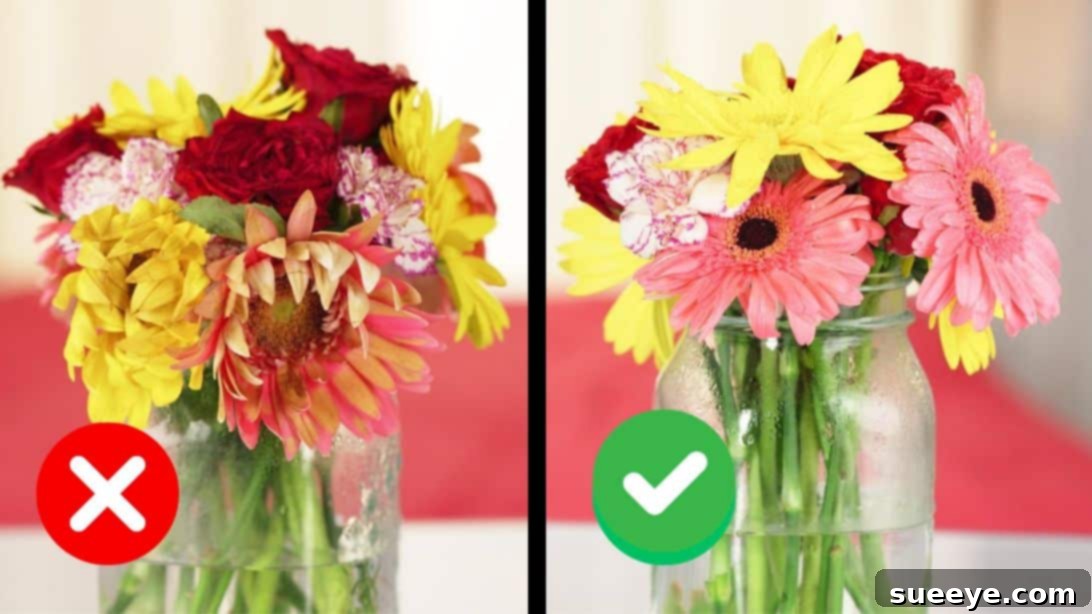
Who doesn’t adore the vibrant charm and delicate fragrance of fresh flowers? They possess an unparalleled ability to instantly uplift spirits and transform any space into a welcoming oasis. However, the fleeting nature of their beauty often leads us to question whether the investment is truly worthwhile when they seem to wilt just days after purchase. What if there was a way to significantly prolong their dazzling display, allowing you to savor their splendor for much longer? Fortunately, with a few simple yet effective techniques, you can do just that.
Inspired by expert insights, including valuable tips from Glamrs by Purplle, this comprehensive guide will equip you with the knowledge to maximize the vase life of your beloved blooms. By diligently following these steps, you’ll be able to keep your flowers looking fresh, vibrant, and blooming for days, if not weeks. Whether you’re bringing home a bouquet from the local market, receiving a thoughtful gift, or harvesting blossoms from your own garden, these professional secrets will ensure your floral arrangements remain a source of joy for an extended period. Say goodbye to prematurely wilting petals and embrace the art of lasting floral beauty!
Mastering Flower Care: Essential Tips to Make Your Arrangements Last Longer
Extending the life of your cut flowers isn’t just about luck; it’s a science combined with a touch of tender loving care. Every step, from the moment you bring them home to their daily maintenance, plays a crucial role in how long they’ll grace your home with their presence. Let’s dive into the indispensable practices that will transform your approach to flower care.
1. The Foundation: A Spotlessly Clean Vase
The journey to longer-lasting flowers begins even before they touch water. Many overlook the critical importance of a thoroughly cleaned vase, but it’s arguably the most vital first step. Bacteria, invisible to the naked eye, are the silent enemies of fresh flowers. Residue from previous arrangements, dust, and even hard water stains can harbor these microorganisms, creating a hostile environment for your new blooms.
When stems are placed in contaminated water, bacteria quickly begin to multiply, clogging the delicate vascular system of the flower stems. This blockage prevents the proper absorption of water and nutrients, leading to rapid wilting and premature decay. To combat this, always wash your jar or vase with hot water and a regular dishwashing soap. Use a bottle brush or sponge to scrub away any lingering grime from the bottom and sides. Rinse thoroughly to ensure no soap residue remains, as this can also be detrimental. For an extra layer of sanitation, consider a quick rinse with a diluted bleach solution (one part bleach to ten parts water) if your vase is particularly stubborn or has seen many previous arrangements, followed by another thorough rinse with clean water. A sparkling clean vase is the ultimate fresh start for your flowers, significantly reducing the chances of bacterial growth and ensuring unobstructed hydration.
2. The Right Hydration: Why Warm Water Works Wonders
Once your vase is pristine, the next crucial element is the water itself. While it might seem counterintuitive, filling your jar or vase with lukewarm or warm water is far more beneficial than using cold water. The science behind this lies in the molecular structure and viscosity of water.
Warm water molecules move more rapidly and are less viscous than cold water molecules, making them easier for the flower stems to absorb. Think of it like a thirsty athlete; they’ll rehydrate faster with room temperature water than with icy cold water. Warm water also helps to dissolve any potential air bubbles that might have formed in the flower stems, which can create blockages and prevent water uptake. It encourages the flower cells to expand and quickly draw water upwards, helping the blooms to stand straight and firm. Always ensure the water is not hot, as excessively hot water can shock and damage the delicate stems. Maintaining consistent hydration is key, so remember to change the water entirely every day or at least every other day. This simple act removes accumulated bacteria and replenishes the supply of fresh, clean water, drastically extending the vibrant life of your arrangement.
3. Nourishing Your Blooms: The Power of DIY Flower Food
Just like any living organism, cut flowers need nourishment to thrive. While commercially available flower food packets are excellent, you can easily create an effective DIY version using common household ingredients: sugar and white vinegar. This homemade concoction provides the essential elements flowers need to stay fresh and vibrant.
To prepare your DIY flower food, start by adding one tablespoon of granulated sugar to the warm water in your vase and mix well until it completely dissolves. Sugar acts as a vital source of carbohydrates, providing the necessary energy to the flowers. This energy fuels the cellular processes, promotes the opening of buds, and keeps the petals firm and colorful. Next, introduce one tablespoon of white vinegar. White vinegar serves a dual purpose: it acts as a mild acidifier, lowering the pH of the water, which helps the stems absorb water more efficiently. More importantly, it functions as an antibacterial agent, inhibiting the growth of harmful microorganisms that can clog stems and cause premature wilting. The combination of sugar for nourishment and vinegar for bacterial control creates an optimal environment that mirrors what commercial flower foods offer. Remember to replenish this solution each time you change the water, ensuring your flowers continuously receive this life-extending cocktail.
4. Pruning for Longevity: Removing Submerged Foliage
One of the most common mistakes in flower care is leaving leaves below the waterline. This seemingly minor oversight can have significant detrimental effects on the longevity of your flower arrangements. Any foliage that is submerged in water will inevitably begin to rot and decompose.
As these leaves decay, they release organic matter and provide a perfect breeding ground for bacteria and fungi. This bacterial proliferation quickly contaminates the water, turning it murky and causing the same stem-clogging issues discussed earlier. The rotting leaves also consume valuable nutrients and oxygen from the water that should otherwise be going directly to the flower head. Before placing your flowers into the prepared vase, carefully inspect each stem. Using sharp floral shears or a knife, meticulously remove any leaves, buds, or extraneous foliage that would fall below the water level. This preventive measure is simple yet profoundly effective in maintaining water purity and ensuring your flowers can efficiently absorb the hydration and nutrients they need to flourish for a longer period. Make this a non-negotiable step every time you refresh your arrangement.
5. Optimal Water Uptake: The Art of Trimming Stems
The way you cut your flower stems has a direct and significant impact on their ability to absorb water. A proper cut maximizes the surface area available for water uptake and prevents common issues that can lead to rapid wilting.
When you first receive or cut your flowers, and subsequently each time you change the water, trim each stem at a 45-degree angle. This diagonal cut achieves several important things. Firstly, it creates a larger surface area compared to a straight cut, allowing for more efficient water absorption. Secondly, and equally importantly, a diagonal cut prevents the stem from sitting flush against the bottom of the vase, which can create a seal and block water flow. Use sharp floral shears or a very sharp knife for this task, as dull tools can crush the delicate water-carrying vessels within the stem, leading to reduced water uptake. Many florists recommend trimming stems under running water or in a bowl of water; this technique prevents air bubbles from entering the newly cut stem and creating an air lock, which can impede hydration. This process, known as “recutting,” should be repeated daily or every other day as you refresh the water and solution. Over time, the end of the stem can become clogged with bacteria or lose its ability to absorb effectively, so a fresh angled cut is like giving your flower a fresh straw to drink from, continuously revitalizing its hydration process.
6. Strategic Placement: Shielding Flowers from Environmental Stressors
The environment in which your flowers are placed dramatically influences their lifespan. Thoughtful placement can protect them from stressors that accelerate wilting and aging.
One of the most critical rules is to avoid direct sunlight. While sunlight is vital for growing plants, cut flowers are past their growing stage and direct sun will cause them to rapidly dehydrate and fade. The intense heat from direct sunlight accelerates the evaporation of water from their petals and leaves, causing them to dry out quickly and wilt prematurely. Similarly, keep your flowers away from other heat sources such as radiators, heating vents, fireplaces, televisions, or any electronic appliances that generate warmth. These environments can quickly sap moisture from the blooms, drastically shortening their vase life.
Beyond heat, consider air circulation and proximity to ripening fruits. Placing flowers in a cool, well-ventilated area is ideal. Drafts from open windows or air conditioning units can also be detrimental, causing rapid dehydration. Interestingly, ripening fruits, particularly bananas and apples, release ethylene gas, a natural plant hormone that accelerates the aging process in flowers. Keep your flower arrangements in a separate area, away from your fruit bowl, to prevent premature fading. By carefully selecting a spot that is cool, indirectly lit, and away from harsh environmental factors, you create an optimal microclimate that encourages your flowers to stay vibrant and beautiful for as long as possible.
Bonus Tips for Exceptional Flower Longevity:
- Misting Delicate Blooms: Some flowers, especially those with delicate petals like orchids or hydrangeas, benefit from a light misting of water every now and then. This helps to increase the humidity around the flower heads and prevent premature drying.
- Removing Faded Flowers (Deadheading): As individual flowers in an arrangement begin to fade, promptly remove them. Not only does this keep the arrangement looking neat and fresh, but it also prevents the release of ethylene gas from the dying blooms, which can accelerate the aging of their healthier counterparts. Deadheading also redirects the plant’s energy to the remaining fresh flowers.
- Re-arranging and Refreshing: After a few days, your arrangement might look a bit tired. Don’t throw it out! Remove all flowers from the vase, recut their stems, change the water and flower food, and remove any yellowing or damaged leaves. You might find that a smaller, refreshed arrangement is just as beautiful.
- Starting with Quality: The longevity of your flowers also begins with their initial quality. When purchasing flowers, look for firm, vibrant petals, green stems, and buds that are just beginning to open rather than fully bloomed. Avoid flowers with browning leaves, slimy stems, or visible signs of wilting.
Fresh flowers bring an undeniable touch of elegance, color, and life into any setting. With these straightforward yet powerful flower care tips, you no longer have to mourn their short-lived beauty. By incorporating a clean vase, warm water, DIY nourishment, meticulous pruning, optimal stem care, and strategic placement into your routine, you can significantly extend the joy and vibrancy your floral arrangements bring.
Embrace these techniques as part of your regular home maintenance, and watch as your beloved blooms defy expectations, gracing your space with their enchanting presence for much longer. So go ahead, treat yourself to that beautiful bouquet, confident in your ability to keep it fresh and flourishing!